
国补政策

Search documents
苹果一季度登顶全球手机市场 “国补”政策助力国产品牌中国市场表现
Zhong Guo Jing Ying Bao· 2025-04-15 14:25
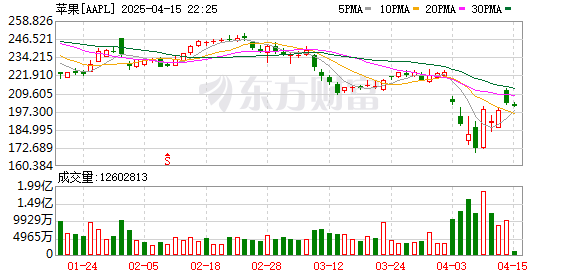
近两日,多家市场研究机构发布2025年第一季度全球智能手机市场数据。Counterpoint Research 报告指 出,受新兴市场增长以及中国补贴带动的需求提振影响,该季度全球智能手机销量同比增长3%。研究 机构IDC发布的数据显示,2025年第一季度全球智能手机出货量同比增长1.5%,达到3.049亿部。 Canalys研究数据显示,2025年第一季度,全球智能手机市场同比增长1%。 以Counterpoint Research统计的全球手机厂商市场手机销量份额排名来看,2025年第一季度,市场份额 前五中,苹果排名第一,其次是三星、小米、vivo、OPPO。而从市场出货量来看,IDC统计全球市场 出货量排名为三星、苹果、小米、OPPO、vivo;Canalys的排名则为三星、苹果、小米、vivo、OPPO。 2025年第一季度,全球智能手机市场延续增长态势。 与此同时,4月15日,IDC发布的数据亦显示,苹果iPhone 在2025年第一季度出货量达5790万部,较去 年同期的5260万部增长10%。 4月14日,Counterpoint Research发布的数据显示,苹果在2025年第一季度的全球 ...


智能手机生态战打响:如何解题后“国补”时期高端赛?
2 1 Shi Ji Jing Ji Bao Dao· 2025-04-12 00:14
Core Insights - The "National Subsidy" policy is driving domestic smartphone manufacturers to penetrate the high-end market, but it raises concerns about potential preemption of consumer spending in the latter half of the year [1][2][3] Group 1: Market Dynamics - The "National Subsidy" policy has led to increased smartphone sales in the 2000-6000 yuan price range, with expectations of a 5% year-on-year growth in overall market GMV [2][5] - Initial effects of the subsidy were strong during the Spring Festival, but demand weakened in late February and March due to early consumption and limited appeal of the policy [3][6] - The 4000 yuan and above segment is experiencing significant growth, with a projected year-on-year increase of over 20% this year [5][6] Group 2: Consumer Behavior - Over 60% of consumers are opting for "upgraded" products, while 20-30% are choosing to purchase products at a similar price point due to the subsidy [3][5] - The shift in consumer preferences indicates a willingness to spend slightly more for better products, reflecting a trend towards higher-end devices [5][6] Group 3: Competitive Landscape - Companies are adjusting their product strategies, with OPPO launching new high-end models and expanding its product matrix to capture the growing market share in the premium segment [5][6] - The competition in the high-end smartphone market is intensifying, with expectations that China will surpass the U.S. in shipments of devices priced above 600 USD by 2025 [6][7] Group 4: Ecosystem Development - The establishment of a robust ecosystem around smartphones is becoming increasingly important, with companies like Xiaomi and Huawei leveraging their ecosystems to enhance customer retention [7][8] - OPPO is focusing on a more cautious ecosystem strategy, emphasizing the integration of AI technologies and related products to enhance user experience [7][8]
锐评丨退货不退资格?别让售后拖了“国补”后腿
Sou Hu Cai Jing· 2025-04-06 06:49
Core Viewpoint - The "National Subsidy" policy aims to benefit consumers, but issues in the return and after-sales processes are undermining its positive impact [1][2][3] Group 1: Issues with "National Subsidy" Returns - Consumers have reported that their "National Subsidy" qualifications are not returned after product returns, leading to complaints about after-sales service [1] - Problems include platforms replacing the expected 20% government subsidy with small discount coupons and complications arising from the use of virtual currency during refunds [1][2] - The China Consumers Association has highlighted that issues related to "National Subsidy" after-sales processes have become a major complaint area, indicating a need for regulation [1] Group 2: Impact on Consumer Behavior - The inability to return "National Subsidy" qualifications can discourage consumers from making purchases, contradicting the policy's intent to stimulate consumption [2] - Consumers are more likely to replace appliances and home decor due to the "National Subsidy," but after-sales issues create a negative perception [2] - Trust and support from consumers are essential for businesses and platforms, and any manipulation of the subsidy undermines this relationship [2] Group 3: Recommendations for Improvement - Regions like Hunan and Shanghai have established clear guidelines for returning subsidy qualifications, which could serve as a model for other areas [3] - There is a call for automatic restoration of subsidy qualifications for transactions that are not completed, as well as clearer regulations regarding price protection for subsidized products [3] - The effectiveness of the "National Subsidy" policy in benefiting consumers and stimulating consumption depends on fair and transparent after-sales rules [3]