Autonomous driving

Search documents
Tesla updates Robotaxi app users about California launch
Business Insider· 2025-07-26 22:23
Core Points - Tesla is launching its Robotaxi service in California under a new terms-of-service agreement, which includes a safety driver during rides in the state to comply with local regulations [1][2][3] - The Robotaxi service will utilize a variant of Tesla's supervised Full Self-Driving (FSD) software, which requires a licensed driver to monitor the vehicle [3] - Tesla has received a permit from the California DMV for testing self-driving software with a licensed driver but has not applied for permits for fully autonomous vehicle deployment [7][8] Group 1 - The Robotaxi service will be conducted autonomously outside California, while in California, rides will have a safety driver using FSD [1] - Tesla plans to start the Robotaxi service in San Francisco as a paid program with safety drivers controlling the vehicle [2] - The company is working with regulators to expand the Robotaxi program while currently launching it with safety drivers [8][9] Group 2 - California senator Scott Wiener expressed concerns over Tesla's lack of permits for deploying autonomous vehicles in the state [7] - Tesla has a permit from the California Public Utilities Commission to provide transportation services to employees and select members of the public [8] - The company aims to expedite the launch of the service while awaiting regulatory approval for driverless operations [9]


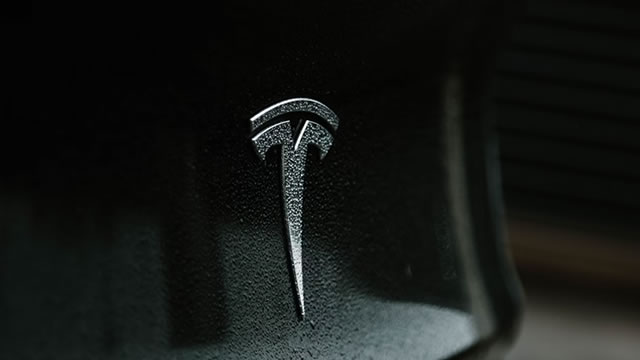
Waymo's EMMA: Teaching Cars to Think - Jyh Jing Hwang, Waymo
AI Engineer· 2025-07-26 17:00
Autonomous Driving History and Challenges - Autonomous driving research started in the 1980s with simple neural networks and evolved to end-to-end driving models by 2020 [2] - Scaling autonomous driving presents challenges, requiring solutions for long-tail events and rare scenarios [5][7] - Foundation models, like Gemini, show promise in generalizing to rare driving events and providing appropriate responses [8][9][10][11] Emma: A Multimodal Large Language Model for Autonomous Driving - The company is exploring Emma, a driving system leveraging Gemini, which uses routing text and camera input to predict future waypoints [11][12][13][14] - Emma is self-supervised, camera-only, and high-dimension map-free, achieving state-of-the-art quality on the nuScenes benchmark [15][16][17] - Channel reasoning is incorporated into Emma, allowing the model to explain its driving decisions and improve performance on a 100k dataset [17] Evaluation and Validation - Evaluation is crucial for the success of autonomous driving models, including open loop evaluation, simulations, and real-world testing [25] - Generative models are being explored for sensor simulation to evaluate the planner under various conditions like rain and different times of day [26][27][28] Future Directions - The company aims to improve generalization and scale autonomous driving by leveraging foundation models [30] - Training on larger datasets improves the quality of the planner [19][20] - The company is exploring training on various tasks, such as 3D detection and rograph estimation, to create a more generalizable model [21][22][23][24]
Should You Buy This Magnificent Autonomous Driving Stock Before Aug. 6?
The Motley Fool· 2025-07-26 08:29
Core Viewpoint - Autonomous vehicles are poised to significantly impact the ride-hailing industry, with companies like Uber potentially benefiting from reduced operational costs and increased market opportunities through partnerships with self-driving vehicle providers [1][2][12]. Company Overview - Uber operates the largest ride-hailing network globally, relying on 8.5 million human drivers, which constitutes its largest expense [2][5]. - In Q1 2025, Uber reported gross bookings of $42.8 billion, with $18.6 billion paid to drivers, resulting in $11.5 billion in revenue after deducting costs [5][6][7]. - The company is expected to release its Q2 2025 operating results on August 6, with strong revenue and earnings growth anticipated [3][10]. Financial Performance - For Q1 2025, Uber's GAAP net profit was $1.7 billion, indicating a low profit margin relative to its gross bookings [6][7]. - Projections for Q2 2025 suggest gross bookings between $45.7 billion and $47.2 billion, translating to approximately $12.5 billion in revenue, representing a year-over-year growth of 16.4% [10][11]. Autonomous Vehicle Partnerships - Uber has partnerships with 18 self-driving vehicle providers, up from 14 six months prior, leveraging its large user base of 170 million monthly active users [12]. - Waymo, a key partner, is completing over 250,000 paid autonomous ride-hailing trips weekly across five U.S. cities, utilizing both its and Uber's networks [13]. - As of Q1 2025, Uber's network completed 1.5 million annualized autonomous trips and deliveries, with expectations for updates on this figure in the upcoming report [14]. Market Outlook - Uber's stock has increased by 42% in 2023, currently trading near record highs, with a price-to-sales ratio of 4.2, aligning with its 10-year average [15]. - The potential for accelerated revenue growth due to autonomous vehicles suggests that the stock may be worth holding, especially for long-term investors [17][18].

Tesla wants to bring its robotaxis to San Francisco. Here is what's standing in the way.
TechCrunch· 2025-07-25 23:41
Group 1: Tesla's Robotaxi Service Launch - Tesla is launching a limited version of its robotaxi service in San Francisco, following an initial rollout in Austin, Texas [1] - The company plans to invite Tesla owners to test the service, which may violate state regulations despite having a human safety driver present [1][8] Group 2: Regulatory Environment - Two state agencies regulate autonomous vehicles in California: the California Department of Motor Vehicles (DMV) and the California Public Utilities Commission (CPUC) [2] - Tesla holds a permit for testing autonomous vehicles with a human safety operator but lacks permits for driverless testing or deployment [3][7] - Tesla does not have the necessary permits from the CPUC to offer autonomous passenger services, whether paid or unpaid [7][8] Group 3: Current Operations and Challenges - Tesla has been running an invite-only version of its robotaxi service in Austin since June 22, primarily in the downtown area [9][10] - The service started with around 10 vehicles, but details on the number of operational Model Y SUVs and safety operator interventions remain unclear [10] - The company is also facing legal challenges, including a lawsuit related to its Autopilot system and ongoing issues with the DMV regarding its self-driving claims [8][9][11]
Tesla is reportedly bringing a limited version of its robotaxi service to San Francisco
TechCrunch· 2025-07-25 14:55
Core Insights - Tesla is launching a limited version of its robotaxi service in San Francisco, following an initial rollout in Austin, Texas, which began last month [1] - The service will include a driver in the driver's seat due to the lack of proper permits for driverless testing or deployment [1] - Tesla is currently only allowed to provide rides to employees, and it is in the process of obtaining regulatory approval for public rides in California [2] Group 1 - The California DMV is attempting to prevent Tesla from selling vehicles in the state amid a lawsuit regarding the company's self-driving promises [3] - Tesla is also facing a trial related to fatalities associated with its Autopilot driver assistance system [3] - The Austin robotaxi service has been invite-only since June 22, primarily operating in downtown Austin with safety operators present [4] Group 2 - The current robotaxi service is a far cry from the fully autonomous solution that CEO Elon Musk has been promoting for years [5] - Musk had previously claimed that Tesla's autonomous software could drive from Los Angeles to New York, a claim that has not materialized [5] - Tesla is also looking to expand its robotaxi service to Florida and Arizona, with certification processes underway for testing in Arizona [5]
Tesla is reportedly behind on its pledge to build 5,000 Optimus bots this year
TechCrunch· 2025-07-25 14:14
Core Insights - Tesla is significantly behind its goal of producing at least 5,000 Optimus humanoid robots in 2025, with production numbers only in the hundreds after nearly eight months [1] - The company reported a 12% decline in overall revenue in Q2, attributed to falling EV sales, reduced cash from regulatory credits, and a decrease in solar and energy storage sales [2] - Musk stated that Tesla aims to scale Optimus production to a million units per year within five years, although previous ambitious projections have not been met [3] Group 1 - Tesla's production of Optimus robots is lagging, necessitating either an increase in output or a deadline extension [1] - The decline in revenue is linked to multiple factors, including a drop in electric vehicle sales and other revenue streams [2] - Musk's optimistic production targets for Optimus robots echo past ambitious claims that have not materialized [3] Group 2 - The company plans to start production on the latest Optimus 3 design by early next year [2] - Musk's previous projections regarding robotaxis have not been fulfilled, raising questions about the feasibility of current targets [3] - The goal of reaching a million units per year is seen as a reasonable aspiration, despite past failures to meet similar goals [3]
Tesla tells staff it plans to roll out its Robotaxi service in San Francisco this weekend
Business Insider· 2025-07-25 11:32
Core Insights - Tesla plans to launch its Robotaxi service in San Francisco this weekend, with an internal memo indicating the timeline has been moved up to as soon as Friday [1] - The Robotaxi service will operate in a geofenced area covering a significant portion of the Bay Area, including San Francisco, Marin, East Bay, and extending to San Jose [2] - Initial deployment will include safety drivers in the vehicles, who can control the car if necessary [2][5] Regulatory Context - The California DMV has stated that Tesla has not yet applied for a permit for driverless testing or deployment, raising questions about the regulatory requirements for launching the service with a safety monitor [3] - The California Public Utilities Commission granted Tesla a permit for employee transportation services, but Tesla has not applied for permits for commercial public services as of July 10 [4] Operational Details - Tesla's Robotaxi service in Austin began with over 10 vehicles in a geofenced area, and the service is currently invite-only [6] - Modified Model Ys have been built for the Robotaxi service, featuring additional camera equipment and telecommunications units [10] - Tesla is actively seeking regulatory approval for the Robotaxi service in California, Florida, and Arizona, and has significantly increased its autonomous testing capabilities in California [12][13] Recent Developments - Elon Musk indicated during a quarterly earnings call that the Robotaxi service would initially operate with a safety operator in the front seat [5] - A recent video showcased Tesla's first fully autonomous delivery, demonstrating the vehicle's capability to drive itself at speeds of up to 72 miles per hour [14]
Uber Just Made a Huge Investment in Its Robotaxi Future. Here's What Investors Need to Know.
The Motley Fool· 2025-07-25 11:00
Core Perspective - Uber Technologies is making a significant commitment to autonomous vehicles through a multi-year partnership with Lucid and Nuro, which could reshape its future in the ride-hailing market [1][9]. Investment Details - Uber will invest $300 million in Lucid and a separate "multi-hundred-million-dollar" investment in Nuro, aiming to deploy at least 20,000 robotaxis over the next six years [2]. Strategic Shift - This partnership marks a major shift in Uber's strategy, as it will own and operate the vehicles rather than just providing a user-facing platform, indicating a desire for more control in the evolving ride-hailing market [4][13]. Vehicle Specifications - The robotaxi fleet will utilize Lucid's Gravity SUV, which features a long 450-mile range and hardware redundancies, making it suitable for autonomous operations [6]. Competitive Landscape - The move is crucial as robotaxis are becoming a reality, with competitors like Waymo and Tesla already offering autonomous rides [7]. Control Over Future - By investing directly in Nuro and Lucid, Uber aims to secure its position in the market and avoid being sidelined by competitors who may choose to offer driverless rides through their own platforms [9][10]. Platform Advantages - Uber possesses strong brand recognition, extensive routing and pricing data, and expertise in fleet management, which may provide an edge over competitors in the autonomous vehicle space [11]. Current Business Performance - Uber's core business is performing well, with a 14% revenue increase to $11.5 billion in Q1 2025, and strong free cash flow generation, allowing time for the robotaxi fleet development [14][15]. Future Challenges - Building a robotaxi fleet is capital-intensive and requires effective execution, with production of vehicles not expected to begin until late 2026, amidst increasing competition [16]. Market Positioning - Uber is proactively making multiple investments in the robotaxi space to ensure it remains competitive as the market evolves, with the potential for significant returns if it becomes a leader in this sector [17].

Why Pony AI Stock Surged More Than 7% Higher Today
The Motley Fool· 2025-07-23 21:13
The Chinese company takes a large step toward its goal of eventual commercial rollout.Autonomous driving technology specialist Pony AI (PONY 7.72%) had a fine Wednesday on the stock exchange, following news of the launch of an important pilot project in its native China. With that, investors turbocharged the stock, sending it more than 7% higher in value. That was more than good enough to top the 0.8% rise of the bellwether S&P 500 index.Big news in BeijingThat morning, Pony AI reported that vehicles powere ...

AI News: Sam Altman's Predictions, Talent Wars Continue, Project Stargate, Thinking Machines
Matthew Berman· 2025-07-23 15:37
This video is sponsored by Augment Code. More on them later. All right, first we have an update from Thinking Machines.They just raised a massive amount of capital for what I actually don't quite know. There is very little public information about what they're actually doing. What we do know is that they're going to be training models for enterprise.They just raised $2 billion led by A16Z who basically funds every single investment on the planet at this point with participation from Nvidia, Excel, Service N ...