
分布式能源

Search documents
航改燃机正成为电力缺口的解决方案之一:超过30%!…我的政府正在与美国主要科技公司合作,争取它们对我的影响
GF SECURITIES· 2026-01-19 02:38
Investment Rating - The industry investment rating is "Buy" [2] Core Insights - The report highlights that aviation modified gas turbines are becoming one of the solutions to address the electricity gap, driven by the increasing demand for data centers and the need for efficient power generation [1][15][55] - The global power consumption of data centers is expected to grow significantly, from 49 GW in 2023 to 96 GW in 2026, with 90% of this growth driven by AI [15][20] - The aging infrastructure of power grids in developed economies necessitates upgrades and replacements, creating further demand for power generation solutions [17][25] Summary by Sections Section 1: AIDC and Power Grid Renovation - The development of AI infrastructure is driving a surge in electricity demand for data centers, which is expected to double global power consumption from 2022 levels by 2026 [15][20] - Over 50% of power grid infrastructure in developed economies is over 20 years old, leading to urgent maintenance and replacement needs [17][25] Section 2: Performance and Cost-Effectiveness of Aviation Modified Gas Turbines - Aviation modified gas turbines share core technologies with aircraft engines, making them efficient and cost-effective for various applications [55][59] - The report details several successful models derived from aircraft engines, such as the LM2500 series, which has become widely used due to its performance and reliability [56][61] Section 3: Flexibility and Rapid Installation of Aviation Modified Gas Turbines - Aviation modified gas turbines can be installed in as little as 1.5 months, making them ideal for rapidly expanding data centers [65][67] - These turbines offer quick start-up times and high efficiency, making them suitable for distributed energy and emergency power applications [63][66] Section 4: Investment Recommendations - The report suggests focusing on companies that supply components and technologies for aviation modified gas turbines, as they are likely to benefit from the growing demand in this sector [6][70] - Companies such as 航亚科技, 振华股份, and 航发科技 are highlighted as potential beneficiaries of this trend [6][7]
总投资10.38亿元!北京上市公司国能日新虚拟电厂项目在临沂启动
Xin Lang Cai Jing· 2026-01-13 02:47
Group 1 - The core viewpoint of the news is the launch of the Guoxin (Shandong) virtual power plant demonstration project by Guoneng Rixin, marking a significant step in the market application of distributed energy in Shandong [1] - The total investment for the project is 1.038 billion yuan, and it is expected to have an annual adjustment capacity exceeding 10 million kilowatt-hours and reduce carbon dioxide emissions by over 16,000 tons [1] - The project aims to save nearly 100 million yuan in electricity costs for industrial and commercial users annually, showcasing Guoneng Rixin's capabilities in virtual power plant system development and resource management [1] Group 2 - Guoneng Rixin was established in February 2008 and went public in April 2022, focusing on providing information technology products and services for renewable energy [3] - The company reported a revenue of 499 million yuan for the first three quarters of 2025, representing a year-on-year growth of 36.97%, with a net profit attributable to shareholders of 69.35 million yuan, up 59.97% year-on-year [4] - Guoneng Rixin has invested in Shandong, holding a 20% stake in Sanas Zhihui (Qingdao) Electric Power Co., Ltd., which was established with a registered capital of 11.5 million yuan [4]


2026年微电网迎来三大政策利好
中关村储能产业技术联盟· 2026-01-13 00:07
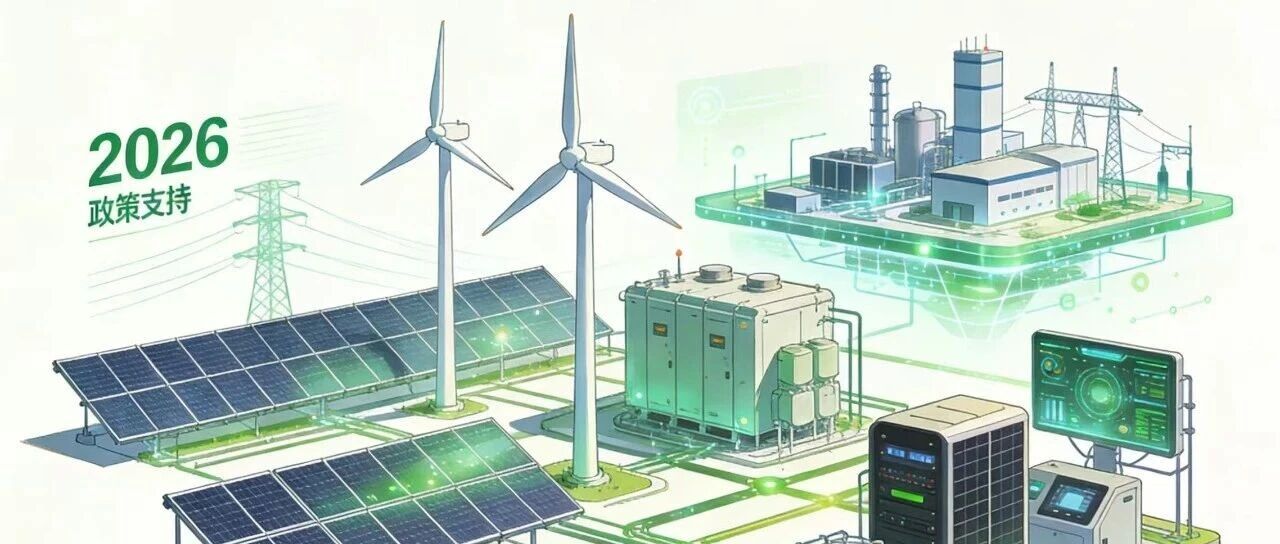
Policy Opportunities - The top-level design has clarified the direction for the microgrid industry, with the National Development and Reform Commission and the National Energy Administration issuing guidelines to promote high-quality development of the power grid, aiming to establish a new type of grid platform by 2030 that includes intelligent microgrids as a beneficial supplement [4][5] - The "Application Guidelines" provide a detailed roadmap for the implementation of industrial microgrids, setting a target for renewable energy self-consumption in new industrial solar and wind projects to be no less than 60% annually [4][5] - A series of pilot projects have been launched, with intelligent microgrids included as one of the seven key pilot directions, showcasing diverse application scenarios from industrial parks to ports [5][6] Definition of Microgrid - Microgrids are small-scale power systems composed of distributed energy sources, storage devices, and energy conversion systems, capable of operating both in grid-connected and island modes [7][8] - The industrial green microgrid aims to provide green electricity to industrial users, integrating various renewable energy sources and technologies to create a comprehensive energy system [8][9] Construction of Industrial Microgrids - The "Application Guidelines" outline six key construction components for industrial green microgrids, including renewable energy generation, utilization of industrial waste energy, and new energy storage applications [10][11] - New energy storage plays a critical role in microgrid systems, with various storage technologies recommended based on specific needs such as peak shaving, frequency support, and thermal load regulation [12][13] Application Scenarios - The guidelines identify four typical application scenarios for industrial microgrids, including high-energy-consuming industries like steel and petrochemicals, flexible application scenarios in sectors like textiles and automotive, scalable adjustable applications in industries like aluminum and polysilicon, and high-reliability applications in computing facilities [14][15][16] Future Development - The focus of the industry is shifting from "whether to build" to "how to build well" and "how to achieve win-win outcomes," requiring collaboration on technical standards and sustainable business models [17]
《分布式能源规划员》(综合能源服务方向)培训通知丨系列培训
中国能源报· 2026-01-12 09:36
Core Viewpoint - The article emphasizes the importance of developing distributed energy and integrated energy services as a crucial path towards carbon neutrality, highlighting the need for skilled professionals in energy planning and management [1]. Group 1: Training Overview - The training titled "Distributed Energy Planner (Integrated Energy Services Direction)" is organized to address the shortage of professionals familiar with energy planning, conversion, and intelligent control technologies [1]. - The training will take place online from January 14 to January 17, 2026 [2]. - The training is hosted by the Human Resources and Social Security Ministry's Social Security Capacity Building Center and organized by China Energy News Co., Ltd [2]. Group 2: Target Audience - The training targets various stakeholders including provincial and municipal power companies, energy groups, and enterprises in the oil and gas sector [2]. - It also includes new energy companies (wind, solar, storage), energy service companies, equipment manufacturers, and research institutions [2]. - Additionally, it is aimed at investment professionals in the integrated energy sector and those interested in distributed energy and integrated energy services [2]. Group 3: Course Outline - The course covers an overview of integrated energy services, including its connotations, driving forces, and current development status both domestically and internationally [3]. - It includes modules on planning comprehensive energy solutions, distributed photovoltaic projects, natural gas distributed energy applications, and smart microgrids [4]. - The curriculum also addresses hydrogen energy applications, new energy storage, energy efficiency projects, and zero-carbon factory assessments [4]. Group 4: Training Fees - The training fee is set at 3600 yuan per person, which includes training, materials, and certification costs [5]. Group 5: Contact Information - For inquiries, contact Yang at 15801248899 or Wang at 15201547047 [6].

《分布式能源规划员》(综合能源服务方向)培训通知丨系列培训
中国能源报· 2026-01-11 13:04
Core Viewpoint - The article emphasizes the importance of developing distributed energy and integrated energy services as a crucial path towards carbon neutrality, highlighting the need for skilled professionals in energy planning and management [1]. Group 1: Training Overview - The training titled "Distributed Energy Planner (Integrated Energy Services Direction)" is organized to address the shortage of professionals in energy planning, conversion, and intelligent control [1]. - The training will take place online from January 14 to January 17, 2026 [2]. - The training is hosted by the Human Resources and Social Security Ministry's Social Security Capacity Building Center and organized by China Energy News Co., Ltd [2]. Group 2: Target Audience - The training targets various stakeholders including provincial and municipal power companies, energy groups, and enterprises in the oil and gas sector [2]. - It also includes new energy companies (wind, solar, storage), energy service companies, equipment manufacturers, and research institutions [2]. - Additionally, it is aimed at investment professionals in the integrated energy sector and those interested in distributed energy and integrated energy services [2]. Group 3: Course Outline - The course covers an overview of integrated energy services, including its connotations, driving forces, and current development status both domestically and internationally [3]. - It includes modules on planning comprehensive energy solutions, distributed photovoltaic projects, natural gas distributed energy applications, and smart microgrids [4]. - The curriculum also addresses hydrogen energy applications, new energy storage, energy efficiency projects, and zero-carbon factory assessments [4]. Group 4: Training Costs - The training fee is set at 3600 yuan per person, which includes training, materials, and certification costs [5]. Group 5: Contact Information - For inquiries, contact Yang at 15801248899 or Wang at 15201547047 [6].

《分布式能源规划员》(综合能源服务方向)培训通知丨系列培训
中国能源报· 2026-01-11 00:38
Core Viewpoint - The article emphasizes the importance of developing distributed energy and integrated energy services as a crucial path towards carbon neutrality, highlighting the need for skilled professionals in energy planning and management [1]. Group 1: Training Overview - The training titled "Distributed Energy Planner (Integrated Energy Services Direction)" is organized to address the shortage of professionals in energy planning, conversion, and intelligent control [1]. - The training will take place online from January 14 to January 17, 2026 [2]. - The training is hosted by the Human Resources and Social Security Ministry's Social Security Capacity Building Center and organized by China Energy News Co., Ltd [2]. Group 2: Target Audience - The training targets various stakeholders including provincial and municipal power companies, energy groups, and enterprises in the oil and gas sector [2]. - It also includes new energy companies (wind, solar, storage), energy service companies, equipment manufacturers, and research institutions [2]. - Additionally, it is aimed at investment professionals in the integrated energy sector and those interested in distributed energy services [2]. Group 3: Course Outline - The course covers an overview of integrated energy services, including its development status and trends [3]. - It includes planning for integrated energy solutions, customer demand analysis, and project construction and operation [4]. - Specific modules focus on distributed photovoltaic projects, natural gas distributed energy, smart microgrids, hydrogen energy applications, new energy storage, and zero-carbon factory assessments [4]. Group 4: Training Costs - The training fee is set at 3600 yuan per person, which includes training, materials, and certification costs [5]. Group 5: Contact Information - Contact details for inquiries include Yang (15801248899) and Wang (15201547047) [6].

《分布式能源规划员》(综合能源服务方向)培训通知丨系列培训
中国能源报· 2026-01-10 00:40
Core Viewpoint - The article emphasizes the importance of developing distributed energy and integrated energy services as a crucial path towards carbon neutrality, highlighting the need for skilled professionals in energy planning and management [1]. Group 1: Training Overview - The training titled "Distributed Energy Planner (Integrated Energy Services Direction)" is organized to address the shortage of professionals familiar with energy planning, conversion, and intelligent control technologies [1]. - The training will take place online from January 14 to January 17, 2026 [2]. - The training is hosted by the Human Resources and Social Security Department's Social Security Capacity Building Center and organized by China Energy News Co., Ltd. [2]. Group 2: Target Audience - The training targets various stakeholders including provincial and municipal power companies, energy groups, and enterprises in the oil and gas sector [2]. - It also includes new energy companies (wind, solar, storage), energy service companies, equipment manufacturers, and research institutions [2]. - Additionally, it is aimed at investment professionals in the integrated energy sector and those interested in distributed energy and integrated energy services [2]. Group 3: Course Outline - The course covers an overview of integrated energy services, including its connotations, driving forces, and current development status both domestically and internationally [3]. - It includes modules on planning comprehensive energy solutions, distributed photovoltaic projects, natural gas distributed energy applications, smart microgrids, hydrogen energy applications, new energy storage, and zero-carbon factory assessments [4]. - Each module addresses specific aspects such as customer demand analysis, project construction, operational modes, and economic evaluations of energy projects [4]. Group 4: Training Costs - The training fee is set at 3600 yuan per person, which includes training, materials, and certification costs [5]. Group 5: Contact Information - For inquiries, contact details are provided for two instructors, Yang and Wang, with their respective phone numbers [6].

《分布式能源规划员》(综合能源服务方向)培训通知丨系列培训
中国能源报· 2026-01-09 10:34
Core Viewpoint - The article emphasizes the importance of developing distributed energy and integrated energy services to enhance the efficiency and cleanliness of energy consumption, aligning with China's energy law and carbon neutrality goals [1]. Group 1: Training Overview - The training titled "Distributed Energy Planner (Integrated Energy Services Direction)" is organized to address the shortage of professionals skilled in energy planning, conversion, and intelligent control, which is crucial for the transition to integrated energy services [1]. - The training will take place online from January 14 to January 17, 2026, and is organized by the Human Resources and Social Security Ministry's Social Security Capacity Building Center and the China Energy News Co., Ltd. [2]. Group 2: Target Audience - The training targets various stakeholders, including provincial and municipal power companies, energy groups, new energy enterprises (wind, solar, storage), energy service companies, and professionals interested in the integrated energy sector [2]. Group 3: Course Outline - The course covers a comprehensive overview of integrated energy services, including its development status and trends, customer demand analysis, and project construction and operation [3][4]. - Specific topics include the application of distributed photovoltaic projects, natural gas distributed energy, smart microgrids, hydrogen energy, new energy storage, and zero-carbon factory assessments [4]. Group 4: Training Costs - The training fee is set at 3600 yuan per person, which includes training materials and certification costs [5]. Group 5: Contact Information - For inquiries, contact details for instructors are provided: Yang (15801248899) and Wang (15201547047) [6].

《分布式能源规划员》(综合能源服务方向)培训通知丨系列培训
中国能源报· 2026-01-08 05:54
Core Viewpoint - The article emphasizes the importance of developing distributed energy and integrated energy services as a crucial path towards carbon neutrality, highlighting the need for skilled professionals in energy planning and management [1] Group 1: Training Overview - The training titled "Distributed Energy Planner (Integrated Energy Services Direction)" is organized to address the shortage of professionals in energy planning, conversion, and intelligent control [1] - The training will take place online from January 14 to January 17, 2026 [2] - The training is hosted by the Human Resources and Social Security Ministry's Social Security Capacity Building Center and organized by China Energy News Co., Ltd [2] Group 2: Target Audience - The training targets various stakeholders including provincial and municipal power companies, energy groups, and enterprises in the oil and gas sector [2] - It also includes new energy companies (wind, solar, storage), energy service companies, equipment manufacturers, and research institutions [2] - Individuals interested in the fields of new energy, distributed energy, and integrated energy services are encouraged to participate [2] Group 3: Course Outline - The course covers an overview of integrated energy services, including its driving forces and current development status both domestically and internationally [3] - It includes modules on planning comprehensive energy solutions, distributed photovoltaic projects, natural gas distributed energy applications, and smart microgrids [4] - Additional topics include hydrogen energy applications, new energy storage projects, and zero-carbon factory assessments [4] Group 4: Training Costs - The training fee is set at 3600 yuan per person, which includes training, materials, and certification costs [5] Group 5: Contact Information - For inquiries, contact details for instructors are provided: Yang (15801248899) and Wang (15201547047) [6]

虚拟电厂正式入市,你家屋顶的光伏板能"团购"卖电了
3 6 Ke· 2026-01-08 04:04
Core Insights - The emergence of virtual power plants (VPPs) marks a significant shift in the energy market, allowing decentralized power resources to participate in spot market trading, with the first batch of atypical sellers aggregating approximately 33 megawatts of distributed power resources [1][2] - The Chinese government has set clear policy guidelines to promote the development of VPPs, aiming for a regulation capacity of 20 million kilowatts by 2027 and over 50 million kilowatts by 2030 [1][2] Group 1: Virtual Power Plant Development - VPPs are defined as digital resource aggregators and market service providers, integrating fragmented power resources into a unified trading entity [2] - By the end of 2025, over 200 VPP aggregators have emerged across China, with Guangdong, Beijing, and Jiangsu being the most active regions [2] Group 2: Technological and Market Dynamics - The core technology of VPPs involves creating digital connections between previously isolated energy resources, enhancing their market participation [3] - The "Yue Neng Tuo" platform has shown that distributed solar users can increase their annual revenue by 6%-7% by participating in VPP trading [3] Group 3: Market Participation and Competition - A diverse range of players, including traditional energy giants and private enterprises, are entering the VPP market, with 47 approved operators in Guangdong alone by December 2025 [4][5] - Private companies are becoming the main force in VPP investment and operation, particularly in market-oriented regions like Shenzhen [5] Group 4: Local Government Initiatives - Local governments are actively supporting VPP development through financial incentives and innovative models, such as energy management combined with VPPs [5] - Successful aggregation of resources, such as charging stations, has demonstrated the potential for significant revenue generation for participants [5] Group 5: Market Transformation - The entry of VPPs into the market signifies a transformation in the electricity trading unit from large power plants to individual rooftops and charging stations, activating the "capillaries" of the power system [5][6] - This change deepens the commodity nature of electricity and further segments the market, allowing micro-resources to generate additional revenue while reshaping traditional power system structures [6]