国际秩序

Search documents
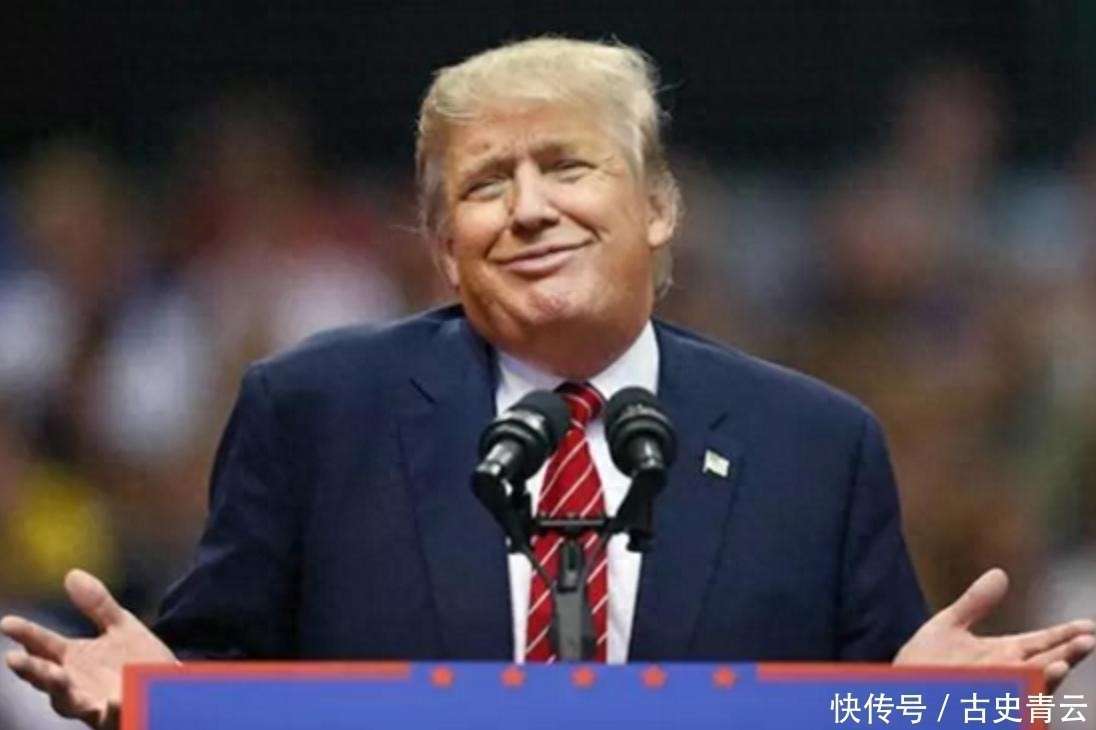
加拿大总理达沃斯演讲,暗讽美国将经济一体化作为“武器”
Xin Lang Cai Jing· 2026-01-20 17:50
Core Viewpoint - The long-standing U.S.-led international order has ended, necessitating a strategic shift for middle powers like Canada to avoid becoming victims of stronger forces [2] Group 1: Strategic Shift - Canada must adopt a principled and pragmatic approach in response to the new global landscape [2] - There is a need for Canada to focus on domestic development while diversifying trade relationships to reduce dependency on countries like the U.S. [2] - The previous belief that geographical location and alliances would automatically ensure prosperity and security is no longer valid [2]

马克龙回应“特朗普关税威胁”
Xin Jing Bao· 2026-01-20 14:00
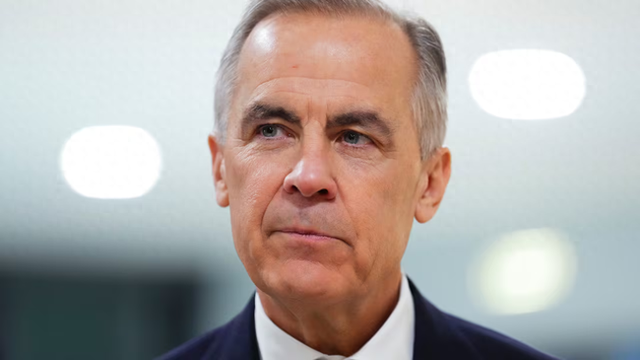
Core Viewpoint - French President Macron accused the United States of attempting to "weaken Europe" during his speech at the World Economic Forum in Davos, Switzerland [1] Group 1: International Relations - Macron's remarks are seen as a response to President Trump's threats of imposing new tariffs on countries that support Greenland and oppose U.S. actions [1] - He emphasized that the current international order is facing severe challenges, with some leaders harboring "imperial ambitions" to reshape international rules through coercive means [1] Group 2: Economic Policy - Macron highlighted the unacceptable accumulation of new tariffs, particularly those used as pressure against territorial integrity and sovereignty [1] - He called for the adherence to principles of sovereign equality and multilateral cooperation, opposing the logic of resolving issues through power [1]
反川普挺欧洲,中方一语双关,福山:中国能击败美国,欧洲也能行
Sou Hu Cai Jing· 2026-01-20 04:12
Group 1 - The core viewpoint of the articles emphasizes China's strong opposition to the U.S. actions regarding Greenland and the use of tariffs as a diplomatic tool by Trump, highlighting the importance of maintaining international order based on the UN Charter [1][3] - China's stance is not only a rejection of Trump's territorial ambitions but also a critique of the U.S. pressuring European countries through tariffs, suggesting that such actions violate existing international norms [3][1] - The articles reflect a broader sentiment among scholars like Francis Fukuyama, who advocates for Europe to adopt a more resilient stance against U.S. bullying, drawing parallels with China's approach to resist pressure [5][8] Group 2 - Fukuyama argues that Europe's past strategies of appeasement towards Trump have been ineffective, warning that continued concessions could lead to more unreasonable demands from the U.S. [5][9] - Historical examples are provided where countries like China, India, and Brazil successfully resisted U.S. pressure, suggesting that a firm stance can earn respect from the U.S. rather than submission [8][9] - The articles highlight the dilemma Europe faces: whether to continue its long-standing strategy of compromise or to muster the courage to confront the U.S. directly, which is essential for regaining agency in international relations [9][8]
伟伟道来|就职一周年,如何评价特朗普的表现
Jing Ji Guan Cha Bao· 2026-01-19 04:15
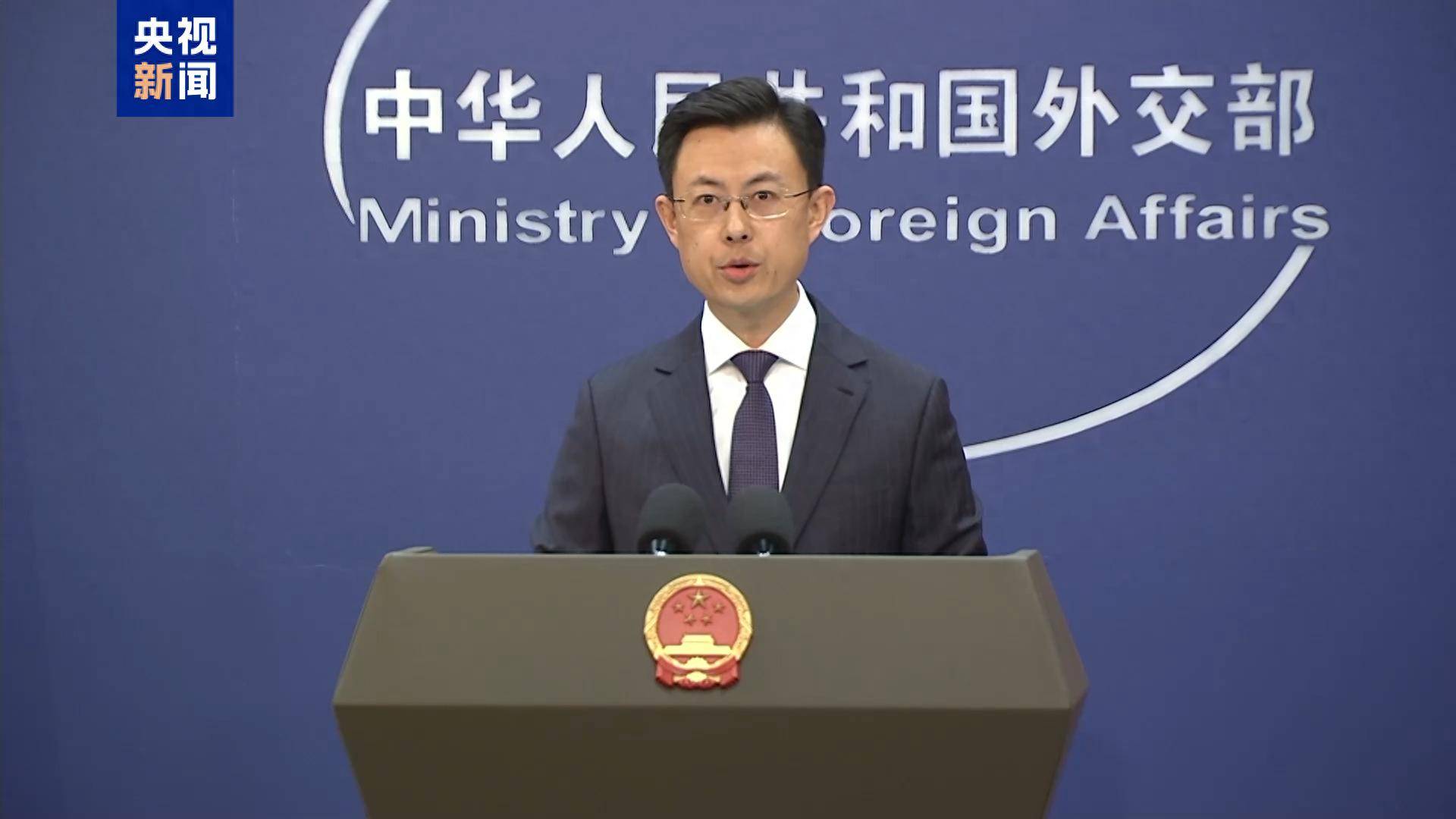
Group 1 - The core viewpoint of the article is that Trump's actions over the past year have significantly shaken the international order established after World War II, but have not completely dismantled it [6][9]. - A CNN poll indicates that 58% of respondents view Trump's governance as a failure, with only 39% expressing overall satisfaction, a decline from 48% at the beginning of his term [2]. - In terms of specific issues, 64% of respondents believe Trump has performed poorly in controlling everyday prices, and 55% think his policies have worsened the overall economic situation [2]. Group 2 - A survey by the European Council on Foreign Relations shows that only 16% of Europeans view the U.S. as an ally, while 20% see it as a competitor or enemy, indicating a negative perception of the U.S. [4]. - In contrast, over 50% of respondents in various countries believe China's global influence will increase in the next decade, with many viewing China as a necessary partner or ally [5]. - The article suggests that Trump's administration is reshaping international security and economic orders, pushing allies to increase military spending and focusing on U.S. interests over international norms [8][9]. Group 3 - The potential acquisition of Greenland by the U.S. could have significant implications for international order, possibly leading to a domino effect in geopolitical dynamics [10]. - The article emphasizes that Trump's approach prioritizes U.S. interests, often at the expense of international law and alliances, marking a shift in the value system that has underpinned global relations [8]. - The restructuring of international economic order through tariffs and trade agreements aims to revitalize U.S. manufacturing and increase government revenue [9].
就职一周年,如何评价特朗普的表现
Jing Ji Guan Cha Wang· 2026-01-19 03:33
2026年1月20日,是特朗普第二次就任美国总统一周年。 1月15日,欧洲知名智库欧洲对外关系委员会(ECFR)发布了一篇关于最新调查结果的新闻稿,标题是 《特朗普是怎样让中国再次伟大的,这对欧洲意味着什么》(How Trump is making China great again, and what it means for Europe)。 该调查于2025年11月在15个欧洲国家和包括中国在内的6个非欧洲国家进行。调查结果显示,受访者对 美国的态度和对中国的态度形成鲜明的反差。 在对美国的态度方面:欧洲民众仅有16%的人认为美国是盟友,却有20%的人将其视为竞争者甚至敌 人。乌克兰人有39%将欧洲视为盟友,只有18%将美国视为盟友;在其他地区,对美国的观感也在恶 化。中国61%的受访者认为美国是威胁,只有19%的受访者认为欧盟是威胁。 在对中国的态度方面,所有受访国家的民众中,认为未来十年中国的全球影响力增强的比例均超50%。 对此前景,担忧者比例并不大。只有乌克兰和韩国的多数人将中国视为"对手或敌人"。在其他地区,越 来越多的人视中国为"盟友"。在南非(85%)、俄罗斯(86%)和巴西(73%),大 ...
牛新春:美对伊动武可能带来多重不确定性
Xin Lang Cai Jing· 2026-01-16 23:11
近日,美国拟对伊朗动武的传言引发国际社会广泛关注。1月15日,联合国安理会就中东局势举行紧急 公开会,中国常驻联合国代表团临时代办孙磊大使在会上的发言中指出,中方一贯主张遵守联合国宪章 宗旨和国际法,反对在国际关系中使用或威胁使用武力,反对将本国意志强加于别国,反对世界倒退 回"丛林法则"。中方支持维护伊朗主权、安全和领土完整,呼吁国际社会支持伊朗政府和人民克服当前 困难,维持国家安全和社会稳定。 近年来,在美伊数次交锋中,伊朗一直保持克制,均未采取实质性的报复行动:2020年,美国"定点清 除"伊朗伊斯兰革命卫队"圣城旅"指挥官苏莱曼尼,伊朗仅象征性打击美军驻伊拉克基地;2025年,美 国空袭伊朗核设施,伊朗亦仅象征性袭击美军驻卡塔尔基地作为反击。伊朗此前虽表现出克制,但并不 意味着其会一直延续该策略。美国情报部门预估,伊朗完全可能再度袭击卡塔尔、叙利亚、伊拉克等地 与美国相关的目标,且德黑兰已宣称若遭到攻击将打击以色列。如果最坏局面出现,美伊爆发全面冲 突,中东将陷入混乱之中,美国也难以全身而退。 美国对伊动武还将面临人员伤亡情况超过可接受程度的风险。在此前的军事行动中,美国官方并未宣布 出现人员死亡,这 ...
“那一晚,我失去了曾经的战友”
Xin Lang Cai Jing· 2026-01-15 20:26
美国3日凌晨对委内瑞拉发动大规模军事打击,美军突入委首都加拉加斯,强行控制委总统马杜罗及其 妻子并将他们带到美国。 时钟拨回那天凌晨。加拉加斯一处广场上,乌赛切照常在市政岗位值守,曾经的战友迪亚斯则在临近的 军事设施执勤。 "先是听见很远的飞机声,很不正常,那时候不该有训练。"几秒后,灯光骤然熄灭,广场陷入黑暗,紧 接着第一声爆炸传来,震动透过地面扑来,"不重,但很清楚"。凭着经验,他判断炸点距离不超过两公 里。 恐慌迅速蔓延,他脑子里蹦出的第一个念头不是逃,而是去寻找58岁的同事迪亚斯。停电的黑暗中,乌 赛切找不到摩托车,只好狂奔。迪亚斯被发现的时候,瘫倒在地,浑身发抖:"乌赛切,我们怎么办? 炸弹要落在这里怎么办?" 委内瑞拉首都加拉加斯的夜色降临,退役军人、现市政工作人员乌赛切走在街头,巡视着自己辖区内的 路灯、下水道等设施。忽然路上一辆车呼啸而过,他本能地一惊——因为那一晚的爆炸声,在他记忆里 挥之不去。 "那一晚,我失去了曾经的战友。"乌赛切轻声告诉记者。 9年前,乌赛切进入委内瑞拉一所军校的士官班,他在那里结识了迪亚斯,两人同住一间宿舍。乌赛切 回忆说:"每次他家人来看他,他都会主动去叫我和几名生 ...
波兰总理:美武装干预将对国际秩序造成根本性破坏
Xin Lang Cai Jing· 2026-01-15 17:23
【波兰总理:美武装干预将对国际秩序造成根本性破坏】智通财经1月16日电,据央视新闻报道,波兰 总理图斯克在新闻发布会上表示,波兰不打算向格陵兰岛派兵。他指出,美国可能的武装干预将对国际 秩序造成根本性破坏。图斯克认为,鉴于美国总统特朗普迄今为止的行动,任何情况都有可能发生。 转自:智通财经 ...
联合国专家:改变格陵兰岛地位将破坏北极地区稳定
Xin Lang Cai Jing· 2026-01-15 06:02
联合国7名专家14日发表联合声明说,任何单方面改变格陵兰岛作为丹麦自治领地的企图,不仅违反国 际法,还可能破坏北极地区乃至更广泛地区的稳定。 作者: 石松 声明指出,美国的军事侵略模式包括对数个主权国家发动攻击、大量法外杀戮、将关税武器化以及多层 面的胁迫性外交。声明警告说:"如果这种行为被容忍,将使国际关系中的违法行为常态化,并可能对 全球秩序造成致命且不可逆转的破坏。" 格陵兰岛位于北美洲东北方,是世界第一大岛,也是丹麦自治领地,有高度自治权,国防和外交事务由 丹麦政府掌管。美国目前在格陵兰岛设有一处军事基地。美国总统特朗普多次扬言要得到格陵兰岛,并 声称不排除动用武力的可能性。 来源:新华社 联合国人权理事会国际秩序独立专家卡特鲁加洛斯、联合国原住民权利特别报告员巴鲁梅、联合国发展 权问题特别报告员德瓦等7名联合国专家在声明中表示,美国总统就格陵兰岛发表的言论令他们深感关 切,其中包括暗示应将该地区置于美国控制之下,甚至可能通过使用武力来实现这一目标的说法。 声明说:"任何声称某一领土可以为了所谓国家安全或经济利益而被另一国占有、控制或'拥有'的说 法,都会唤起一种国际社会早已摒弃的殖民统治逻辑。这种言 ...
炸锅!特朗普自封委内瑞拉代总统,一人兼两国职,国际秩序要乱了
Sou Hu Cai Jing· 2026-01-15 04:54
相反,特朗普迅速调整策略,转而通过司法程序对美联储主席鲍威尔展开调查,并积极推动自己的亲信进入货币政策决策层,采取软硬结合的方式,意图掌 控央行的实际权力。小玖认为,这种直接冲击中央银行独立性的做法,远比任何财政或税收调整更为危险。如果美联储沦为短期选举周期的政治工具,那么 货币政策将失去其应有的专业性和前瞻性,这不仅可能引发美元的剧烈波动,还将动摇美债市场的信心,进而影响全球的资本流动与金融稳定。 在国际舞台上,特朗普擅自宣布自己为他国代理元首的行为,已然越界,触及了现代外交体系的根本底线。二战后建立的国际秩序,以国家主权平等为核心 原则,而特朗普则通过社交媒体这一平台,实施了一种象征性吞并的行为,公然嘲弄国际法的基本规范。尤为关键的是,这种行为背后并非一时冲动,而是 具有明确的战略意图。 哈喽,各位朋友,今天小玖要和大家讨论一件可能改变全球政治格局的重大事件。最近,美国总统特朗普在社交平台上掀起了轩然大波,他公然宣称:国际 法对我没有约束力,唯有道德能左右我的行为。这一言论无疑传递出一个震撼人心的信号,激起了广泛的讨论。更令人瞠目结舌的是,特朗普竟然单方面宣 布自己为委内瑞拉代总统,创造了史无前例的政治现 ...