
无核三原则

Search documents
视频|日本参议院议员:“日本拥核”言论威胁地区安全 令人担忧
Xin Lang Cai Jing· 2026-01-17 04:24
"日本政府扩充军备违背日本宪法" 高良沙哉指出,当前日本政府扩充军备的动向完全违背日本宪法,是日本政治路线上的严重问题。 日本参议院议员 高良沙哉:从日本宪法的立场来看,本来就不应当采取通过强化军备来保障安全的方 针。而如今却在军备扩张方面投入了极大精力,这本身就是一个严重问题。 (来源:中工网) 日本社会对高市早苗错误言论,以及政府在军备和核政策上的动向表达强烈担忧。日本参议院议员高良 沙哉表示,日本在强化军备的同时,在核政策上出现严重偏差,这不仅加剧地区紧张局势,更直接威胁 到地区安全。 日本参议院议员 高良沙哉:我认为这是完全不可接受的。日本是一个遭受过核爆的国家,是最清楚核 威胁的国家之一。而这样一个国家竟然公开谈论拥有核武器的问题,甚至试图修改"无核三原 则"中,"不运进"核武器这一条原则。这本身就是极其严重的问题。 "高市早苗应尽快撤回错误言论" 针对日本首相高市早苗日前发表的错误言论,高良沙哉表示必须尽快撤回。 日本参议院议员 高良沙哉:高市早苗发表这种挑衅他国的言论,是非常严重的问题,必须尽快对事实 进行认真梳理,并撤回相关言论。 ...
高市要重新审视“无核三原则” 日本22个民间团体集体抗议
Zhong Guo Xin Wen Wang· 2026-01-15 12:36
据此前报道,"无核三原则"指不拥有、不制造、不引进核武器。1967年,时任日本首相佐藤荣作在国会 发言时提出了"无核三原则"。这一原则于1971年在日本众议院全体会议上通过,成为日本政府关于核武 器的基本政策。 中新网1月15日电 据日本长崎电视台报道,14日,针对日本首相高市早苗及其政权内部出现重新审 视"无核三原则"的言论,长崎的22个民间团体联合发表抗议声明。 2022年,日本政府通过的"安保三文件"也明确写入坚持"无核三原则"的基本方针不会改变。然而据日本 媒体披露,高市正企图在修订《国家安全保障战略》等"安保三文件"时,修改"无核三原则"中不引进核 武器的原则,引发日本国内强烈担忧。 据报道,声明对高市政权考虑重新审视"无核三原则",以及首相官邸相关人员关于"日本应拥有核武 器"的发言,表示强烈反对。 长崎县和平运动中心核爆受害者联络协议会负责人川副忠子表示,"日本正一步步走向一个可以发动战 争的国家。希望高市能亲自去广岛和长崎的资料馆,听听核爆受害者的亲身经历。" 声明中除了提出抗议外,还强烈要求"将无核三原则法制化"。 据介绍,该声明已于1月13日邮寄至日本首相官邸及各政党总部。 ...
钟声:三问日本,撕开其所谓“和平国家”的假面
Ren Min Ri Bao· 2026-01-15 03:24
Group 1 - The core argument of the articles highlights the contradiction between Japan's self-portrayal as a "peaceful nation" and its actual military expansion and strategic shifts, raising concerns about its true intentions [1][4] - Japan's "Peace Constitution," which has historically restrained military expansion and promoted peaceful relations with neighboring countries, is increasingly viewed by right-wing factions as an obstacle to national normalization, leading to actions that undermine its original intent [2][3] - The Japanese government's inclination towards nuclear armament, including potential modifications to the "Three Non-Nuclear Principles," poses a significant threat to regional security and the global non-proliferation regime, as Japan has been a major producer and stockpiler of plutonium [3][4] Group 2 - Japan's recent actions, including interference in Taiwan issues and the promotion of "China threat" narratives, have exacerbated tensions with neighboring countries and raised alarms about its role in regional stability [3][4] - The historical context of Japan's militaristic past, particularly during World War II, is invoked to caution against its current trajectory towards militarization, which mirrors past strategies of deception and aggression [4] - The international community is urged to remain vigilant and recognize the underlying motives behind Japan's actions, as they may threaten both regional and global peace [4]
三问日本,撕开其所谓“和平国家”的假面(钟声)
Ren Min Ri Bao· 2026-01-14 23:58
Core Viewpoint - Japan's current strategic direction poses significant risks, as the government promotes military expansion while publicly advocating for peace, revealing a stark contrast between rhetoric and actions [1][4]. Group 1: Japan's Military Expansion - Prime Minister Suga Yoshihide's push to revise the "Security Three Documents" aims to strengthen Japan's independence and peace, yet this contradicts the country's self-portrayal as a "peaceful nation" [1]. - Japan's right-wing factions view the "Peace Constitution" as an obstacle to national normalization, leading to actions that undermine its original intent, such as the relaxation of military restrictions and increased defense spending [2]. - The government is moving towards a "new militarism," with policies that effectively nullify the principles of self-defense and implicitly accept the right to engage in warfare [2]. Group 2: Nuclear Policy and Regional Stability - Japan's government is showing signs of a nuclear ambition by considering modifications to its "Three Non-Nuclear Principles," which could destabilize regional security and challenge international non-proliferation norms [3]. - The country has a significant stockpile of plutonium, far exceeding its civilian energy needs, raising concerns about its nuclear intentions and potential impacts on global strategic stability [3]. - Japan's involvement in regional tensions, particularly regarding Taiwan and its relations with neighboring countries, exacerbates conflicts and undermines peace efforts in Asia [3]. Group 3: Historical Context and International Perception - Japan's historical militarism and aggressive foreign policy during World War II serve as a cautionary tale, as current actions echo past strategies of deception and military buildup under the guise of peace [4]. - The international community is urged to remain vigilant and recognize the true intentions behind Japan's "peaceful" facade, as the country navigates a dangerous path towards militarization [4].
人民日报钟声:三问日本,撕开其所谓“和平国家”的假面
Xin Lang Cai Jing· 2026-01-14 22:46
Group 1 - Japan's Prime Minister, Sanae Takaichi, is promoting the revision of the "Security Three Documents" to strengthen Japan's "independence and peace," highlighting a contradiction between rhetoric and actions, revealing the dangerous direction of Japan's current strategy [1][2] - Japan has long portrayed itself as a "peaceful nation," attempting to whitewash its militaristic past, but recent actions raise doubts about its true intentions, including the gradual erosion of its "Peace Constitution" [2][3] - The "Peace Constitution," effective since 1947, has constrained Japan's military expansion and sent a "non-war" signal to neighboring countries, but right-wing factions view it as an obstacle to "normalizing" the nation, leading to actions that undermine its original intent [2][3] Group 2 - Japan's government is showing signs of nuclear ambitions by considering modifications to its "Three Non-Nuclear Principles," which could destabilize regional security and challenge the authority of international non-proliferation treaties [3][4] - The current Japanese administration is provoking tensions in the region, particularly regarding Taiwan, and is accused of stirring up "China threat" narratives, which complicate relations with neighboring countries [3][4] - Japan's historical militaristic tendencies are resurfacing, with parallels drawn to its actions before World War II, as it seeks to create conditions for strategic maneuvering under the guise of peace [4]
视频丨日本民间团体:反对日本政府军事扩张路线
Yang Shi Xin Wen Ke Hu Duan· 2026-01-13 13:14
Core Viewpoint - A civil group in Nagaoka City, Niigata Prefecture, Japan, held a peace study meeting opposing the government's military expansion policy, arguing it contradicts post-war peace principles and may escalate regional tensions [1]. Group 1: Opposition to Military Expansion - Participants emphasized that Japan's constitution advocates for non-aggression and disarmament, urging adherence to these principles [3]. - The "Three Non-Nuclear Principles" should remain unchanged, asserting Japan must not possess or manufacture nuclear weapons [5]. - Organizers argued that relying solely on military expansion does not enhance security but may deepen confrontational sentiments, advocating for dialogue and cooperation instead [6]. Group 2: Criticism of Political Statements - The vice president of the Niigata Peace Committee criticized remarks made by a political figure, calling for their retraction [8]. - The president of the Niigata Peace Committee expressed a desire for citizens' movements and elections to prompt the government to reconsider its current policies [9]. - Participants condemned the political figure's statements as interference in China's internal affairs, highlighting the historical context of Japan's acknowledgment of Taiwan as part of China [10].

多个日本民间团体反对重启柏崎刈羽核电站
Yang Shi Xin Wen· 2026-01-12 00:41
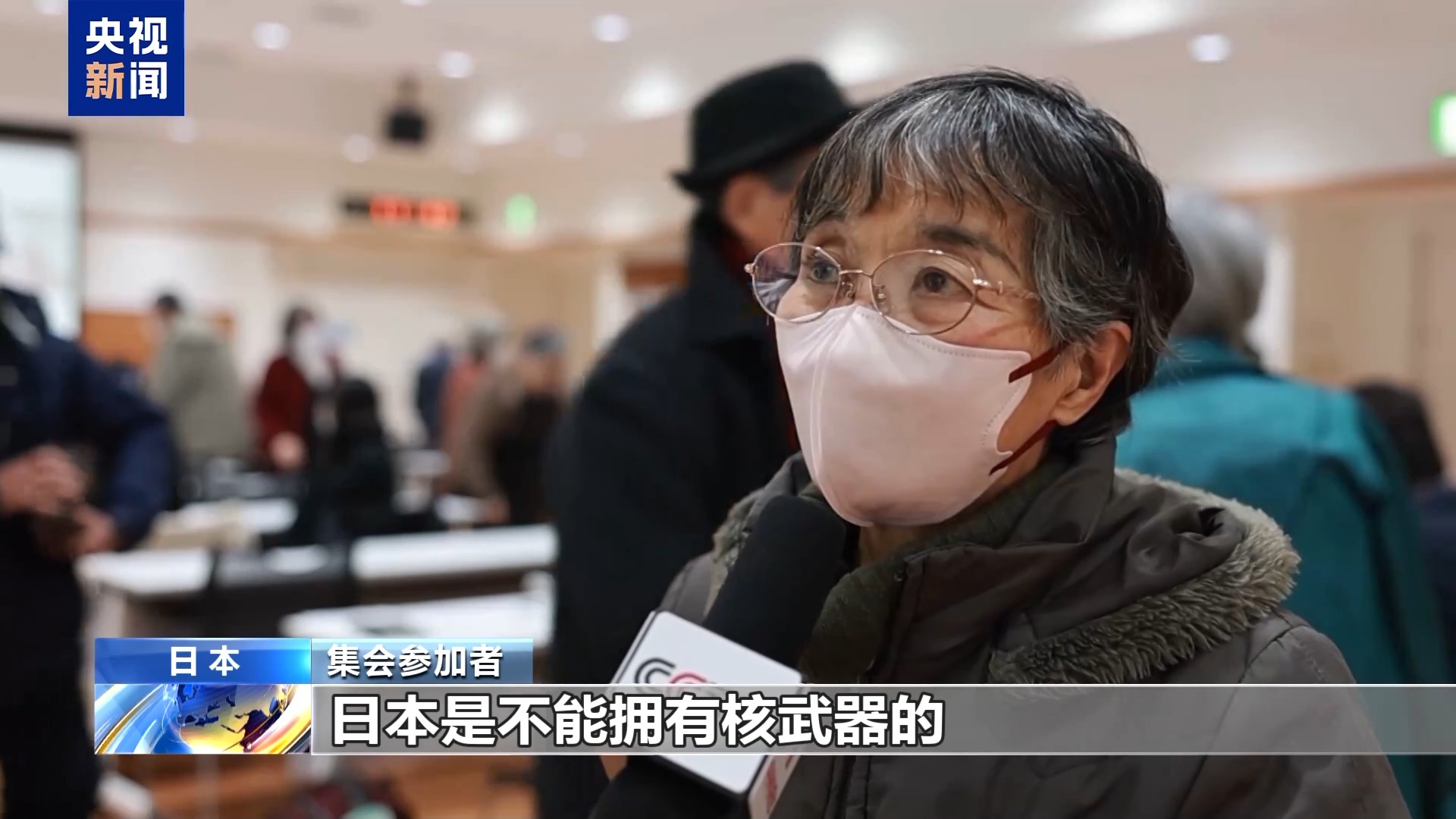
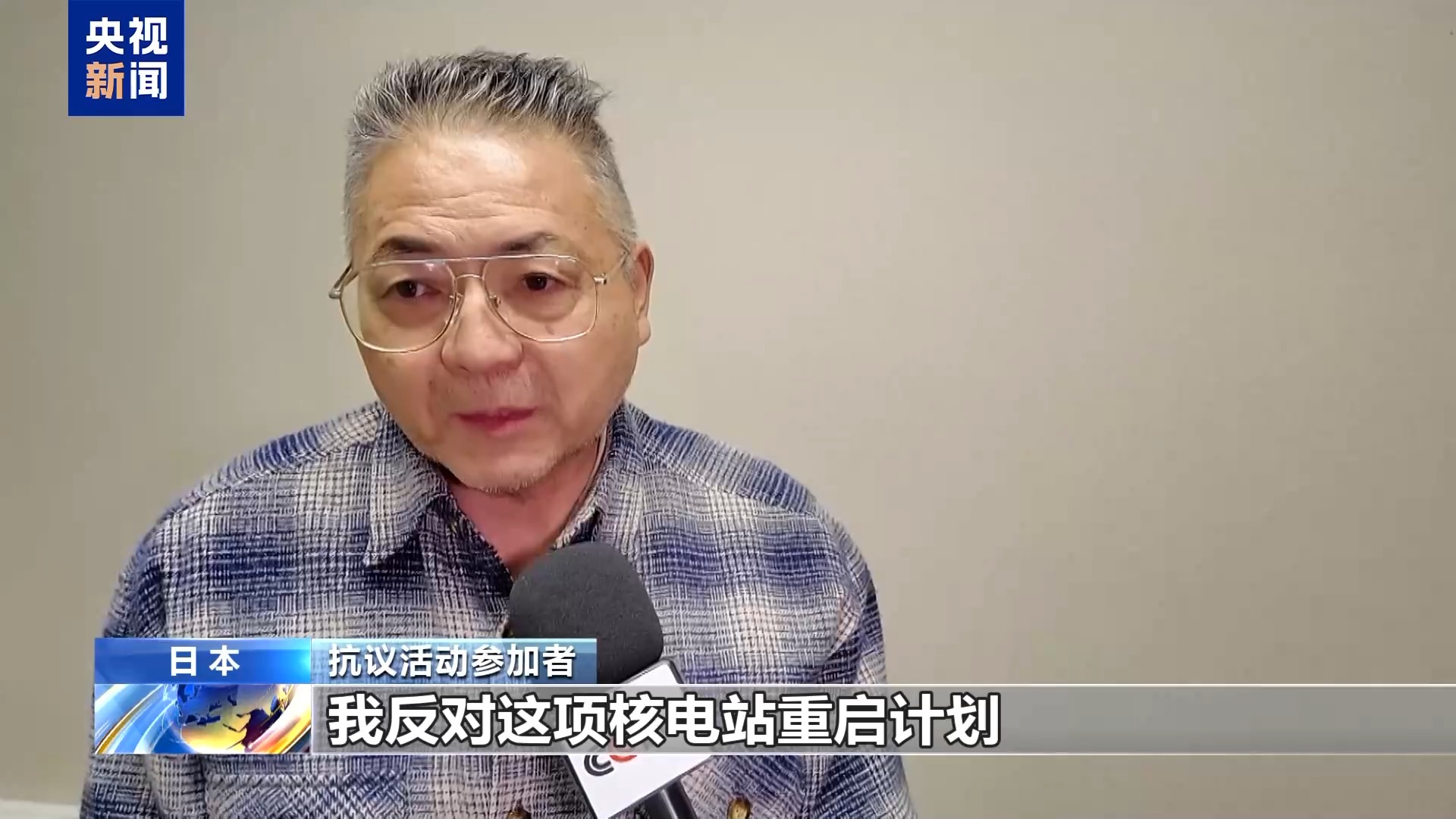
Core Viewpoint - There is strong opposition from local citizens in Niigata Prefecture against the restart plan of the Kashiwazaki-Kariwa Nuclear Power Plant, citing safety concerns due to aging facilities and the track record of Tokyo Electric Power Company (TEPCO) [1][3]. Group 1: Public Opposition - Multiple civic groups in Niigata Prefecture held protests against the restart of the Kashiwazaki-Kariwa Nuclear Power Plant, emphasizing the potential safety risks associated with the aging infrastructure [1][3]. - Protesters expressed distrust in TEPCO, highlighting the company's history of cover-ups and deception, and called for the government to reconsider the restart plan to prioritize the safety of residents and the local environment [6][10]. - Participants in the protests voiced concerns about the implications of restarting the plant while the aftermath of the Fukushima disaster remains unresolved, particularly regarding the health of local children and workers exposed to radiation [8][10]. Group 2: Broader Concerns - Protesters also expressed strong concerns regarding the government's push to amend the "Three Non-Nuclear Principles" and relax restrictions on arms exports, fearing a shift in Japan's nuclear policy [11]. - The sentiment among protesters is that Japan, as the only country to have experienced nuclear bombings, should maintain a firm stance against nuclear weapons, advocating for the preservation of the "Three Non-Nuclear Principles" [13]. - There is a recognition that Japan's nuclear issues extend beyond just nuclear power plants, emphasizing the need for continued advocacy and expression of concerns regarding nuclear policies [15].
视频丨长崎及广岛市要求日本政府坚持“无核三原则”
Yang Shi Xin Wen Ke Hu Duan· 2026-01-10 09:17
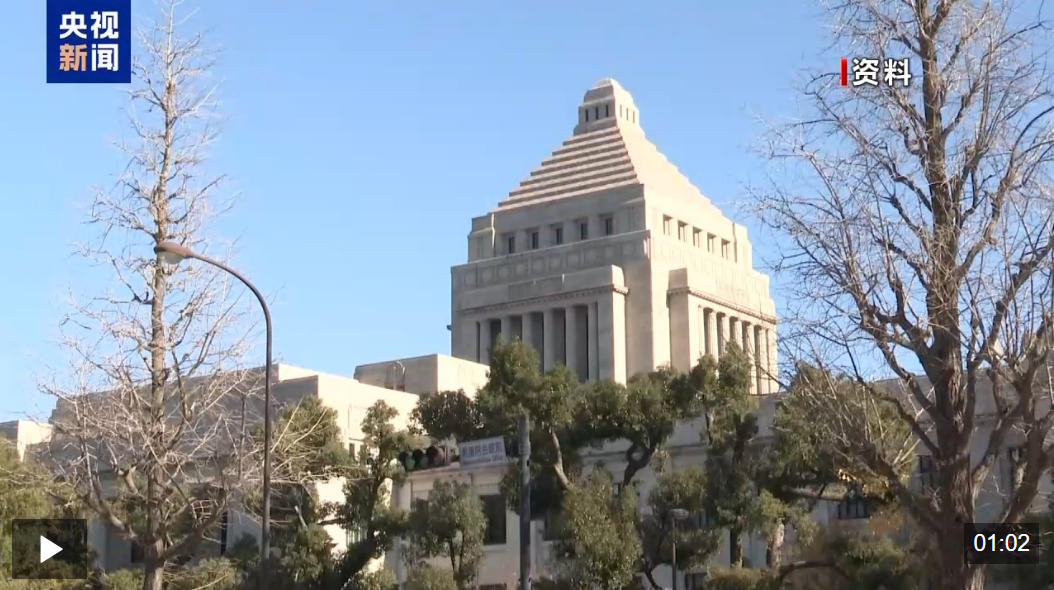
Group 1 - The Nagasaki and Hiroshima city councils passed resolutions on the 8th and 9th, respectively, urging the Japanese government to uphold the "Three Non-Nuclear Principles" which state "not possessing, not producing, and not allowing the introduction of nuclear weapons" [2][3] - The Nagasaki city council's resolution emphasized that previous Japanese cabinets have consistently upheld the "Three Non-Nuclear Principles" as a national policy and expressed strong opposition to any attempts by the government to amend these principles [2] - The Hiroshima city council unanimously passed a resolution expressing concerns over the ruling party's attempts to modify the "Three Non-Nuclear Principles" and urged the government to take the sentiments of the citizens of the atomic bombed cities seriously [2] Group 2 - The "Three Non-Nuclear Principles" were officially adopted as national policy by the Japanese Diet in 1971, and the 2022 "Security Three Documents" reaffirmed that the basic stance of adhering to these principles would not change [3] - Japan's adherence to the "Three Non-Nuclear Principles" has been a significant measure for the international community to assess whether Japan is genuinely pursuing a path of peaceful development [3] - There are concerns regarding Prime Minister Sanae Takaichi's consideration to amend the principle of not allowing the introduction of nuclear weapons during the revision of the "Security Three Documents" [3]
视频|长崎及广岛市要求日本政府坚持“无核三原则”
Xin Lang Cai Jing· 2026-01-10 09:08
Core Viewpoint - The Nagasaki and Hiroshima city councils have passed resolutions urging the Japanese government to uphold the "Three Non-Nuclear Principles," which state that Japan will not possess, manufacture, or introduce nuclear weapons [1] Group 1: Legislative Actions - The Nagasaki City Council passed a resolution on the 8th, emphasizing that previous Japanese cabinets have consistently upheld the "Three Non-Nuclear Principles" and that any attempt to amend these principles is "absolutely unacceptable" [1] - The Hiroshima City Council unanimously passed a resolution on the 9th, expressing strong concerns over the ruling party's attempts to modify the "Three Non-Nuclear Principles" and urging the government to take the sentiments of the atomic bomb victims seriously [1] Group 2: Historical Context - The "Three Non-Nuclear Principles" were officially adopted as national policy by the Japanese Diet in 1971 and were reaffirmed in the 2022 "Security Three Documents," which stated that the fundamental stance of adhering to these principles would not change [1] - Japan's commitment to the "Three Non-Nuclear Principles" has been a significant measure for the international community to assess whether Japan is genuinely pursuing a path of peaceful development [1] Group 3: Government Considerations - Prime Minister Fumio Kishida is reportedly considering modifying the principle regarding the introduction of nuclear weapons during the revision of the "Security Three Documents" [1]
日媒社论:日本政府强军扩武威胁地区和平、损害国计民生
Xin Lang Cai Jing· 2026-01-10 08:09
Core Viewpoint - The Japanese government's military expansion plans threaten regional peace and negatively impact the livelihoods of its citizens [1] Group 1: Military Spending and Policy Changes - In 2026, Japan will face a critical year opposing large-scale military expansion [1] - The government plans to increase defense spending to approximately 43 trillion yen for the fiscal years 2023 to 2027 [1] - The defense budget for fiscal year 2025 is set to reach about 11 trillion yen, achieving the target of defense spending constituting 2% of GDP two years ahead of schedule [1] - This translates to an annual defense cost burden of over 90,000 yen per citizen [1] Group 2: Arms Export and Nuclear Policy - The government is seeking to fully lift restrictions on the export of lethal weapons and amend the "Three Non-Nuclear Principles" [2] - If lifted, Japan could export not only logistical equipment but also combat aircraft and tanks, potentially escalating international conflicts [2] - The proposed changes to the "Three Non-Nuclear Principles," which have been a cornerstone of Japan's policy, are deemed unacceptable [2]