
美国移民政策

Search documents
美法官裁决特朗普禁止移民申请庇护政令违法
Xin Hua She· 2025-07-03 04:31
Core Viewpoint - The U.S. District Court for the District of Columbia ruled that Trump's executive order issued on January 20, aimed at preventing border-crossing immigrants from seeking asylum or applying for deferred deportation, is illegal and applies nationwide [1][2]. Summary by Relevant Sections - **Court Ruling Details** - The ruling, delivered by Judge Randolph D. Moss in a 182-page opinion, stated that Trump's executive order labeled the increase in border crossings as an "invasion" and halted humanitarian screenings at the southern border, preventing entrants from applying for asylum or deferred deportation [1]. - The court emphasized that the executive order fundamentally conflicts with the protections established by the Immigration and Nationality Act, which guarantees anyone on U.S. soil the opportunity to seek asylum [1]. - **Legal Context and Implications** - The ruling is based on a class-action lawsuit filed by the American Civil Liberties Union, representing multiple immigrant rights groups and 13 asylum seekers, arguing that the executive order is "both illegal and unprecedented" [1]. - The court's decision will be delayed for 14 days to allow the Trump administration time to appeal; if no appeal is made, the government must resume processing all asylum applications after the ruling takes effect [1]. - **Government Response** - Following the ruling, the White House criticized the decision for circumventing the intent of the Supreme Court's recent ruling and announced plans to appeal [2].
“特朗普金卡”上线近一周销售情况如何?美商务部长:约7万人申请
第一财经· 2025-06-18 07:59
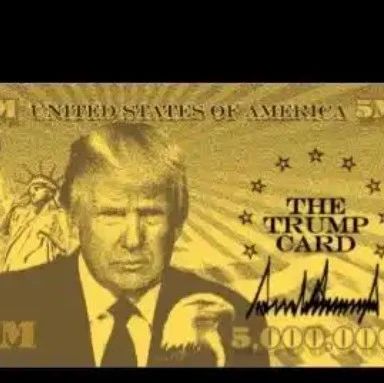
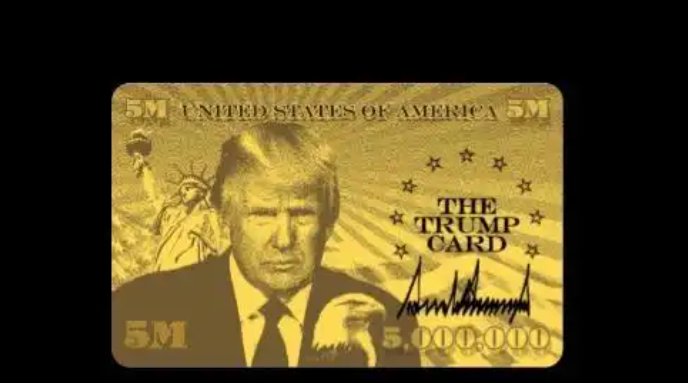
Core Viewpoint - The "Trump Card" program, introduced by the Trump administration, allows foreign citizens to obtain U.S. permanent residency by investing $5 million, with nearly 68,703 applications received within a week of its launch [1][2]. Group 1: Program Details - The "Trump Card" is designed to attract business leaders and institutions seeking U.S. residency for themselves or their employees [4]. - The card will be made of gold and features symbols of American identity, including the President's portrait and the U.S. flag [3][4]. - The initiative aims to generate revenue for the U.S. government and help reduce the national debt of $36 trillion [4]. Group 2: Comparison with Existing Programs - The "Trump Card" is proposed to replace the existing EB-5 visa program, which requires a $1.8 million investment for permanent residency [4]. - In the previous year, approximately 14,000 EB-5 visas were issued, highlighting the potential scale of the new program [4]. Group 3: Legal and Practical Concerns - Critics question the legality of the "Trump Card," suggesting it lacks legislative backing and may face challenges from the Office of Management and Budget [5]. - The program is compared unfavorably to the established EB-5 program, which has a 30-year history and clear legal framework [5]. - Concerns are raised about the program's viability, as it may only attract a limited number of wealthy individuals, potentially requiring 2,000 buyers annually to meet revenue goals [6].

“特朗普金卡”上线近一周销售情况如何?美商务部长:约7万人申请
Di Yi Cai Jing· 2025-06-18 06:19
Core Points - The Trump administration's "Trump Card" program has attracted nearly 70,000 online applications within a week of its launch, allowing foreign citizens to obtain U.S. permanent residency by paying $5 million [1][3] - The card is made of gold and is intended to appeal to business leaders seeking residency for themselves or their employees, while also being promoted as a revenue-generating initiative to help reduce the U.S. national debt of $36 trillion [3] - The program is proposed to replace the existing EB-5 visa program, which requires a $1.8 million investment for permanent residency, and has issued approximately 14,000 EB-5 visas last year [3][4] Legal and Regulatory Concerns - Critics argue that the Trump Card program lacks legal foundation, as it does not have legislative text or a framework established by the U.S. Citizenship and Immigration Services (USCIS) [4] - Concerns have been raised regarding the program's compliance with established legal precedents, and it may face potential legal challenges or be rejected by the Office of Management and Budget (OMB) [4] - The program is viewed as a payment to the U.S. government without a clear investment component, contrasting with the EB-5 program that has a 30-year legal history [4] Market Viability - The program's success hinges on attracting wealthy individuals, with estimates suggesting that 2,000 buyers would be needed annually to generate $10 billion, which is less than 1% of the budget deficit [5] - There are uncertainties regarding whether Trump has the legal authority to create a new visa category without congressional involvement, raising questions about the market outlook for the program [4][5]
美媒:美政府考虑再禁36国公民入境,相关国家有60天时间满足美国新要求
Huan Qiu Shi Bao· 2025-06-16 22:48
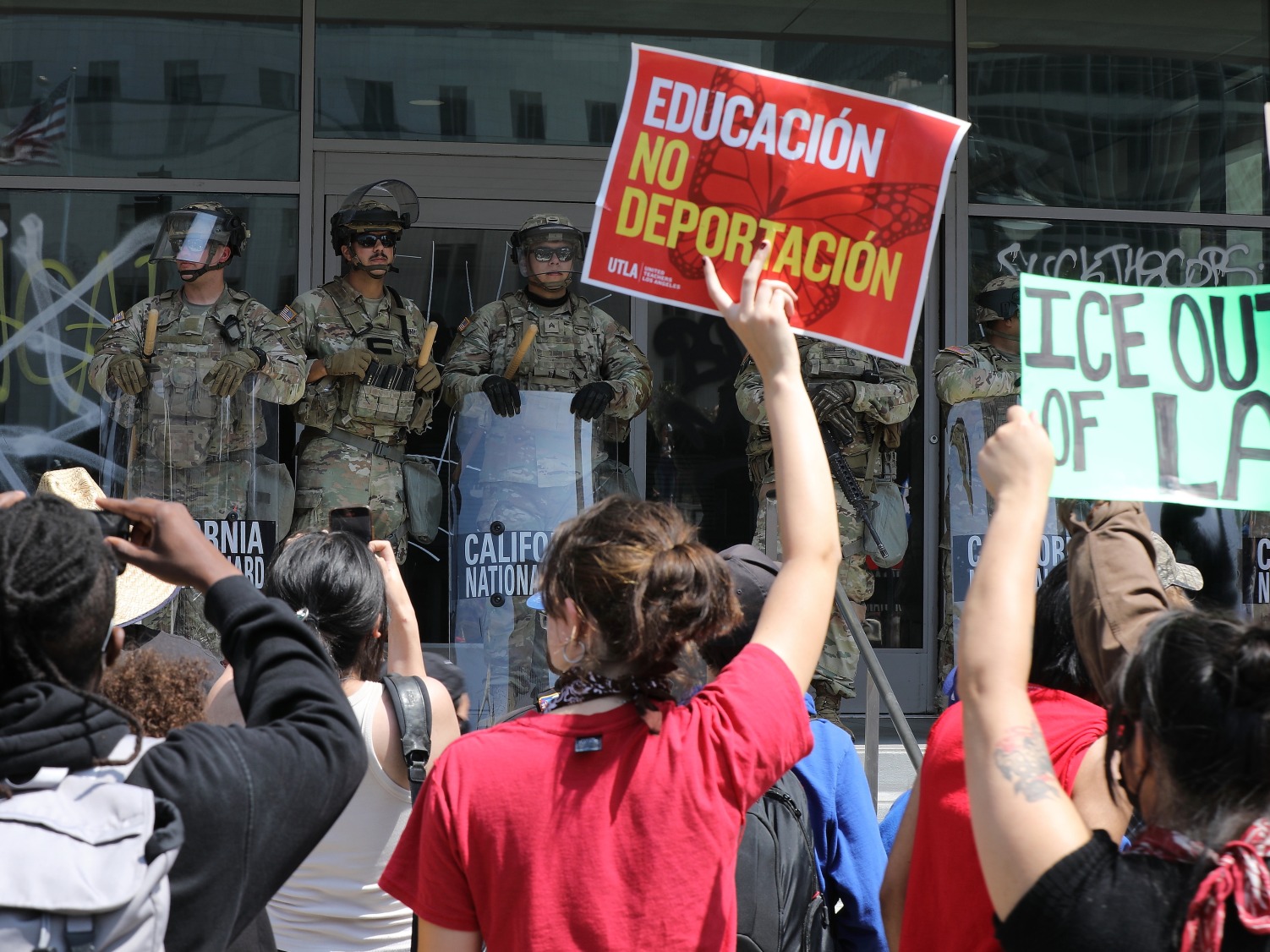
Core Points - The U.S. government is considering adding 36 countries to its travel ban list, which would mark a significant escalation in immigration control efforts [1][2] - The countries under review include Egypt, Djibouti, Angola, Ethiopia, Ghana, Nigeria, Kyrgyzstan, Cambodia, Tonga, Tuvalu, and Syria, among others [1][2] - The memorandum from the State Department outlines that these countries failed to meet requirements for easing entry restrictions due to issues like lack of reliable identification, government corruption, and citizens overstaying their visas [2] Immigration Enforcement - President Trump has called for increased detainment and deportation of illegal immigrants in major cities like Los Angeles, Chicago, and New York, labeling them as Democratic strongholds [3] - This initiative represents a comprehensive escalation of actions by the U.S. Immigration and Customs Enforcement (ICE), which has faced significant opposition from Democratic leaders [3] - The deployment of military forces to Los Angeles to quell protests against ICE raids has drawn criticism from California's governor and the mayor of Los Angeles [3]
洛杉矶44名移民被捕为何点燃全美怒火?特朗普移民政策或致近100万本土工人失业,美国GDP恐缩水1.7万亿美元
Mei Ri Jing Ji Xin Wen· 2025-06-14 08:28
Core Viewpoint - The protests in Los Angeles are a precursor to a nationwide movement, triggered by the arrests of 44 undocumented immigrants by ICE, reflecting deeper structural conflicts between the "Rust Belt" and "Sun Belt" regions of the U.S. [1][3] Group 1: Economic Impact of Immigration Policy - The U.S. economy could face a GDP loss of 4.2% to 6.8% (approximately $1.1 trillion to $1.7 trillion) if 1 million undocumented immigrants are deported annually until they are eliminated [1][10] - The construction industry could lose up to 1.5 million workers, agriculture could lose 225,000 workers, and the hotel industry could lose 1 million workers due to mass deportations [6][7] - A report indicates that deporting 500,000 undocumented immigrants could lead to approximately 44,000 native workers losing their jobs, and deporting all 11 million could result in 968,000 native job losses [7] Group 2: Tax Revenue and Government Costs - Undocumented immigrants contributed approximately $967 billion in taxes in 2022, with over one-third being payroll taxes that fund social security and Medicare [11] - The annual cost of deporting 1 million undocumented immigrants is estimated to be around $88 billion, which is significantly higher than the budgets of major government agencies [11] - The Social Security fund could lose about $23 billion annually, and the Medicare fund could lose around $6 billion if undocumented immigrants are fully deported [11] Group 3: Consumer Impact and Inflation - The removal of undocumented immigrants could lead to increased living costs for ordinary Americans, potentially causing inflation [8] - Research suggests that deporting 1.3 million immigrants could raise prices by 1.5%, while deporting 8.3 million could lead to a price increase of up to 9.1% by 2028 [8]
一张500万美元,特朗普移民“金卡”上线!特朗普:能还清国债,还能多赚15万亿美元
21世纪经济报道· 2025-06-12 06:15
Core Viewpoint - The introduction of the "Gold Card" by former President Trump aims to attract wealthy immigrants to the U.S. by offering a high-priced alternative to the existing EB-5 visa program, potentially generating significant revenue for the country [1][2][3]. Group 1: "Gold Card" Overview - The "Gold Card" is priced at $5 million and is intended for wealthy immigrants, providing similar rights to a green card without directly granting U.S. citizenship [1][2]. - The program is expected to have a high demand, with estimates suggesting that 37 million people worldwide could afford to purchase the card, and the goal is to sell 1 million cards [3]. Group 2: Economic Implications - Trump suggested that selling 10 million "Gold Cards" could eliminate the U.S. national debt and generate an additional $15 trillion [2]. - The "Gold Card" program is designed to stimulate the U.S. economy by creating jobs and attracting foreign investment, similar to the original intent of the EB-5 visa program [3]. Group 3: Comparison with EB-5 Visa - The "Gold Card" serves as a higher-priced alternative to the EB-5 visa, which was established in 1990 to encourage foreign investment in the U.S. [3]. - The new program aims to address potential fraud issues associated with the EB-5 visa, thereby enhancing the integrity of the immigration process [2][3]. Group 4: Legal Considerations - The "Gold Card" may be revoked if the holder violates U.S. laws, similar to the conditions applied to other immigration statuses [4].
全乱套了!美国十余城奋起反抗!特朗普兵力空虚,“内战”打响?
Sou Hu Cai Jing· 2025-06-12 02:35
Core Viewpoint - The article discusses the escalating tensions in the United States following the arrest of 44 undocumented immigrants in Los Angeles, leading to widespread protests and a significant military response from the Trump administration [1][3]. Group 1: Government Response - The Trump administration deployed 2,000 National Guard troops and approximately 700 Marines to Los Angeles to quell the protests, indicating a strong determination to restore order [1][3]. - The concentration of military forces in California has resulted in a noticeable depletion of resources in other regions, creating opportunities for protests to emerge in various cities across the country [3]. Group 2: Nationwide Protests - Protests have begun to organize in over a dozen cities, including Harrisburg, New York, Philadelphia, and Chicago, suggesting a nationwide movement with implications across different economic and cultural regions [3][4]. - The protests reflect deep-seated issues related to immigration policy, with significant divisions between the Democratic and Republican parties, particularly regarding Trump's hardline stance on immigration [4]. Group 3: State-Level Reactions - California Governor Gavin Newsom has vocally opposed the Trump administration's actions, mobilizing 800 state police to key areas and filing a lawsuit against the federal government for constitutional violations [4][6]. - The protests in California have seen thousands of demonstrators demanding the release of detained individuals, indicating strong local opposition to federal immigration policies [6]. Group 4: Legal Implications - The upcoming Supreme Court ruling on the legality of Trump's military deployment will be crucial, as a ruling in favor could undermine state autonomy and alter the balance of power between federal and state governments [6][8]. - Conversely, a ruling against the deployment could lead to increased state independence and exacerbate divisions between states and the federal government [6][8].
他下死命令,美移民局特工为卷KPI甚至到法庭外蹲点抓捕
Guan Cha Zhe Wang· 2025-06-11 08:00
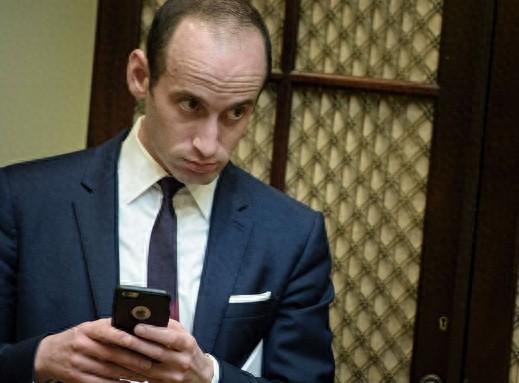
Core Viewpoint - The ongoing protests in Los Angeles are escalating tensions between the Trump administration and California government, particularly regarding immigration policies and enforcement actions [1][5]. Group 1: Immigration Enforcement Actions - Stephen Miller, a key figure in the Trump administration, expressed dissatisfaction with ICE's efforts to deport illegal immigrants and urged for more aggressive actions, including targeting temporary worker gathering spots like Home Depot and 7-11 [3][4]. - Following Miller's directives, ICE agents began conducting widespread arrests in various locations, leading to significant numbers of undocumented immigrants being detained without notifying their families or lawyers [3][8]. - ICE has reportedly set daily arrest quotas, and failure to meet these targets has resulted in consequences for agents, contributing to a more militarized approach to immigration enforcement [8][10]. Group 2: Public Response and Protests - The aggressive enforcement actions sparked protests in Los Angeles, with demonstrators clashing with law enforcement, who responded with tear gas and rubber bullets [5][7]. - The situation has drawn criticism from civil rights organizations, which argue that the current administration's tactics differ significantly from previous administrations, allowing for arrests without proper identification [10][11]. - The protests and ICE's actions have raised concerns about the safety and rights of immigrants, as well as the implications of such enforcement strategies on public perception and community relations [10][11].
想多了,美国是不会内战的
Hu Xiu· 2025-06-11 01:10
Core Viewpoint - The article discusses the political dynamics in California, particularly focusing on Governor Newsom's response to immigration policies and the tensions arising from them, as well as the implications for future elections and political maneuvering [1][17]. Group 1: Political Context - California is a hub for tech elites who are largely immigrants, and the anti-immigration policies of the Trump administration have created significant resentment among these groups [2][3]. - The article draws parallels between the current immigration tensions and the Black Lives Matter movement, suggesting that both are fueled by emotional responses rather than rational discourse [3][4]. Group 2: Governor Newsom's Strategy - Governor Newsom is leveraging the current political climate to position himself against Trump, aiming to attract swing voters by emphasizing the importance of immigration and state rights [7][17]. - Newsom's approach includes framing the immigration debate in a way that separates American interests from Trump's policies, thereby appealing to a broader audience [15][18]. Group 3: Implications for Future Elections - The article suggests that Newsom's actions are not just about immediate political gains but are also aimed at positioning himself for the 2028 presidential election [14][17]. - By focusing on the perceived threats to American law and political traditions posed by Trump, Newsom seeks to galvanize support among moderate voters [18][22]. Group 4: Broader Political Landscape - The article highlights the ongoing tensions within the U.S. political landscape, noting that while there are significant conflicts, the elite class tends to find compromises to maintain the status quo [21][26]. - It argues that the real conflict in America is not between different social classes but rather among the elite, who share common interests in preserving American hegemony [25][26].
美非法移民“围捕战”愈演愈烈 洛杉矶为何成为重灾区?
Yang Shi Xin Wen Ke Hu Duan· 2025-06-10 03:50
Core Viewpoint - The recent deployment of the National Guard in Los Angeles by President Trump has escalated tensions between federal authorities and local governments, particularly in response to increased immigration enforcement actions [1][3]. Group 1: Government Actions and Responses - President Trump signed a memorandum to deploy 2,000 National Guard personnel to Los Angeles to address ongoing protests related to immigration enforcement [1]. - California Governor Newsom announced plans to sue the federal government over the deployment of the National Guard, indicating a significant conflict between state and federal authorities [1]. - Los Angeles Mayor Karen Bass described the federal government's actions as a "dangerous escalation" that instills fear among local residents [1]. Group 2: Political Context and Implications - The conflicts in Los Angeles and other major cities are seen as a direct consequence of Trump's administration's aggressive immigration policies, which have intensified under his leadership [2][4]. - California, a stronghold for the Democratic Party, has historically opposed many of Trump's policies, making it a focal point for his administration's enforcement actions [3]. - The use of the National Guard and potential future deployment of federal military forces represent a significant shift in the relationship between state and federal governments, raising concerns about the implications for federalism in the U.S. [3]. Group 3: Societal Impact - The ongoing immigration enforcement actions are contributing to societal divisions, particularly as they disproportionately affect areas with high immigrant populations, such as Los Angeles [2][4]. - The Republican Party's stance on immigration reflects a broader concern about the declining status and influence of the white demographic in the U.S., leading to heightened tensions and conflicts within society [4].