
药品集中带量采购

Search documents
浏阳经开区4家药企8个药品拟纳入第十一批国家集采
Chang Sha Wan Bao· 2025-10-31 12:11
Core Insights - The 11th batch of national organized drug centralized procurement results has been announced, with 55 drugs selected, covering various therapeutic areas such as anti-infection, anti-allergy, anti-tumor, and more [1][2] - A total of 272 companies with 453 products have been proposed for selection, indicating a significant participation from the pharmaceutical industry [1] - The procurement aims to stabilize clinical use, ensure quality, counteract price wars, and prevent collusion in bidding processes [1] Group 1: Selected Companies and Products - Hunan Jiutian Pharmaceutical Co., Ltd. has 11 products selected in total, including Dapagliflozin tablets and Nicorandil tablets [1] - Hunan Warner Pharmaceutical Co., Ltd. has 22 products selected for national or regional procurement, including Benidipine Hydrochloride tablets [2] - Hunan Xianshi Pharmaceutical Co., Ltd. has three drugs selected, including inhalation solutions and capsules for treating various conditions [2] Group 2: Pricing and Market Impact - The centralized procurement process has significantly reduced drug prices, alleviating the financial burden on patients [2] - For instance, the price of imported Malatoparib tablets was previously between 4000 to 5000 yuan, while the locally produced version is priced under 40 yuan [2] - This pricing strategy aims to break the monopoly of imported drugs and enhance patient accessibility [2] Group 3: Company Innovations and Investments - Mingrui Pharmaceutical has invested over 400 million yuan in new drug research and development, successfully launching numerous new products [3] - The company’s selected product, Rosasthit capsules, is aimed at treating anemia caused by chronic kidney disease [3] - Mingrui's commitment to innovation is evident through its continuous product development and market introduction [3]

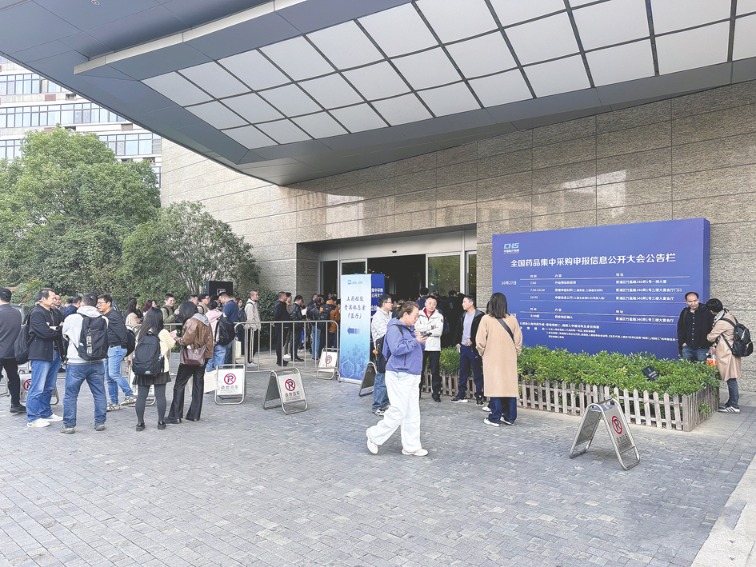
第十一批国家药品集采开标,华纳药厂盐酸贝尼地平片拟中选
Chang Sha Wan Bao· 2025-10-31 10:25
Group 1 - The core point of the article is the successful selection of Hunan Warner Pharmaceutical Co., Ltd.'s Benidipine Hydrochloride Tablets in the 11th batch of national centralized drug procurement, highlighting the company's competitive edge in the pharmaceutical market [1][2] - The centralized procurement included 55 types of commonly used drugs across various therapeutic areas, with participation from 4.6 million medical institutions and 445 companies submitting bids [1] - Benidipine Hydrochloride Tablets are a long-acting third-generation dihydropyridine calcium antagonist used for treating primary hypertension and angina, addressing a significant health concern in China where cardiovascular diseases affect 330 million people [2] Group 2 - The national procurement emphasizes "stabilizing clinical use and ensuring quality," raising the quality control standards for participating companies [3] - Warner Pharmaceutical has maintained a 100% pass rate in national quality inspections for its procurement products, establishing a strong quality brand [3] - The company has actively embraced centralized procurement policies, with 22 products selected in national or regional procurements, demonstrating its adaptability to policy changes [3]
第十一批集采拟中选结果公示:445家企业竞逐55种药品
Mei Ri Jing Ji Xin Wen· 2025-10-30 15:16
Core Insights - The eleventh round of national organized drug procurement has been completed, involving 55 types of commonly used medications across various therapeutic areas, with 4.6 million medical institutions participating and 272 companies winning bids for 453 products [1][3][8] Group 1: Procurement Results - A total of 445 companies participated in the bidding, marking the largest scale in the history of drug procurement [5] - The average selection rate for products was approximately 57%, with about 60% of participating companies winning bids [8][11] - The procurement aims to ensure that selected products meet clinical needs, with 75% of medical institutions' procurement requests being satisfied [7] Group 2: Quality and Competition - The procurement process has set higher qualification thresholds for bidding companies to ensure quality, requiring production experience and compliance with quality management standards [7][8] - Measures have been implemented to prevent extreme low pricing and promote rational bidding, including the introduction of a "reference price" and a revival mechanism [7][8] - The competitive landscape remains intense, with companies needing to adjust their strategies to focus on product quality and brand building rather than solely on cost-cutting [9][10] Group 3: Regulatory Changes - New regulations require companies bidding below the "reference price" to provide a justification for their pricing, detailing cost structures [11] - Companies that fail to submit the required justification during the public announcement period risk losing their selection status and being placed on a "violation list" [11] - The procurement process is expected to positively impact the market presence and operational performance of selected companies, as medical institutions will prioritize the use of selected drugs [11]

复星医药前3季营收扣非净利双降 靠出售资产拉升净利
Zhong Guo Jing Ji Wang· 2025-10-30 03:01
Core Viewpoint - Fosun Pharma plans to spin off its subsidiary Fosun Antigen (Chengdu) Biopharmaceutical Co., Ltd. for a listing on the Hong Kong Stock Exchange to enhance corporate governance and sustainable development, aiming to maximize shareholder value [1] Group 1: Company Overview - Fosun Antigen was established in July 2012 and is primarily focused on the research, production, and sales of human vaccines, with a technology platform for both bacterial and viral vaccines [1] - Fosun Pharma holds approximately 70.08% of Fosun Antigen, while 17 other shareholders collectively own about 29.92% [1] Group 2: Financial Performance - In 2024, Fosun Antigen reported a revenue of RMB 97.42 million and a net loss of RMB 123.39 million; for the first half of 2025, revenue was RMB 153.16 million with a net loss of RMB 58.45 million [1] - For the third quarter of 2025, Fosun Pharma's revenue was RMB 9.879 billion, a year-on-year decrease of 5.46%, while net profit increased by 4.52% to RMB 821 million [1] - For the first three quarters of 2025, the company reported revenue of RMB 29.393 billion, a year-on-year decline of 4.91%, but net profit increased by 25.5% to RMB 2.523 billion [2]
集采转向:药企报价策略分化,不再追求最低价入选
第一财经· 2025-10-29 15:19
Core Viewpoint - The 11th batch of national drug centralized procurement has concluded, with 55 drugs selected, aiming to provide high-quality and affordable medications to patients by February 2026. The procurement process has shown a significant shift in pricing strategies among participating companies, reflecting their operational strategies and cost control capabilities [3][5][18]. Group 1: Procurement Results - A total of 445 companies participated in the bidding, with 272 companies and 453 products winning the proposed selection, marking a historical high in participation [5][14]. - The average price difference of selected products has significantly narrowed compared to previous batches, indicating a more competitive environment [5][18]. - The introduction of measures such as a "price anchor" to prevent extreme low pricing and the revival mechanism for non-selected bids has contributed to maintaining a relatively high selection rate [5][11]. Group 2: Pricing Strategies - Companies have begun to adopt differentiated pricing strategies, moving away from irrational low bidding to more rational pricing based on their own cost structures and market assessments [5][6]. - Smaller companies are focusing on cost-effective pricing, while larger firms are either significantly lowering prices or reallocating resources towards innovative products instead of competing in the generic drug market [6][12]. Group 3: Revival Mechanism - The revival mechanism allows companies that did not initially qualify to participate in the selection process if they agree to match the prices of selected competitors, encouraging more companies to supply at reasonable prices [11][12]. - This mechanism is seen as beneficial for larger market share companies, allowing them to participate without being forced into aggressive price competition [11][12]. Group 4: Clinical Implications - The ability to report quantities by brand rather than just by generic name has clinical significance, ensuring better stability and continuity in patient medication [14][17]. - The procurement process aims to meet clinical demand while also addressing the financial burden on patients, particularly for high-cost medications like Nintedanib, which is expected to see significant price reductions [17][18].
集采转向:药企报价策略分化,不再追求最低价入选
Di Yi Cai Jing· 2025-10-29 12:56
Core Insights - The 11th round of national drug procurement has concluded, with 55 drugs selected for inclusion, aiming to provide high-quality and affordable medications to patients by February 2026 [1][4] - The procurement process has seen a significant increase in competition, with 445 companies participating and a record number of products and companies selected, indicating a shift in pricing strategies among pharmaceutical companies [4][11] Group 1: Procurement Details - A total of 445 companies submitted bids for 794 products, with 272 companies and 453 products achieving proposed selection status [4] - The average price difference for selected products has notably decreased compared to previous rounds, reflecting the effectiveness of new procurement rules [4] - The introduction of a "revival mechanism" allows companies that did not initially qualify to be reconsidered if they agree to match the prices of selected competitors [8][9] Group 2: Pricing Strategies - Companies are now adopting differentiated pricing strategies based on their operational costs and market positioning, moving away from the previous trend of irrationally low bids [4][5] - Smaller companies are focusing on cost-effective pricing, while larger firms are either significantly lowering prices or opting to invest in innovation rather than competing in the generic market [5][12] - The revival mechanism has encouraged companies to participate more actively, allowing them to choose pricing strategies that align with their business models [8][9] Group 3: Clinical Impact - The procurement aims to stabilize clinical drug supply and ensure quality, with 77% of procurement requests being brand-specific, enhancing the reliability of medication for patients [11] - The inclusion of drugs like Nintedanib is expected to significantly reduce patient costs, particularly for those with interstitial lung disease, thereby alleviating financial burdens [13][14] - The overall goal of the procurement process is to maintain clinical stability while optimizing drug prices, which is crucial for patient care [14]
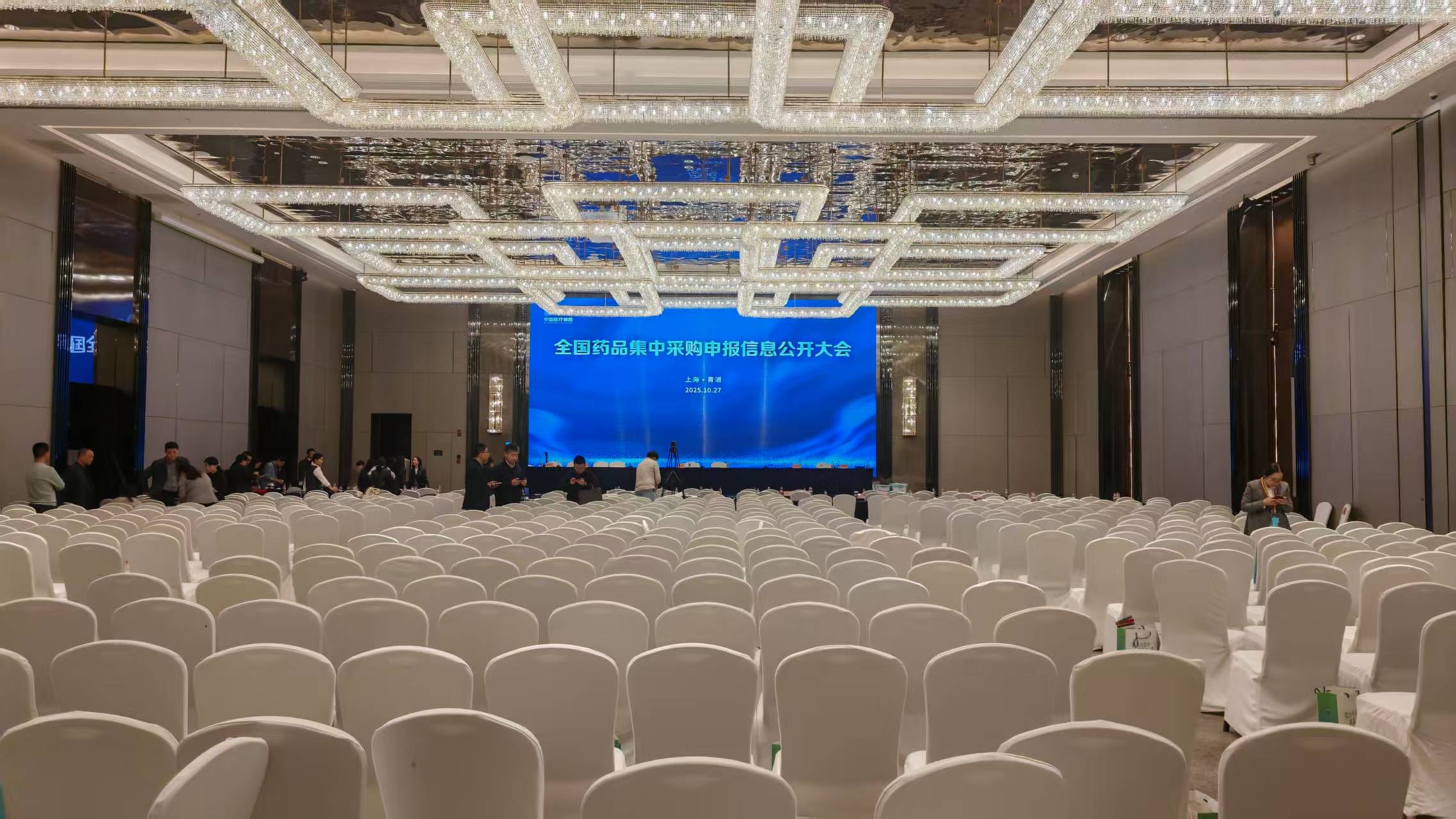
营利双降叠加监管风波,甾体药龙头仙琚制药如何突围?
Bei Ke Cai Jing· 2025-10-29 11:13
Core Viewpoint - Zhejiang Xianju Pharmaceutical Co., Ltd. reported a decline in both revenue and net profit for the first three quarters of 2025, indicating ongoing pressure on its performance [1][2]. Financial Performance - For the first three quarters of 2025, the company achieved revenue of 2.826 billion yuan, a year-on-year decrease of 12.71%, and a net profit attributable to shareholders of 407 million yuan, down 23.29% [2]. - The weighted average return on net assets was 6.8%, a decrease of 2.16 percentage points year-on-year, while the return on invested capital was 6.33%, down 2.22 percentage points compared to the same period last year [3]. Historical Performance Trends - The company has experienced a continuous decline in performance, with 2023 revenue falling by 5.85% to 4.123 billion yuan and net profit down 24.86% to 563 million yuan. In 2024, revenue further declined by 2.98% to 4.001 billion yuan, and net profit decreased by 29.46% to 397 million yuan [4]. - In the first half of 2025, revenue was 1.869 billion yuan, a year-on-year decrease of 12.56%, and net profit was 308 million yuan, down 9.26% [4]. Business Segment Analysis - The core revenue sources, both formulation and raw material drug businesses, are facing difficulties. In the first half of 2025, formulation sales revenue was 1.127 billion yuan, down 7.2%, while raw material and intermediate sales revenue was 730 million yuan, a decline of 20% [5]. - The company attributed its performance decline to the impact of national centralized procurement on products like dexamethasone sodium phosphate injection and the influence of provincial-level centralized procurement on common drugs like progesterone injection [5]. Regulatory Challenges - In 2025, the company faced dual regulatory challenges, including an "antitrust penalty" and "fundraising violations," which not only resulted in direct financial losses but also negatively impacted its market reputation [6]. - The Tianjin Market Supervision Administration imposed a fine totaling 195 million yuan for engaging in price-fixing agreements, which represented 4.88% of the company's audited revenue and 49.17% of its net profit attributable to shareholders for 2024 [7][8]. - Additionally, the Zhejiang Securities Regulatory Bureau issued a warning regarding issues in the management and use of raised funds, highlighting internal control weaknesses [9].

“流感药王”意外出局新一批集采
第一财经· 2025-10-29 09:22
Core Viewpoint - The article discusses the results of the 11th round of national drug centralized procurement in China, highlighting the competitive nature of the bidding process and the implications for pharmaceutical companies involved in the bidding [3][4]. Group 1: Procurement Results - The 11th round of centralized procurement included 55 types of drugs, with 445 companies participating and 453 products winning the proposed selection, resulting in a selection rate of nearly 60% [3][4]. - The average price difference for selected products has significantly narrowed compared to previous rounds, indicating a more competitive bidding environment [4][13]. Group 2: Competitive Dynamics - Companies generally adopted conservative pricing strategies, aiming for survival and market share rather than aggressive pricing, with only a few willing to bid higher [4][5]. - The most competitive products saw a high number of bidders, such as theophylline injection with 48 bidders, while some products experienced significant differentiation in bidding strategies [6][7]. Group 3: Case Studies - Yichang HEC Changjiang Pharmaceutical, known for its oseltamivir granules, unexpectedly lost its bid, which could lead to a loss of market share to the winning companies [7][8]. - Jiu Dian Pharmaceutical, previously the sole supplier of a pain relief product, won bids for multiple products at significantly lower prices than previous rounds, indicating a shift in market dynamics [10][11]. Group 4: Future Implications - The article suggests that the current procurement pricing mechanism may lead to short-term adjustments in revenue and profit margins for companies, emphasizing the need for strategic adaptations [12][13]. - The National Healthcare Security Administration aims to stabilize clinical supply and quality while preventing extreme price competition, indicating ongoing adjustments to procurement rules [13].
新一批集采仍有药企卷向低价,流感药王东阳光药意外出局集采
Di Yi Cai Jing· 2025-10-29 09:03
Group 1 - The latest round of national drug procurement included 55 types of drugs, with 445 companies participating and 272 companies winning the bid, resulting in a selection rate of nearly 60% [1] - The National Healthcare Security Administration (NHSA) indicated that the competition was more intense than in previous rounds, but measures such as excluding products with a scale below 100 million yuan and setting "anchor prices" helped maintain a high selection rate [1] - The average price difference of selected products has significantly narrowed compared to previous rounds of procurement [1] Group 2 - In the bidding for the flu medication Oseltamivir granules, six companies participated, but the market leader, Yichang Dongyangguang Changjiang Pharmaceutical Co., unexpectedly failed to win a bid [2] - Oseltamivir sales accounted for approximately 67% of Dongyangguang's revenue in the first half of 2025, highlighting the importance of this product to the company [2] - Dongyangguang has long been recognized as the "king of flu medications" in the market [2]

新一批集采号召“理性报价”,仍有企业卷向低价,“流感药王”意外出局
Di Yi Cai Jing· 2025-10-29 08:00
Core Insights - The intensity of competition in the latest round of centralized drug procurement is significantly higher than in previous rounds, with a total of 55 drugs and 445 companies participating, resulting in a selection rate of nearly 60% [1][2][11] Group 1: Competitive Landscape - The latest procurement round saw 794 products from 445 companies, with 272 companies winning bids [1][2] - The most competitive products included theophylline injection with 48 bidders, and cefazolin and famotidine injections with 41 and 38 bidders respectively [3] - Some companies adopted a strategy of bidding low to secure more market share, reflecting a cautious mindset among bidders [2][3] Group 2: Market Impact - The market leader in influenza medication, Yichang Dongyangguang, unexpectedly lost its bid for oseltamivir granules, which accounted for approximately 67% of its revenue [4][5] - The winning bids for oseltamivir were significantly lower than Yichang Dongyangguang's bid, indicating a shift in market dynamics [5] - Nine Dian Pharmaceutical, previously the sole supplier of a pain relief product, won bids for multiple products at prices much lower than previous procurement rounds, indicating a potential impact on its revenue and profit margins [7][9][10] Group 3: Regulatory Environment - The National Healthcare Security Administration has implemented measures to maintain high selection rates while preventing extreme low pricing, including setting anchor prices and not including products with a scale below 100 million [2][11] - The procurement process emphasizes comprehensive evaluation beyond price, including brand, quality, and supply chain factors, although price competition remains fierce [10][11]