
习近平新时代中国特色社会主义思想

Search documents
推动马克思主义理论学科和马克思主义学院建设 实现新突破 展现新气象
Jie Fang Ri Bao· 2025-12-17 01:43
Core Points - The meeting emphasized the importance of advancing the construction of Marxist theory disciplines and colleges in Shanghai, aligning with Xi Jinping's directives and the spirit of the 20th National Congress of the Communist Party [1][2] - The focus is on deepening the study and implementation of Xi Jinping's Thought on Socialism with Chinese Characteristics for a New Era, enhancing theoretical learning, research, and promotion [1] - There is a call for innovation in academic integration, strengthening core areas, expanding directions, and increasing momentum in Marxist theory discipline construction [1] - The meeting highlighted the fundamental task of moral education, aiming to improve curriculum systems, teaching quality, and practical integration in ideological and political theory courses [1] - A management mechanism for the teaching staff will be improved to foster a high-quality team of ideological and political theory teachers [1] Awards and Participation - The meeting awarded the third round of the Shanghai Marxist Theory Discipline Development Support Plan, with over 200 representatives from universities, party schools, social science research institutions, and education bureaus in attendance [2]
四川省第四届马克思主义学院院长论坛举行
Si Chuan Ri Bao· 2025-12-16 22:57
Group 1 - The forum focused on the theme of "advancing the construction of ideological and political courses alongside the innovative theoretical armament of the Party" [1] - Over 80 experts and scholars participated, sharing experiences to promote the development of Marxist colleges and ideological education [1] - Key topics included strengthening the construction of demonstration courses on Xi Jinping's Thought on Socialism with Chinese Characteristics for a New Era and integrating ideological education across all educational levels [1][2] Group 2 - The meeting emphasized the need for continuous innovation in the construction of Marxist colleges and ideological courses, highlighting the importance of using Xi Jinping's Thought to cultivate students [2] - Achievements in ideological education reform in Sichuan were noted, with significant results from the reform of ideological courses in higher education [2] - Collaboration between Marxist colleges and local practice centers was established, aiming to deepen the integration of classroom learning with social practice [2]
中管干部学习贯彻党的二十届四中全会精神研讨班在京举办
Xin Hua She· 2025-12-16 12:11
石泰峰主持开班式,李干杰、李书磊、陈文清、刘金国、王小洪和陈希出席开班式。 蔡奇在讲话中表示,"十四五"时期我国经济社会发展取得重大成就,根本在于习近平总书记领航 掌舵,在于习近平新时代中国特色社会主义思想科学指引。要进一步深刻认识和把握"十五五"时 期是基本实现社会主义现代化夯实基础、全面发力关键时期的基本定位,思考应该做什么、怎么 做,推动经济社会发展各领域协同发力,跑好接力赛"关键一棒"。进一步深刻认识和把握全会 《建议》对"十五五"时期面临形势的基本判断,强化历史主动精神,积极识变应变求变,更好发 挥自身优势,增强发展动能。进一步深刻认识和把握"十五五"时期经济社会发展的指导方针和主 要目标,领会其科学内涵和实践要求,制定好各级各类规划,确保不跑偏、不变调、不走样。进 一步深刻认识和把握"十五五"时期的战略任务和重大举措,理解其政策指向、工作重点、基本要 求,深入思考细化本地区本部门抓落实的着力点和时间表、施工图,增强政策取向一致性和经济 社会发展整体效能。进一步深刻认识和把握坚持和加强党的全面领导是根本保证,保持党的自我 革命永远在路上、全面从严治党永远在路上的坚韧执着,坚持和加强党中央集中统一领导 ...
中管干部学习贯彻党的二十届四中全会精神研讨班在京举办 蔡奇出席开班式并讲话
Yang Shi Wang· 2025-12-16 11:55
央视网消息(新闻联播):中管干部学习贯彻党的二十届四中全会精神第1期研讨班16日上午在中央党 校(国家行政学院)开班,中共中央政治局常委、中央书记处书记蔡奇出席开班式并讲话。他表示,中 管干部要联系实际学深悟透党的二十届四中全会精神,更加深刻领悟"两个确立"的决定性意义,坚决做 到"两个维护",进一步把思想和行动统一到党中央决策部署上来,带动全党全社会学习好宣传好贯彻好 全会精神。 蔡奇指出,"十四五"时期我国经济社会发展取得重大成就,根本在于习近平总书记领航掌舵,在于习近 平新时代中国特色社会主义思想科学指引。要进一步深刻认识和把握"十五五"时期是基本实现社会主义 现代化夯实基础、全面发力关键时期的基本定位,推动经济社会发展各领域协同发力。进一步深刻认识 和把握对面临形势的基本判断,积极识变应变求变。进一步深刻认识和把握经济社会发展的指导方针和 主要目标,制定好各级各类规划。进一步深刻认识和把握战略任务和重大举措,理解其政策指向、工作 重点、基本要求,增强政策取向一致性和经济社会发展整体效能。进一步深刻认识和把握坚持和加强党 的全面领导是根本保证,坚持和加强党中央集中统一领导,树立和践行正确政绩观,以高质量 ...
社保基金会发声!
Zheng Quan Shi Bao Wang· 2025-12-16 10:39
Group 1 - The meeting emphasized the importance of the Central Economic Work Conference as a significant event following the 20th Central Committee's Fourth Plenary Session, with Xi Jinping's speech providing strategic guidance for economic work in 2026 [1] - The meeting highlighted the need for the Social Security Fund Council to align its actions with the central government's economic strategies and to enhance understanding of the "two establishments" and "four consciousnesses" [1][2] - The Council is tasked with ensuring the implementation of the central government's decisions and maintaining a cautious approach to fund investment operations, focusing on asset allocation and supporting national development needs [2] Group 2 - The meeting called for a long-term strategic plan for the development of the Social Security Fund, aligning with the "14th Five-Year Plan" and the key tasks outlined in the Central Economic Work Conference [2] - The Council aims to promote high-quality development of the Social Security Fund by systematically planning and executing key initiatives [2]

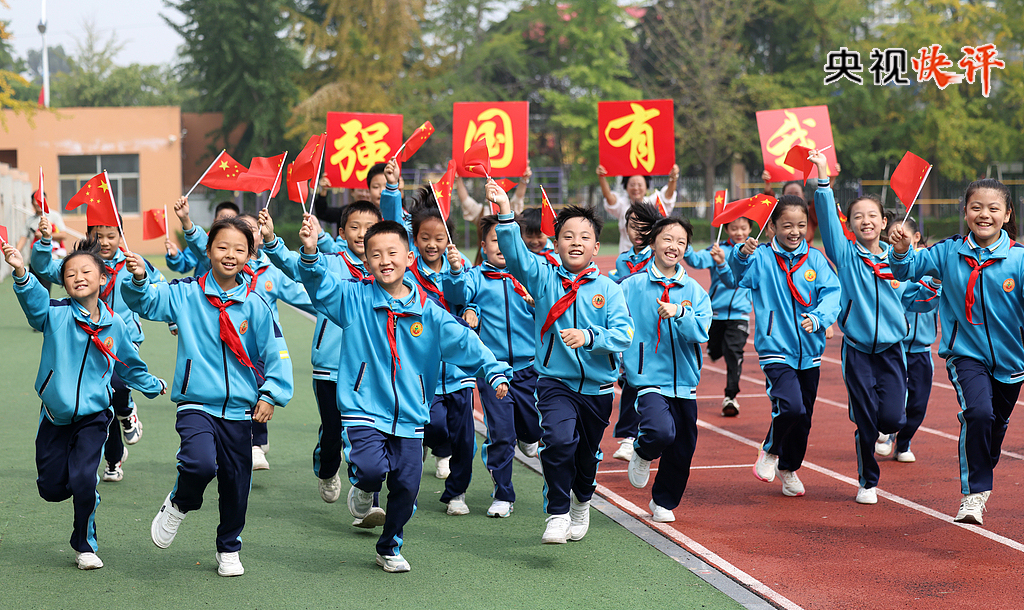
【央视快评】坚持把未成年人思想道德建设作为战略性基础性工作来抓
Yang Shi Wang· 2025-12-16 05:53
"新征程上,要落实立德树人根本任务,坚持把未成年人思想道德建设作为战略性、基础性工作来抓。"近日,习近平总书记对未成年人思想道德 建设作出重要指示。总书记站在党和国家事业发展薪火相传、后继有人的高度,深刻指出做好未成年人思想道德建设工作的重要性、紧迫性。总 书记的重要指示高屋建瓴、精辟深邃,进一步回答了培养什么人、怎样培养人、为谁培养人这一系列事关中国式现代化前途命运的重大问题,为 我们扎实做好未成年人思想道德建设工作提供了根本遵循。 少年强则国强。进入新时代,习近平总书记深刻洞察未成年人教育引导面临的新情况、新问题,将思想道德建设放在突出位置,作为关键抓手, 一语中的、纲举目张。只有牢牢抓住思想道德建设这个"牛鼻子",固本培元、凝心铸魂,教育引导广大未成年人在"拔节孕穗期"树立正确的世界 观、人生观、价值观,扣好"人生第一粒扣子",才能培养出一代又一代理想信念坚定、思想品德高尚、道德修养优良的社会主义建设者和接班 人。 做好未成年人思想道德建设是一项复杂的系统工程,必须坚持系统观念,扎扎实实、久久为功。既要落实学校育人主体责任,坚持德育为先,注 重"五育"融合,又要重视和加强家庭教育,发挥家庭教育的基础作用 ...
华东局举办党委理论学习中心组(扩大)学习研讨会 研究谋划“十五五”开局工作
Zhong Guo Min Hang Wang· 2025-12-16 04:45
会议坚持以习近平新时代中国特色社会主义思想为指导,深入学习贯彻党的二十届四中全会精神,邀请 中国浦东干部学院董德兵教授作全会精神辅导授课,集中学习了习近平总书记在党的二十届四中全会上 的重要讲话和中央经济工作会议精神,党委书记作全会精神专题宣讲,各单位、机关各部门围绕全会精 神学习体会、2026年工作思路和谋划"十五五"重点任务开展全面深入研讨,局领导结合分管工作作交流 发言。 《中国民航报》、中国民航网 记者胡夕姮 通讯员戴延 报道:12月10日至12日,民航华东局在沪举办党 委理论学习中心组(扩大)学习研讨会。局领导,各监管局、局属企事业单位党政主要负责同志,机关 各部门主要负责同志参加学习研讨。 华东局局长张军平指出,面对新形势新要求,各单位各部门要以强化监管为根本,提升安全治理的现代 化水平,不断提高角色认知、创新方式方法,深化拓展专项整治成果,加强对重点领域、关键环节的系 统治理,严格关键岗位人员资质把关、能力评估、训练管理等制度落实;以枢纽建设为牵引,拓展服务 国家战略的空间格局,更加突出上海全方位门户复合型国际枢纽地位,充分发挥各区域枢纽机场特色优 势,积极培育枢纽主承运人发展壮大,全面提升华东 ...
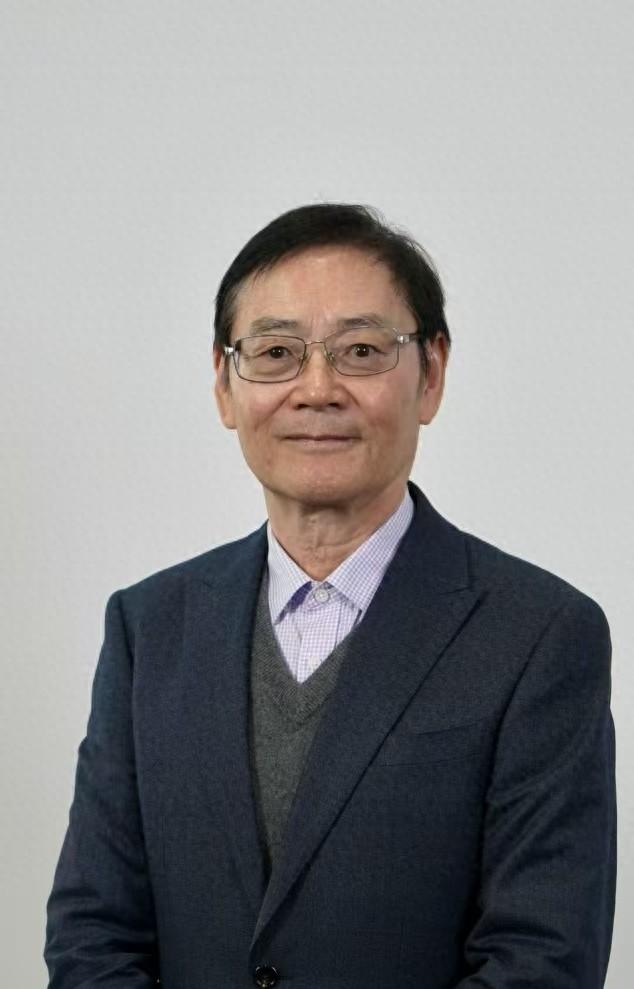
张允熠:中国化的马克思主义要始终保持蓬勃的生机与活力|上海“马克思主义理论突出贡献专家”系列访谈
Xin Lang Cai Jing· 2025-12-16 04:31
Core Viewpoint - The article discusses the establishment of the "Shanghai Marxist Theory Discipline Development Support Plan (2025-2027)" aimed at promoting the study and dissemination of Xi Jinping's Thought on Socialism with Chinese Characteristics for a New Era, emphasizing the importance of Marxist theory in education and its integration with Chinese culture [1]. Group 1: Development of Marxist Theory - The plan includes recognition of 10 experts for outstanding contributions to Marxist theory, 9 teaching masters, and 29 young and middle-aged backbones in the field [1]. - The initiative is guided by various Shanghai municipal departments, aiming to create a stronghold for Marxist theory education and research [1]. Group 2: Individual Contributions - Zhang Yunyi, a prominent figure in Marxist theory research, has received numerous accolades and emphasizes the collective nature of such honors, attributing his success to institutional support [5][6]. - Zhang's academic journey began with a focus on political education, leading to a long career in teaching and researching Marxist theory, influenced by his mentor [6]. Group 3: Integration of Chinese Culture and Marxism - Zhang discusses the significance of integrating Marxism with Chinese culture, highlighting that Marxism has been adapted to fit the Chinese context, which is crucial for its acceptance and application [7][10]. - He argues that Marxism has absorbed valuable elements from human civilization, including Chinese cultural aspects, which is essential for understanding its development [8][10]. Group 4: Educational Approaches - Zhang advocates for a comprehensive educational approach, emphasizing the need for students to connect various fields of knowledge, such as philosophy, history, and literature, to enhance their understanding of Marxism [20][21]. - He stresses the importance of quality teaching materials and the role of teachers in engaging students actively in the learning process [22][23].
《求是》文章:坚持做更好的自己
Bei Jing Ri Bao Ke Hu Duan· 2025-12-16 02:32
Group 1 - The core message emphasizes the importance of focusing on self-improvement and development rather than challenging or replacing others, as articulated by President Xi Jinping during a meeting with President Trump [2] - The concept of "better self" is defined by the main goals for the "15th Five-Year Plan" period, which include achieving significant high-quality development, enhancing technological self-reliance, deepening reforms, improving social civilization, and advancing ecological progress [3][4] - The implementation of the "15th Five-Year Plan" is guided by the principles established at the 20th Central Committee's Fourth Plenary Session, particularly the Xi Jinping Thought on Socialism with Chinese Characteristics for a New Era [4][6] Group 2 - Achieving the goals of the "15th Five-Year Plan" requires collective effort and action from the Party and the people, emphasizing the necessity of practical implementation to realize these objectives [6] - The 20th Central Committee has outlined 12 major strategic tasks for the "15th Five-Year Plan," including building a modern industrial system, promoting high-level technological self-reliance, and enhancing the domestic market [6] - The historical context shows that under the leadership of the Communist Party, the unity and determination of the Chinese people can lead to continuous progress and improvement in living standards, contributing to global civilization [7]

松辽水利委员会召开2025年松辽流域水利规划计划工作座谈会
Shui Li Bu Wang Zhan· 2025-12-16 02:07
Core Viewpoint - The meeting organized by the Songliao Water Resources Committee focused on the planning and implementation of water resources strategies for the Songliao River Basin by 2025, emphasizing collaboration among various provinces and cities to enhance water management and infrastructure development [1][2]. Group 1: Meeting Overview - The Songliao Water Resources Committee held a meeting in Changchun to discuss the 2025 water resources planning for the Songliao River Basin, attended by representatives from five provinces and cities [1]. - The meeting included reports on the progress of water resources planning, project advancement, and investment execution from various regional water authorities [1]. Group 2: Strategic Emphasis - The meeting underscored the importance of adhering to Xi Jinping's thoughts on water management, focusing on water conservation, spatial balance, and systematic governance [2]. - It highlighted the need to align water resources work with national strategies for security and revitalization in Northeast China, promoting a unified approach to basin management [2]. Group 3: Key Initiatives - The meeting called for a comprehensive design for the "14th Five-Year Plan" to ensure long-term development and strategic security in the basin, including the preparation of major projects and plans [2]. - Emphasis was placed on accelerating the construction of significant water infrastructure projects and overcoming bureaucratic hurdles to facilitate project implementation [2]. - The need for integrated management of ecological protection, flood safety, and rational water resource use was discussed, aiming to enhance water security and environmental quality in the basin [2].