全球安全倡议

Search documents
中国驻澳大利亚使馆举办建军98周年招待会
Ren Min Wang· 2025-07-31 00:47
Core Viewpoint - The event celebrated the 98th anniversary of the founding of the Chinese People's Liberation Army, emphasizing China's commitment to a new security concept and international cooperation [1] Group 1: Event Overview - The reception was hosted by the Chinese Embassy in Australia on July 29, attended by approximately 200 guests, including representatives from the Australian Defense Department, Foreign Trade Department, and the Federal Police [1] - The event featured a photo exhibition titled "Guarding Peace, Shared Destiny" and a promotional video on the construction of the Chinese military [1] Group 2: Key Messages from the Speech - The Defense Attaché, Qiu Xuqiang, highlighted the achievements of the Chinese military over the past 98 years and reiterated China's dedication to maintaining regional stability and promoting world peace [1] - The speech underscored China's willingness to work with Australia to implement the important consensus reached by the leaders of both countries, aiming to enhance military relations for the benefit of both nations [1]
在开放合作中促进中欧互利共赢(环球热点)
Ren Min Ri Bao Hai Wai Ban· 2025-07-30 22:09
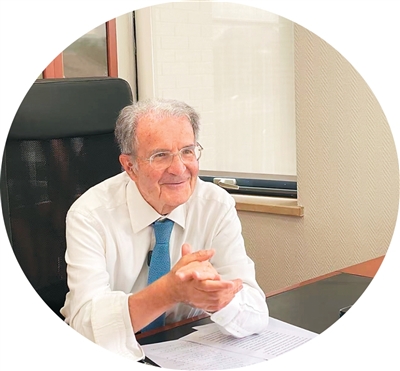
"若欧中形成合力,足以稳定国际经济秩序""唯有开放共赢,才能实现共同发展"……今年是中国与意大 利建交55周年、同欧盟建交50周年。不久前,意大利前总理、欧盟委员会前主席罗马诺·普罗迪到访中 国,并在北京大学、中国人民大学等高校发表演讲,剖析中欧合作新机遇与新路径。 长期以来,普罗迪始终致力于推动中意及中欧务实合作,多次来华访问,与中国保持着密切友好往来。 近日,他接受本报专访,对中欧、中意多年来合作成果给予高度评价,为破解时代命题提供了独特思 考。 罗马诺·普罗迪接受本报采访。本报记者 彭训文摄 近日,中国上海的绣球花小合唱团与意大利安东尼亚诺小合唱团在博洛尼亚共同演唱歌曲。新华社记者 李 京摄 比利时学生在汉语桥团组项目中制作糯米圆子。赵 宁摄(人民视觉) 在四川省成都市青白江区的成都国际铁路港,一列中欧班列(成渝)南通道速达班列发车。白桂斌摄 (人民视觉) 0:00 从政期间,普罗迪始终致力于在求同存异中促进中意、中欧务实合作。在担任欧盟委员会主席期间,他 为推动中欧关系发展积极出力。 当选意大利总理后,他曾选择中国作为欧洲之外的首个出访国,带着数量庞大的政企人士访华。"这些 访问很成功,之所以成功,是 ...

中方介绍柬泰冲突以来劝和促谈工作:愿继续发挥建设性作用
Zhong Guo Xin Wen Wang· 2025-07-30 14:05
Group 1 - The core viewpoint of the articles is that China is actively engaging in diplomatic efforts to mediate the ongoing border conflict between Cambodia and Thailand, emphasizing its role as a friendly neighbor and supporter of ASEAN's initiatives [1][2] - Following the border conflict, China has maintained close communication with both Cambodia and Thailand, facilitating multiple rounds of dialogue and sending a special envoy for mediation [1] - A recent informal tripartite meeting was held in Shanghai on July 30, where representatives from Cambodia and Thailand reaffirmed their commitment to the ceasefire consensus and appreciated China's positive role in de-escalating the situation [1] Group 2 - China is committed to promoting a security model in Asia that emphasizes mutual security, dialogue, and consultation, aiming to maintain regional peace and stability [2] - The country has no selfish interests in the Cambodia-Thailand border conflict and supports ASEAN's approach to politically resolve the issue, indicating a willingness to continue close communication with regional countries [2]
中泰柬非正式会晤在上海举行,外交部发声
Nan Fang Du Shi Bao· 2025-07-30 13:03
郭嘉昆指出,针对当前现地停火态势较为脆弱,7月30日上午,中国外交部副部长孙卫东同柬埔寨和泰 国代表在上海举行中柬泰三方非正式会晤。柬埔寨、泰国双方向中方重申,将遵守停火共识,赞赏中国 迄今为平息事态所发挥的积极作用。会晤是在坦诚、友好和融洽的气氛中进行的。 "举行此次中柬泰三方非正式会晤是中方最新外交努力,目的是推动柬埔寨、泰国落实停火共识,为尽 快恢复柬泰边境和平稳定创造条件。"郭嘉昆强调,中方坚持践行全球安全倡议,推动构建安危与共、 求同存异、对话协商的亚洲安全模式,始终致力于维护地区和平稳定。 同日,上海国际问题研究院东南亚研究中心主任周士新向南都N视频记者分析,"中国主办此次非正式 会晤是着眼于未来,促进柬泰关系的长期稳定发展。" 今天(7月30日),中国—柬埔寨—泰国三方非正式会晤在上海举行。柬、泰双方向中方重申将遵守停 火共识,赞赏中国迄今为平息事态所发挥的积极作用。同日,上海国际问题研究院东南亚研究中心主任 周士新向南都N视频记者分析,"在此次会晤后,柬泰之间应该能进一步相互了解未来局势走向,避免 出现因信息交流不畅而导致误解,为柬泰之间实现更可持续的稳定与和平奠定条件。" 7月30日,外交部 ...
外交部:中方愿为巩固柬、泰停火共识发挥建设性作用
Shang Hai Zheng Quan Bao· 2025-07-30 11:16
郭嘉昆说,柬泰边境冲突发生以来,作为柬埔寨和泰国的友好邻邦,中方一直以自己的方式为缓局降温 作出积极努力。王毅外长分别做柬、泰外长和东盟秘书长工作,中国外交部同柬、泰双方保持密切沟 通,结合事态发展进行多轮传话,派出外交部亚洲事务特使两次穿梭劝促。中方支持东盟发挥作用,同 东盟轮值主席国马来西亚保持密切沟通,派中方代表出席柬泰领导人吉隆坡会晤。 郭嘉昆介绍,针对当前现地停火态势较为脆弱,7月30日上午,中国外交部副部长孙卫东同柬埔寨和泰 国代表在上海举行中柬泰三方非正式会晤。柬、泰双方向中方重申,将遵守停火共识,赞赏中国迄今为 平息事态所发挥的积极作用。会晤是在坦诚、友好和融洽气氛中进行的。举行此次中柬泰三方非正式会 晤是中方的最新外交努力,目的是推动柬、泰落实停火共识,为尽快恢复柬泰边境和平稳定创造条件。 来源:新华社 新华社北京7月30日电(记者马卓言、黄扬)外交部发言人郭嘉昆30日在例行记者会上介绍了当天在上 海举行的中国—柬埔寨—泰国三方非正式会晤情况。他表示,柬泰边境冲突发生以来,中方一直以自己 的方式为缓局降温作出积极努力,愿为巩固柬、泰停火共识,尽快恢复和平稳定发挥建设性作用。 他说,中方坚持践 ...
外交部:柬埔寨、泰国重申将遵守停火共识,赞赏中国发挥的积极作用
Ge Long Hui· 2025-07-30 08:28
Core Points - The informal trilateral meeting between China, Cambodia, and Thailand was held in Shanghai to promote peace and stability along the Cambodia-Thailand border [1] - China emphasizes its commitment to the Global Security Initiative and aims to foster a security model in Asia based on dialogue and consultation [1] - China supports ASEAN's efforts to politically resolve the Cambodia-Thailand border conflict and is willing to maintain close communication with regional countries [1]
外交部:柬、泰重申将遵守停火共识,赞赏中国发挥的积极作用
Zheng Quan Shi Bao Wang· 2025-07-30 07:40
Core Points - The Chinese government is actively engaging in diplomatic efforts to mediate the ongoing border conflict between Cambodia and Thailand, emphasizing its role as a friendly neighbor [1][2] - A recent informal tripartite meeting involving China, Cambodia, and Thailand was held in Shanghai to reinforce the ceasefire consensus and promote peace [1][2] Group 1 - The Chinese Foreign Ministry has maintained close communication with both Cambodia and Thailand, facilitating multiple rounds of dialogue and sending special envoys for mediation [1] - The informal meeting on July 30 was characterized by a sincere and friendly atmosphere, with both Cambodia and Thailand reaffirming their commitment to the ceasefire and appreciating China's positive role in de-escalating the situation [1][2] Group 2 - China aims to support ASEAN's efforts in politically resolving the conflict and is committed to maintaining regional peace and stability without pursuing selfish interests [2] - The Chinese government is dedicated to promoting a security model in Asia that emphasizes dialogue, consultation, and mutual understanding [2]
外交部:柬、泰重申将遵守停火共识 赞赏中国发挥的积极作用
news flash· 2025-07-30 07:33
Core Viewpoint - The Chinese government is actively facilitating peace efforts between Cambodia and Thailand, emphasizing its commitment to regional stability and security through diplomatic channels [1] Group 1: Diplomatic Efforts - The informal trilateral meeting between China, Cambodia, and Thailand was held in Shanghai to promote the implementation of the ceasefire consensus [1] - China aims to create conditions for restoring peace and stability along the Cambodia-Thailand border [1] Group 2: Regional Security Initiatives - China is committed to the global security initiative, advocating for a security model in Asia that emphasizes mutual security, dialogue, and consultation [1] - The Chinese government supports ASEAN's role in politically resolving the Cambodia-Thailand conflict without pursuing self-interests [1]
中柬泰三方非正式会晤在上海举行,外交部进一步介绍中方最新外交努力
Huan Qiu Wang· 2025-07-30 07:32
【环球时报-环球网报道 记者 索炎琦】外交部发言人郭嘉昆主持7月30日例行记者会。会上有记者提问 称:据了解,今天中国—柬埔寨—泰国三方非正式会晤在上海举行,中方能否介绍有关情况?柬泰冲突 发生以来,中方还做了哪些劝和促谈努力? 郭嘉昆说,针对当前现地停火态势较为脆弱,7月30日上午,中国外交部副部长孙卫东同柬埔寨和泰国 代表在上海举行中柬泰三方非正式会晤。柬埔寨、泰国双方向中方重申将遵守停火共识,赞赏中国迄今 为平息事态所发挥的积极作用,会晤是在坦诚、友好和融洽的气氛中进行的。 郭嘉昆对此表示,柬泰边境冲突发生以来,作为柬埔寨和泰国的友好邻邦,中方一直以自己的方式为缓 局降温作出积极努力。王毅外长分别做柬埔寨、泰国外长和东盟秘书长工作,中国外交部同柬埔寨、泰 国双方保持密切沟通,结合事态发展进行多轮传话,派出外交部亚洲事务特使两次穿梭斡旋,中方支持 东盟发挥作用,同东盟轮值主席国马来西亚保持密切沟通,派中方代表出席柬泰领导人吉隆坡会晤。 郭嘉昆说,举行此次中柬泰三方非正式会晤是中方最新外交努力,目的是推动柬埔寨、泰国落实停火共 识,为尽快恢复柬泰边境和平稳定创造条件。中方坚持践行全球安全倡议,推动构建安危与 ...
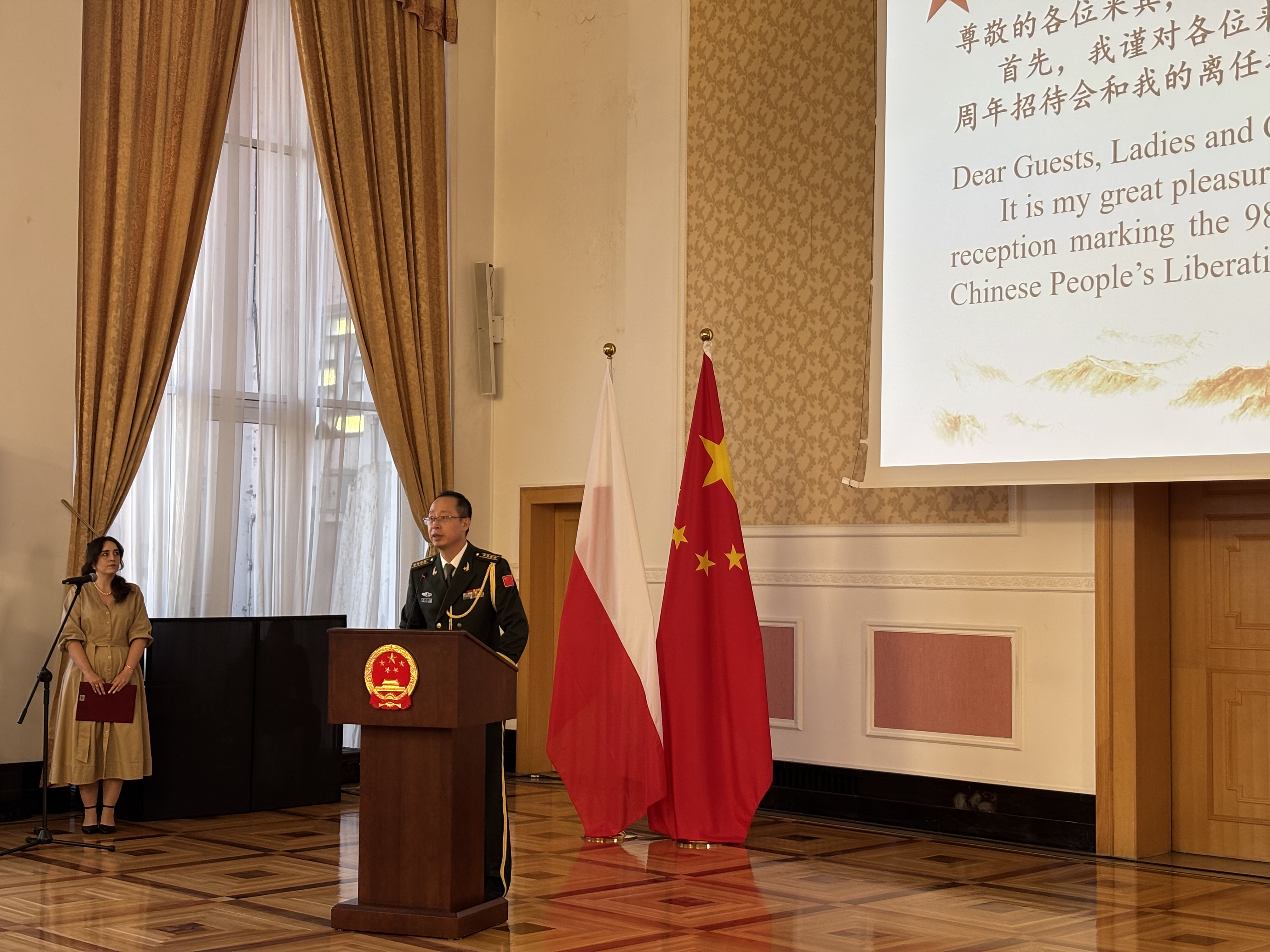
驻波兰使馆举行庆祝中国人民解放军建军98周年招待会
人民网-国际频道 原创稿· 2025-07-28 01:22
Group 1 - The event celebrated the 98th anniversary of the founding of the Chinese People's Liberation Army, attended by nearly 300 representatives from various sectors, including Polish officials and military personnel [1][5] - Defense Attaché Zhang Yansheng emphasized the importance of China's peaceful development path and its commitment to global initiatives proposed by President Xi Jinping, addressing common human challenges [4] - The atmosphere of the reception was warm and solemn, featuring a thematic photo exhibition commemorating the 80th anniversary of the victory in the Chinese People's Anti-Japanese War and the World Anti-Fascist War [5][6] Group 2 - Zhang Yansheng expressed gratitude to colleagues and friends who have supported Sino-Polish military exchanges and cooperation over the years [5] - Guests at the event praised the achievements of China's national defense and military modernization, highlighting the positive role of the Chinese military in maintaining world peace [5]