
伊朗核计划

Search documents
特朗普威胁伊朗 称伊朗必须停止发展核武器
Zhong Guo Xin Wen Wang· 2026-01-22 07:27
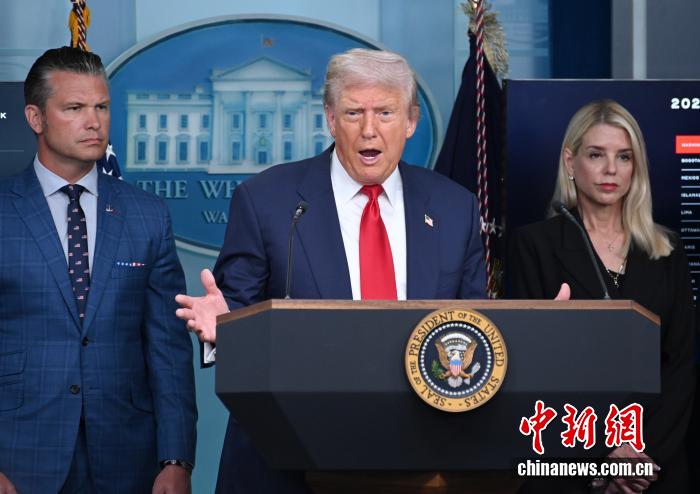
近期,伊朗发生骚乱事件,造成民众和执法人员伤亡。连日来,特朗普多次威胁军事干涉伊朗局势。伊 朗总统佩泽希齐扬19日表示,伊朗近期的骚乱事件是美国和以色列一系列阴谋的延续。 特朗普威胁伊朗 称伊朗必须停止发展核武器 中新网1月22日电 据美国消费者新闻与商业频道(CNBC)报道,当地时间21日,美国总统特朗普在瑞士 达沃斯接受采访时称,伊朗必须停止发展核武器。他警告称,如果伊朗不停止"核试验",美国未来可能 采取行动。 资料图:美国总统特朗普。 美国长期指认伊朗核计划真实目的是发展核武器,伊朗方面多次表示,伊朗不寻求发展核武器,伊朗核 活动是出于和平目的。 来源:中国新闻网 编辑:陈俊明 广告等商务合作,请点击这里 本文为转载内容,授权事宜请联系原著作权人 中新经纬版权所有,未经书面授权,任何单位及个人不得转载、摘编或以其它方式使用。 关注中新经纬微信公众号(微信搜索"中新经纬"或"jwview"),看更多精彩财经资讯。 ...

特朗普再次威胁伊朗:不停止“核试验”,或将采取行动
中国能源报· 2026-01-22 05:38
Group 1 - The core viewpoint of the article is that President Trump has issued a warning to Iran, demanding that it must cease its nuclear weapons development, with potential future actions from the U.S. if Iran does not comply [1] - The U.S. has long accused Iran of pursuing nuclear weapons under the guise of a peaceful nuclear program, while Iran maintains that its nuclear activities are for peaceful purposes [2] - Recent unrest in Iran has resulted in casualties among both civilians and law enforcement, with Trump threatening military intervention in response to the situation [2]
特朗普倾向军事打击之际,白宫考量伊朗核谈判提议
Xin Lang Cai Jing· 2026-01-12 22:13
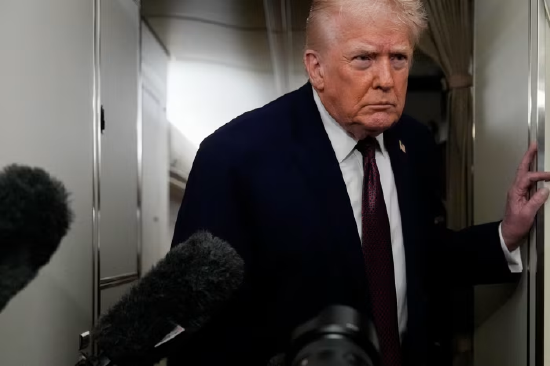
美国官员透露,尽管特朗普总统目前倾向批准对伊朗发动新一轮军事打击,白宫仍在斟酌伊朗为限制其 核计划而提出的最后外交努力。 官员们表示,针对伊朗因国内经济低迷、政权高压统治引发的持续两周抗议活动,以及当局武力镇压抗 议民众的行径,特朗普政府部分高级幕僚在副总统万斯的牵头下,正敦促总统优先尝试外交手段,再采 取报复行动。 特朗普周日在 "空军一号" 专机上对记者表示,伊朗已于前一日向美方传递信号,愿就其持续多年的核 计划展开谈判 —— 该核计划正是美国一直试图限制的对象。特朗普称 "相关会晤正在筹备中",但美方 仍在评估一系列可由其授权的 "强硬应对方案",不排除在谈判前采取行动。 据官员消息,特朗普尚未作出最终决定,并将于周二与高级幕僚会面,敲定应对策略。可选方案包括下 令空袭伊朗政权相关设施、发起网络攻击、出台新一轮制裁措施,以及加大对反政府账号的线上支持力 度。部分官员担忧,美军的军事打击可能会为伊朗政权的宣传造势提供口实,使其借机宣称抗议活动是 由美国和以色列暗中策划的。 官员称,特朗普目前更倾向于对伊朗实施打击,但最终决策可能会根据伊朗国内局势变化以及与幕僚的 磋商结果发生转变。部分官员表示,特朗普可能 ...
佩泽希齐扬:伊朗正与美国、以色列及欧洲陷入“全面战争”
Huan Qiu Shi Bao· 2025-12-28 23:05
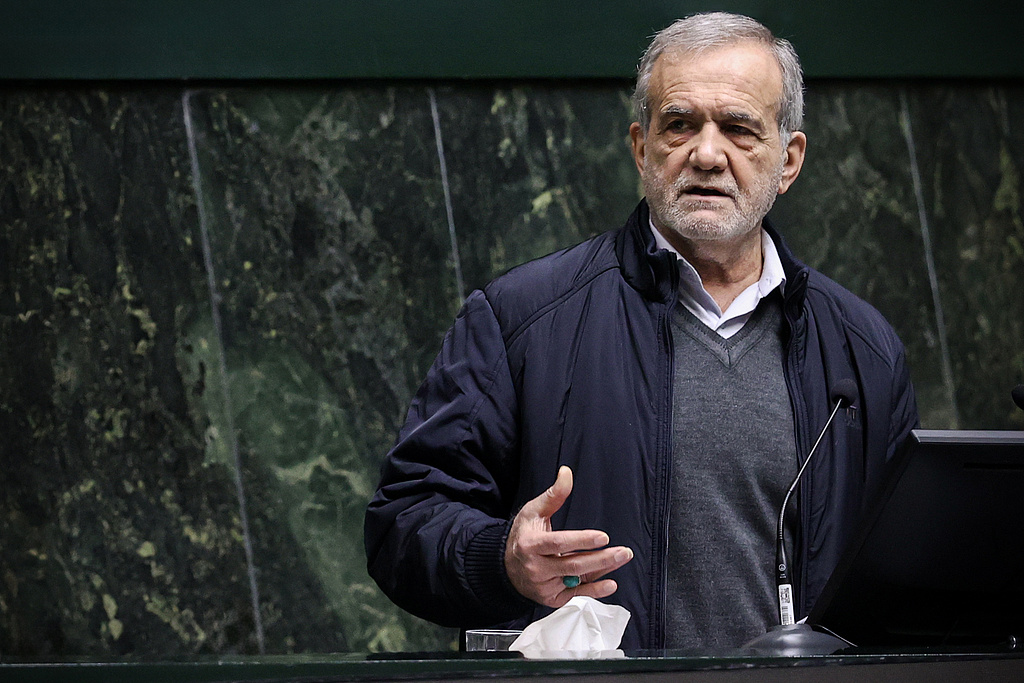
Core Viewpoint - Iran is currently in a "full-scale war" with the United States, Israel, and Europe, as stated by President Ebrahim Raisi, who accuses these nations of attempting to undermine the Iranian regime through various forms of pressure and blockade [1][3]. Group 1: Nature of the Conflict - The conflict is characterized as more severe and complex than the Iran-Iraq War of the 1980s, which was primarily military in nature [3]. - The current situation involves multifaceted pressures from economic, cultural, political, and security dimensions, rather than just military attacks [3]. Group 2: Economic Impact - Sanctions imposed by the U.S. and other countries due to Iran's nuclear program have severely impacted the Iranian economy, leading to high inflation and continuous currency devaluation [3]. Group 3: Recent Military Engagements - In June, Iran experienced a 12-day conflict with Israel, resulting in over 1,000 deaths, including military leaders and nuclear scientists, and damage to nuclear, military, and civilian facilities [3]. - The U.S. intervened in this conflict, targeting Iran's key nuclear facilities [3]. Group 4: Nuclear Negotiations - Nuclear negotiations between Iran and the U.S. have stalled, with Iran refusing to resume talks, citing the U.S.'s demands as excessively harsh, including a halt to uranium enrichment and limitations on missile range [3].
普京与内塔尼亚胡就中东局势通电话
Zhong Guo Xin Wen Wang· 2025-11-16 01:10
Core Viewpoint - The conversation between Russian President Putin and Israeli Prime Minister Netanyahu focused on the developments in the Middle East, including the situation in Gaza, Iran's nuclear program, and the situation in Syria [1]. Group 1: Middle East Situation - Putin and Netanyahu engaged in extensive discussions regarding the situation in Gaza, particularly in the context of implementing ceasefire agreements and the exchange of detained individuals [1]. - The dialogue included a focus on the evolving circumstances in Gaza amid ongoing conflicts and humanitarian concerns [1]. Group 2: Iran's Nuclear Program - The discussions also touched upon Iran's nuclear program, indicating ongoing geopolitical tensions and concerns regarding nuclear proliferation in the region [1]. Group 3: Syrian Situation - The situation in Syria was another key topic of discussion, reflecting the complexities of regional security and the impact of various conflicts on broader Middle Eastern stability [1].
与以总理通话 普京称支持基于国际法调解巴勒斯坦问题
Yang Shi Xin Wen· 2025-10-06 18:13
Core Viewpoint - The conversation between Russian President Putin and Israeli Prime Minister Netanyahu focused on the Middle East situation and U.S. President Trump's plans regarding Gaza, with an emphasis on Russia's support for a systematic resolution of the Palestinian issue based on international law [1] Group 1: Middle East Situation - Both leaders discussed the current state of affairs in the Middle East, highlighting the importance of dialogue and negotiation [1] - Putin reiterated Russia's commitment to mediating the Palestinian issue in accordance with international law [1] Group 2: Regional Issues - The conversation included discussions on other regional topics, particularly the Iranian nuclear program and the stabilization of the situation in Syria [1] - Both parties expressed a willingness to seek negotiation pathways to address these issues [1]
最后关头!伊朗与欧洲三国核谈判陷僵局,9月27日制裁大限步步逼近
Sou Hu Cai Jing· 2025-09-24 10:43
Core Points - Ongoing negotiations between Iran and European powers are failing to reach a final agreement to avoid the reimplementation of UN sanctions before the September 27 deadline, but both sides are leaving room for further talks [1][2] - The European trio (France, UK, Germany) initiated a 30-day process to reinstate UN sanctions on August 28, citing Iran's non-compliance with the 2015 nuclear agreement [2][4] - If no agreement is reached by the deadline, all sanctions, including those on Iran's major hydrocarbons sector, will be reinstated, further straining Iran's economy [4] Group 1 - The European powers are willing to delay the reinstatement of sanctions for up to six months if Iran takes concrete actions, such as allowing UN inspectors access and addressing concerns over its uranium stockpile [2][5] - A French diplomatic source indicated that while Iran has not yet met the conditions, negotiations will continue to explore all possibilities [2][5] - Iran's foreign ministry expressed willingness to continue diplomatic discussions despite viewing the reinstatement of sanctions as unreasonable and illegal [5] Group 2 - The head of the UN nuclear watchdog, Rafael Grossi, mentioned ongoing "intense" discussions among Iran, European powers, and the US to find a solution [6] - Grossi stated that if an agreement is reached this week, a team of inspectors would be sent to Iran [7] - German Foreign Minister John W. emphasized that the likelihood of reaching a diplomatic solution before sanctions take effect is extremely low [9]
伊朗最高领袖强硬表态:与美国谈判,将是耻辱和“投降”!
Jin Shi Shu Ju· 2025-09-24 00:42
Core Viewpoint - Iran's Supreme Leader Khamenei has ruled out negotiations with the U.S. regarding Tehran's nuclear program, stating that yielding to U.S. demands would signify "surrender" and "humiliation" for the Islamic Republic [1][4]. Group 1: Iran's Stance on Nuclear Negotiations - Khamenei emphasized that Iran has not capitulated under pressure over the decades and will not do so in the future [1]. - The remarks come just days before the deadline for the re-implementation of sanctions against Iran, heightening the risk of prolonged confrontation with the West over its nuclear activities [1]. - The European trio (UK, France, Germany) initiated a "snapback" procedure to reinstate UN sanctions, pressuring Iran to resume talks with the U.S. and cooperate with the International Atomic Energy Agency (IAEA) [1][2]. Group 2: Regional Tensions and Military Actions - Israel's military actions against Iran in June have deepened Tehran's distrust of the West and hardened its negotiating position [2]. - Iran has rejected U.S. demands to abandon its uranium enrichment rights, asserting that it requires fissile material for medical, agricultural, and energy purposes [2]. - Khamenei stated that negotiating with the U.S. under current conditions would cause irreparable harm to the nation, as the U.S. has declared that any negotiation outcome should end Iran's nuclear program and enrichment activities [2][3]. Group 3: Diplomatic Efforts and Challenges - There are no signs from either the U.S. or Iran indicating readiness to resume talks, with European diplomats expressing skepticism about achieving breakthroughs to prevent the reinstatement of UN sanctions [3]. - Iran's temporary agreement with the IAEA has not sufficiently met the demands for inspections of its nuclear facilities [3]. - Iran accused the European trio of lacking legal authority to trigger the snapback sanctions and failing to fulfill their commitments under the 2015 agreement, which provided sanctions relief in exchange for nuclear activity limitations [3]. Group 4: Perception of the U.S. as a Negotiating Partner - Khamenei's experience with the 2015 agreement has led him to view the U.S. as an unreliable negotiating partner, asserting that negotiations would represent weakness and surrender [4]. - Iranian President Raisi echoed Khamenei's sentiments, stating that negotiations cannot occur with a party that seeks to impose its will through bullying and malice [4].
伊朗与英法德核谈判无果,德黑兰呼吁“做出正确选择”
Jin Shi Shu Ju· 2025-08-27 03:12
Core Points - The representatives of the UK, France, and Germany (E3) held talks with Iran to avoid UN sanctions but failed to reach an agreement [2][3] - The E3 is under pressure to find a solution before the end of the month deadline, or they may activate the "snapback" mechanism from the 2015 Iran nuclear deal [2][7] - If the snapback mechanism is triggered, comprehensive UN sanctions against Iran will be reinstated, including arms embargoes and restrictions on missile development [2][7] Group 1 - The recent talks in Switzerland did not yield a final outcome, indicating ongoing diplomatic challenges [3] - Iran's Deputy Foreign Minister emphasized the need for Europe to make the right choices and allow time for diplomacy [4] - Concerns about Iran's nuclear program have intensified, especially after it enriched uranium to near weapons-grade levels [4][5] Group 2 - Iran claims its nuclear program is peaceful, yet it is the only non-nuclear weapon state enriching uranium at such high levels [5] - The International Atomic Energy Agency (IAEA) has resumed inspections in Iran, marking a significant development since the recent conflicts [5][6] - The E3 feels a sense of urgency as the snapback mechanism will expire on October 18 unless extended by the UN Security Council [8] Group 3 - Russia has proposed extending the snapback deadline to spring next year, but it may not gain sufficient support in the Security Council [8] - Iran argues that the E3 lacks the authority to reimpose UN sanctions due to the U.S. withdrawal from the agreement in 2018 [8] - The 2015 agreement required Iran to limit uranium enrichment in exchange for the lifting of economic sanctions, with UN inspectors overseeing compliance [8]
英法德对伊朗发出最后通牒:月底前还不谈判,就恢复制裁!
Jin Shi Shu Ju· 2025-08-13 04:17
Group 1 - The E3 countries (France, Germany, and the UK) have informed the UN that they are prepared to trigger the restoration of sanctions against Iran unless negotiations regarding its nuclear program are resumed with the US and the international community [2][3] - The E3 has proposed an extension of the deadline to avoid the automatic restoration of sanctions, stating that if Iran does not reach a diplomatic solution by August 2025, they are ready to initiate the "snapback" mechanism [2][3] - The E3 foreign ministers emphasized that the legal basis for re-imposing sanctions is clear, as Iran has deliberately deviated from its commitments under the nuclear agreement since 2019 [3] Group 2 - Iran has not responded to the E3's proposal for an extension, and the E3 believes that a limited extension would provide more time for negotiations aimed at reaching a new nuclear agreement while retaining the ability to re-impose sanctions to prevent nuclear proliferation [3] - Iranian Foreign Minister Amir-Abdollahian has stated that there is no reason to negotiate with the European countries if they cannot lift sanctions, indicating a hardened stance following recent conflicts with Israel [4] - Iran announced a suspension of cooperation with the International Atomic Energy Agency (IAEA) after a conflict with Israel, which raises concerns about the future of nuclear oversight and negotiations [4]