社会信用体系建设

Search documents
临平版权保护“亮剑”
Mei Ri Shang Bao· 2025-10-15 02:27
Core Viewpoint - Copyright protection is essential for cultural innovation and industry development, with the collaboration between copyright protection and integrity building driving social progress [1][2] Group 1: Copyright Protection Initiatives - The Cultural and Tourism Bureau of Linping District has prioritized the regulation of song licensing in entertainment venues to ensure copyright order and healthy cultural industry development [1] - In 2024, 46 entertainment venues in the district paid a total of 1.37 million yuan in copyright fees, with an additional 2.79 million yuan in historical arrears being settled [1] - The district has established a regular communication mechanism to engage with market entities, providing guidance and support for copyright fee payment issues [1] Group 2: Cross-Departmental Collaboration - A cross-departmental enforcement mechanism has been established to enhance copyright protection, involving collaboration between public security, market regulation, and news publishing departments [2] - In 2024, the first case of unauthorized reproduction and online distribution of a film was handled, resulting in a fine of 60,000 yuan and the closure of one involved online store [2] - The district plans to enhance copyright protection efforts by improving work mechanisms, establishing long-term systems, and utilizing new technologies like big data and AI for better monitoring and enforcement [2]
辽宁政采平台与“信用中国”数据全面贯通
Zhong Guo Fa Zhan Wang· 2025-10-14 11:25
Core Insights - The article discusses the upgrade of the Liaoning Provincial Government Procurement Network, which aims to enhance the business environment by improving credit data sharing and the social credit system [1] Group 1: Upgrade Implementation - The upgrade was completed on September 20 and innovatively achieved deep integration with the "Credit China" platform, marking a significant advancement in breaking down departmental data barriers [1] - The upgrade aims to optimize the government procurement business environment and support the construction of a unified national market [1] Group 2: Efficiency Improvement - Prior to the upgrade, credit verification required manual cross-platform operations, which were time-consuming and costly for agencies, leading to potential misjudgments in supplier credit [2] - Post-upgrade, agencies can obtain comprehensive credit profiles of suppliers within 3 seconds, improving credit verification efficiency by over 90% and ensuring fairness in the evaluation process [2] Group 3: Regulatory Enhancement - The upgraded system introduces an intelligent credit review function that conducts preemptive credit checks on agencies and suppliers applying for procurement [3] - A "one-vote veto" mechanism is implemented to block entities with serious credit violations from participating in government procurement, shifting the regulatory approach from post-review to proactive prevention [3] Group 4: Data Sharing and Collaboration - The collaboration between the Liaoning Provincial Finance Department and the Development and Reform Commission represents an innovative practice in integrating and utilizing government data resources [4] - The initiative establishes a standardized, replicable data sharing mechanism that reduces the burden on businesses by minimizing the need for repeated credit proof submissions [4] - Future plans include deepening cross-departmental collaboration and exploring further integration of credit information with various sectors, enhancing data value and simplifying user operations [4]
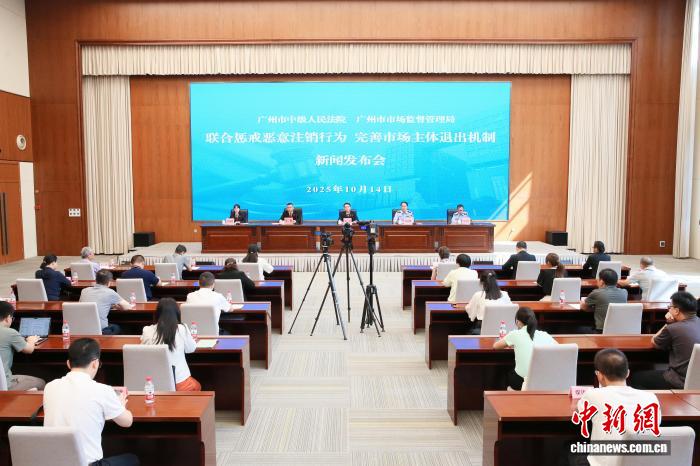
完善市场主体退出机制 广州两部门签署备忘录惩戒恶意注销行为
Zhong Guo Xin Wen Wang· 2025-10-14 07:54
Core Viewpoint - The Guangzhou Intermediate People's Court and the Guangzhou Market Supervision Administration have signed a memorandum to jointly address malicious deregistration behaviors, aiming to improve the market exit mechanism and enhance the integrity of the market environment [1][3]. Group 1: Background and Context - The memorandum was signed during a press conference held on October 14, 2023, highlighting the ongoing reforms in the commercial registration system in Guangzhou [1][3]. - The city has implemented measures to simplify the deregistration process, allowing businesses with clear debt relationships to exit the market efficiently, thereby improving resource utilization [1]. Group 2: Issues Addressed - Some enterprises have exploited the deregistration convenience provided by the reforms to engage in "false liquidation" and "malicious deregistration," disrupting the order of market registration and wasting judicial resources [3]. - These actions harm the legitimate rights of creditors and undermine the foundation of market transaction integrity [3]. Group 3: Mechanisms Established - The memorandum establishes a comprehensive governance mechanism that includes "front-end prevention, mid-end detection, and end-end punishment" to address malicious deregistration [3]. - The front-end mechanisms involve "legal notification and legal publicity," while the mid-end mechanisms include "information sharing, joint investigation, and bilateral notification" [3]. - The end-end mechanisms consist of "administrative revocation, judicial accountability, and credit punishment" [3]. Group 4: Implications - The signing of the memorandum and the release of typical cases represent significant steps towards maintaining market integrity, promoting the construction of a social credit system, and optimizing the legal business environment in Guangzhou [3].

甘肃永靖:三维发力筑牢信用基石,为高质量发展注入“信”动能
Zhong Guo Fa Zhan Wang· 2025-09-29 09:39
Core Insights - Gansu Province's Yongjing County is implementing a comprehensive strategy to enhance its social credit system, integrating credit construction into various economic and social development aspects to support high-quality development under the "Blue Yellow River, Sunny Yongjing" initiative [1] Dimension One: Development and Reform Bureau - The Yongjing County Development and Reform Bureau is promoting the "Gansu Province Credit Easy Loan, Longxing Tong" platform as a key tool for improving the business environment and supporting the real economy, achieving a registration completion rate of 110.35% with 3,987 small and micro enterprises and individual businesses registered [2] - A total of 863 enterprises have successfully obtained loans, representing 6.10% of registered entities, exceeding the target of 5%, with over 60% of financing products tailored for small and micro enterprises [2] Dimension Two: Market Supervision - The County Market Supervision Administration has organized large-scale training sessions on integrity management for business entities, leading to the signing of "Integrity Commitment Letters" to promote lawful operations and consumer trust [3] - This initiative complements the "Credit Easy Loan" efforts, fostering a social atmosphere where trust is rewarded and dishonesty is penalized [3] Dimension Three: Culture and Tourism - The Yongjing County Culture, Sports, Radio, and Tourism Bureau is focusing on promoting integrity culture to enhance the tourism business environment, especially during peak seasons like the Spring Festival [4] - The Liujiashan International Paragliding Camp has been highlighted as a model for integrity, achieving over 3,000 visitors and a satisfaction rate of 96%, setting a benchmark for other tourism enterprises in the county [4] - Future plans include deepening departmental collaboration and enhancing the functionality of the credit information platform to further advance the social credit system [4]

2025年全国“诚信兴商宣传月”在湖北咸宁启动
Xin Hua Wang· 2025-09-22 16:25
Core Points - The 2025 National "Integrity and Business Promotion Month" was officially launched in Xianning, Hubei Province, with the theme "Honesty and Trustworthiness, Benefiting Enterprises and People" aimed at promoting integrity culture and optimizing the consumption environment [1][2] - The event will focus on 14 aspects, including selecting integrity cases, issuing integrity initiatives, and popularizing credit knowledge to foster a strong atmosphere of "valuing integrity, emphasizing integrity, and upholding integrity" across various industries [1] - The Ministry of Commerce will guide local departments to hold "Integrity and Business" enterprise connection activities in 10 key provinces and "Credit Benefits the People" activities in 20 major business circles during the promotional month [1][2] Industry Initiatives - The Ministry of Commerce aims to comprehensively advance the construction of the business credit system by developing credit sales, credit financing, and expanding credit consumption to enhance market vitality [1] - The National Development and Reform Commission, in collaboration with the Ministry of Commerce and other members of the inter-ministerial joint meeting on social credit system construction, is working to improve the top-level design of credit construction and deepen classified supervision [2] - The Market Supervision Administration is promoting the establishment of an integrity measurement system, which includes self-commitment from operators, government promotion, and social supervision to effectively regulate market measurement behavior [2] Collaborative Efforts - Six national key industry associations, including the China Business Federation and the China Consumers Association, jointly issued an integrity initiative during the launch ceremony, calling on enterprises to create an honest and trustworthy market environment [2] - The "Integrity and Business Promotion Month" has been held continuously for 21 years since its inception in 2005, becoming a brand activity for promoting integrity concepts and culture [2]
青岛以信韵绽芳华
Zhong Guo Jin Rong Xin Xi Wang· 2025-09-18 02:55
Group 1: Social Credit System in Education - The social credit system in Qingdao is deeply integrated into key sectors such as education, culture, tourism, and finance, driving high-quality regional development [1] - Lichai Primary School in Jiaozhou has developed a unique credit education brand using the "1+2+3+N" methodology, setting a benchmark for campus credit construction [1] - The school has established a comprehensive system for credit management, including credit grading, commitments, and points, supported by a dedicated team [1][2] Group 2: Community Collaboration - Lichai Primary School has created a "five-in-one" communication mechanism involving families, banks, enterprises, merchants, and communities to foster a collaborative educational environment [2] - The school promotes a credit integration ecosystem through activities that encourage interaction between families and schools, as well as community engagement [2] Group 3: Tourism Development in Yanghe Town - Yanghe Town is leveraging its natural beauty and cultural resources to transform its tourism industry by integrating social credit elements into every aspect of tourism [2][3] - The town has initiated a "credit + tourism" model, enhancing local cultural appeal and revitalizing the tourism sector [2] Group 4: Credit Points System in Tourism - Yanghe Town has implemented a credit points system for tourists, offering discounts and benefits for those with good credit ratings, thereby stimulating tourism consumption [3] - The town has created immersive cultural experiences, such as "non-heritage workshops," allowing visitors to engage with local traditions and crafts [3] Group 5: Financial Support for Agriculture - Qingdao Rural Commercial Bank in Jiaozhou is focusing on rural finance, using credit as a key tool to support agricultural development and rural revitalization [4][5] - The bank has established strong connections with local development agencies to provide targeted financial support for modern agricultural parks and new business entities [5] - Innovative loan products have been introduced to address financing challenges in rural areas, enhancing accessibility for farmers and agricultural operators [5]

2025年全国“诚信兴商宣传月”启动仪式将于9月22日在咸宁举办
Sou Hu Cai Jing· 2025-09-17 10:46
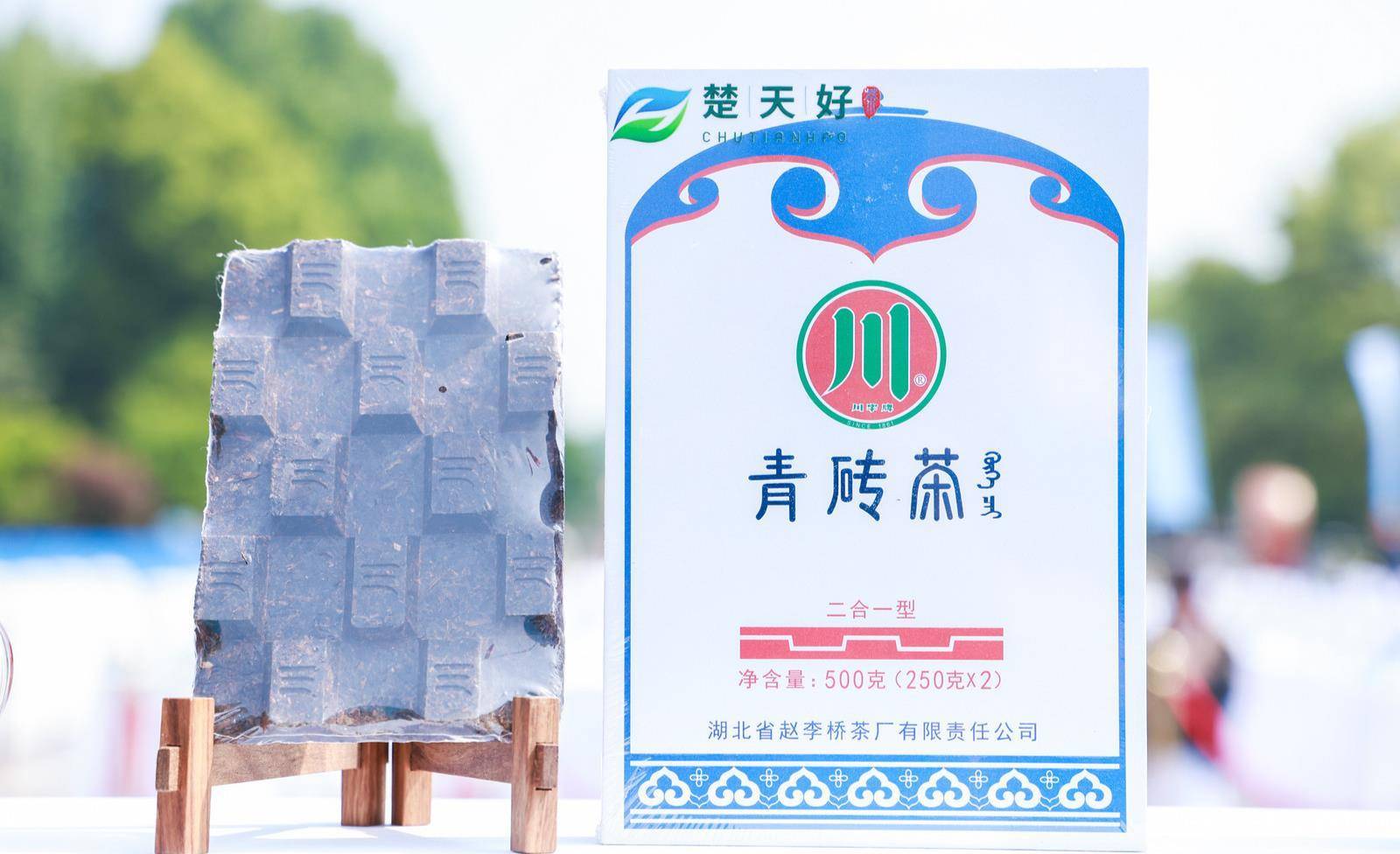
Group 1 - The event "2025 National Integrity and Business Promotion Month" will be launched on September 22 in Xianning, co-hosted by the Ministry of Commerce and Hubei Provincial Government, with the theme "Honesty and Trustworthiness, Benefiting Enterprises and People" [1] - National key business associations will jointly issue an initiative to promote integrity in business and the construction of a social credit system, aiming to foster industry self-discipline and a culture of honest operations [1] - The "Buy Hubei" autumn consumption promotion event will be held alongside the launch, featuring a themed market focused on Hubei's specialty products [1] Group 2 - The themed market will consist of six major sections: revitalization of time-honored brands, landmark boutique products, healthy consumption, financial benefits for the public, bulk consumption, and a cultural feast [1] - The revitalization section will showcase century-old brands from Hubei, highlighting their integrity and innovative vitality [1] - The landmark boutique section will feature geographical indication products like Chibi Qingtian tea and Xianning osmanthus, showcasing the unique charm of Jingchu culture [1] - The healthy consumption section will focus on new experiences related to healthy living products [1] - The financial benefits section will include various financial institutions offering consumer loans and other financial products aimed at benefiting the public [1] - The bulk consumption section will include exhibitions and sales of large consumer goods such as automobiles [1] - The cultural feast section will combine local cultural performances, allowing consumers to experience cultural heritage while shopping [1]
三亚与佳木斯携手打造跨区域信用合作
Hai Nan Ri Bao· 2025-09-05 01:12
Core Viewpoint - The signing of a cross-regional social credit system cooperation agreement between Sanya and Jiamusi marks a new phase of institutionalized and normalized credit cooperation, enhancing the business environment in both regions [1] Group 1: Cooperation Agreement Details - The cooperation focuses on five key areas: establishing a collaborative promotion mechanism, achieving mutual recognition of credit scores, expanding "credit ease" cross-regional scenarios, promoting mutual recognition of credit reports, and jointly conducting credit repair and dishonesty governance [1] - This partnership aims to break down regional credit barriers, enabling information sharing, scenario recognition, and complementary advantages [1] Group 2: Economic Impact - The collaboration is expected to enhance the efficiency of credit supervision and services in both regions, thereby optimizing the business environment [1] - By deepening cooperation and leveraging credit as a link, the two cities aim to create a model for cross-regional credit cooperation, injecting momentum into regional economic development [1]
昆明市发展改革委组织召开2025年全市高频失信企业信用修复现场会办会
Sou Hu Cai Jing· 2025-09-03 11:49
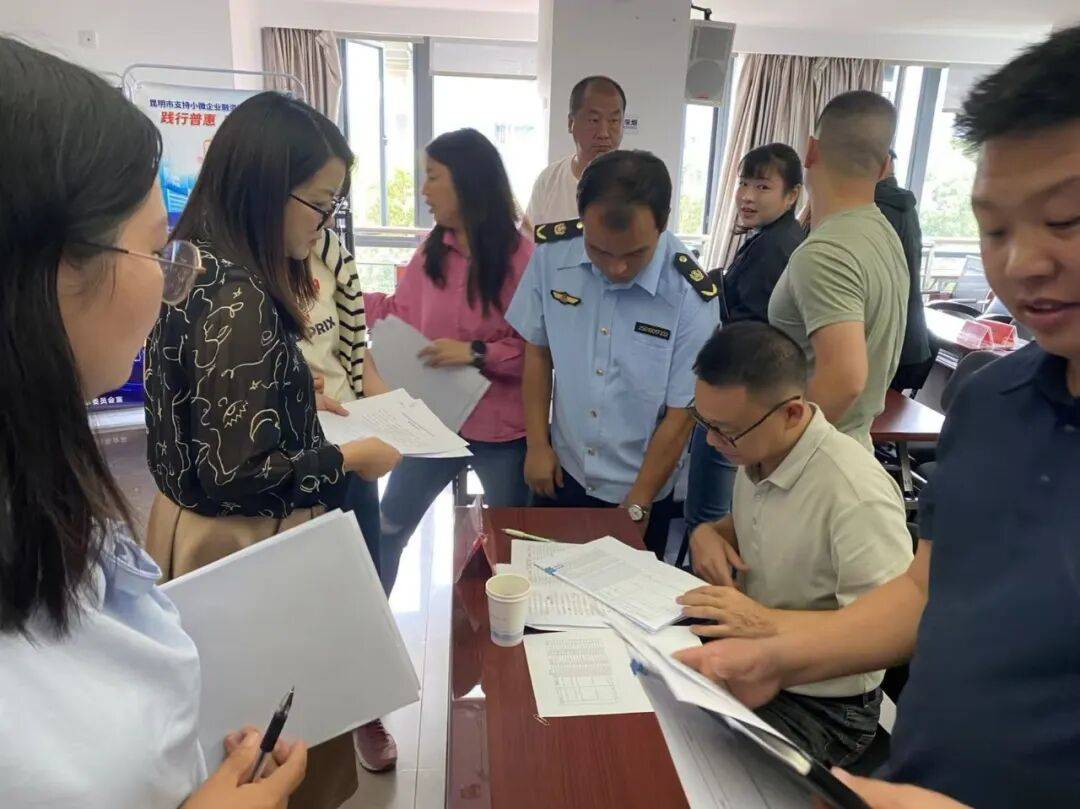
Group 1 - The core objective of the event is to advance the governance of high-frequency dishonest behaviors and optimize the business environment through a credit repair initiative for dishonest enterprises [2][3] - The city development and reform commission organized a specialized training on how to apply for credit repair, involving multiple departments to provide one-on-one guidance to over 20 enterprises [3] - A total of more than 180 administrative penalty records were addressed for credit repair during the event, highlighting the collaborative effort of various departments [3] Group 2 - The credit repair system is a crucial mechanism in building a social credit system, impacting both enterprise reputation and market health [3] - The event aimed to enhance the prevalence and precision of credit repair through on-site collaboration between city and county-level departments, promoting a better market credit environment [3] - Participating enterprises engaged in a credit commitment activity, reinforcing their awareness of credit and encouraging compliance with integrity commitments [3]
企业所得税不征税收入
蓝色柳林财税室· 2025-09-02 00:55
Core Viewpoint - The article discusses the classification and management of non-tax revenue, including various types of government funding and administrative fees, and their implications for corporate income tax calculations [10][12][14]. Group 1: Non-Tax Revenue Categories - Non-tax revenue includes government funding allocated to budget-managed institutions and social organizations, except where otherwise specified by the State Council [4]. - Administrative fees are defined as charges collected according to laws and regulations during the provision of specific public services, which are then included in fiscal management [5]. - Government funds refer to special-purpose financial resources collected from enterprises, as defined by the State Council and relevant financial authorities [7][9]. Group 2: Management of Non-Tax Revenue - Various types of fiscal funds received by enterprises, excluding state investments and repayable funds, should be included in the total revenue for the year [11]. - Special-purpose fiscal funds approved by the State Council can be treated as non-tax revenue, allowing for deductions from taxable income [12]. - Budget-managed institutions and social organizations can also classify certain fiscal subsidies as non-tax revenue, subject to specific regulations [12]. Group 3: Deductions and Exemptions - Government funds and administrative fees paid by enterprises, as approved by the State Council, are deductible when calculating taxable income [14]. - Income from government funds that has not been remitted to the treasury cannot be deducted from total revenue [16]. - Expenditures related to non-tax revenue cannot be deducted when calculating taxable income, and any assets formed from such funds are subject to depreciation rules [17][18].