
自有IP

Search documents
为让名创优品叶国富搞潮玩,做了很完整的商业计划书 | 对话TOP TOY孙元文
36氪· 2025-04-02 10:17
Core Viewpoint - The article discusses the competitive landscape of the collectible toy market, focusing on TOP TOY's strategies and growth in comparison to its competitor, Pop Mart. It highlights TOP TOY's unique approach of leveraging existing popular IPs for product development rather than creating its own IPs, which has proven to be a more viable business model. Group 1: Company Performance - Pop Mart has reported a revenue exceeding 10 billion yuan, with profits increasing by over 180%, achieving a market capitalization of over 200 billion HKD [4] - TOP TOY, under Miniso, opened its first flagship store in Shanghai and plans to expand globally, targeting 1,000 stores in 100 countries over the next five years [4] - TOP TOY's revenue reached 980 million yuan last year, marking a 45% year-on-year growth, and the number of stores increased from 148 to 276 [6] Group 2: Business Strategy - TOP TOY's founder, Sun Yuanwen, emphasizes that the company does not view Pop Mart as a direct competitor, as they operate in different segments of the market [8] - The company initially attempted to develop its own IP but faced significant losses, leading to a strategic pivot towards creating products based on established IPs [9][12] - TOP TOY aims to become a global brand by expanding its store presence worldwide, similar to its parent company Miniso [9][10] Group 3: Market Positioning - Sun believes that the uniqueness of an IP is less important than its design, focusing on reimagining popular IPs rather than using original designs [19][21] - The company has shifted its product sourcing strategy from a 70-30 split (self-developed vs. sourced products) to a 50-50 split, with plans to move towards a 70-30 model favoring self-developed products in the future [36][37] - TOP TOY's approach is likened to an Android model, allowing for a diverse range of products, while Pop Mart is compared to an iOS model with a closed ecosystem [40][47] Group 4: Future Outlook - The company plans to focus on store openings and product development, continuously engaging with consumers to explore new IP opportunities [52] - There is a shared concern within the industry about consumer fatigue towards collectible toys, which could impact future sales [54]



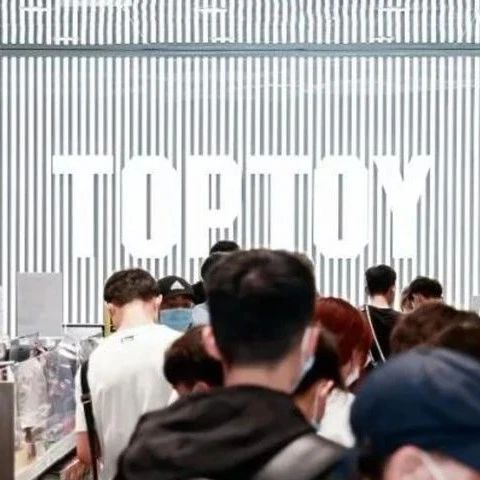
为了「骗」名创优品叶国富的钱,做了很完整的商业计划书 | 对话TOP TOY孙元文
3 6 Ke· 2025-04-02 02:56
Core Insights - The main focus of the article is on the growth and strategic direction of the collectible toy industry, particularly highlighting the performance of Pop Mart and TOP TOY, as well as their differing approaches to market competition. Group 1: Company Performance - Pop Mart has reported a revenue exceeding 10 billion yuan, with profits increasing by over 180%, achieving a market capitalization of over 200 billion HKD [1] - TOP TOY, a brand under Miniso, opened its first flagship store in Shanghai and plans to expand globally, aiming to establish over 1,000 stores in 100 countries within five years [1][2] - TOP TOY's revenue reached 980 million yuan last year, marking a 45% year-on-year growth, and the number of stores increased from 148 to 276 [2] Group 2: Strategic Direction - TOP TOY's strategy focuses on the secondary creation of large IPs, contrasting with Pop Mart's emphasis on proprietary IP development [2][4] - The company aims to become a global brand, similar to its parent company Miniso, by expanding its store presence worldwide [2][4] - TOP TOY has already opened five stores in Southeast Asia and plans for overseas sales to account for over 50% of its revenue [2] Group 3: Competitive Landscape - TOP TOY does not view Pop Mart as a direct competitor, as they operate in different market segments, with TOP TOY focusing on large IP adaptations [2][30] - The founder of TOP TOY believes that the uniqueness of an IP is less important than its design and marketability, which allows for a more predictable business model [7][10] - The company has shifted its product strategy from a 70-30 split of self-developed to externally sourced products to a 50-50 split, with plans to move towards a 70-30 ratio favoring self-developed products in the future [23] Group 4: Market Insights - The collectible toy market is seen as a growing sector, with both companies benefiting from increased consumer interest, particularly in blind box products [22][39] - The founder of TOP TOY acknowledges the potential risk of consumer fatigue towards collectible toys, which is a shared concern in the industry [39] - The competitive landscape is expected to evolve, with the emergence of new brands and products, indicating a dynamic market environment [30][38]
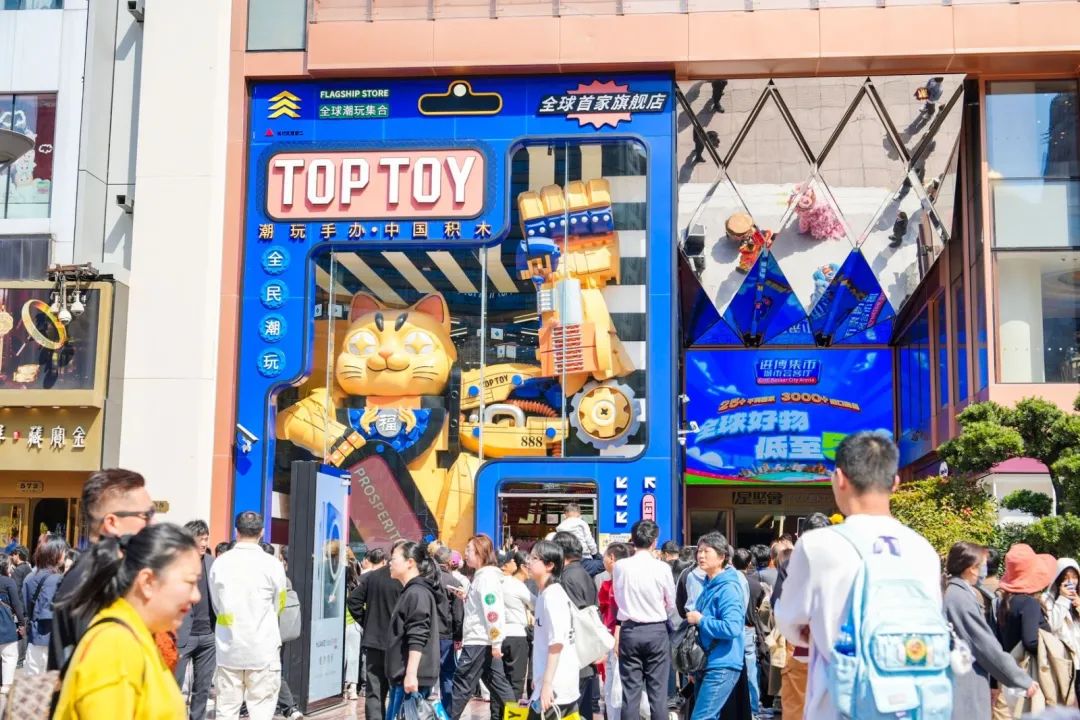
TOP TOY孙元文:我们没有把泡泡玛特当对手|厚雪专访
36氪未来消费· 2025-04-01 12:35
Core Viewpoint - The article highlights the rapid growth and strategic positioning of TOP TOY in the collectible toy market, emphasizing its differentiation from competitors like Pop Mart through a focus on large IP adaptations rather than developing proprietary IPs [3][5][7]. Group 1: Company Performance - Pop Mart reported a revenue exceeding 10 billion yuan, with profits increasing by over 180%, achieving a market capitalization of over 200 billion HKD [3]. - TOP TOY's revenue reached 980 million yuan in the previous year, marking a 45% year-on-year growth, and the number of stores increased from 148 to 276 [5]. - TOP TOY plans to expand its international presence, aiming for over 50% of sales to come from overseas markets [6]. Group 2: Strategic Direction - TOP TOY's founder stated that the company does not view Pop Mart as a direct competitor, as they operate in different segments of the market [7]. - The company initially attempted to create its own IP but faced significant losses, leading to a strategic pivot towards adapting existing large IPs [8][11]. - The focus on large IP adaptations is seen as a more certain path to success, leveraging established user bases and market recognition [8][25]. Group 3: Market Positioning - TOP TOY aims to become a global brand, similar to its parent company, Miniso, with plans to open over 1,000 stores in 100 countries within five years [5][8]. - The company emphasizes the importance of unique design in its products, even when working with established IPs, to differentiate itself in the market [15][17]. - The competitive landscape is viewed as an opportunity for collaboration rather than direct competition, with a desire for multiple brands to thrive in the collectible toy space [41][42]. Group 4: Future Outlook - The company is focused on product development and store expansion as its primary objectives for the next 1 to 3 years [46]. - There is a recognition of the potential risks associated with consumer interest in collectible toys, which could impact the market as a whole [48].
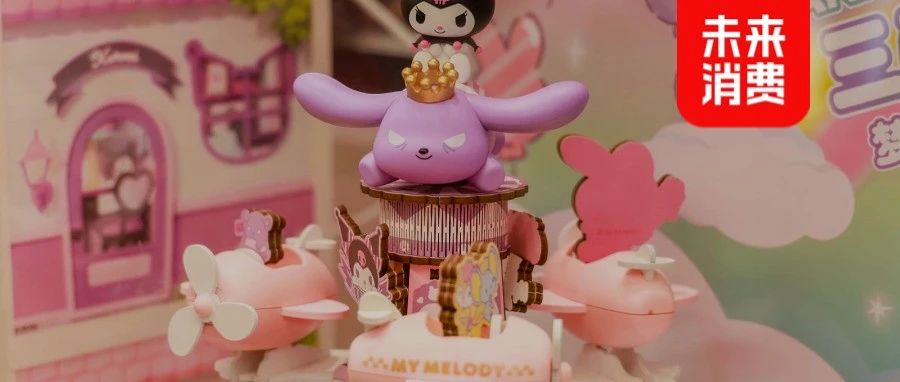
烧钱“买买买”,名创优品能否撕下“十元店”标签
3 6 Ke· 2025-03-31 12:08
Core Insights - Miniso has made a strategic investment in Lingmouse Animation, a company founded by Jin Jin, known for creating the popular IP "Ye Luo Li," which has generated over 10 billion yuan in sales from its merchandise [1][2] - This investment indicates Miniso's shift towards developing its own IPs, reducing reliance on high licensing fees for existing popular IPs [2][3] Group 1: Investment and Business Strategy - Miniso's investment in Lingmouse Animation is part of its broader strategy to enhance its core business by exploring self-owned IP models [2][6] - The company has spent 420 million yuan on licensing fees in the past year, highlighting the financial burden of relying on external IPs [2][3] - Miniso aims for IP products to account for over 50% of its total sales by 2028, with current IP product sales already exceeding 30% [4] Group 2: Financial Performance and Market Position - In 2024, Miniso's total revenue is projected to grow by 22.8% to 17 billion yuan, with adjusted net profit increasing by 15.4% to 2.72 billion yuan [7] - Despite rapid expansion, same-store sales growth has declined, raising concerns among investors, as evidenced by a 9.75% drop in stock price following the financial report [7][8] - The average transaction value has risen to 38.1 yuan, with gross margins climbing to 44.9% [4] Group 3: Market Dynamics and Competition - The market for IP products is becoming increasingly competitive, with many retailers entering the space, leading to a "red ocean" scenario [10][11] - Miniso's strategy includes targeting younger consumers, particularly the Alpha generation, and adapting its product offerings accordingly [12][13] - The number of companies in the toy and IP sector has surged, with over 20,800 related enterprises currently registered in China, reflecting a 30.27% increase in new registrations [13][14]