
物联网

Search documents
全国首个“保险+租赁”具身机器人保单在上海落地
Xin Hua Cai Jing· 2026-01-04 12:42
Core Insights - The signing of the "embodied robot insurance cooperation" marks the launch of China's first "insurance + leasing" policy for embodied robots, providing innovative financial risk protection for the industry [1][2] Group 1: Industry Context - Embodied intelligent robots are rapidly integrating into various industries, with technology evolving from demonstrations to practical applications since 2025 [2] - The demand for risk protection is increasing as embodied robots are deployed in real-world scenarios, leading to incidents such as equipment damage and third-party property loss [2] Group 2: Challenges in Insurance - The insurance sector faces three main challenges in providing coverage for embodied robots: strong confidentiality of core technology data, the majority of robot manufacturers being startups, and difficulties in moral hazard prevention under single-device ownership models [2][3] Group 3: Innovative Insurance Solutions - The collaboration between Ping An Property & Casualty and Shanghai Electric leverages financing leasing to achieve bulk insurance, clarifying application scenarios and usage standards for robots [3] - Ping An Property & Casualty utilizes advancements in AI, IoT, and big data risk control to enhance risk assessment and management, offering proactive maintenance suggestions and safety operation guidelines [3] Group 4: Future Outlook - The successful launch of the first policy is seen as a starting point for ongoing financial innovation in the embodied intelligent robot sector, aiming to support the development and application of technology [4]


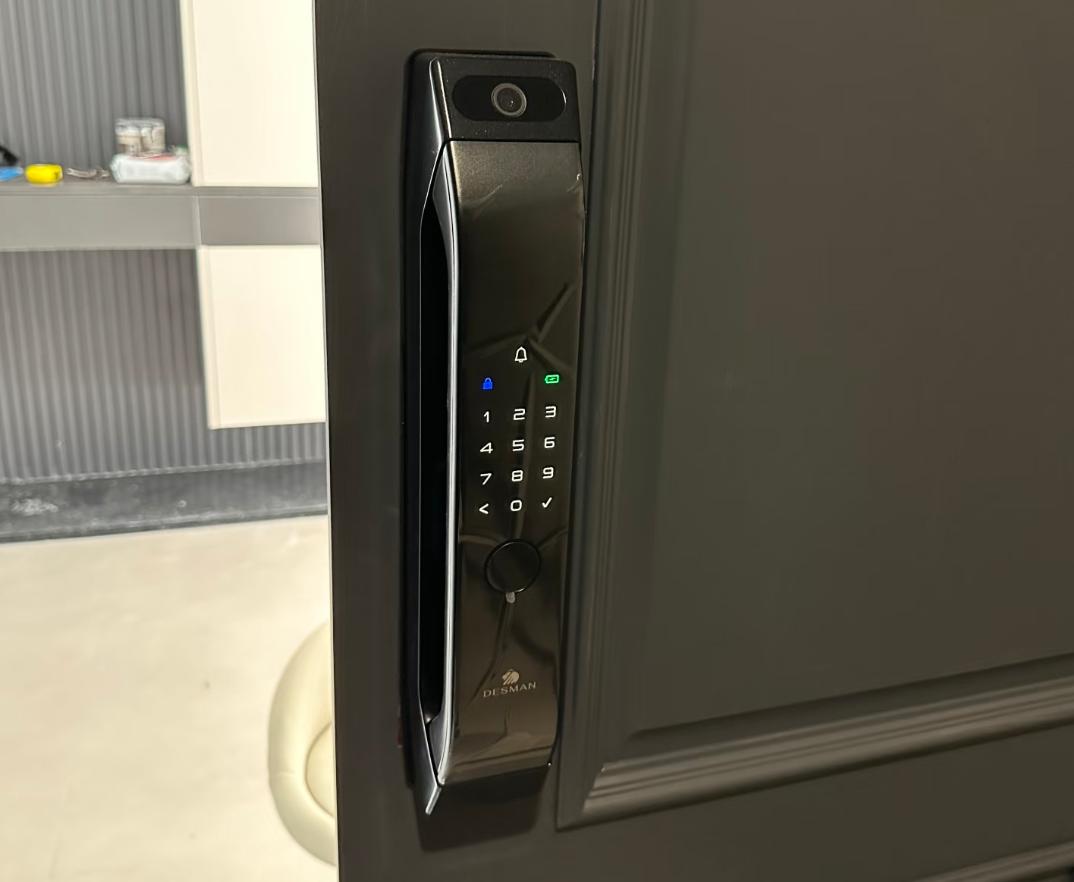
曾被吐槽“智障”的AI智能锁,快被年轻人玩坏了
3 6 Ke· 2026-01-04 09:29
Group 1 - The core idea of the article is the transformation of smart locks from being criticized as "artificial intelligence disabilities" to becoming essential components of smart home ecosystems, driven by technological advancements and consumer demand for convenience and security [36] - The smart lock market in China is experiencing significant growth, with a penetration rate of over 40% in first-tier cities by 2025, and the global smart door lock market is projected to reach $2.77 billion in 2024, growing to $8.1 billion by 2030 [3][10] - Major companies like Xiaomi, Huawei, and Haier are heavily investing in the smart lock sector, leading to intense competition and a "red ocean" market environment [3][14] Group 2 - The evolution of smart locks has led to advanced features such as AI capabilities, biometric recognition, and seamless integration with other smart home devices, enhancing user experience [5][15] - The first batch of smart lock users is entering a 5-7 year replacement cycle, creating a dual opportunity for both replacement and new market penetration [14] - Smart locks are becoming the "first entry point" in smart homes, with companies like Huawei positioning their products as integral to their broader smart home ecosystems [15][17] Group 3 - The article highlights the importance of security and reliability in smart locks, noting that despite advancements, there have been incidents of malfunction and security breaches, raising consumer concerns [29][31] - Companies are focusing on improving biometric recognition technologies, such as palm vein recognition, to address issues with traditional fingerprint locks and enhance security [24][28] - Data privacy is a significant concern, as many smart locks store sensitive user information, and inadequate data encryption could lead to privacy breaches [34]




交通运输部:依托交通基础设施数字化转型升级,运用物联网等技术提升交通基础设施及运载装备数据采集智能化水平
Cai Jing Wang· 2026-01-04 09:10
Core Viewpoint - The Ministry of Transport has issued an implementation opinion aimed at accelerating the development and utilization of public data resources in the transportation sector, emphasizing the importance of data collection and integration [1] Group 1: Data Collection and Integration - The initiative focuses on enhancing the collection and integration of public data resources, leveraging digital transformation in transportation infrastructure [1] - The use of Internet of Things (IoT) technology is highlighted to improve the intelligence level of data collection for transportation infrastructure and equipment [1] - A collaborative data integration mechanism among provinces will be established to ensure efficient aggregation of key industry data on the national comprehensive transportation information platform [1] Group 2: Data Resource Management - The implementation opinion promotes a data resource directory as a foundation for "on-demand collection and comprehensive aggregation" of data resources [1]
2025中国大数据产业白皮书
Sou Hu Cai Jing· 2026-01-04 00:31
Core Insights - The "2025 China Big Data Industry White Paper" emphasizes that big data has become a core driving force for transformation in the digital age, characterized by its scale, diversity, speed, and value [1][9][38] - The global big data market is expected to grow steadily, with IDC predicting a total IT investment of approximately $413.4 billion by 2025, with the Asia-Pacific region leading at a 22% growth rate [1][11] - China's big data industry is projected to exceed 3 trillion yuan by 2025, accounting for 65% of the Asia-Pacific market [1][11] Industry Growth and Trends - By 2025, global data traffic is expected to reach hundreds of exabytes (EB), with a tenfold increase in storage capacity over the next decade [1][11] - The integration of technologies such as 5G, IoT, cloud computing, and AI is enhancing the efficiency of data collection, storage, and processing [1][11][20] - The Chinese big data industry has formed 38 sub-sectors with 49,248 companies, including leading firms like Alibaba Cloud, Huawei, and Hikvision, indicating a rising market concentration [1][11] Applications Across Sectors - Big data applications are penetrating various industries, including finance, healthcare, agriculture, manufacturing, and transportation, addressing core pain points [1][11][19] - In finance, big data enables precise risk control and inclusive finance, while in healthcare, it supports accurate diagnosis and health management [1][11][19] - The retail sector benefits from big data through enhanced marketing strategies, inventory management, and supply chain optimization [1][29][30] Future Outlook - The future of big data will see deeper integration with AI, driving transformations across production paradigms, social structures, and cultural prosperity [1][11][38] - Ethical norms and governance systems will be essential to address challenges associated with big data, supporting high-quality development of the digital economy [1][11][38]

进博故事丨『人民日报』进博会是全球创新落地中国的桥梁
Xin Lang Cai Jing· 2026-01-04 00:25
Core Insights - The China International Import Expo (CIIE) has been a platform for companies like Samsung to showcase innovations and connect global technology with Chinese consumer demands over the past eight years [1][4] - Samsung's participation in the eighth CIIE highlighted its advancements in artificial intelligence, display technology, smart home appliances, semiconductors, mobile communication, and the Internet of Things [1][2] Group 1: Innovation and Product Development - Samsung showcased its latest foldable smartphone, the W26, which has evolved from a concept to a popular choice among Chinese consumers since its first introduction in 2019 [2] - The company presented its first 115-inch Micro RGB TV at the eighth CIIE, demonstrating advancements in display technology [2] - Samsung introduced the "AI Home" solution, featuring various AI modules that enhance smart living experiences, including a refrigerator capable of ingredient recognition and voice-activated door opening [2][3] Group 2: Market Adaptation and Consumer Engagement - Samsung is committed to addressing the evolving needs of Chinese consumers by launching products tailored to the local market, emphasizing the importance of innovation in enhancing user experience [2] - The Galaxy Ring, a smart health monitoring device, was also showcased, highlighting consumer interest in smart home appliances and health technology [3] Group 3: Investment and Supply Chain Development - Over the past eight years, Samsung has adjusted its investment strategy in China, with a total investment nearing $55 billion by the end of 2024, focusing on advanced industries [4] - The company has established a leading MLCC factory in Tianjin, which began mass production in 2021, meeting the high demand for electronic components in various sectors [5] - Samsung is actively enhancing its supply chain by collaborating with local suppliers to improve production capabilities and promote green supply chain initiatives [5]
“全屋智能”成为新消费时尚 家电消费释放全新“智”力
Xin Lang Cai Jing· 2026-01-03 13:05
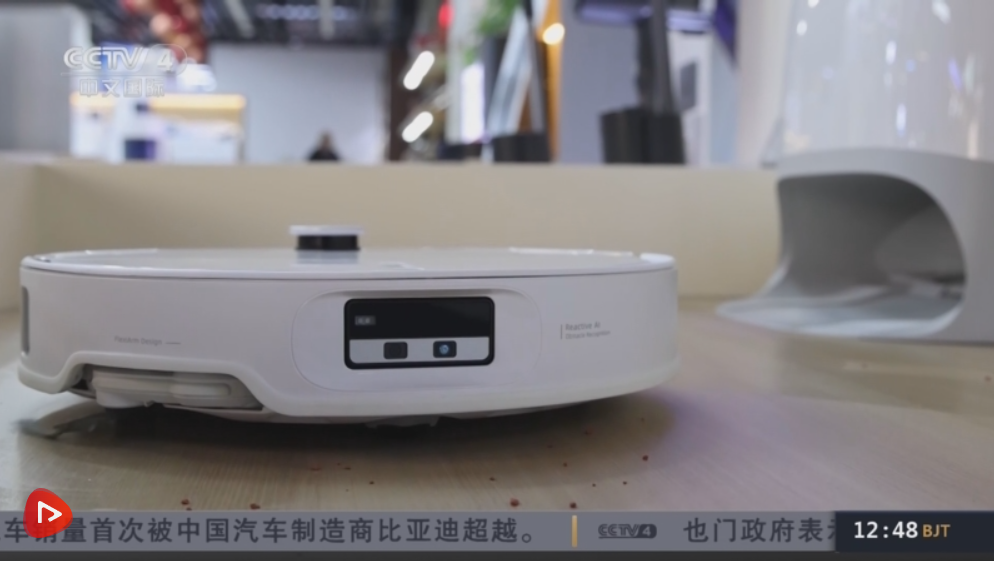
Core Insights - The rapid development of technologies such as 5G and artificial intelligence has led to the increasing integration of smart devices into households, enhancing quality of life and driving consumer spending [1][20] - Young consumers are shifting from "single smart products" to "whole-home smart solutions," indicating a new trend in smart home consumption [15][11] Industry Trends - The trend towards smart home technology is characterized by a significant increase in the proportion of consumers under 35 years old, accounting for nearly 60% of home appliance purchases [11] - There is a growing preference among consumers for smart home appliances that offer enhanced user experiences, with many willing to pay more for these features [13] - The integration of Internet of Things (IoT) and artificial intelligence is facilitating the evolution of smart homes, allowing for seamless interaction between devices [17] Market Dynamics - The implementation of policies such as trade-in programs has stimulated the smart appliance market, with projected sales exceeding 2.6 trillion yuan by 2025, benefiting over 360 million people [20] - The Chinese home appliance market is transitioning from a phase of mass consumption to one focused on upgrading existing products, emphasizing new features, technologies, and experiences [23]

“全屋智能”成为新消费时尚 家电消费释放全新“智”力 | 2026消费生活观察
Yang Shi Wang· 2026-01-03 12:42
Core Viewpoint - The rapid development of technologies such as 5G and artificial intelligence is driving the adoption of smart home devices, with "whole-home smart" solutions becoming the new trend among young consumers, replacing "single-product smart" options [1][12]. Industry Trends - The smart home industry is evolving from "single-product smart" to "whole-home smart" solutions, allowing multiple devices to interact seamlessly, enhancing user experience [13][15]. - Young consumers, particularly those under 35, represent nearly 60% of the home appliance market, indicating a significant shift towards younger demographics in smart home consumption [12]. Consumer Behavior - Young consumers are increasingly prioritizing the novelty, functionality, and value of smart home devices, influencing their purchasing decisions [12]. - The integration of smart devices into daily life is enhancing comfort and convenience, as exemplified by users who prefer smart appliances that automate routine tasks [9][11]. Market Dynamics - The implementation of policies such as trade-in programs is stimulating the smart appliance market, with projected sales exceeding 2.6 trillion yuan by 2025, benefiting over 360 million people [17]. - The Chinese home appliance market is transitioning from a phase of mass consumption to one focused on upgrading existing products, emphasizing new features, technologies, and experiences [19].
机器人“跑”起来助推物流“加速跑” 数万快递开启新年之旅抵达千家万户
Yang Shi Wang· 2026-01-02 10:33
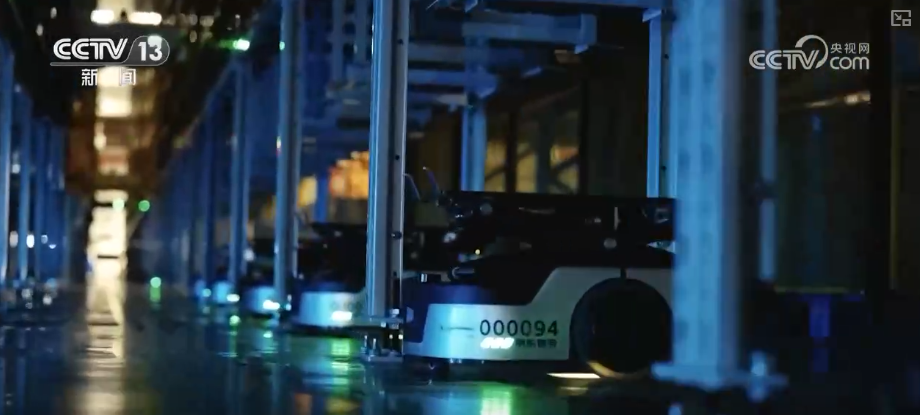
Core Viewpoint - The logistics industry experiences a peak during the New Year holiday, with significant advancements in automation and efficiency in smart warehouses, exemplified by the operations in Beijing Daxing. Group 1: Warehouse Operations - The smart warehouse spans over 3,000 square meters and utilizes nearly 200 robots to handle over 30,000 packages daily, showcasing a fully automated process from storage to delivery [5][21] - The warehouse contains approximately 1 million items organized on 12-meter high shelves, demonstrating the scale and efficiency of automated logistics [5] - The role of the "smart warehouse operator" has been recognized as a new profession, highlighting the industry's shift towards automation and the need for skilled personnel [11] Group 2: Efficiency and Technology - The implementation of intelligent scheduling algorithms has increased logistics efficiency by two to three times compared to traditional methods [8] - Operators must possess knowledge in various technologies such as IoT, big data, AI, and cloud computing, along with skills in execution, optimization, and decision-making [22] - The surge in orders during peak times has led to a significant increase in operational demands, with current order volumes reaching two to three times the usual levels [15] Group 3: Problem-Solving and Maintenance - Operators act as "general practitioners" for the robots, requiring quick troubleshooting and adjustments to ensure smooth operations during high-demand periods [13] - Rapid response to equipment malfunctions is critical, as demonstrated by the swift repair of a malfunctioning robot, which was completed in under 15 minutes [19] - Continuous monitoring and adjustments are necessary to maintain optimal performance, ensuring timely delivery of packages [19][21]
智能家居:科技赋能,开启未来智慧生活
Sou Hu Cai Jing· 2026-01-02 07:06
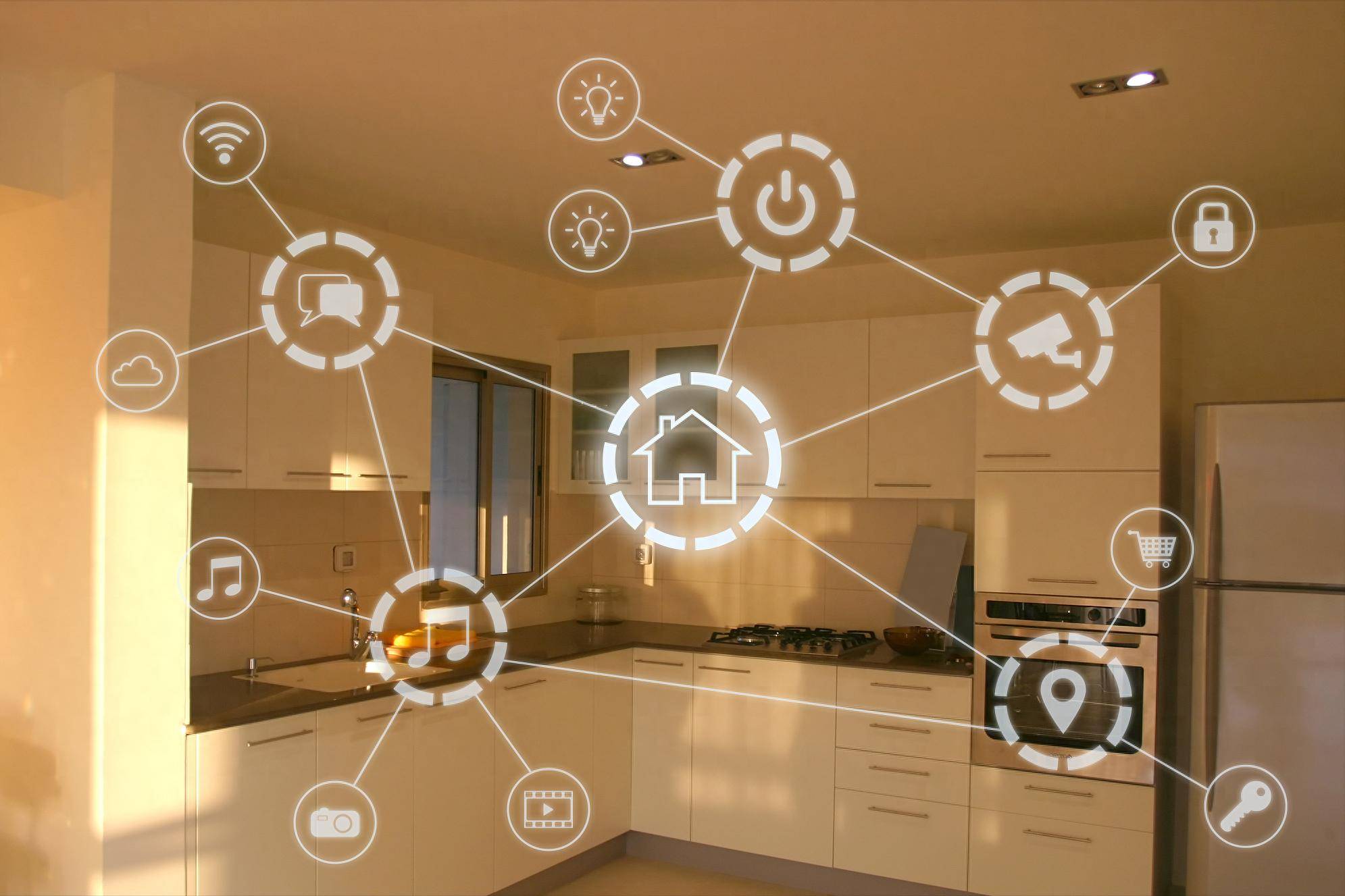
Core Insights - The smart home industry is undergoing transformative changes driven by IoT, AI, and big data, reshaping living experiences into an intelligent ecosystem that is perceptive, interactive, and capable of autonomous decision-making [1] Group 1: Technology and Architecture - Smart home systems are built on IoT technology, utilizing communication protocols like Wi-Fi, Bluetooth, and Zigbee to create a comprehensive smart network [3] - The architecture consists of three layers: the perception layer collects environmental data through sensors, the network layer facilitates data transmission, and the application layer provides user interfaces via smart speakers and mobile apps [3] - Huawei's HarmonyOS Smart Home can connect up to 1,000 devices with a single host and manage 2,500 nodes through multi-host cascading, enhancing stability in complex layouts [3] Group 2: Functionality and Services - Smart home functionalities have evolved from single-device control to comprehensive smart services, including security features like smart locks and real-time intrusion alerts [3] - Environmental control is automated, with smart air conditioners adjusting based on temperature differences and smart curtains responding to light intensity [3] - Huawei's Xiaoyi Butler utilizes 3D modeling for precise command execution, enhancing user interaction with features like whisper mode for late-night commands [3] Group 3: Market Trends and Projections - The smart home market is projected to reach $154.3 billion in 2024 and exceed $269.2 billion by 2030, with whole-home smart solutions accounting for over 60% of the market [6] - The industry is experiencing three major transformations: the shift to wireless connectivity with 5G and Wi-Fi 6, the rise of voice control with over 60% penetration, and the transition from single-device intelligence to whole-home solutions [6] Group 4: Challenges and Future Outlook - Despite the promising market outlook, the smart home sector faces challenges such as fragmented standards and data security issues, with over 30 communication protocols currently in use [7] - The introduction of the Matter protocol aims to unify standards for device interoperability, with major companies like Huawei, Apple, and Google participating in the ecosystem [7] - Future advancements will likely integrate AI and digital twin technologies, enhancing the autonomous learning capabilities of smart homes [7]
2026年“国补”利好“科技购”:不仅是补贴换新,更为培育未来市场
Sou Hu Cai Jing· 2026-01-02 03:08
Core Viewpoint - The 2026 "National Subsidy" policy aims to enhance consumer spending on digital and smart products, addressing the current trend of technological consumption and promoting the upgrade of related industries [1][2]. Group 1: Subsidy Scope - The subsidy will expand to include not only digital products like smartphones and tablets but also smart products, with smart glasses being added for the first time [1][2]. - Local governments are allowed to implement subsidies for smart home products, including those designed for the elderly, based on regional needs [1]. Group 2: Implementation Mechanism - The policy stipulates a 15% subsidy on the purchase price of digital and smart products, capped at 500 yuan per item for purchases under 6000 yuan [3]. - A combination of national uniform standards and local autonomy in subsidy implementation is established to ensure equitable treatment across regions while allowing flexibility to meet local market demands [3]. Group 3: Ensuring Accurate Distribution of Benefits - The policy emphasizes strict regulation to combat issues like fraudulent claims and delayed payments, ensuring that subsidies reach consumers effectively [4][5]. - Enhanced transparency and improved complaint channels are introduced to minimize the potential for corruption and ensure that consumers benefit from the subsidies [5].