
亲清政商关系

Search documents
税企同心谋发展 政商同筑亲清桥
Sou Hu Cai Jing· 2025-04-27 02:28
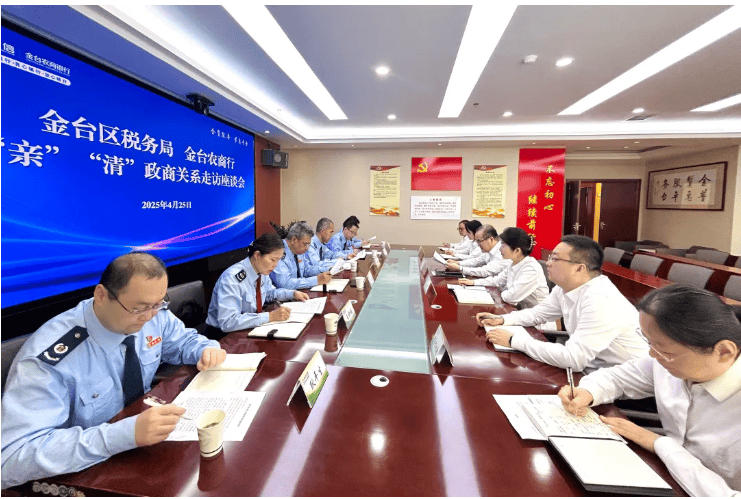
座谈会上,金台农商银行行长张军怀、副行长赵春婷、有关部门参会。张行长围绕全行纳税工作成效、 政策落实及服务地方经济情况作了专题汇报。作为地方金融机构,金台农商银行始终秉持服务"三农"、 支持地方经济发展的宗旨,在各级政府和税务部门的指导与支持下,不断稳健发展。近年来,金台农商 银行始终秉承"依法纳税、诚信经营"理念,认真履行纳税义务,积极为地方经济发展贡献力量,随着业 务规模的逐步扩大和盈利能力的持续增强,金台农商银行纳税贡献持续提升。近三年,金台农商银行年 均纳税增长达到12.69%,纳税总额位于全区企业前列,切实扛起区域金融的责任担当。 会上,税务部门围绕减税降费政策、便民办税措施等进行宣讲,并征求纳税工作意见和建议,就税收政 策、涉税风险等方面与金台农商银行进行深入座谈,推动政企关系走深走实。 为进一步优化营商环境,深化政商协作,4月25日,金台税务局党委书记、局长李小兵带队到金台农商银 行开展"亲""清"政商关系走访座谈。 金台税务局局长李小兵对金台农商银行纳税贡献及服务地方发展的成果表示充分肯定。强调农商行是区 域经济发展的"主力军",税务部门将持续优化服务举措,通过"一对一"政策辅导、简化办税流程 ...

乐见企业家上讲台
Sou Hu Cai Jing· 2025-04-26 22:50
今年以来,从武汉的"企业家大讲堂"到义乌的"干部上'夜校',企业家当讲师",越来越多地方将企业家 请上讲台,为机关单位工作人员授课。课堂之内,政企之间架起了一座交流经验、碰撞思想的桥梁。 从讲课内容来看,企业家或是围绕宏观政策、市场前沿等谈现状、做分析,或是聚焦数字经济、人工智 能等实操话题分享经验。由于企业家对行业趋势、技术更新的敏锐度较高,他们讲课更具实战性、市场 视野,有助于干部开阔眼界。 例如,面对数字化转型等发展新课题,企业家讲述来自产业一线的实践,为相关领域政策的出台提供参 考。又如,企业家讲述自身创业、研发攻关、处理危机的经历,为干部应对当前风险挑战提供启迪、借 鉴。 企业家走上讲台,既是展示自身价值,也是深化政企协作的契机。一方面,企业家以新的身份、新的渠 道表达诉求,直接阐释行业痛点,主动提出操作性强的建议;另一方面,干部透过企业家的角度重新审 视政策效果,让工作更有方向,更精准高效服务民营企业,给民企更多获得感。 企业家走上讲台,所获得的不仅是一个交流的平台,也折射出新时代治理理念和能力的提升。课堂之内 有知识的传递,更有亲清政商关系的推进。当政府以更谦逊的姿态向市场学习,当企业以更强责任 ...
探索设立民营企业政策观察员制度,加快落实“负面清单”制度
Sou Hu Cai Jing· 2025-04-20 03:31
Core Viewpoint - The current stage of high-quality development in China emphasizes the importance of private capital as a core driver of market vitality, with its investment willingness directly impacting economic stability and growth [1][4]. Group 1: Investment Environment - The ongoing "streamlining administration and delegating power" reforms have faced challenges, including abrupt policy changes and hidden barriers that hinder private enterprise investment [1][2]. - The 2022 version of the "Negative List for Market Access" has been reduced to 117 items, yet private enterprises still face entry barriers in sectors like energy, communications, and finance, with actual entry rates below 30% [1]. - A survey indicates that 32% of private enterprises have encountered market access barriers, particularly in sectors with high hidden costs for qualification approvals [1]. Group 2: Financial and Operational Challenges - Private enterprises are currently under pressure from financing, costs, and transformation, with average loan rates for small and micro enterprises being 1.5-2 percentage points higher than state-owned enterprises [1][6]. - The social security contributions for manufacturing enterprises exceed 20% of profits, and the costs associated with digital transformation are rising [1][6]. Group 3: Policy Recommendations - To stabilize the economy and support private enterprises, a combination of policy tools and long-term mechanisms is recommended, including targeted monetary policy adjustments and the establishment of a national private enterprise development fund [6][7]. - Suggestions include enhancing tax incentives, increasing the R&D expense deduction rate to 150%, and promoting a "technology commissioner" system to support innovation [6][7]. Group 4: Legal and Competitive Environment - Establishing a fair competitive market environment is crucial, with recommendations to eliminate hidden barriers and ensure equal treatment for all types of enterprises [5][8]. - The construction of a unified national market and the promotion of competitive allocation mechanisms in public services and infrastructure are essential for breaking regional monopolies [5][8]. Group 5: Trust and Communication - Building a "clear and friendly" government-business relationship is vital, with a focus on establishing a negative list for government-business interactions to clarify roles and responsibilities [8]. - Strengthening the legal framework and improving public perception of private enterprises are necessary to foster a supportive environment for business development [8].