战后国际秩序

Search documents
严正批驳日方!中方再次致函古特雷斯,向全体会员国散发
财联社· 2025-12-01 23:53
《联合国宪章》规定,各会员国在其国际关系上 不得使用威胁或武力,不得侵害任何会员国或国 家之领土完整或政治独立。高市早苗错误言论违 反《联合国宪章》宗旨、原则和有关规定,日方 何谈"始终尊重和遵守包括《联合国宪章》在内的 国际法"?国际社会应认清高市早苗错误言论的严 重危害,对日方颠覆战后国际秩序的野心保持高 度警惕。 四、日本代表在致函中还影射指责他国的国防力 量建设。我愿提请秘书长先生注意以下事实:日 本战败以来,日本国内右翼势力从未停止推动为 侵略历史翻案;多年来日本不断大幅调整安保政 策,日本的防卫预算已经"十三连增";日本已经 修改战后长期坚持的"武器出口三原则",开始出 口杀伤性武器;日本还在图谋修改"无核三原 则",为引进核武器打开方便之门。很显然,日方 早已突破"专守防卫",正在重新武装。所谓"扩张 军力"、"不顾周边邻国反对单方面改变现状"、 据央视新闻,12月1日,中国常驻联合国代表傅聪再次致函联合国秘书长古特雷斯,针对日本常驻联合国代表山崎和之11月24日给古特雷斯秘书长致 函中有关无理狡辩言论予以严正批驳,并阐明中国政府立场。致函全文如下: 二、包括日本代表致函在内,日方声称坚持"一贯 ...

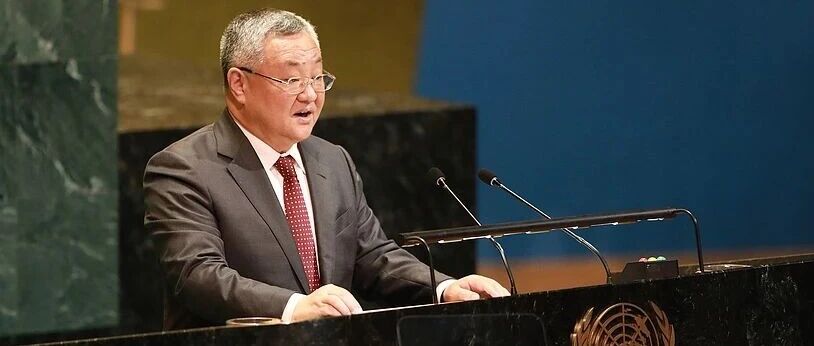
中国代表致函联合国秘书长严正批驳日方无理狡辩
Xin Hua She· 2025-12-01 23:30
《联合国宪章》规定,各会员国在其国际关系上不得使用威胁或武力,不得侵害任何会员国或国家 之领土完整或政治独立。高市早苗错误言论违反《联合国宪章》宗旨、原则和有关规定,日方何谈"始 终尊重和遵守包括《联合国宪章》在内的国际法"?国际社会应认清高市早苗错误言论的严重危害,对 日方颠覆战后国际秩序的野心保持高度警惕。 二、包括日本代表致函在内,日方声称坚持"一贯立场"。中方近期多次公开质问日方,所谓"一贯 立场"到底是什么?日方始终言辞闪躲,到现在仍未给中方以正面答复。日方能否向国际社会完整准确 回答在台湾问题上的"一贯立场"是什么? 《开罗宣言》《波茨坦公告》《日本投降书》等国际法文件早已确认中国对台湾的主权、日本应将 窃取的台湾等中国领土归还中国和战后对日处置原则,构成了战后国际秩序的重要组成部分。1972年 《中日联合声明》明确规定,"日本国政府承认中华人民共和国政府是中国的唯一合法政府","中华人 民共和国政府重申:台湾是中华人民共和国领土不可分割的一部分。日本国政府充分理解和尊重中国政 府的这一立场,并坚持遵循波茨坦公告第八条的立场"。此后日本政府在中日两国一系列条约和声明中 都明确承诺坚持上述立场。高市 ...
中方敦促日方老老实实收回错误言论
Ren Min Ri Bao· 2025-12-01 22:11
林剑说,日方对自身在台湾问题上的立场一再遮遮掩掩,含糊其辞,对明确将台湾归还中国的《开罗宣 言》《波茨坦公告》《日本投降书》避而不谈,对构成中日关系政治基础的四个政治文件避而不谈,对 日本政府坚持一个中国的政治承诺避而不谈,反复以所谓"立场未变"敷衍搪塞,连完整重申日方立场都 无法做到。 本报北京12月1日电 (记者褚君)外交部发言人林剑1日表示,日本在口头上搪塞敷衍,在行动上一意 孤行,中方对此绝不接受。中方敦促日方以史为鉴、深刻反省,严肃对待中方要求,老老实实收回错误 言论,以实际行动体现对中方的政治承诺。 "历史倒车开不得,和平底线碰不得。日本在口头上搪塞敷衍,在行动上一意孤行,中方对此绝不接 受。在大是大非问题上,日本不要妄想蒙混过关。我们敦促日方以史为鉴、深刻反省,严肃对待中方要 求,老老实实收回错误言论,以实际行动体现对中方的政治承诺。"林剑说。 《 人民日报 》( 2025年12月02日 17 版) (责编:岳弘彬、牛镛) "日方避而不谈的,恐怕不仅仅是在台湾问题上的立场。"林剑说,今天是《开罗宣言》发表82周年。 《开罗宣言》等一系列国际法律文件不仅明确了中国对台湾的主权,更是世界反法西斯战争 ...
中方再次致函古特雷斯阐明立场 严正批驳日方无理狡辩
Yang Shi Xin Wen· 2025-12-01 21:19
12月1日,中国常驻联合国代表傅聪再次致函联合国秘书长古特雷斯,针对日本常驻联合国代表山崎和 之11月24日给古特雷斯秘书长致函中有关无理狡辩言论予以严正批驳,并阐明中国政府立场。致函全文 如下: 《开罗宣言》《波茨坦公告》《日本投降书》等国际法文件早已确认中国对台湾的主权、日本应将窃取 的台湾等中国领土归还中国和战后对日处置原则,构成了战后国际秩序的重要组成部分。1972年《中日 联合声明》明确规定,"日本国政府承认中华人民共和国政府是中国的唯一合法政府","中华人民共和 国政府重申:台湾是中华人民共和国领土不可分割的一部分。日本国政府充分理解和尊重中国政府的这 一立场,并坚持遵循波茨坦公告第八条的立场"。此后日本政府在中日两国一系列条约和声明中都明确 承诺坚持上述立场。高市早苗的错误言论背弃日政府迄今承诺,如何取信于国际社会? 三、日本代表在致函中称日本坚持专守防卫的被动防御战略,并且称高市早苗的言论是基于这一立场。 台湾是中国的领土,高市早苗却把日本的"存亡危机事态"与"台湾有事"相关联,暗示对中国动用武力, 这显然超出了日方所谓"专守防卫""被动防御"的范畴,日方的说法自相矛盾,是在欺骗国际社会。 《 ...
中方:在大是大非问题上,日本不要妄想蒙混过关
Zhong Guo Xin Wen Wang· 2025-12-01 08:53
有记者提问:日本首相高市早苗此前称,日本已根据"旧金山和约"放弃了全部权利而"无法认定台湾的 法律地位"。日本外相茂木敏充28日被问及这是否意味着"日本不承认中国对台湾的主权"时,重复了"旧 金山和约"的相关说法,并称日本政府对台湾的基本立场正如1972年的中日联合声明所述,不多也不 少。发言人对此有何评论? 林剑:日方对自身在台湾问题上的立场一再遮遮掩掩,含糊其辞,对明确将台湾归还中国的《开罗宣 言》《波茨坦公告》《日本投降书》避而不谈,对构成中日关系政治基础的四个政治文件避而不谈,对 日本政府坚持一个中国原则的政治承诺避而不谈,反复以所谓"立场未变"敷衍搪塞,连完整重申日方的 立场都无法做到。 日方避而不谈的,恐怕不仅仅是在台湾问题上的立场。今天是《开罗宣言》发表82周年。《开罗宣言》 等一系列国际法律文件,不仅明确了中国对台湾的主权,更是世界反法西斯战争的重大成果,构成战后 国际秩序的重要组成部分。遵守其有关规定是日方必须承担的国际法义务,也是战后日本重获国际社会 接纳的前提。现在日方只字不提具有充分国际法效力的上述文件,却一味引用一个把受日本殖民侵略最 严重的亚洲邻国特别是中国排斥在外的文件,这是对日 ...
外交部:敦促日方老老实实收回错误言论
Yang Shi Xin Wen· 2025-12-01 08:22
日方近年来大幅调整安保政策,逐年增加防卫预算,图谋修改"无核三原则"。日本某些势力正极力 突破"和平宪法"的束缚,企图违背国际法规定的战败国义务。这些人从未真正汲取历史教训,从未真正 直面和反思日本在战争中犯下的滔天罪责,从未真正遏止军国主义在日本死灰复燃,反而企图用美化侵 略的叙事和"避而不谈"的手法,让世人遗忘,为自己"松绑"。这种伎俩欺骗不了世人。 12月1日,外交部发言人林剑主持例行记者会。有记者问,日本首相高市早苗此前称,日本已根 据"旧金山和约"放弃了全部权利而"无法认定台湾的法律地位"。日本外相茂木敏充28日被问及这是否意 味着"日本不承认中国对台湾的主权"时,重复了"旧金山和约"的相关说法,并称日本政府对台湾的基本 立场正如1972年的《中日联合声明》所述,不多也不少。发言人对此有何评论? 林剑表示,日方对自身在台湾问题上的立场,一再遮遮掩掩,含糊其词,对将台湾明确归还中国的 《开罗宣言》《波茨坦公告》《日本投降书》避而不谈;对构成中日关系政治基础4个政治文件避而不 谈;对日本政府坚持一个中国原则的政治承诺避而不谈。反复以所谓"立场未变"敷衍搪塞。连完整重申 日方的立场,都无法做到。 日方避而 ...
日方对自身在台湾问题上的立场一再含糊其辞,外交部:某些人从未真正汲取历史教训
Xin Lang Cai Jing· 2025-12-01 07:39
Core Viewpoint - The Japanese government's stance on Taiwan is seen as ambiguous and evasive, failing to acknowledge historical agreements that affirm China's sovereignty over Taiwan [1][2]. Group 1: Japan's Position on Taiwan - Japan's Prime Minister and Foreign Minister have reiterated the "San Francisco Peace Treaty" while avoiding discussions on key documents that affirm Taiwan's return to China [1]. - The spokesperson criticized Japan for not addressing the Cairo Declaration and other international legal documents that establish China's sovereignty over Taiwan [1]. Group 2: Historical Context and International Obligations - The Cairo Declaration, along with other international legal documents, is highlighted as a significant outcome of the anti-fascist war and a crucial part of the post-war international order [1]. - Japan's failure to comply with these documents is framed as a violation of international law obligations and a prerequisite for Japan's acceptance in the international community post-war [1]. Group 3: Japan's Security Policy Changes - Japan has been adjusting its security policies, increasing defense budgets, and attempting to modify its "Three Non-Nuclear Principles," which raises concerns about a resurgence of militarism [2]. - The spokesperson emphasized that certain factions in Japan are trying to evade historical accountability for wartime actions and are attempting to rewrite history to absolve themselves of past aggressions [2].
人民日报钟声:日本所谓“台湾地位未定”论 是对历史的无知和现实的误判
Ren Min Ri Bao· 2025-12-01 00:54
Core Viewpoint - The statements made by Japanese Prime Minister Kishi Nobuo regarding Taiwan reflect a deep-rooted historical revisionism and a misjudgment of current international political realities, indicating Japan's intentions to militarily intervene in the Taiwan Strait [1][2]. Historical Context - Japan's occupation of Taiwan began in 1895 through an unequal treaty, and subsequent international agreements, such as the Cairo Declaration and the Potsdam Proclamation, established the legal basis for Taiwan's return to China after World War II [1]. - The San Francisco Peace Treaty, cited by Kishi, is criticized for being an illegal document that disregards the established international legal framework regarding Taiwan's sovereignty [2]. Implications of Military Rhetoric - Kishi's assertion that "Japan is back" raises concerns about a resurgence of militarism in Japan, especially in light of historical atrocities committed during its colonial rule over Taiwan [3]. - The historical context of Japan's colonial rule is marked by severe human rights violations and exploitation of Taiwanese resources, which serves as a reminder of the potential dangers of militaristic rhetoric in contemporary politics [3]. Taiwan's Status - Taiwan is emphasized as a core interest of China, with a strong commitment from the Chinese government to counter any foreign interference or attempts to disrupt national unity [4]. - Japan is urged to reflect on its historical responsibilities and to refrain from provocative actions regarding Taiwan to avoid repeating past mistakes [4].

国际人士:高市早苗的涉台言论极其错误、极为危险 战后国际秩序、国际法和国际关系基本准则不容破坏
Yang Guang Wang· 2025-12-01 00:51
Core Viewpoint - Recent statements by Japanese Prime Minister Fumio Kishida regarding Taiwan have been criticized as extremely erroneous and dangerous, undermining post-war agreements and Japan-China consensus [1][2] Group 1: Statements and Reactions - Japanese figures have condemned Kishida's remarks, asserting that Taiwan is an internal matter of China, as confirmed by the 1972 Japan-China Joint Communiqué [1] - The chairman of the "Inheriting and Developing the Murayama Statement" in Japan, Fujita Takakage, described Kishida's comments as a violation of historical progress and international law [1] - International experts emphasize that Taiwan is an inseparable part of Chinese territory, and any disruption to the post-war international order is unacceptable [1] Group 2: Legal and Historical Context - Italian legal scholar Fabio Marcelli expressed that Kishida's statements are alarming and threaten the UN Charter's foundation of peaceful coexistence among nations [1] - The remarks are seen as a violation of international law and a breach of the collective desire for peace, including among the Japanese populace [1] - Dorsey, an Italian scholar, noted that such statements not only violate international law but also represent a betrayal of historical facts [2] Group 3: Implications for International Relations - Czech MEP Kateřina Konečná highlighted that Japan must recognize Taiwan as an inseparable part of China, aligning with both international law and historical truth [2] - Failure to acknowledge this could render international law meaningless, marking a significant error in Japan's diplomatic stance [2]
解放军报:日方含糊其词无法蒙混过关
财联社· 2025-11-30 04:31
轻描淡写所谓涉台"立场未变""不再提及"行不通。"日本国政府承认中华人民共和国政府是中国的唯一合法政府",《中日联合声明》"是两 国间和平友好关系的基础,联合声明所表明的各项原则应予严格遵守",日方承诺"继续遵守日本在中日联合声明中表明的关于台湾问题的立 场,重申中国只有一个"……日本政府在中日四个政治文件中就台湾问题作出的郑重承诺,具有国际法效力,没有任何模糊、曲解的空间。 无论日本哪个党派、哪个人执政,都必须坚持和恪守。然而,高市上台不久,就狂妄叫嚣可能武力介入台海局势,公然侵害中国核心利益、 严重伤害中国人民感情。如果日方在台湾问题上的立场没有改变,就应诚实、准确、完整地讲清其所谓"一贯立场",坦坦荡荡公开承认台湾 问题纯属中国内政,而不是像现在这样轻描淡写一笔带过,只提概念回避实质,妄图蒙混过关;或者以一句轻飘飘的"不再提及"淡化搪塞掩 盖高市早苗的严重错误言论。这种掩耳盗铃、自说自话的做法,中方绝不接受。日方如果真心想发展中日战略互惠关系,构建契合新时代要 求的建设性、稳定的中日关系,就应该恪守中日四个政治文件精神和所作政治承诺,立即收回错误言论,切实把对华承诺体现在实际行动 上,而不是倒打一耙要求 ...