美伊军事冲突

Search documents
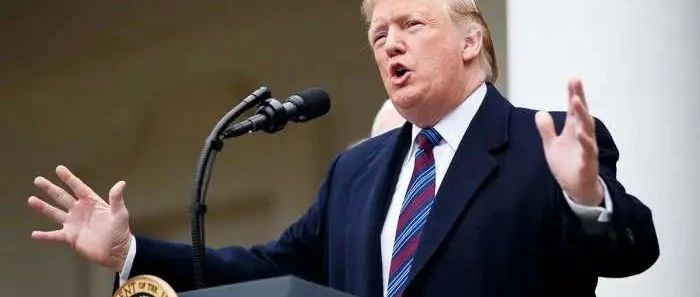
特朗普给伊朗“下通牒”
Xin Jing Bao· 2026-01-29 07:37
Group 1 - Iranian officials communicated with multiple Middle Eastern countries regarding President Trump's ultimatum for military action against Iran, with Turkey, Qatar, and Egypt calling for de-escalation of tensions [1] - Iran's Foreign Minister Zarif discussed regional dynamics and ways to prevent further escalation with Turkey's Foreign Minister, emphasizing the need for dialogue and nuclear negotiations before addressing other issues [1] - The Secretary of Iran's Supreme National Security Council stated that Iran is prepared for dialogue but will firmly defend itself if attacked [1] Group 2 - Saudi Arabia and the UAE have declared that they will not allow their airspace or territory to be used for any attacks on Iran [2] - The Iranian currency has significantly depreciated due to the escalating tensions, with Trump stating that a large fleet is heading to Iran and urging for negotiations [2] - Trump warned that the next attack would be more severe and reiterated that Iran must not possess nuclear weapons [3] Group 3 - Iran's UN representative responded to Trump's comments by stating that Iran is willing to engage in dialogue based on mutual respect but will respond decisively if pressured [3] - The Iranian armed forces are prepared to respond to any acts of aggression, while Iran welcomes a fair nuclear agreement that ensures its right to peaceful nuclear technology [3] - The U.S. military has been increasing its presence in the Middle East, with reports indicating that Trump is considering significant military strikes against Iran, including airstrikes on leadership and nuclear facilities [3]
特朗普被曝“正考虑对伊朗发动新的重大打击”:包括空袭伊朗领导人和安全官员,袭击伊核设施和政府机构!伊外长:手指已扣在扳机上……
Mei Ri Jing Ji Xin Wen· 2026-01-29 05:28
Group 1 - The core point of the news is that President Trump is considering significant military action against Iran, including airstrikes on Iranian leaders and nuclear facilities, amid escalating tensions in the region [1][7]. - The U.S. military has been deploying defense systems, including the "Patriot" system and potentially the "THAAD" missile defense system, to protect American forces in the Middle East from Iranian retaliation [1]. - Iran's leadership has responded aggressively, stating that any military action from the U.S. will be viewed as the start of a war, with immediate and unprecedented retaliation aimed at Tel Aviv and its supporters [3][5]. Group 2 - Iranian officials, including Foreign Minister Zarif, have indicated that Iran's armed forces are on high alert and ready to respond decisively to any aggression against its territory [5][6]. - Iran's Deputy Foreign Minister has emphasized the country's commitment to self-defense and has denied any ongoing negotiations with the U.S., although there have been indirect communications [6]. - The U.S. has communicated its military readiness to Israel, indicating that preparations for potential action against Iran could be completed within two weeks [7].

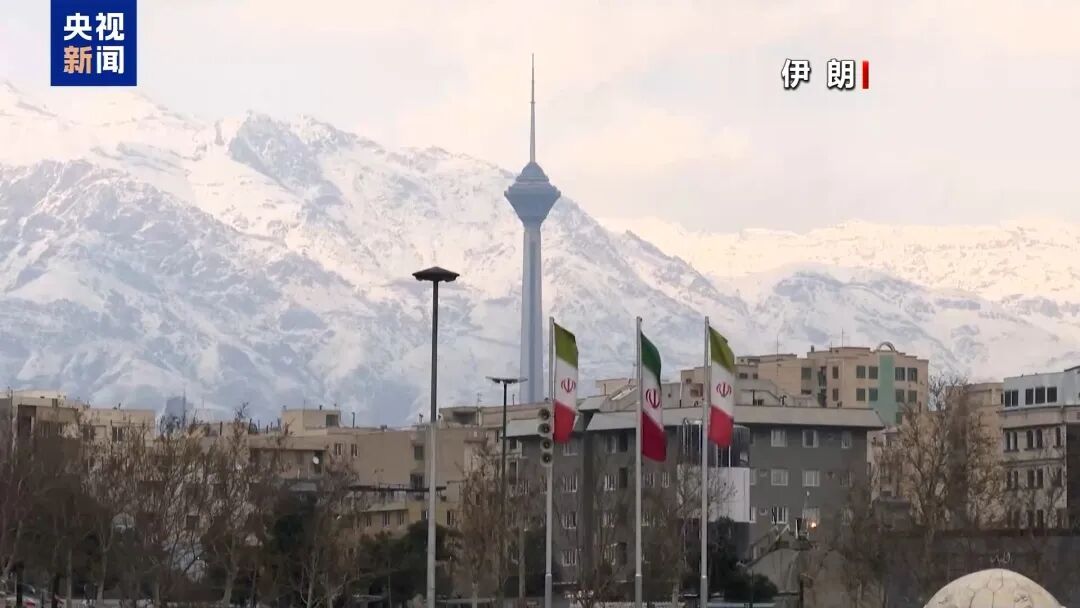
哈梅内伊高级顾问:伊朗对美军事行动的回应将是“史无前例的”
Xin Lang Cai Jing· 2026-01-28 18:54
Core Viewpoint - Iran's response to any military action from the United States will be unprecedented, immediate, and comprehensive, according to Ali Shamkhani, a senior advisor to Iran's Supreme Leader Khamenei [1]. Group 1 - Iran will take action against the U.S., Israel, and their supporters in response to any military actions [1]. - The notion that the U.S. will conduct limited strikes is described as an illusion by Shamkhani [1].
白宫称特朗普及其团队正密切关注伊朗局势
Yang Shi Xin Wen Ke Hu Duan· 2026-01-15 23:19
Group 1 - The core viewpoint of the article indicates that Trump and his team are closely monitoring the situation in Iran and keeping all options open [1] - Trump has postponed the decision on whether to launch a military strike against Iran, with military options still on the table but uncertainty increasing [1] - Trump's advisory team has indicated that if a large-scale strike is implemented, the U.S. would need to deploy more military forces in the Middle East to protect U.S. troops and allies, including Israel, from potential Iranian retaliation [1]
伊朗外长喊话美方应选择外交而非战争,海湾国家密集斡旋
Di Yi Cai Jing· 2026-01-15 10:03
Group 1: U.S. Military Action Against Iran - President Trump expressed a desire for any military action against Iran to be a "quick, decisive strike" rather than a prolonged conflict lasting weeks or months [1][3] - The U.S. Department of Defense is preparing an action plan for potential military intervention, which is expected to be submitted to Trump [3] - The U.S. State Department has advised American citizens to leave Iran immediately due to escalating tensions [3] Group 2: Iran's Diplomatic Efforts - Iranian Foreign Minister Zarif indicated that Iran is open to negotiations with the U.S. based on mutual respect, while also preparing for potential conflict [3][4] - Iran has been actively engaging in diplomatic communications with regional countries, emphasizing its commitment to national sovereignty and security [3][4] Group 3: Concerns of Gulf Arab States - Gulf Arab nations, including Saudi Arabia and Qatar, are lobbying the Trump administration against military action, fearing disruption to oil markets and domestic stability [4] - Saudi Arabia has assured Iran that it will not be involved in any potential conflict and will not allow U.S. use of its airspace for strikes [4] - An anonymous Iranian official warned that Iran would retaliate against U.S. military bases in the region if attacked [4] Group 4: U.S. Military Presence and Security Measures - Some personnel at the U.S. military base in Qatar have begun to withdraw amid rising tensions [5] - The U.S. Embassy in Qatar has issued security alerts, advising staff and citizens to exercise caution and limit travel to military installations [5]
消息人士称美军驻卡塔尔基地部分人员接到撤离建议
Xin Hua Wang· 2026-01-14 11:19
Group 1 - U.S. military personnel at Al Udeid Air Base in Qatar have been advised to evacuate by the evening of the 14th [1] - Recent protests in Iran have led to unrest and casualties, prompting U.S. President Trump to threaten military intervention [1] - An anonymous senior Iranian official stated that Iran has warned regional countries, including Saudi Arabia, UAE, and Turkey, that it will retaliate against U.S. bases in those countries if attacked [1] Group 2 - In June 2025, Israel conducted a strike on Iran, leading to a 12-day conflict during which the U.S. bombed Iranian nuclear facilities [1] - In retaliation, Iran targeted the Al Udeid Air Base, which is the largest U.S. military base in the Middle East [1]
特朗普被曝已听取军事打击伊朗方案汇报
中国能源报· 2026-01-11 02:39
Group 1 - The core viewpoint of the article is that U.S. President Trump is seriously considering military action against Iran, having received briefings on potential strike options [1][3] - Trump has not made a final decision yet, but he is contemplating authorizing military strikes, which could include targeting non-military sites in Tehran [3] - U.S. Secretary of State Rubio discussed the Iran situation with Israeli Prime Minister Netanyahu, indicating a collaborative approach between the U.S. and Israel regarding Iran [3] Group 2 - Protests in Iran have erupted due to rising prices and currency devaluation, leading to casualties and unrest [3] - The Iranian Supreme National Security Council stated that the protests have been orchestrated by the U.S. and Israel, posing a threat to national security [3] - The Iranian military has declared its commitment to defend national interests and urged citizens to unite against perceived foreign conspiracies [3]
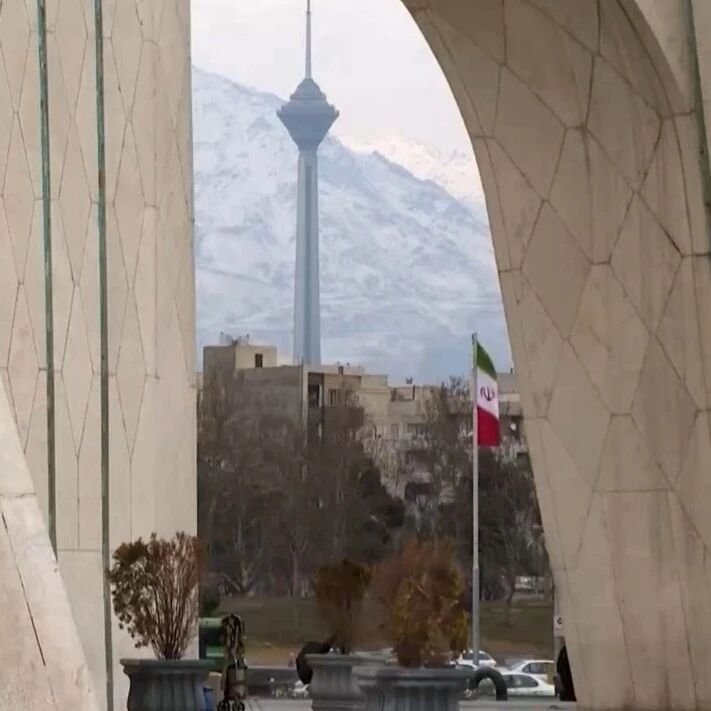
美伊核谈前路崎岖 停火状态异常脆弱 专家警示新冲突风险
Yang Shi Xin Wen· 2025-07-01 01:57
Core Viewpoint - The path to restarting nuclear negotiations between Iran and the U.S. is increasingly difficult due to rising demands from both sides and a fragile ceasefire status that lacks substantial constraints [1][2][3] Group 1: Current Situation - The current ceasefire is described as exceptionally fragile, with a high likelihood of new conflicts arising in the future [1][2] - Iran insists that the U.S. must demonstrate goodwill before considering returning to the negotiation table, while the U.S. has threatened military action [1][2] - Both Iran and the U.S. have raised their demands, complicating the prospects for resuming negotiations [2] Group 2: Historical Context - Iran's demands are influenced by the U.S. withdrawal from the nuclear agreement in 2018, which has led Iran to believe that the U.S. cannot arbitrarily change its stance in negotiations [2] - Previous negotiations between Iran and the U.S. have occurred over five rounds, but recent military actions by the U.S. and Israel have strained relations [2] Group 3: Military Tensions - U.S. President Trump has warned that if intelligence indicates Iran is capable of enriching uranium to military levels, the U.S. will likely conduct airstrikes [2][3] - The lack of a formal text or guarantee mechanisms for the ceasefire raises concerns about its sustainability and increases the risk of military conflict [3]
伊朗最高安全机构声明:武装力量使用的炸弹数量与美国袭击伊朗核设施时使用的炸弹数量相同。美军基地远离卡塔尔的城市设施和居民区。
news flash· 2025-06-23 17:13
Group 1 - The Iranian Supreme Security Council stated that the number of bombs used by armed forces is the same as the number of bombs used by the US when attacking Iranian nuclear facilities [1] - The US military bases are located far from urban facilities and residential areas in Qatar [1]
知情人士透露特朗普已批准对伊朗攻击计划,但未下达最终命令
21世纪经济报道· 2025-06-18 22:57
Group 1 - The article reports that President Trump approved an attack plan against Iran on June 17 but has not yet given the final order, aiming to see if Iran will abandon its nuclear program [1] - It is indicated that Trump is using threats to compel Iran to meet U.S. demands, with the fortified Fordow nuclear facility being a potential target for U.S. strikes, which would require powerful bunker-busting bombs to destroy [2] - Iranian leader Khamenei has declared that a major conflict has begun and that Iran will never compromise, while Israel suggests that Khamenei's fate may mirror that of Saddam Hussein [3]