爱国者防空系统

Search documents
最近5年全球武器交易增9%,中国进口减72%
日经中文网· 2026-03-18 08:03
Core Viewpoint - The global arms trade is experiencing significant growth, with Europe becoming the largest importer, while China's arms imports have drastically decreased, indicating a shift in geopolitical dynamics and military procurement strategies [2][4][9]. Group 1: Global Arms Trade Trends - The global arms trade volume from 2021 to 2025 is projected to reach 154.1 billion TIV, marking the highest level since the late Cold War period of 1986-1990, and a 57% increase compared to the lowest levels recorded from 2001 to 2005 [4]. - The arms trade has increased by 9% compared to the previous five-year period of 2016-2020, driven largely by European imports which have surged to 3.1 times their previous levels [2][4]. Group 2: Regional Arms Import Dynamics - Europe is set to import 50.8 billion TIV of arms, accounting for 33% of global arms imports, making it the largest buyer, a significant increase from previous years when it lagged behind Asia, Oceania, and the Middle East [4][6]. - Ukraine's arms imports have skyrocketed to 149 billion TIV, a staggering 119-fold increase from 2016-2020, making it the largest arms importer globally [6]. Group 3: Specific Country Insights - India's arms imports are projected to reach 12.6 billion TIV, placing it second globally, while Pakistan's imports will be 6.4 billion TIV, indicating a potential for increased military tensions in the region [9]. - Japan's arms imports have increased by 76% to 6 billion TIV, ranking it sixth globally, while South Korea has reduced its imports by 54% due to increased domestic production [9]. Group 4: Dependence on U.S. Arms - European countries are increasingly reliant on U.S. arms, with 48% of their imports coming from the U.S. during 2021-2025, a rise from the previous period [6][8]. - The U.S. remains the largest arms exporter, with exports increasing by 27% to 64.6 billion TIV, and its share of global arms exports rising from 36% to 42% [9].

突发!莫斯科遭大规模袭击!
券商中国· 2026-03-17 11:08
Group 1: Drone Attacks in Moscow - Moscow has experienced the largest drone attack of the year, with over 181 drones intercepted by the Russian defense system from March 14 to March 16 [2][3][4] - The Russian defense ministry reported that 145 drones were intercepted on March 15-16, with 53 of them targeting Moscow [4] - Ukrainian forces claimed to have shot down or suppressed 194 drones during the same period, indicating ongoing aerial confrontations [4] Group 2: Impact on Peace Negotiations - Recent peace talks between Russia, the U.S., and Ukraine have been postponed due to the escalating situation in the Middle East [6][7] - Russian presidential spokesperson Peskov stated that the focus on Middle Eastern conflicts has diverted U.S. diplomatic resources away from the Ukraine issue, leading to a pause in negotiations [7] - Analysts suggest that the continuation of Middle Eastern conflicts may hinder the resumption of peace talks, while a decrease in conflict intensity could allow for renewed diplomatic efforts [7]

波兰军费计划飙升至占GDP的4.81%
Bei Jing Ri Bao Ke Hu Duan· 2026-02-13 11:55
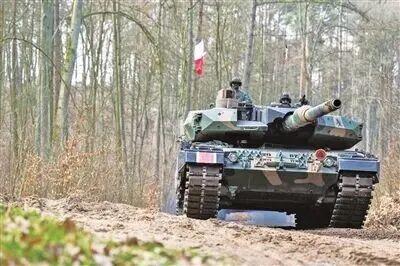
Core Viewpoint - Poland is significantly increasing its military spending and modernizing its armed forces in response to ongoing security concerns, particularly due to the Russia-Ukraine conflict and the perceived reduction of U.S. security commitments in Europe [1][4][5]. Group 1: Military Spending and Modernization - Poland plans to purchase an electronic warfare system from Turkey worth $410 million to enhance its electronic reconnaissance, jamming, and anti-drone capabilities [1]. - The Polish parliament has approved a budget for 2026 that allocates military spending to reach $55 billion, which is 4.81% of its GDP, marking a historical high [1][4]. - In 2023, Poland's military expenditure already accounted for 4% of its GDP, the highest among NATO member states [5]. Group 2: Strategic Goals and Regional Positioning - Poland aims to become a leader in Central and Eastern Europe, driven by historical tensions with Russia and the desire to strengthen its security by supporting Ukraine [5][8]. - The modernization efforts focus primarily on ground forces, with significant investments in advanced weaponry, including tanks and artillery systems from the U.S. and South Korea [7][8]. Group 3: Broader Security Implications - The substantial military investments by Poland have raised concerns among neighboring countries regarding regional security dynamics [11]. - Experts argue that true security in Europe cannot be achieved solely through military buildup; a more inclusive security framework that involves Russia and other stakeholders is necessary for lasting peace [12].
刚刚 美以讨论美伊谈判失败“后手”!金银大幅震荡 美联储降息预期有变
Qi Huo Ri Bao· 2026-02-12 00:17
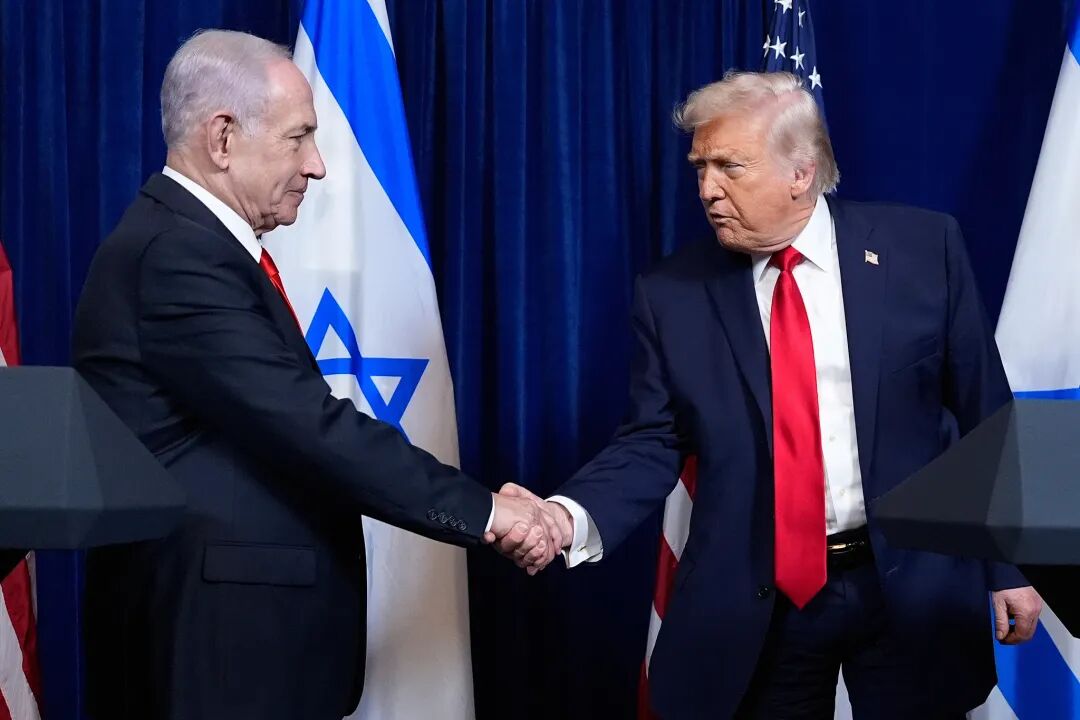
Group 1: US-Israel Meeting and Iran Negotiations - The closed-door meeting between Israeli Prime Minister Netanyahu and US President Trump lasted approximately three hours, focusing on the potential for a US-Iran agreement and the need for a joint action plan if negotiations fail [1][3] - Both parties expressed skepticism about the likelihood of reaching an agreement with Iran, emphasizing Israel's security needs and the importance of ensuring Iran cannot acquire nuclear weapons [3][4] - Iran reiterated its stance on nuclear negotiations, indicating that while it is open to discussions, it has not received specific proposals from the US [3][4] Group 2: Military Deployments and Preparedness - The US military is enhancing its presence in the Middle East, with plans to deploy a second aircraft carrier strike group in preparation for potential military action against Iran [5][7] - Recent satellite imagery shows an increase in military assets at US bases in Qatar, Jordan, Saudi Arabia, Oman, and Diego Garcia, indicating heightened readiness [5][7] - Israel is also strengthening its domestic defense capabilities, having completed complex tests of the "David's Sling" missile defense system, marking a significant technical and operational advancement [7] Group 3: Economic Indicators and Federal Reserve Outlook - The US labor market showed strong performance in January, with non-farm payrolls increasing by 130,000, significantly exceeding expectations, and the unemployment rate dropping to 4.3% [8][9] - This robust employment data has led to a reduction in market expectations for Federal Reserve interest rate cuts, with a 94.1% probability of maintaining current rates in March [9][10] - Analysts suggest that the strong job growth and stable unemployment rate provide evidence of economic resilience, potentially influencing the Fed's decision to keep rates unchanged in the near term [8][9]
重兵压境却暂不动手!美军中东立体布防,什么信号?
Xin Lang Cai Jing· 2026-02-02 09:52
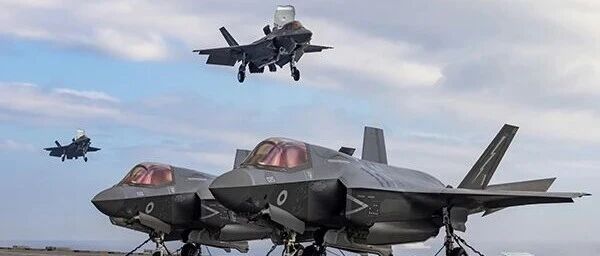
Core Viewpoint - The article discusses the deployment of U.S. military forces in the Middle East, particularly in response to tensions with Iran, highlighting the strategic importance of missile defense systems and the potential for conflict escalation. Group 1: Military Deployment and Strategy - The U.S. Navy's "Abraham Lincoln" carrier strike group has arrived in the Middle East, with advanced F-35 fighter jets also deployed to the region [1][10] - U.S. officials indicate that while military action against Iran is not imminent, the Pentagon is enhancing air defense systems to protect Israel and U.S. forces in the event of prolonged conflict [1][10] - The Pentagon is deploying additional THAAD and Patriot missile defense systems to military bases in Jordan, Kuwait, Bahrain, Saudi Arabia, and Qatar [1][10] Group 2: Defense Systems and Capabilities - The THAAD system is designed to intercept ballistic missiles outside the atmosphere, while the Patriot system is focused on low-altitude threats [2][11] - The deployment of THAAD is a strong signal of U.S. preparations for potential conflict, as the military has limited operational THAAD systems available [7][16] - The U.S. military has already deployed eight destroyers capable of intercepting Iranian missiles and drones in the region [7][15] Group 3: Potential Conflict and Regional Reactions - Analysts warn that if the U.S. conducts large-scale air operations against Iran, it could provoke significant retaliation, including missile strikes on U.S. and Israeli military positions [5][14] - Gulf states, including Saudi Arabia and the UAE, have expressed concerns about being used as bases for U.S. strikes against Iran, indicating a desire to avoid Iranian retaliation [15] - Iran is reportedly preparing for potential U.S. air operations, learning from past engagements to adjust its tactics [6][15] Group 4: Production and Supply Chain Issues - The Pentagon has signed agreements to increase the production capacity of THAAD interceptors from 96 to 400 annually, reflecting the urgent need for missile defense capabilities [8][17] - The rapid consumption of missile interceptors during recent conflicts has raised concerns about the sustainability of U.S. defense resources in the region [8][17] - Analysts highlight the limited resources available to the U.S. military, particularly in the air defense sector, which is critical for operational success [9][17]
特朗普被曝“正考虑对伊朗发动新的重大打击”:包括空袭伊朗领导人和安全官员,袭击伊核设施和政府机构!伊外长:手指已扣在扳机上……
Mei Ri Jing Ji Xin Wen· 2026-01-29 05:28
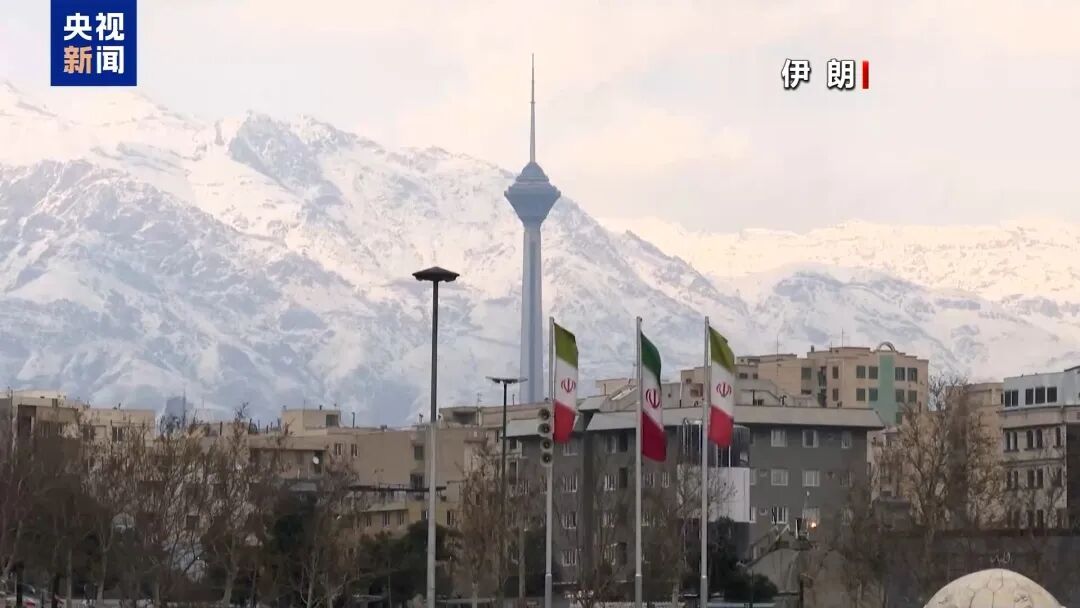
Group 1 - The core point of the news is that President Trump is considering significant military action against Iran, including airstrikes on Iranian leaders and nuclear facilities, amid escalating tensions in the region [1][7]. - The U.S. military has been deploying defense systems, including the "Patriot" system and potentially the "THAAD" missile defense system, to protect American forces in the Middle East from Iranian retaliation [1]. - Iran's leadership has responded aggressively, stating that any military action from the U.S. will be viewed as the start of a war, with immediate and unprecedented retaliation aimed at Tel Aviv and its supporters [3][5]. Group 2 - Iranian officials, including Foreign Minister Zarif, have indicated that Iran's armed forces are on high alert and ready to respond decisively to any aggression against its territory [5][6]. - Iran's Deputy Foreign Minister has emphasized the country's commitment to self-defense and has denied any ongoing negotiations with the U.S., although there have been indirect communications [6]. - The U.S. has communicated its military readiness to Israel, indicating that preparations for potential action against Iran could be completed within two weeks [7].
特朗普被曝“正考虑对伊朗发动新的重大打击”,包括空袭伊朗领导人和安全官员
Xin Lang Cai Jing· 2026-01-29 03:16
Group 1 - The core viewpoint of the article is that President Trump is considering significant military actions against Iran, including airstrikes on Iranian leaders and nuclear facilities, although no final decision has been made [1] - The deployment of the USS Abraham Lincoln strike group has expanded the range of military options available to the U.S. [1] - The U.S. military is deploying defense systems, including the Patriot missile defense system, to protect American forces in the Middle East from potential Iranian retaliation [1] Group 2 - The U.S. plans to deploy one or more THAAD missile defense systems in the Middle East [1] - Negotiations between the U.S. and Iran regarding limitations on Iran's nuclear program and ballistic missile production have not made progress [1]
特朗普:正考虑对伊朗发动新的重大打击
Xin Lang Cai Jing· 2026-01-29 01:49
Core Viewpoint - The article reports that President Trump is considering significant military actions against Iran, including airstrikes on Iranian leaders and nuclear facilities, amid escalating tensions in the region [1][2]. Military Options - Trump is contemplating options that include airstrikes targeting Iranian leaders and security officials, as well as attacks on Iran's nuclear facilities and government institutions [1][2]. - The military options available to Trump have expanded since the deployment of the USS Abraham Lincoln strike group in the region [1][2]. Defense Deployments - The U.S. military has been deploying defense systems, including the Patriot missile defense system, to the Middle East to protect American forces from potential Iranian retaliation [1][2]. - There are plans to deploy one or more THAAD (Terminal High Altitude Area Defense) systems to the region as part of the defense strategy [1][2]. Diplomatic Context - Previous negotiations between the U.S. and Iran regarding limitations on Iran's nuclear program and ballistic missile production have not yielded progress [1][2].
特朗普被曝“正考虑对伊朗发动新的重大打击”:包括空袭伊朗领导人和安全官员,袭击伊核设施和政府机构
Xin Lang Cai Jing· 2026-01-29 01:49
Core Viewpoint - President Trump is considering significant military action against Iran, including airstrikes on Iranian leaders and nuclear facilities, although no final decision has been made [1][3]. Group 1: Military Options - The military options being considered by Trump have expanded since the deployment of the USS Abraham Lincoln strike group in the region [1][3]. - Potential targets include Iranian leaders, security officials, nuclear facilities, and government institutions [1][3]. Group 2: Military Deployments - The U.S. military has been deploying defense systems, including the Patriot missile defense system, to protect American forces in the Middle East from potential Iranian retaliation [1][3]. - Plans are also in place to deploy one or more THAAD (Terminal High Altitude Area Defense) systems to the region [1][3]. Group 3: Diplomatic Context - Previous negotiations between the U.S. and Iran regarding limitations on Iran's nuclear program and ballistic missile production have not yielded progress [1][3].
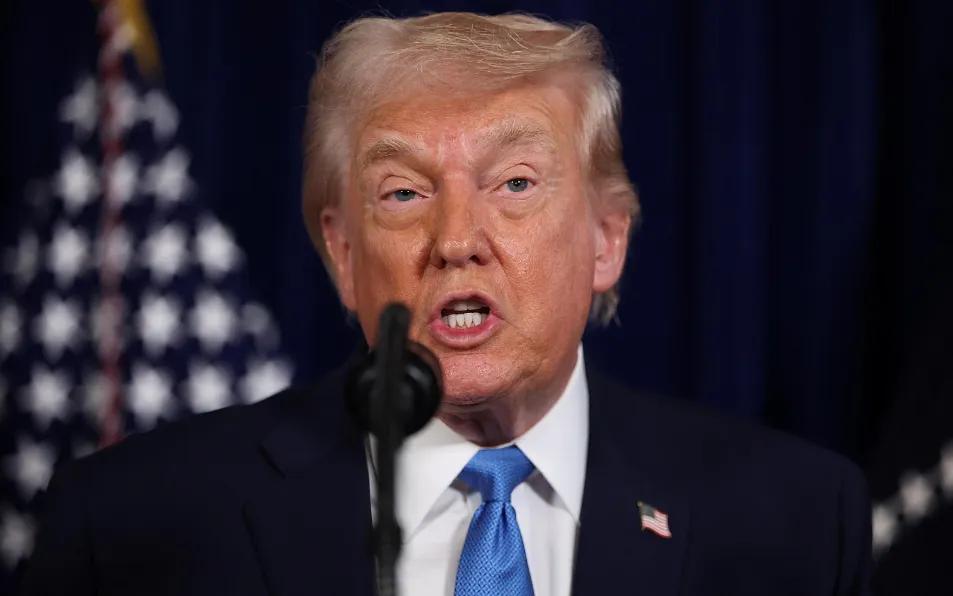
特朗普被曝正考虑空袭伊朗领导人
中国能源报· 2026-01-29 01:45
Group 1 - The core viewpoint of the article is that President Trump is considering significant military actions against Iran, including airstrikes targeting Iranian leaders and nuclear facilities, although no final decision has been made [1] - The deployment of the USS Abraham Lincoln strike group has expanded the range of military options available to the U.S. [1] - The U.S. military is reinforcing its presence in the Middle East by deploying defense systems, including the Patriot missile system, to protect American forces from potential Iranian retaliation [1] Group 2 - The U.S. plans to deploy one or more THAAD missile defense systems in the Middle East as part of its military strategy [1] - Negotiations between the U.S. and Iran regarding limitations on Iran's nuclear program and ballistic missile production have not made progress [1]