马文化

Search documents
一匹马一条路一脉中华情
Xin Lang Cai Jing· 2026-02-12 23:44
Group 1 - The article emphasizes the cultural significance of the horse in Chinese history, symbolizing strength, speed, vitality, and the spirit of progress, as highlighted by President Xi Jinping in his New Year address [1] - The horse has been an indispensable symbol in human civilization, particularly in ancient China, where it played crucial roles in transportation and warfare, as evidenced by historical texts [2] - The term "马路" (horse road) originates from the historical significance of horses in transportation, with early records indicating the development of road systems for horse-drawn vehicles [3][4] Group 2 - The Western Zhou dynasty placed great importance on transportation infrastructure, with well-maintained roads that facilitated travel and trade, reflecting the early societal organization [4] - The Qin dynasty significantly advanced road construction, implementing a standardized road system that connected the entire empire, which laid the foundation for modern road networks [4][5] - Throughout various dynasties, including the Tang and Song, road networks continued to evolve, leading to a more sophisticated transportation system that adapted to the needs of society [5][6]
草原深处有骏马
Xin Lang Cai Jing· 2026-02-12 22:40
Core Viewpoint - The articles explore the deep connection between horses and the grassland culture, highlighting the beauty, strength, and significance of horses in the lives of the herders and the historical context of their existence [1][2][3] Group 1: Horses and Their Beauty - Horses are described as symbols of strength and beauty, characterized by their muscular build, shiny coats, and graceful movements [2] - The emotional connection to horses is emphasized, with descriptions of their elegance and the awe they inspire in observers [2] Group 2: Cultural Significance of Horses - The relationship between herders and horses is portrayed as profound, with horses being integral to the herders' lives and culture [3] - Traditional sayings reflect the importance of horses in guiding herders home and providing companionship [3] - Horses are depicted as vital to the cultural identity of the grassland people, featuring prominently in songs, art, and daily life [3] Group 3: Historical Context - The narrative connects horses to historical events and figures, illustrating their role in the conquests and cultural exchanges across the Eurasian continent [3] - The imagery of horses evokes a sense of historical continuity and the enduring spirit of the grassland culture [3]
马留史迹 从古今文物到岁月驰骋
Xin Lang Cai Jing· 2026-02-12 22:40
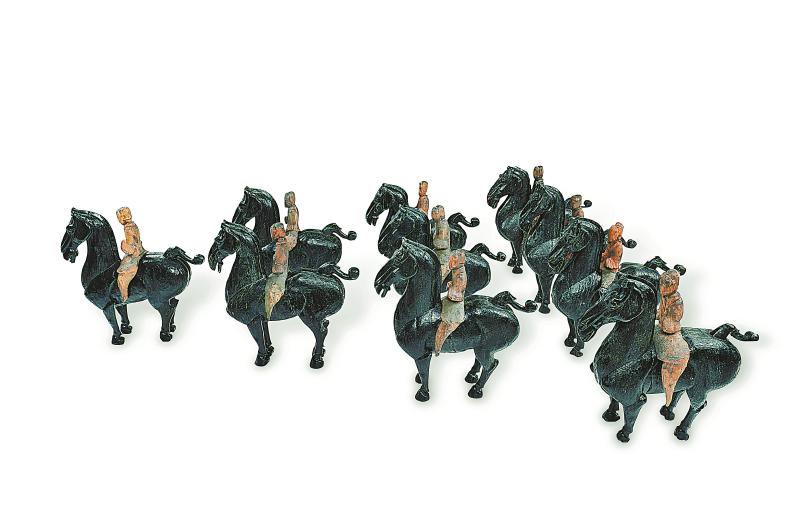
Core Viewpoint - The article highlights the significance of horse-related artifacts in Chinese history, particularly in Sichuan, showcasing their cultural and historical value through various museums and archaeological findings [5][10]. Group 1: Historical Significance of Horse Artifacts - The horse symbolizes speed, strength, and progress in Chinese culture, with a rich history reflected in numerous artifacts from different dynasties [5]. - The large bronze horse from the Eastern Han dynasty, discovered in Mianyang, is a notable example, measuring 110 cm in length and 134 cm in height, showcasing the craftsmanship of the era [6]. - The bronze horse and accompanying figurines exemplify the importance of horses in ancient Chinese society, serving as symbols of status and power [9]. Group 2: Archaeological Discoveries - The bronze chariot and horse, unearthed in Ziyang, is recognized as the largest Western Han bronze chariot horse, measuring 1.84 meters in length, and is significant for understanding transportation in the Han dynasty [7][8]. - Numerous horse-related artifacts have been found in Sichuan, including a collection of 66 lacquered wooden horses from the Han tombs, emphasizing the region's rich archaeological heritage [9]. - The discovery of a three-wheeled bronze horse cart model in the Salt Source Old Dragon Head cemetery is noted as the earliest of its kind in China, contributing to the understanding of ancient transportation [12]. Group 3: Cultural Representation - Horse artifacts serve as keys to deciphering historical narratives, with items like the horse-drawn carriage depicted in the Eastern Han image brick reflecting the social status of officials [10][11]. - The artistic representation of horses in Chinese painting, from ancient to modern times, illustrates their cultural significance, with notable works by artists like Xu Beihong symbolizing strength and freedom [14][15].

马啸文苑 从诗卷风骨到精神长鸣
Xin Lang Cai Jing· 2026-02-12 22:40
品 □四川日报全媒体记者 肖姗姗 从《诗经》里"萧萧马鸣,悠悠旆旌"的沙场剪影,到历代作家笔下承载灵性与思辨的生灵,马,这一兼具力量与 温情的动物,始终是中国文学中永不褪色的文化符号。它是速度与自由的化身,是忠诚与勇气的象征,更是文人 墨客寄托情志、观照世事的精神载体。 2026马年来临之际,记者循着文字足迹,穿越千年时光,聆听圣贤先哲与当代写作者们的马语心声,探寻这一意 象背后跨越时空的深层意蕴。 诗文中的精神图腾 《诗经》中的"驷驖孔阜,六辔在手",勾勒出君王驾车狩猎的雄姿,4匹黑骏马体态雄健,缰绳在手中收放自如, 尽显驾驭者的豪迈与从容。岑参的《走马川行奉送出师西征》中"马毛带雪汗气蒸,五花连钱旋作冰",以极致的 笔触刻画了边塞战马的坚韧,雪水与汗水交融凝结,却依旧承载着将士们奔赴沙场的决心。 这些早期文字,既展现了马在古代社会生产、军事中的重要作用,也赋予了其勇武、忠诚的初始品格。 庄子在《马蹄》中对马的本性进行了深刻剖析:"马,蹄可以践霜雪,毛可以御风寒,龁草饮水,翘足而陆,此马 之真性也。"他批判人为束缚对马天性的摧残,主张顺应自然,让马回归本真。这种对自由的追求,成为后世文人 书写马的重要精神内 ...

天山南北,谁曾策马驰骋
Qi Lu Wan Bao· 2026-02-12 10:48
农历马年将至,两匹来自新疆的"天马"引起了考古学界和文博爱好者的关注。2月8日在京举行的2025年 新疆考古工作汇报会上,公布了新疆吐鲁番巴达木东墓群考古发现成果。其中编号为20号的墓中出土了 迄今最完整的唐代彩绘木棺座,12只带翼瑞兽色彩艳丽,包含两匹"天马"。 在辽阔的天山南北,得益于特殊的气候与地理环境,一批又一批珍贵的马文化遗存得以保存——它们不只 是冰冷的器物,更是一部镌刻在皮革、金属与骨骼上的游牧史诗。从阿尔泰山的冰雪牧场到塔克拉玛干 沙漠的绿洲城邦,考古学家们在这里发现了极为丰富的马具遗存:完整的辔头、精巧的马鞍、改变历史的 马镫,甚至还有系在马鞍上的皮囊、干粮与工具。 □孙晓明 辔头的智慧 一套完整的辔头,是骑手与马沟通的首要工具,其设计与制作凝聚着古人对动物行为与操控力学的理解。 在吐鲁番洋海墓地,考古人员发现了一套罕见的骨制辔头:马衔由羊胫骨精心打磨而成,表面光滑,两端钻 有孔洞;马镳则以坚韧的兽角或骨头制成,上穿三孔,用于固定皮条。然而,骨角材质终究不耐长期磨蚀,这 套辔头或许并非日常所用,更可能是为逝者准备的冥器,象征着骑手在彼岸世界仍拥有心爱的坐骑。这种 葬俗也反映了马在当地人精神信 ...
【这个城市有点潮】新疆昭苏:马年到“天马故乡”看马马马马……
Zhong Guo Xin Wen Wang· 2026-02-12 09:18
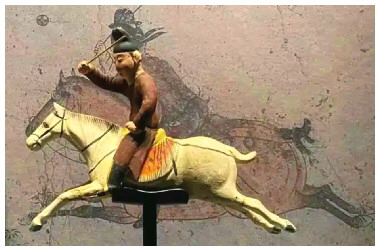
在新疆伊犁州西南部有一座"含马量"超高的县城——昭苏。这里自古就以盛产天马著称,马文化历史悠 久,是"中国天马之乡"。天马博物馆、天马踏雪、天马浴河、造型各异的骏马雕塑……在天山脚下的广 袤草原上,马元素随处可见,这些都是这片土地爱马、养马习惯的延续。 [ 责编:邢彬 ] ...

马年说马:从六畜之首到精神图腾
Xin Lang Cai Jing· 2026-02-12 05:06
Core Viewpoint - The article explores the cultural significance of horses in Chinese tradition, highlighting their historical importance and evolving symbolism from practical utility to cultural representation [1][6]. Group 1: Historical Significance of Horses - Archaeological findings trace the domestication of horses in China back to 4000-3600 years ago, with significant evidence found in the Yellow River region [3]. - The earliest known horse remains in China date back to the late Shang Dynasty, around 3300 years ago, indicating the horse's crucial role in social production, rituals, and military activities [3]. - The discovery of ancient texts, such as the "Qinghua Bamboo Slips," provides insights into the advanced understanding and techniques of horse breeding during the Warring States period [3][4]. Group 2: Cultural Symbolism of Horses - Horses have been integral to various aspects of ancient society, including transportation, agriculture, and military, reflecting their importance in commerce and governance [4]. - The horse is revered as the "leader of livestock" in Chinese culture, symbolizing both practical utility and rich cultural connotations [4]. - The horse's role in the Chinese zodiac and its association with natural order and cosmic balance further emphasize its cultural significance [5][6]. Group 3: Evolution of Horse Symbolism - The symbolism of horses has evolved from a representation of elite culture to a broader cultural symbol, reflecting societal changes over time [6]. - In Confucian culture, horses embody virtues such as loyalty and perseverance, serving as metaphors for social order and moral ideals [7]. - Regional variations in horse-related customs and traditions highlight the diverse cultural significance of horses across different Chinese communities [8]. Group 4: Contemporary Relevance of Horse Culture - Modern society has seen a shift in the practical use of horses due to mechanization, yet the cultural value of horses continues to evolve [9]. - Efforts to revitalize horse culture include integrating traditional customs into contemporary life, making them relevant to modern audiences [9][10]. - The transformation of horse culture into consumable and shareable cultural symbols through various media and creative products reflects its ongoing significance [10].
博物馆烹制年味大餐
Xin Lang Cai Jing· 2026-02-11 22:53
Group 1 - The core theme of the exhibitions is centered around the Year of the Horse, showcasing over 150 unique exhibitions and activities across various museums in Beijing to celebrate the upcoming Spring Festival [2][3] - The National Museum of China presents the "Leaping Horse - Spring Festival Cultural Exhibition," featuring over 120 precious artifacts related to horses, highlighting the rich horse culture in Chinese civilization [2] - The "Horse Culture Exhibition" at the China Garden Museum and Beijing Art Museum emphasizes interactive design and immersive experiences, allowing visitors to engage with the cultural significance of horses through activities like calligraphy [3] Group 2 - Various exhibitions focus on traditional customs and celebrations, such as the "Spring Festival Series Theme Exhibition" at the China Arts and Crafts Museum, which covers aspects like the evolution of customs and the significance of horse culture [3] - The Capital Museum's "Banners and Drums of Youyan - Cultural Exhibition of Temple Fairs in Beijing, Tianjin, and Hebei" features over 260 valuable artifacts and folk items, showcasing the cultural heritage of temple fairs [3] - Several museums, including the China Geological Museum and the Capital Museum, are introducing new cultural and creative products, with the "Horse Brings Joy" product becoming a bestseller [4] Group 3 - Museums are extending their opening hours during the Spring Festival and winter vacation to accommodate diverse visitor needs, with the Capital Museum open until 19:00 and the Beijing Olympic Museum until 20:00 [4] - The Beijing Exhibition Hall will host an "Art Market" event featuring hundreds of high-quality cultural and creative products, enhancing the cultural experience for visitors [4]
这是一份「含马量」极高的书单,赞美伟大的马
后浪研究所· 2026-02-11 08:22
Group 1 - The article emphasizes the significance of horses in civilization, highlighting their role in connecting war, trade, and power throughout history [9][11] - It presents a curated reading list themed around "horses," showcasing various books that explore the cultural, historical, and philosophical implications of horses [4][5] - The reading list includes diverse genres, from historical accounts to fictional narratives, illustrating the multifaceted relationship between humans and horses [3][4] Group 2 - The book "Horses and the Creation of Civilization" by David Chaffetz discusses how horses redefined human history and their importance as a strategic resource for empires [9] - "Longxi to the West, Rome to the East" by Edward Berman presents the Silk Road as a "horse road," emphasizing the strategic value of horses in the Tang Dynasty [11] - "The Litchi of Chang'an" by Ma Boyong narrates a thrilling story involving the transportation of litchis, showcasing the challenges faced by horses in ancient China [15] Group 3 - "The Disaster of No Cause" by Dick Francis, a suspense novel set in the horse racing world, reflects the author's deep understanding of the industry [14] - "Chinese Monsters" provides insights into mythical creatures, including horses, from Chinese folklore, appealing to readers interested in cultural heritage [19] - "The Story of Chess" by Stefan Zweig uses the metaphor of the horse in chess to explore deeper psychological themes [28] Group 4 - "The Count of Monte Cristo" by Alexandre Dumas is highlighted as a classic novel that intertwines themes of revenge and redemption, featuring a protagonist with a strong connection to horses [42] - "The Principles" by Ray Dalio, while a success guide, is rooted in the author's personal failures, offering valuable lessons applicable to various fields [59] - "The Great Failure" by Wu Xiaobo chronicles the stories of once-thriving companies that faced downfall, providing insights into the business landscape [55]
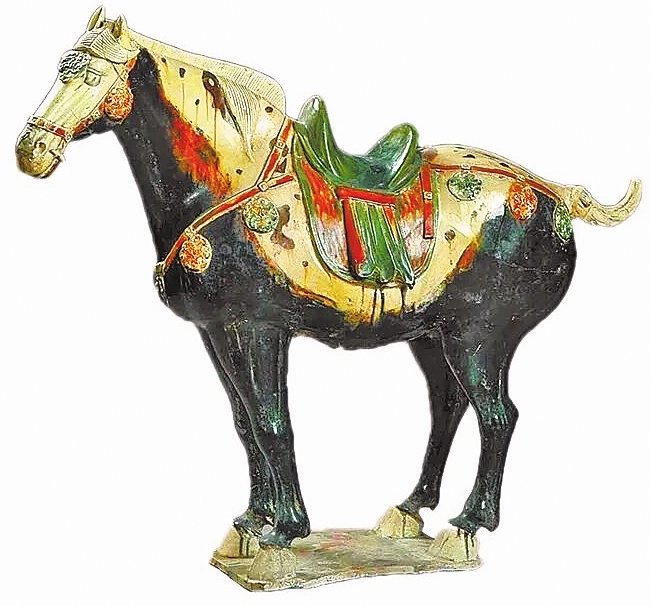
丙午祥瑞 马上迎春
He Nan Ri Bao· 2026-02-10 23:21
Core Viewpoint - The article highlights the cultural significance of the Year of the Horse in the context of Chinese New Year celebrations, emphasizing the integration of horse-related themes in various cultural and tourism activities across Henan province [1][9]. Group 1: Cultural Significance of Horses - Horses have been integral to human civilization, symbolizing military and economic power, as well as embodying the spirit of progress and freedom through concepts like "Dragon Horse Spirit" [2][3]. - Various historical artifacts, such as the Tang Dynasty's tri-colored horses and Han Dynasty's gilded bronze horses, showcase the artistic and cultural importance of horses in Chinese history [3][5]. - The use of horses in ancient military and daily life reflects their role as vital assets, with archaeological findings indicating advanced horse-drawn chariots dating back to the Shang Dynasty [6]. Group 2: Tourism and Cultural Activities - The upcoming Spring Festival is expected to boost tourism in Henan, with significant increases in bookings for cultural landmarks and scenic spots, driven by horse-themed events and activities [6][9]. - Various attractions are incorporating horse-related themes into their New Year celebrations, such as climbing events and immersive theater experiences that resonate with the spirit of the Year of the Horse [7][8]. - The integration of traditional and modern elements in cultural tourism is evident, with events like the "Cultural and Tourism Month" featuring numerous activities centered around horse motifs [11][14]. Group 3: Film Industry and Horse Themes - The film industry is set to release several movies during the Spring Festival, each incorporating themes related to horses, symbolizing resilience and progress [15][18]. - The narratives in these films reflect the spirit of the horse, showcasing characters that embody determination and the pursuit of success [15][18].