
龙马精神

Search documents
【热气腾腾中国年】“火力全开”的马年来了!这一年为何特别你知道吗?
Zhong Guo Xin Wen Wang· 2026-02-12 08:58
Group 1 - The year of the Fire Horse (Bing Wu) is characterized by high energy and enthusiasm, marking it as a vibrant year in the Chinese zodiac [2] - The Fire Horse year is significant as it is the second Spring Festival since the cultural heritage was recognized, highlighting its cultural importance [2] - The Horse symbolizes relentless spirit in Chinese culture, with the term "Longma Spirit" representing the nation's resilience and self-improvement [2]
“到中国过春节”成为众多海外网友新风尚 中方:热情欢迎
Zhong Guo Xin Wen Wang· 2026-02-12 08:48
Group 1 - The core viewpoint of the article emphasizes that the Chinese New Year is becoming a global cultural celebration, attracting international interest and participation [1] - The Chinese New Year is described as a "non-heritage version" 2.0, integrating traditional customs with modern technological innovations, showcasing its evolving nature [1] - The Chinese government expresses a warm welcome to foreign visitors, highlighting the New Year as an opportunity for cultural exchange and connection between China and the world [1] Group 2 - The article notes that various traditional and innovative activities are being organized worldwide to celebrate the New Year, indicating a blend of cultural elements [1] - The spokesperson mentions that the New Year embodies deep cultural significance and universal emotional connections, promoting values of harmony, inclusiveness, and coexistence [1] - There is an anticipation that the 2026 Chinese New Year will be one of the most vibrant and eagerly awaited travel seasons, reflecting the growing global interest [1]
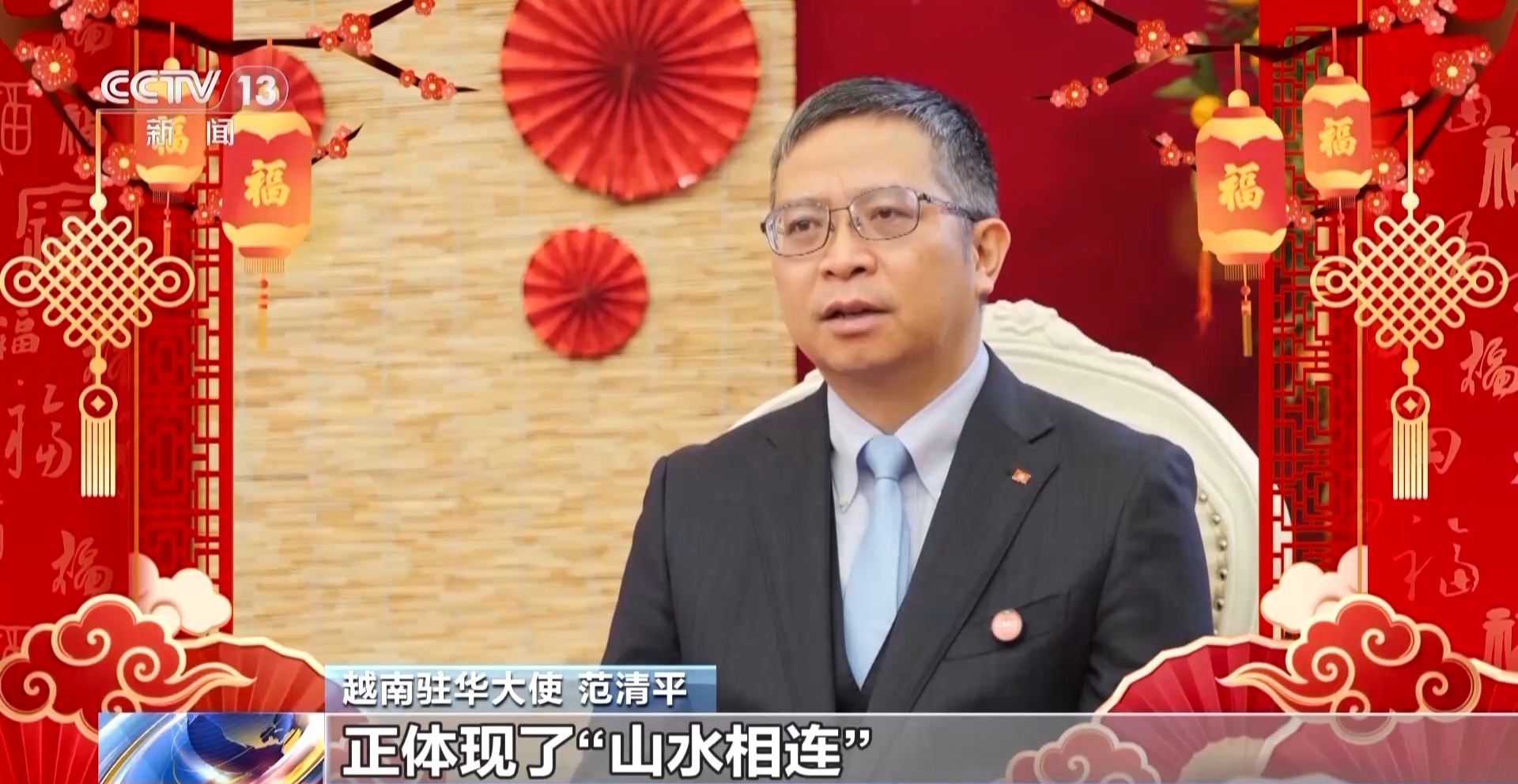
视频丨越南驻华大使贺新春:2026年将为双方带来更多务实合作机遇
Yang Shi Xin Wen Ke Hu Duan· 2026-02-12 05:26
越南和中国是社会主义友好邻邦。越南驻华大使范清平能说一口流利中文,2026年春节将是他在中国过的第9个春节。在他看来,春节最具价值的就是其悠 久的传统和团圆精神。在越南,老百姓过春节会包方形粽子、放生鲤鱼等。而他最喜欢的部分则是阖家团聚的时刻。 0:00 越南驻华大使及夫人:福到了,祝大家新年快乐,幸福安康,马到成功。 我眼中的中国春节 越南驻华大使 范清平:春节不仅是天地轮转的时刻,也是每个人回归家庭、感念宗源、祭奠祖先、寄托新年愿望的节庆。越南和中国在迎接春节的习俗上 有着深厚的共同点。两个民族都非常重视大扫除;都有祭拜祖先、欢聚一堂吃年夜饭、给儿童和老年人压岁钱。这些相似之处反映了两国人民在文化的亲 近,正体现了"山水相连"以及"同志加兄弟"的精神。 两国关系新进展 越南驻华大使 范清平:我们刚刚圆满结束两国建交75周年和2025年越中人文交流年,全面战略合作伙伴关系、具有战略意义的越中命运共同体正处于最好 的发展时期,政治互信不断巩固,各领域务实合作日益深化,人文交流日益密切。在过去一年里,双方高层领导人进行了5次互访,特别是中共中央总书 记、国家主席习近平于2025年4月成功对越南进行的国事访问。两 ...

马年说马:从六畜之首到精神图腾
Xin Lang Cai Jing· 2026-02-12 05:06
Core Viewpoint - The article explores the cultural significance of horses in Chinese tradition, highlighting their historical importance and evolving symbolism from practical utility to cultural representation [1][6]. Group 1: Historical Significance of Horses - Archaeological findings trace the domestication of horses in China back to 4000-3600 years ago, with significant evidence found in the Yellow River region [3]. - The earliest known horse remains in China date back to the late Shang Dynasty, around 3300 years ago, indicating the horse's crucial role in social production, rituals, and military activities [3]. - The discovery of ancient texts, such as the "Qinghua Bamboo Slips," provides insights into the advanced understanding and techniques of horse breeding during the Warring States period [3][4]. Group 2: Cultural Symbolism of Horses - Horses have been integral to various aspects of ancient society, including transportation, agriculture, and military, reflecting their importance in commerce and governance [4]. - The horse is revered as the "leader of livestock" in Chinese culture, symbolizing both practical utility and rich cultural connotations [4]. - The horse's role in the Chinese zodiac and its association with natural order and cosmic balance further emphasize its cultural significance [5][6]. Group 3: Evolution of Horse Symbolism - The symbolism of horses has evolved from a representation of elite culture to a broader cultural symbol, reflecting societal changes over time [6]. - In Confucian culture, horses embody virtues such as loyalty and perseverance, serving as metaphors for social order and moral ideals [7]. - Regional variations in horse-related customs and traditions highlight the diverse cultural significance of horses across different Chinese communities [8]. Group 4: Contemporary Relevance of Horse Culture - Modern society has seen a shift in the practical use of horses due to mechanization, yet the cultural value of horses continues to evolve [9]. - Efforts to revitalize horse culture include integrating traditional customs into contemporary life, making them relevant to modern audiences [9][10]. - The transformation of horse culture into consumable and shareable cultural symbols through various media and creative products reflects its ongoing significance [10].
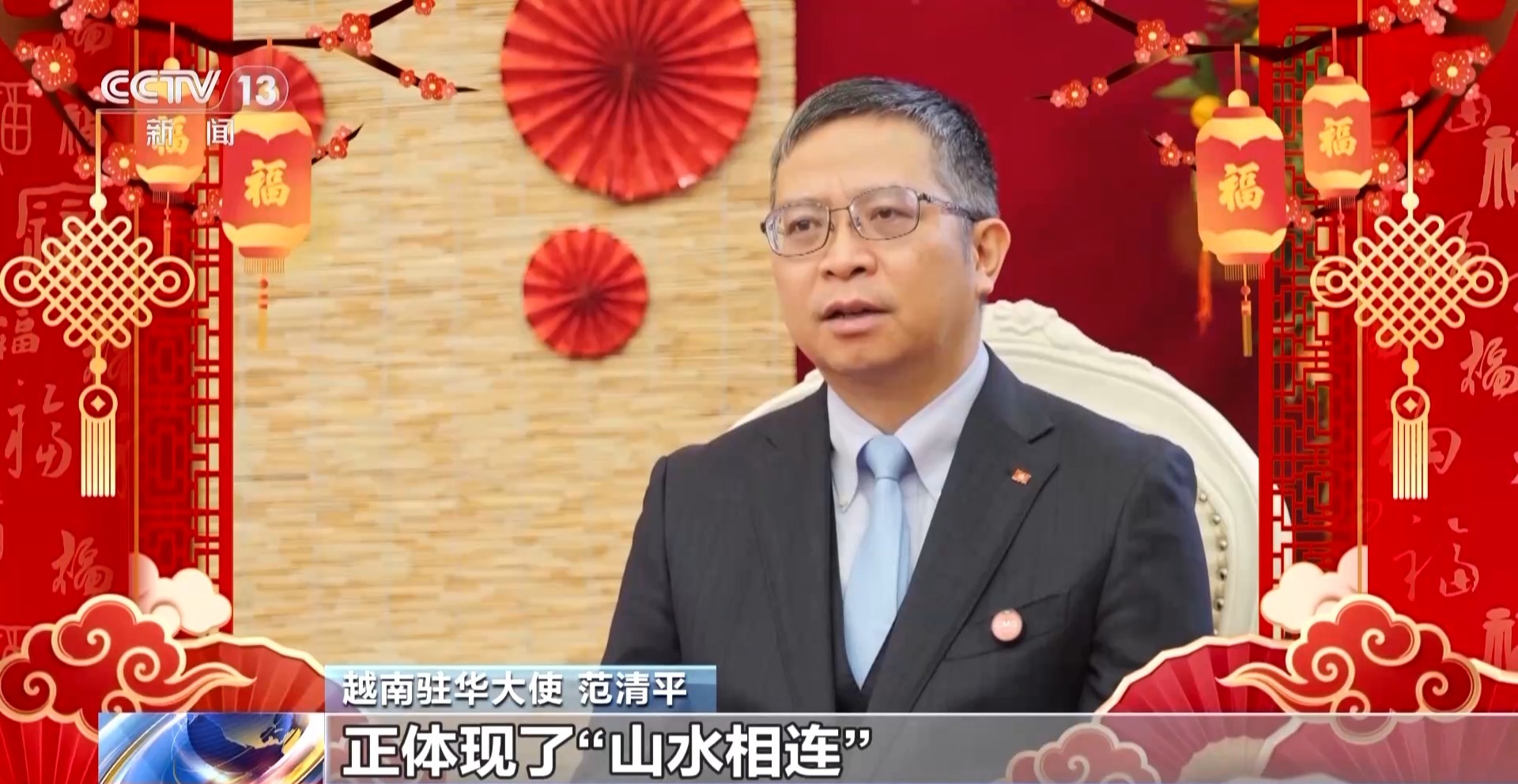
越南驻华大使贺新春:2026年将为双方带来更多务实合作机遇
Yang Shi Xin Wen Ke Hu Duan· 2026-02-12 02:13
Core Viewpoint - The relationship between Vietnam and China is characterized by deep cultural ties and mutual respect, particularly highlighted during the Lunar New Year celebrations, which emphasize family reunion and traditional customs [3][5]. Group 1: Cultural Significance of Lunar New Year - The Lunar New Year is a time for family reunions, honoring ancestors, and expressing new year wishes, reflecting shared cultural values between Vietnam and China [3]. - Both nations engage in similar customs such as thorough cleaning, ancestor worship, family gatherings for the New Year's Eve dinner, and giving red envelopes to children and the elderly [3]. Group 2: Recent Developments in Bilateral Relations - Vietnam and China recently celebrated the 75th anniversary of diplomatic relations and the 2025 Year of Cultural Exchange, marking a period of enhanced political trust and deepening cooperation across various fields [5]. - High-level exchanges have been frequent, with five visits by leaders from both countries in the past year, including a significant state visit by China's President Xi Jinping to Vietnam in April 2025 [5]. Group 3: Future Prospects - The year 2026 is significant for both countries, marking the beginning of Vietnam's implementation of its 14th Congress goals and the first year of China's 15th Five-Year Plan, which is expected to create more practical cooperation opportunities [7]. - The image of the horse in Vietnamese culture symbolizes strength, resilience, and ambition, suggesting that the Year of the Horse will be a time for action and innovation [7].
(新春见闻)新春寻“马”踪:探访中国最早写实青铜马中的“龙马精神”
Xin Lang Cai Jing· 2026-02-11 10:31
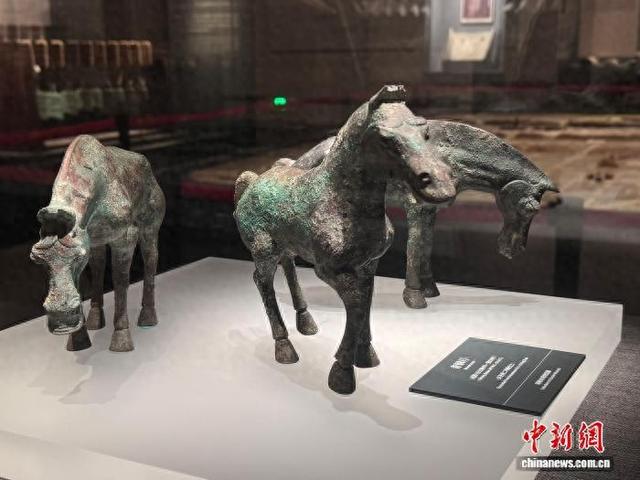
Core Viewpoint - The article highlights the historical significance of three bronze horses from the Warring States period, showcasing their connection to the "Hu Fu Qi She" reform in Zhao State, which transformed military practices and reflects the spirit of innovation and resilience in Chinese culture [1][3]. Group 1: Historical Significance - The three bronze horses are the earliest known realistic bronze horses in China, predating the famous Eastern Han bronze galloping horse by approximately 400 years [1]. - These artifacts were excavated from the Zhao Wangling No. 2 tomb and are classified as national first-class cultural relics, with a height ranging from 15 to 18 centimeters [1][3]. - The bronze horses serve as historical witnesses to the significant military reforms initiated by Zhao Wuling Wang, which included the establishment of the first organized cavalry in Chinese history [3]. Group 2: Cultural and Artistic Value - The distinct postures of the horses—walking, foraging, and standing—reflect the characteristics of adult Mongolian horses, indicating their suitability for battle and training [3][4]. - The dynamic representation of the horses symbolizes the determination and vitality of the nation during the reform period, while the focused posture of the foraging horse reflects the vigilance of the military and civilians in challenging environments [4][5]. - The artistic craftsmanship of the bronze horses not only showcases the advanced metalworking skills of the Zhao State but also embodies the "Dragon Horse Spirit," representing the strength and resilience of the military forces formed after the reforms [5]. Group 3: Cultural Products and Economic Impact - The museum has developed a series of cultural and creative products inspired by the bronze horses, including refrigerator magnets and plush toys, which blend cultural symbols with practical functions [7]. - The popularity of "horse" themed cultural products captures the essence of cultural confidence and emotional resonance, contributing to the festive economy and enhancing cultural significance during the New Year celebrations [7].
“神马”驾到,你最爱哪一匹?
Xin Lang Cai Jing· 2026-02-10 04:38
Core Viewpoint - The article celebrates the cultural significance of horses in Chinese history, emphasizing their representation of strength, success, and the spirit of progress, particularly in the context of the upcoming Year of the Horse. Group 1: Historical Significance of Horses - The bronze horse figurine "蠡" is noted as the earliest known horse-shaped bronze artifact, showcasing the ancient reverence for horses in rituals like the "执驹礼" [8] - The Qin Dynasty's bronze horse chariot, crafted at half the scale of real horses, is recognized as the largest and most complex ancient vehicle discovered, symbolizing imperial power [11] - The six warhorses that accompanied Emperor Taizong of Tang are documented as significant figures in historical texts, representing bravery and valor in battle [15] Group 2: Cultural Symbolism - Horses are depicted as embodiments of courage and strength, with their presence in ancient warfare providing a sense of confidence and success [15] - The article highlights the evolution of horse imagery from ancient artifacts to modern representations, illustrating the deep cultural connection between horses and Chinese identity [41] - The term "龙马精神" (Dragon Horse Spirit) is introduced, symbolizing the aspirations for success and the embodiment of a proactive spirit in Chinese culture [41]
马蹄声声,从历史深处奔腾向前
Ren Min Ri Bao Hai Wai Ban· 2026-02-09 12:19
Group 1 - The article emphasizes the historical and cultural significance of horses in Chinese civilization, symbolizing vitality, progress, and resilience [1][3][6] - The "Six Steeds of Zhao Ling" exhibition in Xi'an showcases the deep emotional connection between humans and horses, highlighting their role in agriculture and military [2][3] - Horses are portrayed as essential companions in various aspects of life, from warfare to communication, reflecting their enduring importance in Chinese culture [3][10] Group 2 - The article discusses the modern relevance of horse symbolism in Chinese society, linking it to innovation and economic vitality, as seen in the rise of creative products like the "Crying Horse" [10][11] - It highlights the role of horses in promoting tourism and local economies, with examples from Guizhou and Xinjiang attracting millions of visitors [11] - The narrative connects the historical significance of horses to contemporary aspirations for growth and development, suggesting a collective cultural identity rooted in the spirit of horses [12][13]
骐骥跃古今 物华与岁新
Ren Min Ri Bao Hai Wai Ban· 2026-02-08 22:51
Group 1 - The article emphasizes the cultural significance of the horse in Chinese history, symbolizing loyalty, perseverance, courage, and progress, particularly in the context of the Year of the Horse [1][7][20] - It highlights the historical relationship between horses and Chinese civilization, noting their importance in agriculture, transportation, and military strategy throughout various dynasties [7][8][13] - The article discusses the evolution of horse-related cultural practices and traditions in modern China, including festivals and artistic representations, which continue to reflect the values associated with horses [9][10][23] Group 2 - The narrative connects the spirit of the horse to contemporary themes of resilience and ambition, suggesting that the horse symbolizes the collective aspirations of the Chinese people in the face of modern challenges [10][20][24] - It mentions specific cultural artifacts, such as the "Copper Galloping Horse" from the Han Dynasty, which embodies the spirit of progress and determination [17][18] - The article concludes with a call to embrace the horse's spirit as a metaphor for striving towards success and innovation in the new era of Chinese development [26][24]
典籍里的马
Xin Lang Cai Jing· 2026-02-07 01:12
Core Insights - The article emphasizes the significant cultural and historical role of horses in Chinese civilization, highlighting their importance in agriculture, transportation, and military activities [1][2][3]. Group 1: Symbolism in "I Ching" - The "I Ching" features the horse as a key symbol, with eleven references across various hexagrams, particularly in "Kun" and "Tun," illustrating its dual nature of gentleness and strength [3][4]. - The "I Ching" associates the horse with auspiciousness and the ability to transform misfortune into good fortune, reflecting its multifaceted significance in Chinese philosophy [3][4]. Group 2: Historical Context - Historical texts like "Shan Hai Jing" and "Shi Jing" depict the horse's vital role in ancient society, showcasing its strength and cultural significance in military and social contexts [5][6]. - The Tang Dynasty is noted for its flourishing horse culture, with poetry and art celebrating the horse as a symbol of heroism and ambition, further embedding the horse's significance in Chinese literature [6]. Group 3: Mythological Associations - Mythological narratives in "Shan Hai Jing" link horses to divine qualities, associating them with auspicious symbols and legendary creatures, thus enhancing their cultural reverence [5][6]. - The connection between horses and dragons in ancient texts signifies the horse as a spiritual entity, embodying the harmony between heaven and earth [6].