胡服骑射

Search documents
金戈铁马 驰骋东西(上新了)
Ren Min Ri Bao· 2026-02-28 02:24
Core Insights - The new exhibition at the Chinese Archaeological Museum features 28 newly displayed ceramic figurines from the Northern Qi Dynasty, revealing insights into the royal tombs of the Eastern Wei and Northern Qi periods [2] Group 1: Archaeological Findings - The Bayang Wall Mural Tomb is the only confirmed imperial tomb among hundreds in the region, with excavation work conducted from 1987 to 1989 [2] - The tomb yielded significant artifacts, including 6 large saddles, 14 small horses, and 4 pack horses, indicating the use of horses for labor and transportation [2] - The emergence of domesticated horses in China dates back approximately 4,000 years, with evidence found in various archaeological sites [2] Group 2: Historical Context - During the pre-Qin period, horses served three main purposes: as burial and sacrificial items, as draft animals for carts, and for riding, particularly in warfare [3] - The importance of horses increased significantly from the Western Han Dynasty, with widespread ownership and use in various societal functions [3] Group 3: Military Significance - By around 600 BC, horseback riding became prevalent among Eurasian steppe peoples, leading to the development of mounted archery and a powerful military force [4] - The introduction of cavalry transformed warfare, with heavy cavalry units equipped with armor, as evidenced by the discovery of armored figurines in the Bayang Wall Mural Tomb [4] - The tomb is notable for its extensive wall murals and a large number of ceramic figurines, including over 200 cavalry figurines, reflecting the military organization of the Northern Qi Dynasty [5]

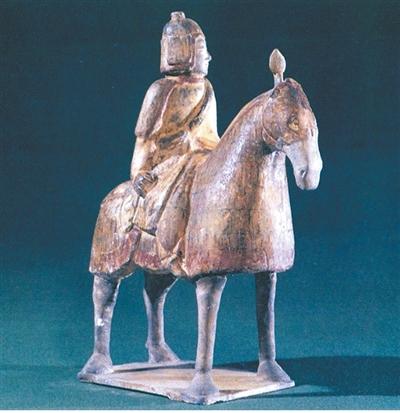
马年驾到·燕赵迎新 | 胡服骑射:敢为天下先扬鞭
Xin Lang Cai Jing· 2026-02-21 03:55
Core Insights - The article highlights the significance of the Handan Chengyu Museum as the first idiom museum in China, emphasizing the cultural heritage and innovative spirit of the region [1] - It draws a parallel between the historical reforms initiated by Zhao Wuling Wang and the contemporary efforts in cultural and technological innovation in Handan [1] Group 1: Cultural Heritage - The museum serves as a bridge connecting ancient traditions with modern developments, showcasing idioms that reflect the spirit of progress and innovation [1] - The phrase "胡服骑射" symbolizes the courage to break old customs and embrace new paths, which is a source of pride for the people of Handan [1] Group 2: Innovation and Development - The integration of technology in the museum's exhibits and the creation of cultural products reflect a commitment to innovation while preserving historical narratives [1] - The revitalization of historical districts and the promotion of intangible cultural heritage through creative craftsmanship demonstrate a holistic approach to urban renewal and cultural transmission [1]
马年驾到·燕赵迎新 | 胡服骑射:敢为天下先
Xin Lang Cai Jing· 2026-02-20 13:32
Core Viewpoint - The article highlights the significance of the Handan Chengyu Museum as the first idiom museum in China, emphasizing the cultural heritage and innovative spirit of the region, particularly through the historical context of Zhao Wuling Wang's reforms and the concept of "Hufu Qishe" (barbarian clothing and archery) [1]. Group 1: Cultural Heritage - The Handan Chengyu Museum serves as a bridge connecting ancient traditions with modern innovations, showcasing idioms that reflect the spirit of progress and courage [1]. - The historical context of "Hufu Qishe" is presented as a source of pride and confidence for the people of Handan, symbolizing the ability to preserve tradition while embracing new paths [1]. Group 2: Modern Innovations - The museum incorporates technology and interactive exhibits to engage visitors, demonstrating a blend of cultural preservation and contemporary development [1]. - The article mentions the emergence of cultural and creative products themed around archery, indicating a trend towards integrating traditional culture with modern consumerism [1]. - The revitalization of historical districts and the promotion of intangible cultural heritage through craftsmanship are highlighted as key aspects of Handan's cultural innovation [1].
那匹青铜马“跑”哪儿了?
Xin Lang Cai Jing· 2026-02-14 03:00
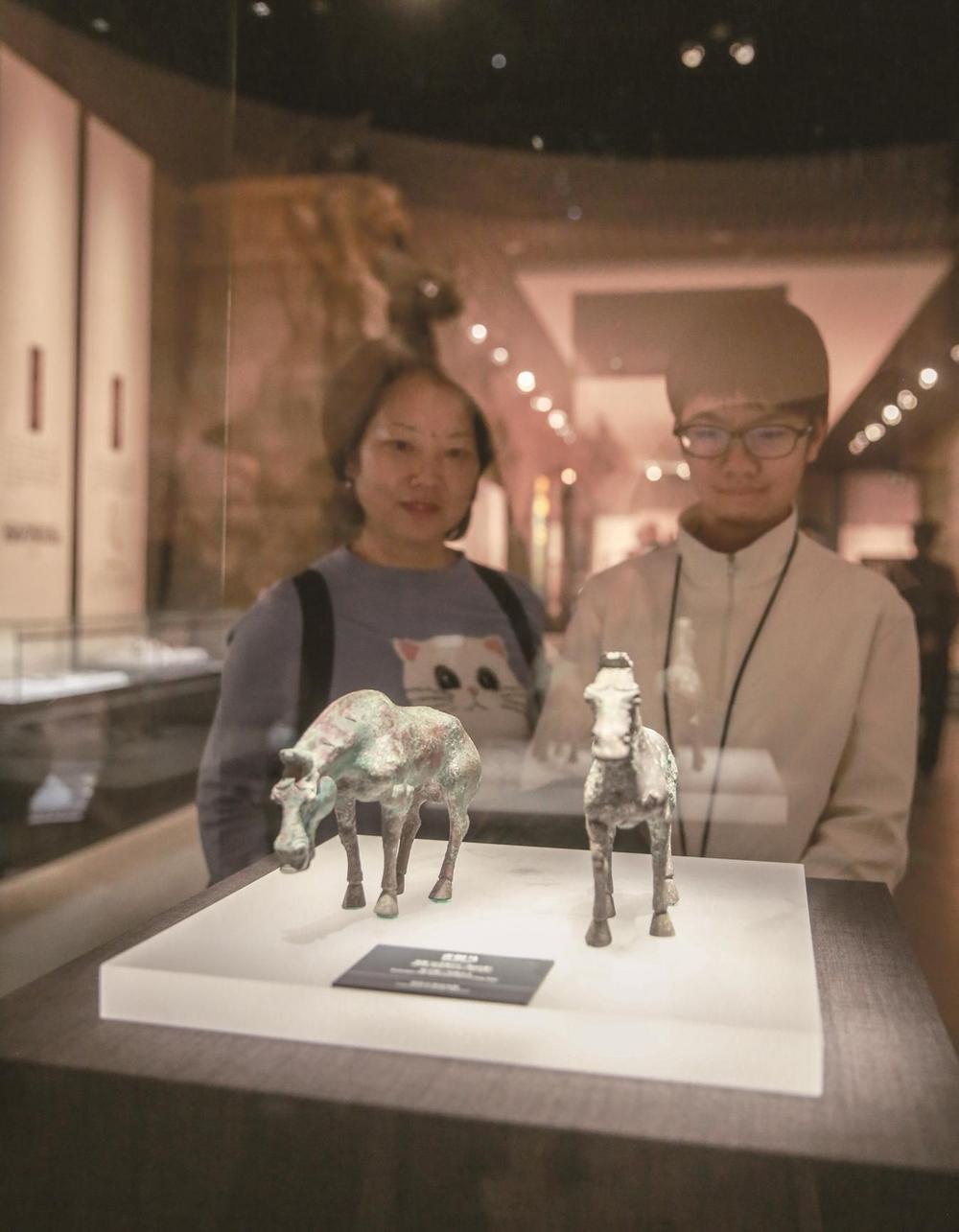
Core Viewpoint - The bronze horse, a significant cultural artifact from the Warring States period, is temporarily missing from the Handan Museum as it is on loan for an exhibition in Beijing, highlighting its cultural importance and the museum's engagement in promoting heritage [5][6]. Group 1 - The bronze horse, known as the "Warring States low-headed feeding bronze horse," is part of a collection of 15 artifacts loaned to the China Art Museum for an exhibition running from February 13 to May 12 [6]. - This is the first time the bronze horse has been loaned individually, as previous loans involved all three bronze horses together [6]. - The bronze horses were originally stolen from the Zhao Wangling tomb in 1997 and were successfully recovered the following year, making them a significant historical artifact [6]. Group 2 - The bronze horses are recognized as the earliest realistic war horse sculptures in China, predating the Han Dynasty bronze galloping horse by over 400 years [6]. - They are classified as national first-class cultural relics and serve as a historical testament to Zhao Wuling Wang's reforms in cavalry and archery [6]. - The bronze horses have gained significant recognition both within and outside the province, especially during the Year of the Horse, enhancing their status as cultural icons [7].
(新春见闻)新春寻“马”踪:探访中国最早写实青铜马中的“龙马精神”
Xin Lang Cai Jing· 2026-02-11 10:31
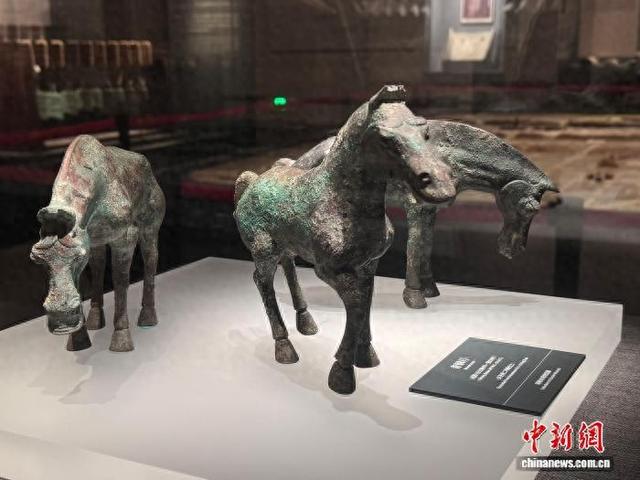
Core Viewpoint - The article highlights the historical significance of three bronze horses from the Warring States period, showcasing their connection to the "Hu Fu Qi She" reform in Zhao State, which transformed military practices and reflects the spirit of innovation and resilience in Chinese culture [1][3]. Group 1: Historical Significance - The three bronze horses are the earliest known realistic bronze horses in China, predating the famous Eastern Han bronze galloping horse by approximately 400 years [1]. - These artifacts were excavated from the Zhao Wangling No. 2 tomb and are classified as national first-class cultural relics, with a height ranging from 15 to 18 centimeters [1][3]. - The bronze horses serve as historical witnesses to the significant military reforms initiated by Zhao Wuling Wang, which included the establishment of the first organized cavalry in Chinese history [3]. Group 2: Cultural and Artistic Value - The distinct postures of the horses—walking, foraging, and standing—reflect the characteristics of adult Mongolian horses, indicating their suitability for battle and training [3][4]. - The dynamic representation of the horses symbolizes the determination and vitality of the nation during the reform period, while the focused posture of the foraging horse reflects the vigilance of the military and civilians in challenging environments [4][5]. - The artistic craftsmanship of the bronze horses not only showcases the advanced metalworking skills of the Zhao State but also embodies the "Dragon Horse Spirit," representing the strength and resilience of the military forces formed after the reforms [5]. Group 3: Cultural Products and Economic Impact - The museum has developed a series of cultural and creative products inspired by the bronze horses, including refrigerator magnets and plush toys, which blend cultural symbols with practical functions [7]. - The popularity of "horse" themed cultural products captures the essence of cultural confidence and emotional resonance, contributing to the festive economy and enhancing cultural significance during the New Year celebrations [7].
秣马厉兵 击三胡大展雄才
Xin Lang Cai Jing· 2026-01-15 00:53
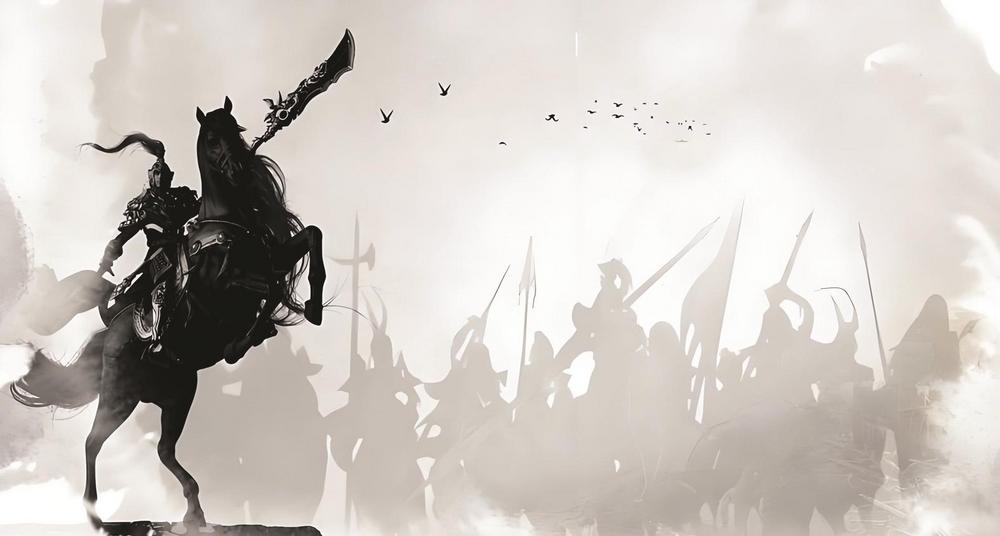
Core Viewpoint - The article discusses the military and political reforms implemented by Zhao Wuling Wang, particularly the adoption of "Hu Fu Qi She" (barbarian clothing and cavalry tactics), which significantly enhanced the military strength and territorial expansion of the Zhao state during the Warring States period [3][5][12]. Military Reforms - Zhao Wuling Wang initiated military reforms that included the establishment of a new cavalry force, which was crucial for the state's military strategy and territorial expansion [4][6]. - The successful military campaigns against the "Three Hu" tribes (Lin Hu, Lou Fan, Dong Hu) marked a turning point for Zhao, showcasing the effectiveness of the new cavalry tactics [5][6]. - The establishment of a cavalry training base in Yuanyang allowed for the recruitment and training of cavalry soldiers, addressing the shortage of cavalry resources in the central plains [7][8]. Territorial Expansion - The military campaigns led to the conquest of key regions such as Yuanyang and Jiu Yuan, significantly expanding Zhao's territory and securing its northern borders [4][5]. - The construction of the Zhao Great Wall was a strategic move to fortify the newly acquired territories and protect against future invasions from nomadic tribes [9][10]. Political and Economic Impact - The reforms led to a shift in the political landscape, promoting meritocracy through military achievements while diminishing the power of hereditary nobility [11][12]. - The economic structure evolved with the emergence of specialized organizations focused on cavalry support, horse breeding, and military logistics, contributing to the overall economic strength of Zhao [11]. Cultural Integration - The reforms facilitated cultural exchange between the nomadic and agrarian societies, leading to a new cultural synthesis known as Zhao culture, which emphasized inclusivity and harmony [12]. - The integration of nomadic practices and agricultural civilization enriched the cultural landscape of Zhao, fostering advancements in various fields [11][12].
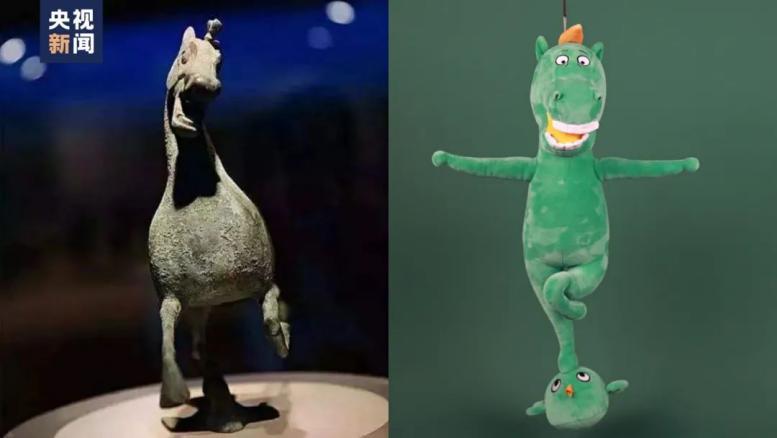
文博日历丨它们,“马友力”MAX
Yang Shi Xin Wen· 2025-07-29 04:08
Group 1 - The article discusses the discovery of three bronze horses from Handan, which are considered the earliest examples of realistic style in Chinese art, predating the famous "Galloping Horse" by approximately 400 years [2] - These bronze horses challenge the traditional notion of "expressive over realistic" in Chinese art, showcasing a unique blend of artistic styles [4] - The horses are noted for their robust physical features, symbolizing strength and agility, which are essential traits for warhorses [7] Group 2 - The bronze horses have their tails tied up, a practice that was common in ancient battlefields to prevent accidents during high-speed maneuvers, indicating their practical design [16][20] - Experts suggest that these horses may be linked to the military reforms of Zhao Wuling Wang, who implemented the "Hu Fu Qi She" strategy, transitioning from traditional infantry to cavalry [20][21] - This reform not only changed the military tactics of the Zhao state but also fostered cultural exchange and integration, a legacy that continues to resonate in modern times [23]