
全球治理倡议

Search documents
铭记共同历史 开创共赢未来
人民网-国际频道 原创稿· 2025-09-20 03:13
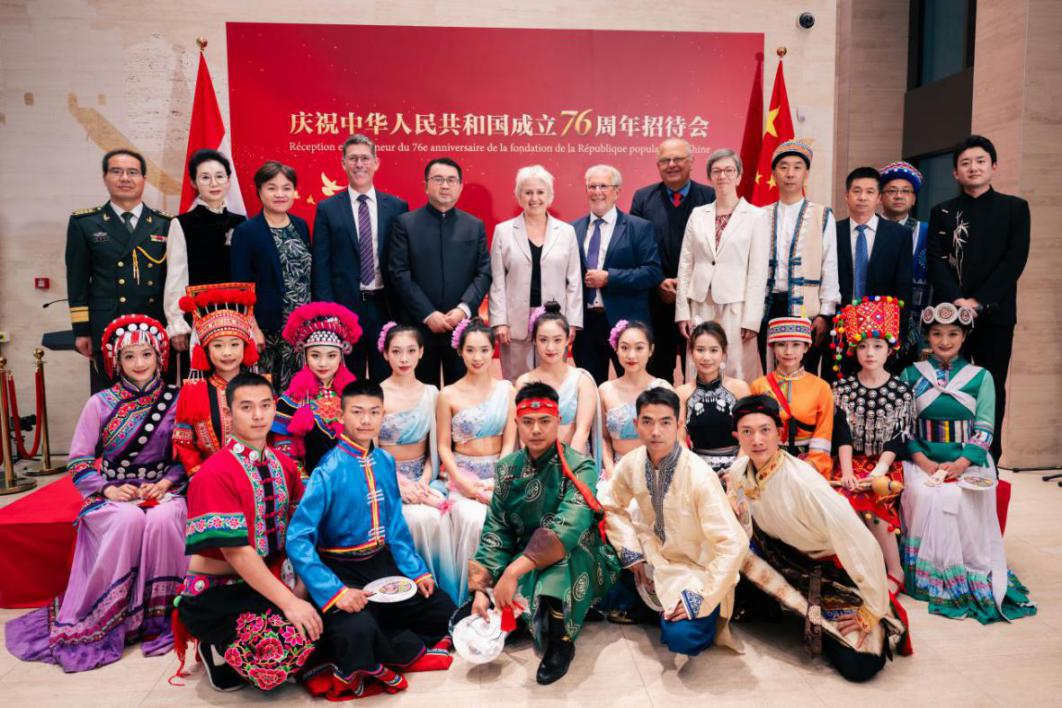
Group 1 - The event celebrated the 76th anniversary of the founding of the People's Republic of China and the 80th anniversary of the victory in the Chinese People's War of Resistance against Japanese Aggression and the World Anti-Fascist War [1][2] - The Chinese Ambassador emphasized the importance of historical memory regarding World War II and highlighted China's significant contributions to the war effort, as well as the support received from other nations [2] - The event included a photo exhibition on China's anti-Japanese war, performances by artists from Yunnan, and showcased Chinese books and cultural products [8] Group 2 - The bilateral relationship between China and Luxembourg has developed steadily over more than 50 years, with increasing cooperation and cultural exchanges [6] - Luxembourg is projected to remain the largest destination for Chinese direct investment in the EU in 2024, indicating strong economic ties [6]

北京香山论坛·高端访谈|东盟和平与和解研究所执行主任:中国与东盟建立了长期的互信和合作关系
Xin Hua She· 2025-09-20 02:10
第十二届北京香山论坛9月17日至19日在北京国际会议中心举行。本届论坛紧扣世界反法西斯战争胜利 80周年和联合国成立80周年等重要历史节点,倡导国际社会共同守护世界反法西斯战争胜利成果和战后 国际秩序;深入践行全球安全倡议、全球治理倡议,探寻行之有效的冲突解决之道,为变乱交织的世界 注入更多稳定性与正能量。自2006年创办以来,北京香山论坛已成为国际知名防务安全论坛。 9月18日,东盟和平与和解研究所执行主任、印度尼西亚前常驻联合国代表伊·古斯帝·普加围绕中国与东 盟的关系建构与未来合作,接受了新华社记者专访。 ...
北京香山论坛·高端访谈|东盟秘书长:万隆会议精神带来了许多重要发展,还将让我们收获更多成果,实现互利共赢
Xin Hua She· 2025-09-20 02:10
Core Viewpoint - The 12th Beijing Xiangshan Forum, held from September 17 to 19, emphasizes the importance of safeguarding the achievements of the World Anti-Fascist War and the post-war international order, while promoting global security and governance initiatives [1] Group 1 - The forum is aligned with significant historical milestones, including the 80th anniversary of the victory in the World Anti-Fascist War and the establishment of the United Nations [1] - Since its inception in 2006, the Beijing Xiangshan Forum has become a renowned international defense and security forum [1] - The forum aims to explore effective conflict resolution methods to inject more stability and positive energy into a world characterized by turmoil [1] Group 2 - The 70th anniversary of the Bandung Conference is also highlighted during the forum, with ASEAN Secretary-General Kao Kim Hourn discussing the insights from the Bandung Conference spirit [1]
联合国专家:全球治理倡议有助维护多边主义
Xin Hua Wang· 2025-09-20 01:42
Core Viewpoint - The global governance initiative proposed by China is beneficial for maintaining multilateralism and addressing the complexities of the current international order [1] Group 1: Global Governance Initiative - The initiative emphasizes the importance of a UN-centered international system and an international order based on international law [1] - It provides an opportunity for a more balanced international order while also highlighting the risks of division [1] Group 2: Role of China - China's constructive role in maintaining international order and promoting multilateral governance has been highly praised [1] - The independent expert's report reflects a positive assessment of China's contributions to global governance [1]
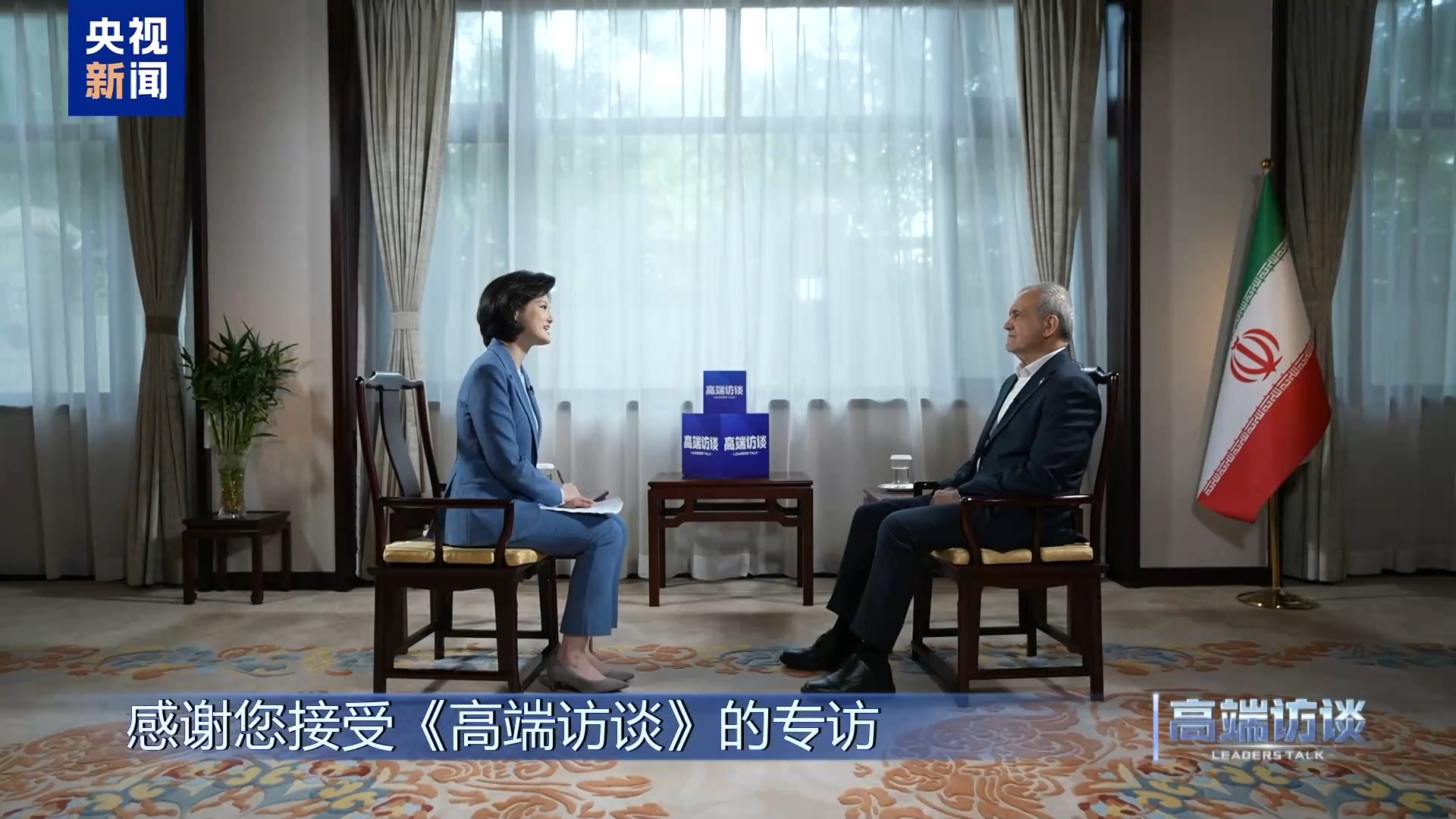
高端访谈丨专访伊朗总统佩泽希齐扬
Yang Shi Xin Wen· 2025-09-19 22:50
Core Viewpoint - The global governance initiative proposed by President Xi Jinping is seen as a model for contemporary international principles, emphasizing mutual respect, cooperation, and the establishment of a just and fair world [1][28]. Group 1: China-Iran Relations - The visit of Iranian President Pezeshkian to China marks his first official visit since taking office, highlighting the importance of strengthening bilateral ties [3]. - The comprehensive strategic partnership established between China and Iran is viewed as significant in the context of evolving global international relations [4][6]. - Pezeshkian emphasizes the historical ties between Iran and China, advocating for deeper cooperation and mutual assistance to build a peaceful and secure world [6][28]. Group 2: Global Governance Initiative - The global governance initiative is described as a systematic approach that encompasses multiple aspects, advocating for respect for international law and equality among nations [8]. - Pezeshkian stresses the need to eliminate double standards in international law and governance, calling for equal treatment of all countries regardless of their wealth or size [8][28]. - The initiative aims to promote a framework for international cooperation that respects sovereignty and territorial integrity [6][28]. Group 3: Middle East Stability - The reconciliation between Iran and Saudi Arabia, facilitated by China, is seen as a step towards achieving regional stability and peace [9]. - Pezeshkian asserts that unity and cooperation among Middle Eastern countries are essential for resolving ongoing conflicts and achieving lasting peace [22]. - The Iranian President expresses concerns over Israel's aggressive actions in the region, which he believes undermine peace efforts and contribute to instability [21][22]. Group 4: Nuclear Policy and International Relations - Pezeshkian reaffirms Iran's commitment to peaceful nuclear energy development, rejecting accusations of seeking nuclear weapons [11][16]. - He criticizes the double standards applied by Western nations regarding Iran's nuclear activities, emphasizing Iran's adherence to international agreements [10][19]. - The Iranian leadership is open to dialogue within the framework of international law, seeking to address concerns while maintaining their rights to develop nuclear technology for peaceful purposes [16][19].
重温联合国成立初心 热议全球治理中国贡献
Ren Min Ri Bao· 2025-09-19 22:08
美国陈纳德航空军事博物馆馆长、美国飞虎队指挥官陈纳德将军外孙女嘉兰惠不久前应邀出席在北京举 行的纪念中国人民抗日战争暨世界反法西斯战争胜利80周年大会。她认为,这一盛大活动唤起人们对二 战的记忆。和平并非与生俱来的馈赠,每一代人都必须奋力守护和平,并为之续写新的篇章。"铭记这 段历史,能让我们看清人类团结所能创造的可能,懂得哪些价值值得坚守,也可以指引当下的政策制 定:要着眼长远,而非追求短期政治利益。"嘉兰惠说。 "中国推动全球携手应对21世纪挑战的努力卓有成效" 日前,以"80载同舟共济:联合国的使命传承与全球治理新路径"为主题的"新时代大讲堂"活动在纽约联 合国总部举行,来自联合国秘书处和各国常驻联合国使团的代表、中外学者等200余人出席。与会人士 认为,在联合国成立80周年之际,重温联合国创立初心、维护联合国核心地位至关重要。中方提出的全 球治理倡议与联合国宪章宗旨和原则一脉相承,符合当今世界的紧迫需求,有利于推动各国携手应对全 球性挑战。 "联合国作为全球治理核心的作用,比以往任何时候都更为关键" 该活动由中国常驻联合国代表团与中国日报社共同主办。中国常驻联合国代表傅聪在主旨演讲中表示, 80年前, ...
携手共促世界长治久安(和音)
Ren Min Ri Bao· 2025-09-19 22:08
一个不断发展壮大的中国,永远是世界的和平力量、稳定力量、进步力量 国际秩序是否稳定,关乎世界和平发展的根基。在日前举行的第十二届北京香山论坛上,来自100余个 国家、地区和国际组织官方代表及专家学者和各国观察员等围绕"共护国际秩序、共促和平发展"主题, 聚焦当前全球安全面临的突出挑战,共商维护国际秩序、弥合安全赤字的合作方案。 "9月3日,中国举行盛大阅兵的时候,我在塞内加尔。当时全球包括非洲都对这次阅兵进行了广泛报 道。这次阅兵提醒人们,中国对世界反法西斯战争胜利作出了重大贡献。"同国际军事历史委员会主席 哈罗德·拉夫一样,出席北京香山论坛的多位外国嘉宾,都在发言时提到了不久前举行的中国人民抗日 战争暨世界反法西斯战争胜利80周年纪念活动,纷纷感佩中国维护世界和平发展的坚定担当。 铭记伟大胜利,是为了致敬历史,也是为了汲取历史启示、开创美好未来。80年前,新的国际秩序从战 火硝烟中诞生,承载着人类社会对和平与正义的美好希冀。80年来,以联合国为核心的国际体系、以国 际法为基础的国际秩序和以联合国宪章宗旨和原则为基础的国际关系基本准则,保障了世界的整体和 平,促进了人类社会的发展进步。然而,环顾当前世界,战后 ...
全国人大常委会副委员长彭清华访问俄罗斯
Ren Min Ri Bao· 2025-09-19 22:08
俄方表示,愿同中方深化战略协作,持续加强双方各层级议会交流合作,不断丰富俄中关系内涵。 《 人民日报 》( 2025年09月20日 03 版) (责编:袁勃、赵欣悦) 新华社莫斯科9月19日电 应俄罗斯国家杜马邀请,全国人大常委会副委员长彭清华于9月16日至20日率 团访俄,其间会见俄国家杜马主席沃洛金、鞑靼斯坦共和国行政长官明尼哈诺夫和国务委员会主席穆哈 梅特申,并同国家杜马副主席巴巴科夫共同主持中俄议会合作委员会联合工作组第四次会议。 彭清华表示,在两国元首战略引领下,中俄关系正处于历史最好水平。习近平主席提出全球治理倡议, 得到普京总统和俄各界高度评价。中方愿同俄方一道,以两国元首共识为根本遵循,进一步发挥联合工 作组平台作用,持续提升立法机构合作水平,助力中俄关系高水平发展。 ...
特稿丨更快、更稳、更实——从东博会感受中国-东盟命运共同体的建设步伐
Xin Hua She· 2025-09-19 13:43
Group 1 - The 22nd China-ASEAN Expo and China-ASEAN Business and Investment Summit is being held in Nanning, Guangxi, from September 17 to 21, showcasing over 3,200 enterprises from 60 countries across an exhibition area of 160,000 square meters [1] - The expo serves as a significant platform for promoting trade and investment between ASEAN countries and China, enhancing mutual trust and cooperation [2][3] - The event features high-level political participation, with leaders from several ASEAN countries and the ASEAN Secretary-General attending and expressing optimism about the future of the expo [2] Group 2 - The expo highlights the growing economic integration and cooperation between ASEAN and China, with a focus on technology and innovation, including AI applications and digital payment tools [3][4] - Sri Lanka participated as a guest partner country, aiming to attract tourism investment and promote port development, reflecting the expo's role in fostering regional economic interdependence [5] - Various cultural exchange activities, such as the China-ASEAN Youth Leaders Roundtable, are being held to deepen understanding and cooperation among the youth of ASEAN and China [6]
宋扬参赞出席孟加拉国经济政策研讨会
Shang Wu Bu Wang Zhan· 2025-09-19 13:41
Group 1 - The core viewpoint of the article highlights the participation of Song Yang, a counselor, in a seminar on Bangladesh's economic policy, emphasizing global governance initiatives and deepening economic and trade cooperation between China and Bangladesh [1] Group 2 - The seminar was organized by the Bangladesh Nationalist Party, indicating a political engagement in economic discussions [1] - Zhang Jian, the third secretary, also attended the seminar, suggesting a collaborative effort from the Chinese side in fostering bilateral relations [1]