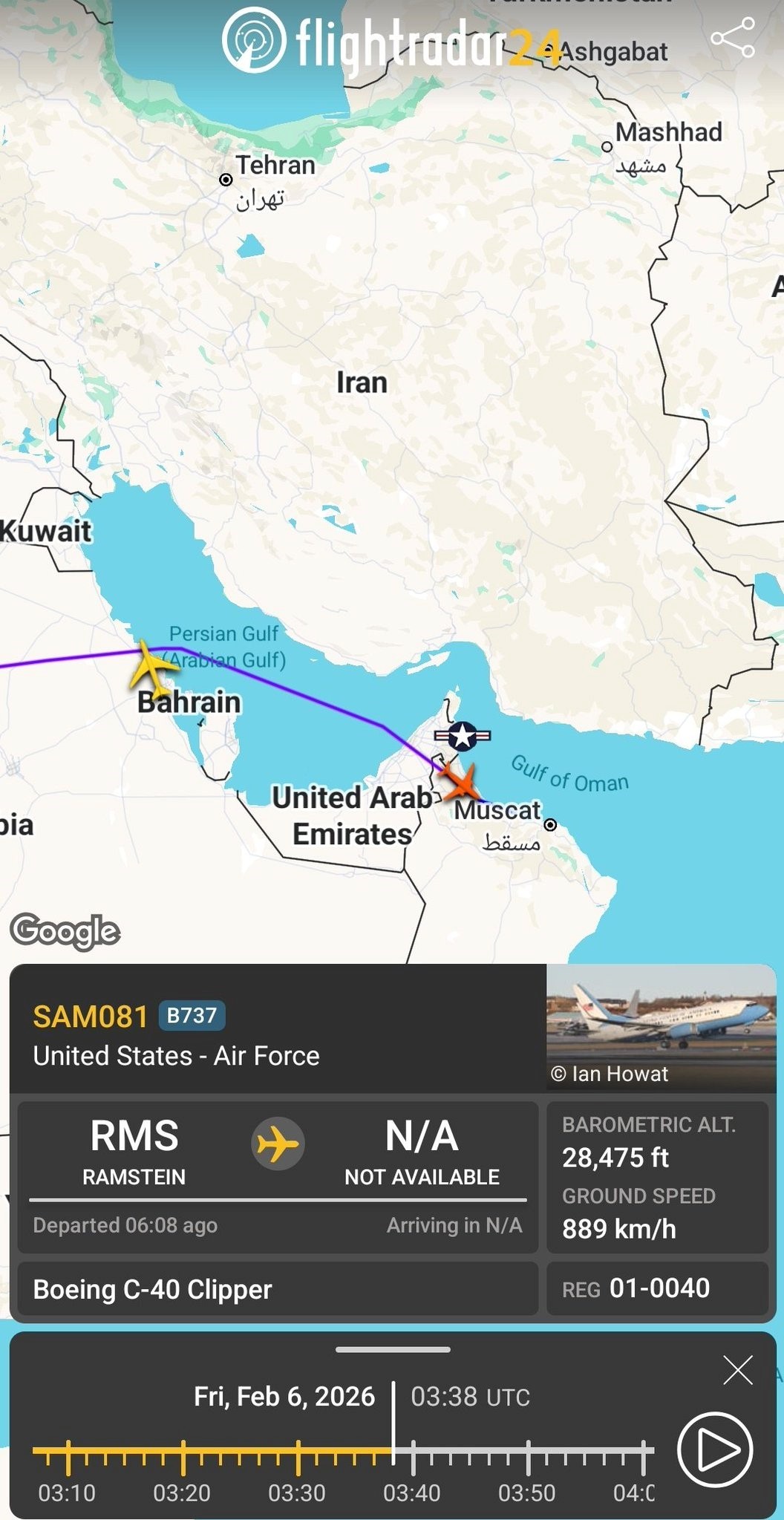
伊朗核问题

Search documents
中东的“战争警报”解除了吗?
Xin Lang Cai Jing· 2026-02-07 15:36
Core Viewpoint - The indirect negotiations between Iran and the United States in Muscat, Oman, signal a continuation of dialogue, but deep-rooted differences regarding Iran's nuclear program and U.S. sanctions remain unresolved, keeping the "war alarm" in the Middle East active [1][8]. Group 1: Negotiation Dynamics - The Iranian delegation was led by Foreign Minister Zarif, while the U.S. delegation included special envoy Jared Kushner and General Cooper from the U.S. Central Command, with Omani Foreign Minister Badr mediating the talks [1][6]. - Both sides expressed a willingness to continue negotiations, with Zarif stating that the talks had a good start and consensus on further discussions, emphasizing that avoiding threats and pressure is essential for dialogue [3][4]. - U.S. President Trump described the talks as "very good" but reiterated that Iran must not possess nuclear weapons, warning of severe consequences if an agreement is not reached [3][4]. Group 2: Key Issues and Divergences - The U.S. demands include prohibiting Iran from developing nuclear weapons, enriching uranium, and limiting missile range, as well as stopping support for regional proxy forces [4][6]. - Iran maintains that it does not seek nuclear weapons but insists on its right to peaceful nuclear energy, opposing discussions on missile capabilities and regional issues [6][8]. - A significant lack of mutual trust hampers progress, as evidenced by the indirect nature of the talks and the contentious selection of Muscat as the negotiation venue [6][7]. Group 3: Regional Context and Military Posturing - The negotiations are seen as a tactical de-escalation rather than a strategic shift, prompted by heightened military tensions and mutual threats that risk direct conflict [8][10]. - The U.S. has increased military presence in the region, deploying the USS Abraham Lincoln carrier strike group and additional aircraft, while Iran showcased its missile capabilities [8][10]. - Analysts suggest that the current talks serve more as a "safety valve" to reduce miscalculations rather than addressing the underlying structural issues, with the potential for Israeli actions to disrupt future negotiations [10][11].

伊朗外长:伊美两国认为新一轮谈判应尽快举行
Xin Lang Cai Jing· 2026-02-07 13:33
Core Viewpoint - Iran and the United States are in agreement on the necessity of continuing negotiations regarding Iran's nuclear program, although specific dates for the next round of talks have not been established [1][2]. Group 1: Negotiation Status - Iranian Foreign Minister Zarif stated that while the current round of negotiations is a good start, there is still a long way to go in building trust [1]. - Zarif emphasized that negotiations must occur without threats or pressure, and he hopes the U.S. will adopt a similar approach [1]. - Both Iran and the U.S. have agreed to continue discussions, with the next meeting to be arranged after mutual consultations [2]. Group 2: Nuclear and Missile Programs - Zarif asserted that the Iranian nuclear issue can only be resolved through negotiations, and Iran is prepared to reach an agreement that addresses concerns related to uranium enrichment [1]. - He made it clear that the issue of banning uranium enrichment is non-negotiable, stating that it is Iran's right to continue this process [1]. - Zarif also indicated that Iran's missile program is fundamentally defensive and will not be included in negotiations [1]. Group 3: Military Preparedness - Zarif mentioned that the possibility of war always exists, and Iran is prepared for such a scenario [1]. - He clarified that while Iran cannot attack the U.S. mainland, it would target U.S. military bases in the Middle East if attacked [1]. - Zarif distinguished between attacking military bases and neighboring countries, asserting that Iran would not attack its neighbors [1].
伊朗外长会见卡塔尔首相兼外交大臣 就地区局势交换意见
Jing Ji Guan Cha Wang· 2026-02-07 12:23
经济观察网据央视新闻客户端消息,当地时间2月6日,赴多哈出席第十七届"半岛论坛"的伊朗外交部长 阿拉格齐同卡塔尔首相兼外交大臣穆罕默德举行会晤。 双方在回顾地区形势时强调,地区各国负有共同责任,应共同努力维护和保障地区安全与持久稳定。 会谈中,双方就双边关系发展以及地区和国际形势交换了意见。阿拉格齐对卡方在伊朗核问题上所作努 力表示赞赏,并向卡方通报了伊朗与美国近期在阿曼马斯喀特开展外交接触的情况。 ...
伊朗外长为伊美谈判划定“红线”
Xin Hua She· 2026-02-07 12:06
Core Viewpoint - Iran's Foreign Minister, Zarif, stated that Iran has two "red lines" in negotiations with the U.S.: it will not abandon uranium enrichment and will not negotiate on its missile program [1] Group 1: Negotiation Stance - Iran considers the U.S.-Iran negotiations a good start, but acknowledges that building mutual trust will take time [1] - The specific date for the next round of negotiations has not been determined, but both parties agree that talks should be held as soon as possible [1] Group 2: Uranium Enrichment - Zarif emphasized that the prohibition of uranium enrichment is not negotiable, asserting that it is Iran's legitimate right and must continue [1] - Iran is prepared to reach a reliable agreement regarding uranium enrichment [1] Group 3: Missile Program - Iran will not negotiate on its missile program, as it falls under the country's defense domain [1] Group 4: Military Preparedness - Zarif mentioned that the possibility of war always exists, and Iran is prepared for such an eventuality [1] - If the U.S. attacks Iran, while Iran cannot strike the U.S. mainland, it will target U.S. military bases in the Middle East [1] - Iran will not attack neighboring countries but will strike U.S. military bases located in those countries, highlighting a significant distinction [1]
国际观察丨美伊谈判能否解除中东“战争警报”
Xin Lang Cai Jing· 2026-02-07 11:30
Core Viewpoint - The indirect negotiations between Iran and the United States in Muscat, Oman, on February 6, 2023, signal a continuation of dialogue, but deep-rooted differences regarding Iran's nuclear program and U.S. sanctions persist, keeping the "war alarm" in the Middle East active [1][2]. Group 1: Negotiation Dynamics - The Iranian delegation was led by Foreign Minister Amir-Abdollahian, while the U.S. delegation included special envoy Jared Kushner and military representatives, with Oman facilitating communication [2]. - Both sides expressed a willingness to continue negotiations, with Iran emphasizing the need for dialogue without threats, while the U.S. maintained a stance of pressure, reiterating that Iran must not possess nuclear weapons [2][3]. Group 2: Key Issues and Disagreements - The U.S. demands include prohibiting Iran from developing nuclear weapons, enriching uranium, and limiting missile capabilities, while Iran insists on its right to peaceful nuclear energy and opposes discussions on missile capabilities and regional issues [3][4]. - The lack of mutual trust is a significant barrier to progress, as evidenced by the indirect nature of the talks and the contentious selection of the negotiation venue [3][4]. Group 3: Current Situation and Future Outlook - The negotiations are viewed as a tactical de-escalation rather than a strategic shift, with both sides ramping up military posturing prior to the talks [5][6]. - The U.S. has increased military presence in the region, while Iran showcased its missile capabilities, indicating a desire to deter U.S. aggression [6]. - Analysts suggest that the ongoing tensions and core disagreements over nuclear capabilities and sanctions will continue to hinder meaningful progress in U.S.-Iran relations [6][7].
美伊“背靠背”谈判重启 场外“温差”揭示核心分歧
Xin Lang Cai Jing· 2026-02-07 11:29
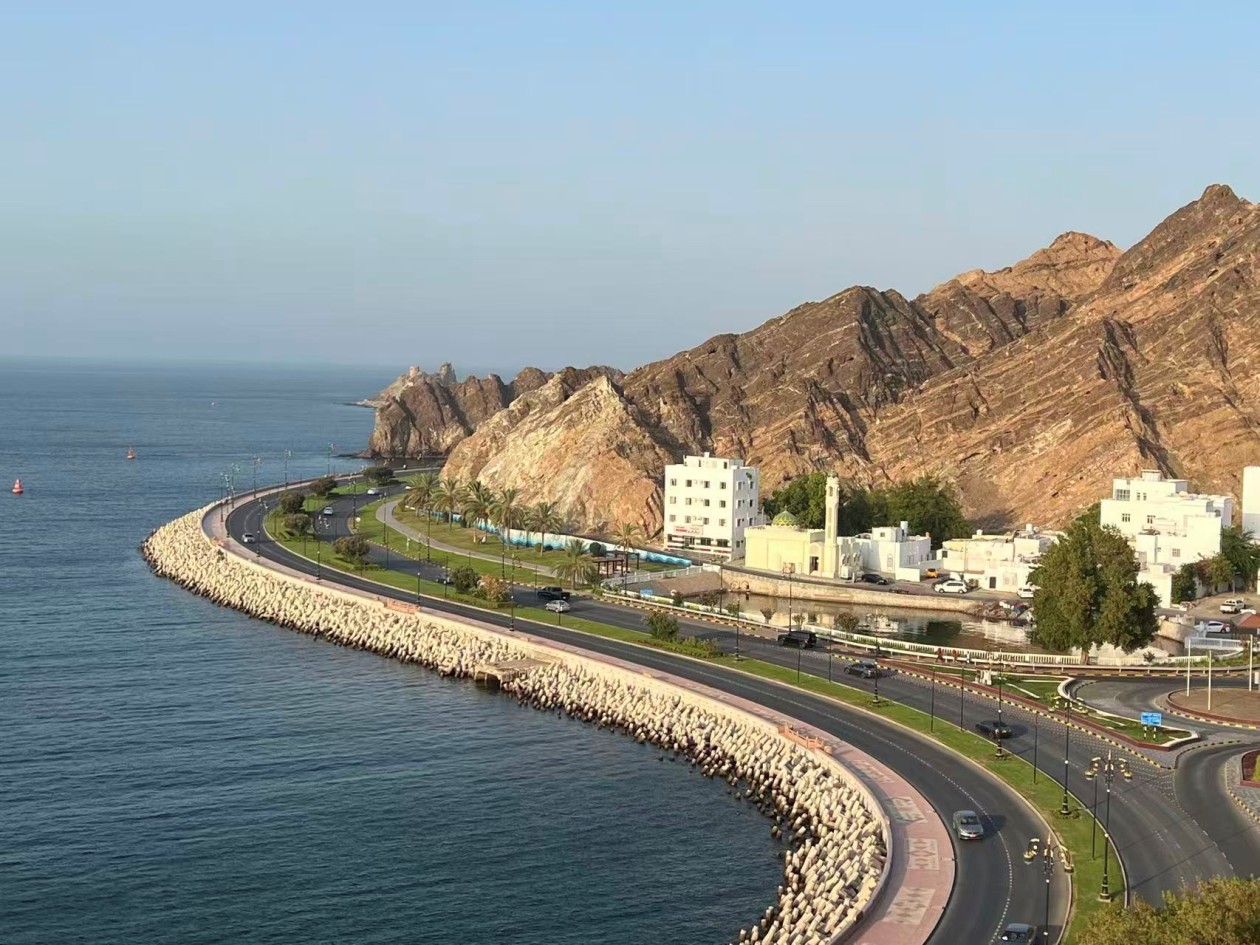
来源:央视新闻客户端 当地时间2月6日,美国与伊朗代表团在阿曼首都马斯喀特举行历时数小时的两轮"背靠背"谈判——双方 并未同桌,而是由阿曼外交大臣巴德尔在双方代表团之间往返传话,讨论重点指向"为恢复外交沟通与 技术磋商创造适当条件"。 在海湾局势持续紧张的背景下,这种"背靠背"的形式本身就释放了一个信号—— 谈判更像是把渠道重新 打通、把底线先行摸清,而不是马上进入实质性的对话环节。 东道主阿曼注重平衡 美国伊朗态度大不同 伊朗方面在会后迅速对外发声。伊朗外长阿巴斯·阿拉格齐对媒体表示,会谈是"好的开始",后续将回 到德黑兰进行内部磋商再决定下一轮谈判的形式与时间。他同时再次划出红线,强调议题只限核问题, 不讨论导弹与地区议题,且对话必须避免威胁与施压。 美国的表态则明显更克制。谈判后并未第一时间由美方代表团成员发声,更多由总统层面给出简短评 价。特朗普表示,美伊在阿曼举行了"非常好"的谈判,他认为伊朗似乎"非常渴望达成协议",同时表示 美伊计划下周继续谈判,但没有透露具体地点。 作为东道主与调停方,阿曼外交部门的措辞最平衡:强调对话"重要",目标在于确保谈判成功并维护地 区安全稳定。沙特阿拉伯、卡塔尔、土耳 ...
世界密切关注美伊谈判结果
Xin Lang Cai Jing· 2026-02-07 04:16
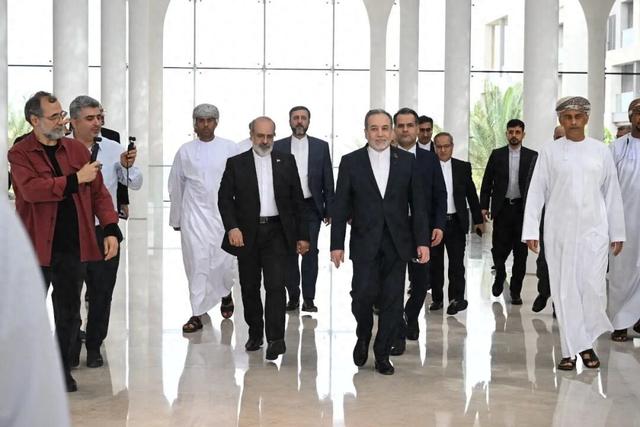
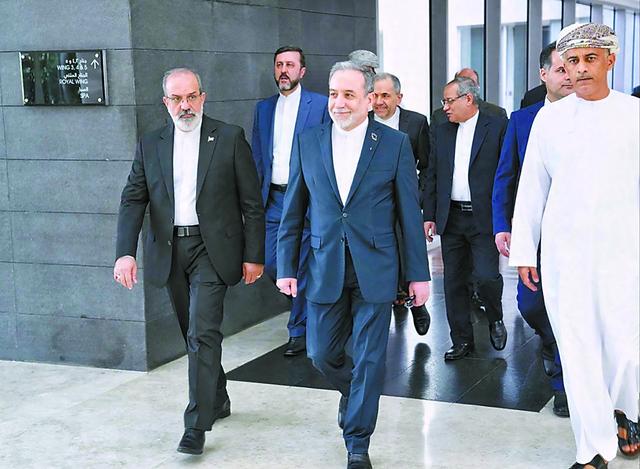
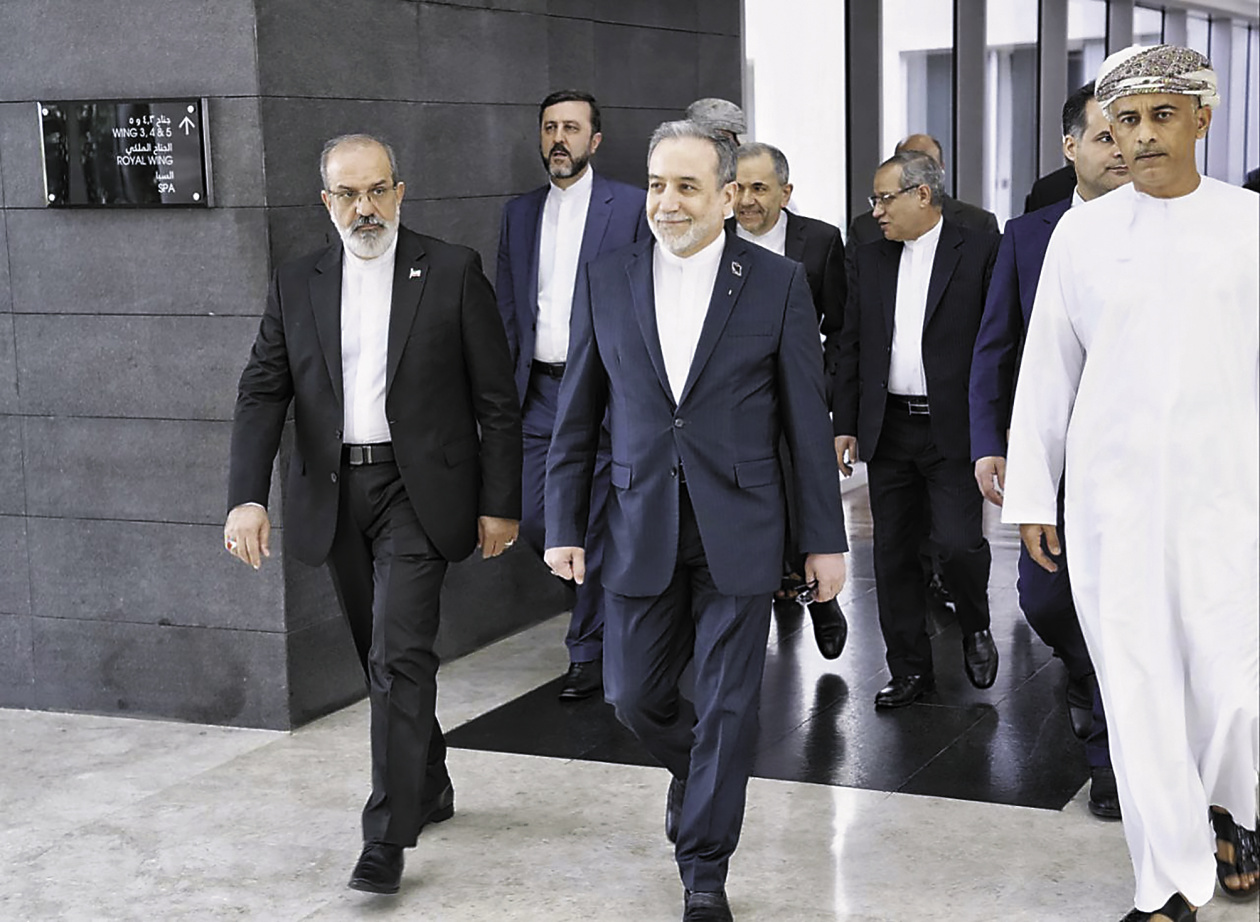
6日,阿曼首都马斯喀特,伊朗外交部长阿拉格齐(前排中)率团前往美伊谈判会场。(视觉中国) "这是一场高风险的谈判。"多家国际媒体这样形容美国和伊朗6日在阿曼首都马斯喀特举行的会谈。这 是美国去年6月轰炸伊朗核设施后双方首次举行谈判,美国总统特使威特科夫和伊朗外长阿拉格齐分别 率团参加。伊朗方面称,此次外交接触力求"就核问题达成公平、双方认可且体面的谅解",美方在会谈 前要求扩大谈判议题范围,并发布安全警报,敦促美国公民"立即离开伊朗"。半岛电视台称,这次谈判 并非在正常情况下进行,伊朗面临着美国强大的军事压力,美国已经在中东海域部署航母打击群,并增 派战机,显示出如果外交失败可能采取军事施压的态度;与此同时,伊朗则展示了其最新型弹道导弹, 强调威慑能力不可交易。英国广播公司(BBC)认为,这次谈判是伊朗阻止美国再次采取军事行动的最 后机会。6日晚,美伊在阿曼的会谈结束。伊朗外长阿拉格齐称,会谈是"积极的","是一个良好的开 端"。 伊朗铭记"以往的沉痛经历" 据报道,美伊6日的谈判以间接方式举行。伊朗伊斯兰共和国通讯社6日报道,在第一阶段谈判中,伊朗 外长与阿曼外交大臣巴德尔会面,向阿曼方面提交了关于管控当前 ...
世界密切关注美伊谈判结果,伊朗外长:会谈是“积极的”,“是一个良好开端”
Huan Qiu Shi Bao· 2026-02-06 22:49
伊朗铭记 " 以往的沉痛经历 " 伊朗迈赫尔通讯社6日报道称,美伊在阿曼的谈判开始不久,美国媒体就在"无休止"地发布该国军事调动之类的报道,这些新闻以及未来数天内发布的消 息,都可以被认为是"谈判过程中军事施压德黑兰的策略",目的就是使伊朗官员做出误判。伊朗军事武装指挥人员强调,他们已经进行充分准备,将对侵略 【环球时报综合报道】"这是一场高风险的谈判。"多家国际媒体这样形容美国和伊朗6日在阿曼首都马斯喀特举行的会谈。这是美国去年6月轰炸伊朗核设施 后双方首次举行谈判,美国总统特使威特科夫和伊朗外长阿拉格齐分别率团参加。伊朗方面称,此次外交接触力求"就核问题达成公平、双方认可且体面的 谅解",美方在会谈前要求扩大谈判议题范围,并发布安全警报,敦促美国公民"立即离开伊朗"。半岛电视台称,这次谈判并非在正常情况下进行,伊朗面 临着美国强大的军事压力,美国已经在中东海域部署航母打击群,并增派战机,显示出如果外交失败可能采取军事施压的态度;与此同时,伊朗则展示了其 最新型弹道导弹,强调威慑能力不可交易。英国广播公司(BBC)认为,这次谈判是伊朗阻止美国再次采取军事行动的最后机会。6日晚,美伊在阿曼的会 谈结束。伊朗外 ...
伊美举行间接谈判,中间方阿曼发声:各方下定决心,“要实现可持续的区域安全稳定”
Xin Lang Cai Jing· 2026-02-06 12:40
据伊朗媒体报道,在第一轮谈判中,阿拉格齐先与阿曼外交大臣巴德尔举行会谈,就谈判议题、相关诉求及关切问题阐述立场和建议。阿拉格齐还向巴德尔 提交了一份伊阿双方同意的临时谈判计划。伊阿外长的会谈结束后,威特科夫与巴德尔立即展开会谈。 有媒体报道,伊美谈判以间接方式展开,但如果进展顺利,双方也可能在接下来的谈判中实现直接对话。目前谈判议题聚焦于伊朗核问题,涉及美国解除对 伊制裁。 来源:环球 【环球时报-环球网伊斯兰堡、迪拜2月6日电 记者赵益普、张志文】据卡塔尔半岛电视台报道,2月6日,伊朗和美国在阿曼首都马斯喀特举行谈判,伊朗外 长阿拉格齐和美国总统特使威特科夫率团参加,阿曼担任谈判中间方。美军中央司令部司令库珀作为美国代表团成员参加此次谈判。 阿曼外交部发在社交媒体上的一篇声明表示,阿曼作为中间方,与伊朗和美国的会谈重点是"为恢复外交和技术谈判创造适当条件",目前各方都下定决 心,"要实现可持续的区域安全稳定"。 (人民日报中东中心分社海瑟姆·穆扎恩参与采写) ...
伊朗外交消息人士警告:美军中央司令部参与可能危及伊美间接谈判进程
Huan Qiu Wang· 2026-02-06 11:27
伊朗和美国6日在阿曼首都马斯喀特举行谈判,伊朗外长阿拉格齐和美国总统特使威特科夫率团参加,阿曼担任谈判中间方。据美国《华尔街日报》和 卡塔尔半岛电视台报道,美军中央司令部司令库珀作为美国代表团成员参加此次谈判。美军中央司令部司令是美军在中东地区级别最高的军事指挥 官。伊朗媒体称这是此轮谈判"与过去的一个显著不同"。 另有媒体报道,伊美谈判以间接方式展开,但如果进展顺利,双方也可能举行直接谈判。谈判议题聚焦于伊朗核问题,涉及美国解除对伊制裁。 【环球网快讯】据卡塔尔半岛电视台6日最新援引路透社消息,一名伊朗外交消息人士警告称,美军中央司令部或任何地区军事官员都不应出现在阿曼 正在进行的伊美谈判中。 "美军中央司令部或任何地区军事官员参与谈判,都可能会危及伊朗和美国之间间接的核谈判进程。"该消息人士称。 ...