军事干预

Search documents
特朗普下令“战争部”做好准备
中国能源报· 2025-11-02 04:05
Core Viewpoint - The article discusses President Trump's directive to the Department of Defense to prepare for potential military action in Nigeria aimed at eliminating "terrorists" and addressing the violence against Christians in the region [1][2]. Group 1: Military Action Preparation - Trump has ordered the Department of Defense to prepare for "possible actions" in Nigeria to combat terrorism [1]. - The military intervention is described as "swift, ruthless, and decisive" [1]. - The Pentagon is reportedly preparing to take action following Trump's command [2]. Group 2: Context of Violence - Nigeria's northeastern region has faced attacks from the extremist group Boko Haram since 2009, with violence escalating due to the emergence of its affiliate, the Islamic State West Africa Province, in 2016 [1]. - Trump criticized the Nigerian government for allegedly allowing the slaughter of Christians to continue [1].

特朗普再度放了100%关税大招,反而证明美国战略博弈工具的缺乏
Sou Hu Cai Jing· 2025-10-20 03:41
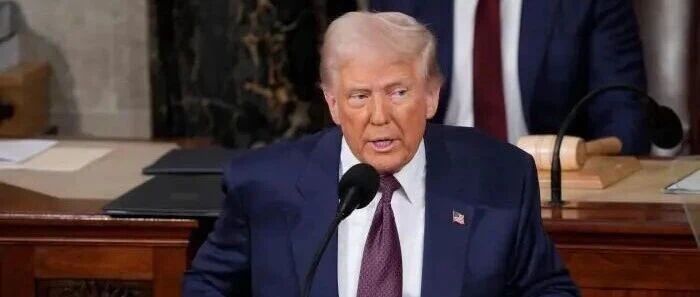
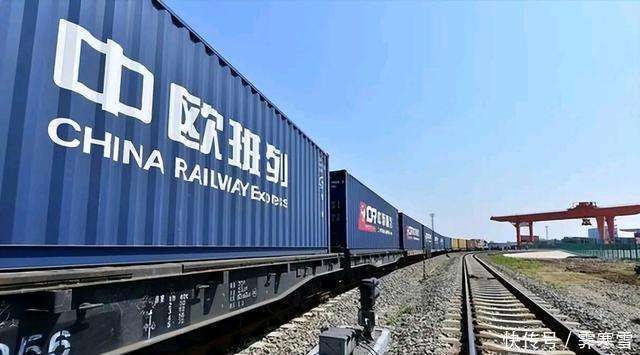
Group 1 - The core viewpoint is that Trump's decision to impose an additional 100% tariff on all Chinese goods reflects emotional responses and indicates a lack of effective strategies in the U.S.-China trade conflict [1] - The U.S. has limited options to counter China's recent export controls on rare earths, which complicates U.S. efforts to rebuild its rare earth supply chain [1][3] - The U.S. has historically engaged in trade bullying without facing significant pushback, but China's strong countermeasures have disrupted the U.S.'s previous advantages [3] Group 2 - The U.S. continues to rely on traditional methods to exert pressure on China, particularly in high-tech industries and geopolitical issues like Taiwan, despite the ineffectiveness of these strategies [4] - Recent actions, such as Poland halting the operation of the China-Europe Railway, suggest U.S. influence in attempts to disrupt China's trade routes [4] - The U.S. lacks confidence in its ability to militarily confront China in the Pacific, and its trade tactics have lost their effectiveness [5] Group 3 - As military options become less viable, the U.S. may need to reassess its approach to China and consider a more rational policy focused on peaceful coexistence [7]
“上任不足一年”,外媒:美委关系持续紧张之际,美南方司令部司令突然宣布将退役
Huan Qiu Wang· 2025-10-17 03:10
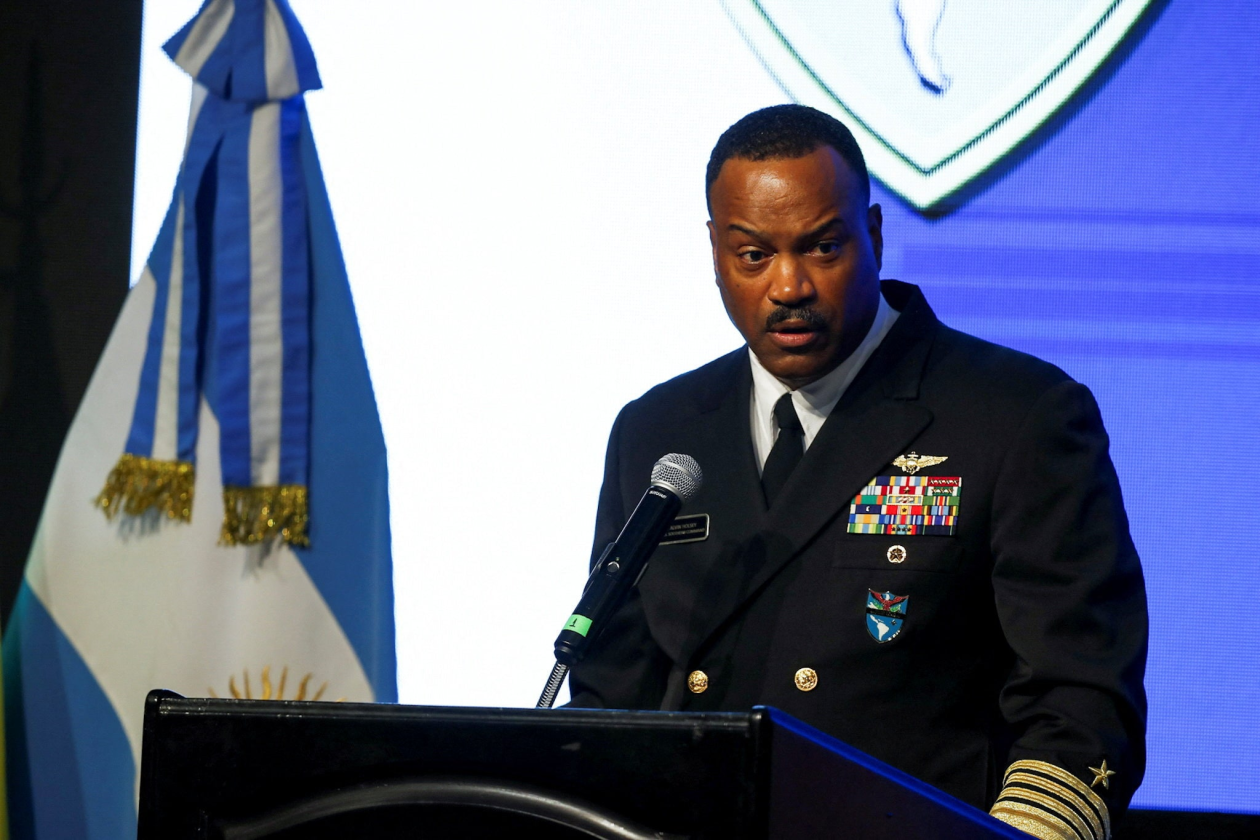
Core Points - The unexpected retirement of General Halsey, commander of the U.S. Southern Command, raises concerns amid escalating tensions between the U.S. and Venezuela, particularly regarding military actions in the Caribbean [1][3] - Halsey's retirement comes less than a year after his appointment, which typically lasts three years, indicating potential instability within the military command structure [3][4] - The U.S. has intensified military deployments in the Caribbean, including warships, F-35 fighter jets, a nuclear submarine, and approximately 6,500 troops, in response to the situation with Venezuela [3][4] Military Actions - The U.S. military has conducted operations against alleged "drug boats" in the Caribbean, resulting in at least 27 deaths, raising legal and ethical concerns among experts and Democratic lawmakers [3][4] - Since September, the Trump administration has claimed to have sunk five alleged "drug boats" off the coast of Venezuela, with no substantial evidence provided to Congress to support these claims [4] Political Reactions - Concerns have been voiced by political leaders, such as Senator Jack Reed, regarding the implications of Halsey's retirement and the potential for military intervention in Venezuela without congressional authorization [4] - The Venezuelan government has accused the U.S. of violating international law and the United Nations Charter, suggesting that the U.S. actions are aimed at seizing Venezuela's oil resources [4]
突发!美军,出动B-52轰炸机!
Zheng Quan Shi Bao Wang· 2025-10-17 01:48
Core Viewpoint - The deployment of three B-52 bombers by the U.S. military near Venezuela's coast is part of ongoing pressure on the Venezuelan government, led by President Maduro, amid escalating tensions in the Caribbean region [1][2][3]. Military Actions - On October 15, three B-52 bombers were deployed from Barksdale Air Force Base in Louisiana to international airspace off the coast of Venezuela, approximately 150 miles (241 kilometers) away [2]. - The U.S. military has been conducting operations in the Caribbean under the pretext of combating drug trafficking, which has heightened tensions between the U.S. and Venezuela [2][3]. - The U.S. Southern Command confirmed the deployment of two helicopters for live-fire exercises in the Caribbean, supporting operations against illegal drug trafficking [6]. Political Context - President Trump has authorized the CIA to conduct covert operations in Venezuela, which Maduro claims is an attempt to orchestrate a coup [1][2][3]. - The U.S. has claimed to have sunk five "drug boats" and killed 27 alleged drug traffickers in the region since September [3]. International Reactions - Venezuela's UN ambassador has formally requested an investigation into U.S. military actions, claiming they threaten regional peace and sovereignty [5]. - Mexican President López Obrador condemned U.S. interference in Latin America and emphasized the importance of respecting the self-determination of nations [5]. Immigration Issues - Approximately 14,947 Venezuelan migrants have returned to Venezuela through a repatriation program since February, following an agreement with the U.S. government [7]. - The U.S. Supreme Court recently ruled to allow the Trump administration to terminate temporary protected status for over 300,000 Venezuelan migrants, impacting their legal residency in the U.S. [7].
突发!美军,出动B-52轰炸机!
券商中国· 2025-10-17 01:14
Core Viewpoint - The article discusses the escalating military tensions in the Caribbean, particularly involving the U.S. deployment of B-52 bombers near Venezuela, which is seen as part of a broader strategy to pressure the Venezuelan government led by President Maduro [1][3][4]. Military Actions - Three B-52 bombers were deployed to international airspace off the coast of Venezuela, approximately 150 miles (241 kilometers) from the country [2][3]. - The U.S. military has been conducting operations in the Caribbean under the pretext of combating drug trafficking, which has heightened tensions between the U.S. and Venezuela [3][4]. - President Trump has authorized the CIA to conduct covert operations in Venezuela, which Maduro claims is an attempt to orchestrate a coup [4][5]. Diplomatic Responses - Venezuela's UN ambassador has formally requested an investigation by the UN Security Council into U.S. military actions, claiming they threaten regional peace and Venezuela's sovereignty [6]. - Mexican President López Obrador has condemned U.S. interference in Latin America, emphasizing the importance of respecting the self-determination of nations [7]. Immigration Issues - Approximately 14,947 Venezuelan migrants have returned to Venezuela through a government program, following an agreement with the U.S. to repatriate detained citizens [8]. - The U.S. Supreme Court recently ruled to allow the Trump administration to terminate temporary protected status for over 300,000 Venezuelan migrants, which has implications for their legal residency in the U.S. [8].

委内瑞拉国防部长谴责美军对委进行空中侦察
Yang Shi Xin Wen· 2025-09-14 20:56
Core Viewpoint - The Venezuelan Defense Minister Lopez condemned the United States for deploying military aircraft to conduct aerial reconnaissance over Venezuela, claiming these actions are part of a strategy to justify military intervention and overthrow the Venezuelan government [1] Summary by Relevant Sections Military Actions - U.S. military aircraft have been conducting intelligence operations in the Caribbean region, with a notable increase in activities since August, which have doubled in frequency [1] - The reconnaissance operations have shifted from daytime to nighttime and early morning activities [1] Political Implications - Lopez asserts that these intelligence operations are aimed at finding excuses for "military threats and intervention plans" against Venezuela [1]
美国出兵委内瑞拉 ,8艘军舰严阵以待,美国究竟要干什么?
Hu Xiu· 2025-09-11 09:05
Core Viewpoint - The United States has deployed military forces to Venezuela, with 8 warships and 1,200 missiles prepared, raising questions about the true intentions behind this military presence, which is officially stated to be aimed at combating crime but is perceived as a facade [1] Military Deployment - The U.S. has sent 8 warships to Venezuela, indicating a significant military buildup in the region [1] - A total of 1,200 missiles are reportedly ready for deployment, showcasing the scale of military readiness [1] Official Justification - The U.S. government claims that the military presence is intended to address crime, but this rationale is viewed skeptically by observers who believe it serves other strategic purposes [1]
美国大举增兵 3艘军舰4000士兵指向委内瑞拉 马杜罗宣布:将部署400万民兵应对“侵略”
Mei Ri Jing Ji Xin Wen· 2025-08-22 08:03
Core Viewpoint - The United States has deployed military forces near Venezuela, citing a need to combat drug trafficking, while Venezuela's government perceives this as an act of aggression and interference in its internal affairs [1][2][5]. Military Deployment - The U.S. has sent a significant naval presence to the Caribbean, including amphibious assault ships, destroyers, and potentially a nuclear submarine, with the aim of addressing threats from drug trafficking organizations in Latin America [2][12]. - The military buildup is described as a show of force rather than an immediate plan for direct military action against drug cartels, although it provides options for U.S. commanders [2][19]. Venezuelan Response - Venezuelan President Maduro has condemned the U.S. actions, stating that the country will prepare to defend its sovereignty and has initiated a national conscription program to bolster its military capabilities [3][6][4]. - Maduro claims that over 4 million citizens are already part of the Bolivarian militia, emphasizing the nation's commitment to peace while rejecting any form of foreign intervention [4][11]. Regional Reactions - Several Latin American countries have expressed strong opposition to the U.S. military presence, viewing it as a threat to regional stability and sovereignty [12][15]. - Leaders from Colombia, Brazil, and Mexico have voiced concerns that U.S. intervention could lead to further conflict and instability in the region, with calls for diplomatic solutions instead of military actions [15][18][19]. Diplomatic Context - Venezuela's Foreign Minister has labeled U.S. accusations of drug trafficking as malicious and unfounded, asserting that the country has been actively combating organized crime since the expulsion of the U.S. Drug Enforcement Administration in 2005 [5][8]. - The situation has drawn international attention, with calls for restraint and dialogue from various global leaders, including the United Nations [18][19].
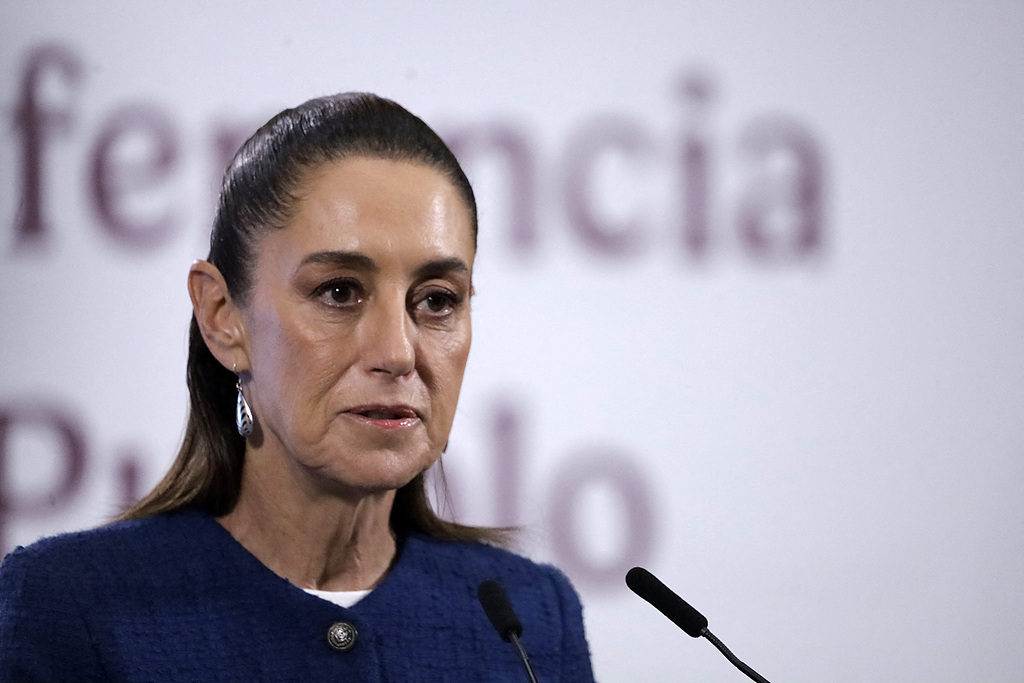
墨西哥总统强硬表态:绝不允许美军入境
Yang Shi Xin Wen· 2025-08-11 22:02
Core Viewpoint - The Mexican government, led by President López Obrador, firmly asserts its commitment to national sovereignty and independence, rejecting any foreign military presence, particularly from the United States [1] Group 1: Government Stance - President López Obrador emphasizes that Mexico will never submit to foreign powers and insists that any cooperation with the U.S. in security matters must adhere to strict conditions [1] - The Mexican government opposes any form of U.S. intervention, including drone strikes against drug cartels within its territory [1] Group 2: Security Cooperation - Any potential U.S. aircraft incursions must be fully coordinated and requested by Mexico, and should only be used for specific monitoring support [1] - U.S. Secretary of State Rubio has indicated that the U.S. government has designated several Latin American drug cartels as "foreign terrorist organizations," suggesting possible military actions against them [1]
墨西哥外交部:拒绝美军以打击毒品集团为由在墨境内进行军事干预
Huan Qiu Shi Bao· 2025-08-10 22:50
Core Points - The article discusses a secret executive order signed by President Trump authorizing military actions against drug cartels in Latin America, including Mexico [1][3] - Mexican President AMLO firmly stated that the U.S. will not send troops to Mexico, emphasizing that any military intervention is unacceptable [1][3] - The Mexican Foreign Ministry reiterated its stance against U.S. military involvement in Mexico, highlighting the importance of national sovereignty and cooperation based on mutual respect [3] Summary by Sections - **U.S. Actions**: The executive order provides a basis for military actions against drug cartels on foreign territories, marking a significant escalation in Trump's approach to combating drug trafficking [1][3] - **Mexican Response**: President AMLO and the Mexican Foreign Ministry have clearly rejected the idea of U.S. military presence, asserting that Mexico will handle its own security issues [3] - **Characterization of Drug Cartels**: U.S. Secretary of State Rubio has classified drug cartels as armed terrorist organizations, suggesting a shift in how the U.S. perceives and plans to address these groups [3]