对赌协议

Search documents
丰巢IPO停滞,被曝是对赌存在分歧,投资人亚投资本在香港提起诉讼
Sou Hu Cai Jing· 2025-10-22 11:42
Core Viewpoint - The IPO process of Fengchao has been stalled for over six months due to disputes over a buyback agreement with investor Asia Investment Capital, which has filed a lawsuit in Hong Kong, alongside issues of continuous losses and compliance inquiries [3][4]. Group 1: IPO Process - Fengchao submitted its IPO prospectus to the Hong Kong Stock Exchange in August 2024, aiming to become the first listed company in the parcel locker sector, but the prospectus became invalid in February 2025 due to failure to submit supplementary documents on time [3][4]. - The core reason for the IPO stagnation is a dispute over a buyback agreement with Asia Investment Capital, which invested a total of $400 million (approximately 2.587 billion RMB) in early 2021 [3][4]. Group 2: Financial Performance - Fengchao has reported losses for three consecutive years, with net losses of 2.071 billion RMB, 1.166 billion RMB, and 541 million RMB from 2021 to 2023, totaling over 3.7 billion RMB [4][5]. - In the first half of 2024, Fengchao achieved a net profit of 72 million RMB, but the stability of this profit remains uncertain [4]. Group 3: Compliance Issues - The China Securities Regulatory Commission has raised concerns regarding the legality of Fengchao's "storage fee" and package service fee, requiring additional disclosures, which Fengchao failed to provide within the stipulated time [4][5]. - The penetration rate of the "storage fee" business has been increasing, with the number of paid packages rising from 430 million in 2021 to 517 million in 2023, while the proportion of paid packages increased from 6.9% to 8.0% [5]. Group 4: Business Structure - Revenue from end-delivery services charged to couriers has been a core income source, increasing from 14.553 billion RMB in 2021 to 18.359 billion RMB in 2023, but its contribution to total revenue has been declining from 58% to 48.2% [5]. - Despite having a market share due to its scale advantages, Fengchao faces challenges from ongoing losses, buyback pressures, compliance inquiries, and the current lawsuit, making the future of its IPO uncertain [5].

丰巢IPO因何停滞?知情人士回应
Di Yi Cai Jing Zi Xun· 2025-10-21 10:08
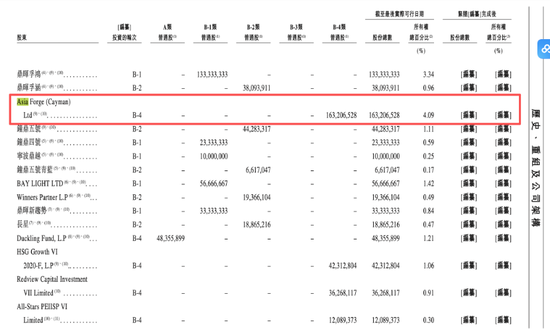
Core Viewpoint - The resignation of Xu Yubin, the founder and CEO of Fengchao, has brought the company's stalled IPO process back into public attention, with ongoing legal disputes affecting its progress [2][7]. Group 1: IPO Process and Legal Issues - Fengchao submitted its IPO application to the Hong Kong Stock Exchange in August 2022, but the application became invalid in February 2025 due to the failure to submit supplementary documents within the required timeframe [2]. - The IPO process has been hindered by a lawsuit filed by one of its investors, Asia Forge (Cayman) Ltd., which is linked to Asia Investment Capital, over disagreements regarding a buyback agreement [2][7]. - The lawsuit has created significant uncertainty, potentially delaying the IPO review process and complicating the company's shareholder structure [9][10]. Group 2: Financial Performance - Fengchao has reported continuous losses over the past three years, with total losses exceeding 3.7 billion yuan from 2021 to 2023, although it achieved a net profit of 72 million yuan in the first half of 2024 [10][11]. - The company's revenue has shown some growth, increasing from approximately 2.53 billion yuan in 2021 to 3.81 billion yuan in 2023, but the cost of sales has also risen, leading to significant gross losses in previous years [11]. - The number of paid packages stored in Fengchao's smart lockers has increased from about 430 million in 2021 to 517 million in 2023, indicating a growing penetration rate [12]. Group 3: Business Model and Revenue Streams - Fengchao generates revenue from various services, including fees charged to couriers for last-mile delivery services, which increased from 14.55 billion yuan in 2021 to 18.36 billion yuan in 2023 [13]. - However, the contribution of last-mile delivery services to total revenue has decreased from approximately 58% in 2021 to 48.2% in 2023, and further down to 40.8% in the first five months of 2024 [13].

首付到老赖,一年蒸发820亿,还被万科告上法庭,王健林能翻身吗
Sou Hu Cai Jing· 2025-10-21 09:45
Core Viewpoint - Wang Jianlin's financial struggles are highlighted, with significant debt and cash flow issues leading to a series of asset sales and legal disputes with former allies [1][5][26]. Group 1: Financial Crisis - Wang Jianlin's family wealth has evaporated by over 800 billion, and his ranking has dropped significantly due to financial mismanagement and failed investments [6][8]. - The crisis began with two major bets on the company's public listing, which ultimately failed, leading to immense buyback pressures [8][9]. - In 2021, a new strategic investment was made to alleviate the pressure, but it resulted in a loss of control over key assets [11][15]. Group 2: Asset Sales - Wang Jianlin initiated a large-scale asset sale to address debt, including nearly 100 Wanda Plazas, with significant transactions involving major companies like Tencent and JD [19][21]. - Despite these sales, the financial situation did not improve as many transactions were completed as debt offsets rather than generating new cash flow [24]. Group 3: Legal Disputes - Vanke has filed a lawsuit against Wanda, marking a significant shift from their previous partnership, which has further damaged Wang Jianlin's reputation [3][30]. - The lawsuit stems from a previous collaboration that has now turned contentious, with Vanke seeking repayment for investments made [28][30]. Group 4: Reputation and Future Prospects - The ongoing financial and legal troubles have severely impacted Wang Jianlin's business reputation, making it difficult to pursue new ventures [26][34]. - Despite attempts to pivot towards a "light asset" model in the cultural tourism sector, progress has been slow, and trust in his leadership has diminished [32][34].

丰巢IPO因何停滞?知情人士回应
第一财经· 2025-10-21 09:37
Core Viewpoint - The departure of Xu Yubin, the founder and CEO of Fengchao, has brought the company's stalled IPO process back into public focus, with ongoing legal disputes affecting its progress [3][10]. Company Background - Fengchao, originally established as Shenzhen Fengchao Technology Co., was fully owned by SF Express at its inception and later received investments from major logistics companies [5]. - The company underwent restructuring in 2019, with Fengchao Holdings replacing Fengchao Technology as the holding entity [6]. IPO Process and Legal Issues - Fengchao submitted its IPO application to the Hong Kong Stock Exchange in August 2024, but the process has been hindered by a lawsuit from investor Asia Forge (Cayman) Ltd. regarding a buyback agreement [3][9]. - The lawsuit has created significant uncertainty, potentially delaying the IPO and complicating the review process by the Hong Kong Stock Exchange [10][11]. Financial Performance - Fengchao has reported continuous losses over the past three years, with total losses exceeding 3.7 billion RMB from 2021 to 2023. However, the company turned a profit of 72 million RMB in the first half of 2024 [13][14]. - Revenue has shown growth, increasing from approximately 2.53 billion RMB in 2021 to 3.81 billion RMB in 2023, although the cost of sales has also risen significantly [14]. Business Model and Revenue Streams - Fengchao's business model includes fees for package storage and delivery services, with the number of paid packages increasing from 430 million in 2021 to 517 million in 2023 [15]. - The contribution of last-mile delivery services to total revenue has decreased from about 58% in 2021 to 48.2% in 2023, indicating a shift in revenue structure [15].

丰巢IPO因何停滞?知情人士:对赌存在分歧 投资人起诉
Di Yi Cai Jing· 2025-10-21 09:14
Core Viewpoint - The resignation of Xu Yubin, founder and CEO of Fengchao, has brought the company's stalled IPO process back into public focus after more than six months of inactivity [1] Group 1: IPO Process - Fengchao submitted its IPO prospectus to the Hong Kong Stock Exchange in August 2022, but the prospectus became invalid in February 2025 due to the failure to submit supplementary documents within the required timeframe [2] - The IPO process has been further complicated by a lawsuit filed by one of its investors, Asia Forge (Cayman) Ltd., which has disagreements with Fengchao regarding a buyback issue [2][9] - The lawsuit has created a deadlock, preventing the IPO from progressing, as both parties have been unable to reach a consensus despite multiple discussions [9][10] Group 2: Financial Performance - Fengchao has reported continuous losses over the past three years, with losses of RMB 2.071 billion in 2021, RMB 1.166 billion in 2022, and RMB 541 million in 2023, totaling over RMB 3.7 billion [12] - In the first half of 2024, the company showed signs of improvement with a net profit of RMB 72 million, indicating a potential turnaround [12] - The primary reasons for the losses have been attributed to the significant costs and expenses associated with the investment and operation of its smart locker network [12] Group 3: Business Operations - The number of paid packages stored in Fengchao's smart lockers increased from approximately 430 million in 2021 to 517 million in 2023, with the penetration rate rising from 6.9% to 8.0% [14] - The revenue from last-mile delivery services has also grown, increasing from RMB 14.553 billion in 2021 to RMB 18.359 billion in 2023, although its contribution to total revenue has decreased from about 58% in 2021 to 48.2% in 2023 [14]
独家|丰巢IPO因何停滞?知情人士:对赌存在分歧,投资人起诉
Di Yi Cai Jing· 2025-10-21 09:14
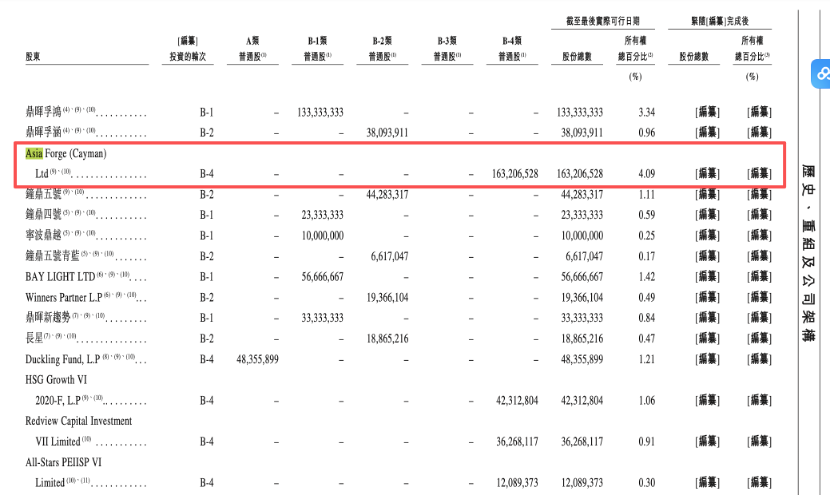
Core Viewpoint - The IPO process of Fengchao has been stalled due to a lawsuit from an investor, Asia Forge (Cayman) Ltd, which has raised concerns about the company's future listing and financial stability [2][9][10]. Group 1: IPO Process and Legal Issues - Fengchao submitted its IPO application to the Hong Kong Stock Exchange in August 2023, but the application became invalid in February 2025 due to the failure to submit supplementary documents [2]. - The lawsuit from Asia Forge is believed to be a significant factor in the stagnation of Fengchao's IPO process, as the investor has disagreements regarding the buyback terms [2][8]. - The agreement includes a redemption clause, allowing shareholders to exercise their rights if Fengchao does not go public by January 27, 2025 [6][8]. Group 2: Financial Performance - Fengchao has reported continuous losses over the past three years, with total losses exceeding 3.7 billion yuan from 2021 to 2023 [11]. - The company recorded losses of 2.07 billion yuan in 2021, 1.17 billion yuan in 2022, and 541 million yuan in 2023, although it achieved a profit of 72 million yuan in the first half of 2024 [11]. - Revenue from paid packages increased from approximately 430 million in 2021 to 517 million in 2023, with a slight decline in the proportion of paid packages in 2024 [13]. Group 3: Shareholder Structure and Investment - Following a significant investment round in early 2021, Fengchao's equity structure became clearer, with major shareholders including well-known investment firms such as Sequoia China and Asia Investment Capital [5][6]. - The investment agreement involved issuing 484 million shares at a total cost of 400 million USD (approximately 2.59 billion yuan), with Asia Forge subscribing to 135 million USD [5][6]. - The revised agreement in 2024 extended the deadline for the redemption rights of B-4 ordinary shareholders to January 31, 2027, with a potential cost of around 80 million USD (approximately 569 million yuan) for Fengchao [8].
丰巢IPO因何停滞?知情人士:对赌存在分歧,投资人起诉
Di Yi Cai Jing· 2025-10-21 09:11
Core Viewpoint - The resignation of Xu Yubin, founder and CEO of Fengchao, has brought renewed attention to the company's stalled IPO process, which has been on hold for over six months due to legal disputes with investors [1][6]. Group 1: IPO Process and Legal Issues - Fengchao submitted its IPO application to the Hong Kong Stock Exchange in August 2022, but the application expired in February 2025 due to failure to submit supplementary documents on time [1]. - The IPO process has been hindered by a lawsuit filed by Asia Investment Capital, one of the investors, over disagreements regarding a buyback agreement [1][6]. - The lawsuit has created significant uncertainty, potentially delaying the IPO review process and complicating the company's shareholder structure [7]. Group 2: Financial Performance - Fengchao has reported continuous losses over the past three years, with total losses exceeding 3.7 billion yuan from 2021 to 2023 [8][9]. - The company's revenue has shown some improvement, with a net profit of 72 million yuan in the first half of 2024, indicating a potential turnaround [8][9]. - Despite the losses, the company has seen an increase in the number of paid packages stored in its smart lockers, rising from approximately 430 million in 2021 to 517 million in 2023 [10]. Group 3: Shareholder Structure and Investment - The company underwent a restructuring in 2019, with Fengchao Holdings replacing Fengchao Technology as the holding entity [2][3]. - A significant investment agreement in early 2021 involved issuing 484 million shares to B-4 class ordinary shareholders for a total of 400 million USD (approximately 2.587 billion yuan) [3][4]. - The agreement included a redemption clause, allowing shareholders to redeem their shares if the company does not go public by January 27, 2025 [4][6].
【锋行链盟】股权融资流程及核心要点
Sou Hu Cai Jing· 2025-10-17 16:09
Equity Financing Process Breakdown - Equity financing is a crucial method for companies to obtain external funds by offering a portion of their equity, suitable for startups, growth, or expansion phases [2] - The process consists of six stages: preparation, investor matching, due diligence, negotiation and signing, closing and fund transfer, and post-investment management [2] Key Points of Equity Financing - The preparation phase focuses on addressing the necessity of financing, conditions for financing, and strategies to attract investors [3] - Investor matching aims to identify investors who recognize the project's value and can provide complementary resources, avoiding ineffective communication [4] - Clear financing needs should be established, including the amount required, specific use of funds, and equity release ratio, balancing funding needs with founder control [5][5] - A robust business logic and core materials are essential, including financial statements, legal compliance, market data, competitive advantages, and a well-structured business plan [5][5] - Initial valuation calculations are critical, using methods like comparable company analysis, DCF models, and cost methods, with early-stage companies potentially justifying higher valuations [5][5] - The due diligence phase involves a thorough examination of the business's commercial logic, team execution capabilities, and risk management [6] - Negotiation and signing focus on balancing the company's needs with investor protections, including key terms like valuation, anti-dilution clauses, and board control [7][7] - Closing involves completing legal procedures such as business registration changes and fund transfers [9] - Post-investment management is vital for long-term collaboration, emphasizing that financing is just the beginning of a partnership [10] Core Takeaways - Equity financing is fundamentally a trade of equity for resources, requiring a balance between funding needs, equity dilution, and control [12] - Preparation is foundational, with financial and legal compliance, clear business logic, and reasonable valuation being critical for investor engagement [12] - Matching the right investors is more important than quantity, focusing on those specialized in the relevant sector [12] - Due diligence serves as a trust-building exercise, where proactive communication can prevent deal termination due to historical issues [12] - Professional negotiation of terms is essential to understand the implications of clauses like anti-dilution and performance guarantees [12] - Post-investment collaboration is key, viewing investors as partners to maximize resource value [12]

不躺平,不逃债!71岁拼命还债的王健林,仍然值得敬佩!
Sou Hu Cai Jing· 2025-10-16 10:23
Core Insights - Wang Jianlin, the founder of Wanda Group, has faced significant financial challenges, including two failed bets that have led to over 7 billion yuan in enforced debt collection and asset sales over the past eight years [2][3][4] - Despite a drastic reduction in personal wealth by nearly 80%, Wang continues to actively sell assets to repay debts, earning respect for his resilience and commitment to his employees [3][5][6] Company Overview - At its peak in 2016, Wanda Group was valued at 800 billion yuan, with a vast portfolio including over 70 high-end hotels and the world's largest cinema chain, AMC [3][4] - The company has been selling assets since 2017, starting with a landmark deal that involved selling 13 cultural tourism projects and 76 hotels for 63.75 billion yuan [4] - As of 2023, Wanda has sold at least 85 shopping mall projects, including a recent sale of 48 malls to a consortium led by Tai Meng, Tencent, and JD [5][6] Financial Challenges - Wanda's debt crisis began in 2017 due to high leverage, with a debt ratio exceeding 70%, leading to a series of asset sales to manage financial obligations [4] - The company has faced multiple failed attempts to list its subsidiary, Zhuhai Wanda Commercial Management, on the Hong Kong Stock Exchange, resulting in a 38 billion yuan equity buyback crisis [4][5] - Despite a projected funding gap of over 50 billion yuan by 2025, Wanda has prioritized employee salaries and benefits, maintaining a commitment to its workforce [6] Leadership and Strategy - Wang Jianlin's military background has instilled a strong sense of determination, leading him to continue asset sales rather than retreating from challenges [5] - The company has established three key principles: avoiding unfinished properties, timely salary payments to 150,000 employees, and prioritizing small creditors [6] - Wang's recent public appearances indicate a significant personal toll from the ongoing challenges, yet he remains actively involved in seeking solutions for Wanda [6]

遭遇法拍猎手? “光伏第一股”亿晶光电实控人缺位,公司回应 | 能见派
Xin Lang Cai Jing· 2025-10-10 01:20
Core Viewpoint - Yijing Optoelectronics, once the "first stock of photovoltaic" in the A-share market, has become a company without a controlling shareholder or actual controller due to the auction of its largest shareholder's shares, leading to significant changes in its ownership structure [2][3]. Group 1: Shareholder Changes - The largest shareholder, Shenzhen Weizhi Energy, has completely exited by auctioning off 200 million shares, which accounted for 16.90% of the total share capital, through four rounds of public auctions [3][5]. - The buyers of the shares are all individuals, including Zhang Shouchun, who is known as a "bull market player" and "bargain hunter," having invested 4.9 billion yuan in 65 auctions since 2020 [5][6]. - Yijing Optoelectronics has stated that the new shareholders do not have any relationships with the previous controlling shareholder or the current board members, and there are no agreements or financial ties among them [3][5]. Group 2: Financial Performance - Yijing Optoelectronics reported a record loss of 2.09 billion yuan in 2024, with a loss of 153 million yuan in the first half of this year, although this is an improvement compared to a loss of 470 million yuan in the same period last year [5][6]. - The company's battery production capacity is completely halted, and the utilization rate of its component production capacity is only about 44% [5][6]. - Cumulatively, from 2019 to 2024, Yijing Optoelectronics has incurred losses exceeding 3 billion yuan, with a total loss of over 3 billion yuan since its listing [5][6]. Group 3: Historical Context - Yijing Optoelectronics became the first pure solar cell component company listed in the A-share market in 2011 but faced significant losses after the "double-reverse" investigations from Europe and the U.S. starting in 2012 [6]. - The company had previously signed a profit guarantee agreement with Haitong Group, which led to substantial share dilution when the actual profits fell short of the promised figures [6]. - In 2019, the control of Yijing Optoelectronics was transferred to Weizhi Energy, which later faced financial difficulties, leading to the auction of its shares [6][7].