去中心化金融(DeFi)

Search documents
“数字黄金”要来了?!会取代实物黄金吗
Sou Hu Cai Jing· 2025-10-15 01:30
Core Viewpoint - The World Gold Council has proposed a revolutionary initiative to launch a gold-backed digital token in London by 2026, aiming to transform the trading, settlement, and collateralization of gold [1] Group 1: Impact of Digital Gold - The introduction of "Digital Gold" represents an attempt to digitize the gold market, potentially addressing issues of liquidity fragmentation, complex transaction verification, and collateral efficiency through blockchain technology [3] - The proposed immutable blockchain database could enhance market transparency and trust, while the "Gold Ownership Pool" model allows for fractional ownership of gold, lowering the entry barrier for small investors [3] - Digital Gold could serve as collateral in decentralized finance (DeFi), enabling staking, lending, and liquidity mining, thereby expanding the financial attributes of gold [3][4] Group 2: Changes in Investor Behavior - The "small investment" feature of Digital Gold aligns with the preferences of younger investors, promoting the democratization of gold investment [4] - The rise of income-generating assets through DeFi protocols could address the "no yield" issue associated with gold, increasing its attractiveness [4] - Digital Gold may integrate with cultural elements such as NFTs and virtual worlds, making gold investment a part of everyday life [4] Group 3: Industry Ecosystem Restructuring - Traditional institutions like banks and gold exchanges will need to integrate Digital Gold technology to optimize custody and settlement services in response to competition [4] - A global unified legal framework and technical standards will be necessary to balance transparency and security, addressing custody risks and regulatory uncertainties [4] - Digital Gold may create synergies with cryptocurrencies and traditional financial assets, promoting the development of on-chain traditional finance [4] Group 4: Challenges Ahead - The security of digital technology is a primary concern, as vulnerabilities such as hacking and data breaches could severely impact investor interests [5] - Regulatory uncertainty exists due to the novelty of Digital Gold as a financial product, necessitating the development of appropriate regulatory policies that encourage innovation while ensuring market health [5] Group 5: Future Relationship with Physical Gold - Long-term, Digital Gold may complement physical gold, providing investors with a broader range of asset allocation options [7] - Market participants are advised to closely monitor the implementation details of the Digital Gold project, particularly regarding the auditing mechanisms, custody arrangements, and legal structures of the underlying gold assets [7]


Bitget 报告:66% 的加密货币用户计划增加投资,推动全球增长
Globenewswire· 2025-10-14 16:30
Core Insights - The report by Bitget indicates a sustained optimism in the global cryptocurrency market despite macroeconomic uncertainties [2] - Approximately 66% of surveyed participants plan to increase their cryptocurrency investments in the coming months, with 50% aiming to expand trading positions and 43% favoring long-term savings and wealth management strategies [2] - Nearly 49% of respondents expect the next Bitcoin bull market peak to range between $150,000 and $200,000, with a growing number of long-term investors anticipating even higher valuations [2] Regional Insights - Nigeria (84%), China (73%), and India (72%) show the highest willingness to invest in cryptocurrencies, highlighting the critical role of emerging markets in cryptocurrency adoption [3] - In contrast, investors in developed markets like Germany, France, and Japan exhibit more cautious attitudes, with South Korea showing a notably high percentage of respondents planning to reduce cryptocurrency investments [3] Investment Preferences - Ethereum and Solana remain popular choices among global investors, with support rates of 67% and 55% respectively, while Bitcoin and Ethereum continue to be core components of investment strategies [3] - Niche assets such as platform tokens, meme coins, and Layer 2 projects still hold significant appeal in specific regions [3] Company Strategy - Bitget's transition to a panoramic exchange model allows it to uniquely address market changes by integrating trading, asset management, payment, and on-chain access within a single ecosystem [3] - The company emphasizes its role as both a "measure" and "builder" of market confidence, catering to both new entrants and experienced investors [3] Company Overview - Established in 2018, Bitget is the largest panoramic exchange globally, serving over 120 million users across more than 150 countries [5] - Bitget Wallet supports over 130 blockchains and millions of tokens, facilitating multi-chain trading, staking, and payments [6] - The company engages in strategic partnerships to promote cryptocurrency, including collaborations with LaLiga and UNICEF for blockchain education initiatives [6]

币圈大爆仓后首个新高!币安币(BNB)创出历史新高
Hua Er Jie Jian Wen· 2025-10-14 03:35
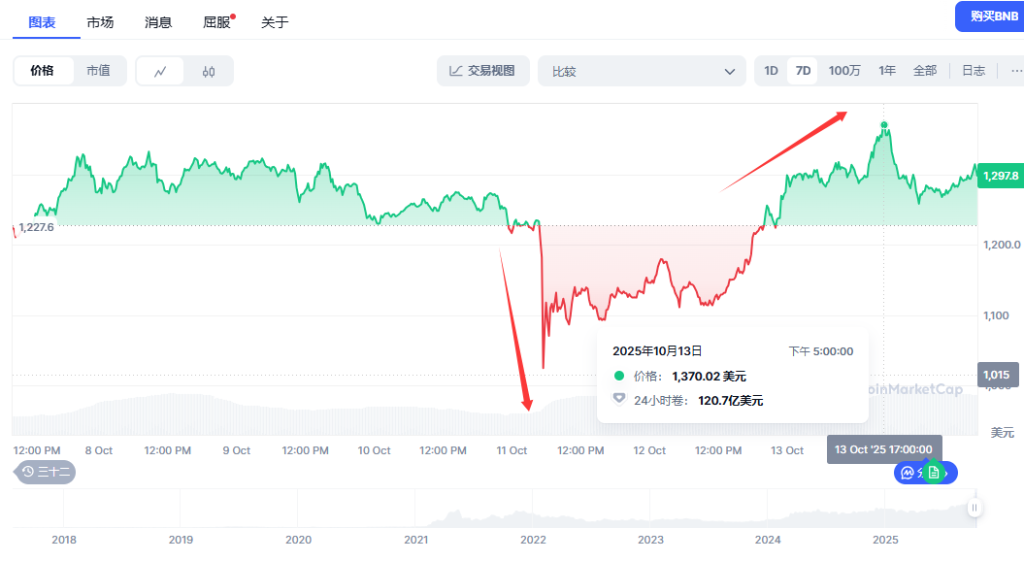
Core Insights - Binance Coin (BNB) has rapidly recovered from a significant market downturn, reaching a new all-time high of $1357.88, with a peak near $1370, amidst a backdrop of $19 billion in forced liquidations across the cryptocurrency market [1] - The recent price surge is attributed to increased institutional interest, with Huaxing Capital reportedly negotiating to raise approximately $600 million to establish a digital asset treasury company in the U.S., focusing on accumulating BNB tokens [3] - The BNB ecosystem has shown remarkable resilience, with monthly active addresses reaching a record 59 million, reflecting enhanced investor confidence and strong fundamentals [4] Market Activity - BNB's trading volume surged over 77% in 24 hours, reaching $11.99 billion, while its market capitalization increased by 16.21% to $188.36 billion [4] - Approximately 30% of BNB's supply is currently staked, reinforcing its position as the second-largest DeFi ecosystem amid growing institutional capital inflow [4] - Futures market data indicates strong buying pressure from institutional investors, with buy orders dominating the BNB futures order book [4] Recent Events - The cryptocurrency market experienced a significant downturn, with Bitcoin dropping 13.5% from a peak of over $126,000, leading to widespread user complaints about system delays and order execution failures on platforms like Binance [5] - Binance acknowledged technical issues during the market crash but maintained that its core trading engine was functioning normally, attributing the market collapse to macroeconomic factors rather than platform-specific issues [5]
“数字黄金”明年将推出 前景如何?
Sou Hu Cai Jing· 2025-10-13 09:15
Core Viewpoint - The World Gold Council proposes a revolutionary initiative to launch a gold-backed digital token in London by 2026, aiming to transform the trading, settlement, and collateralization of gold [1] Group 1: Digital Gold Initiative - The new digital business model, named "Gold Ownership Pool" (PGI), will allow banks and investors to buy and sell partial ownership of physical gold held in independent accounts [1] - This initiative aims to digitize gold circulation within the ecosystem, enabling its use as collateral [1] - The CEO of the World Gold Council emphasizes the necessity of digitizing gold to expand market coverage despite its current status as a popular safe-haven asset [1] Group 2: Market Impact - The introduction of "digital gold" represents an attempt at the digital transformation of the gold market, potentially addressing issues of liquidity fragmentation, complex transaction verification, and collateral efficiency [2] - The proposed immutable blockchain database could enhance market transparency and trust, while the "Gold Ownership Pool" model allows for fractional ownership, lowering the entry barrier for small investors [2] - "Digital gold" can serve as collateral in decentralized finance (DeFi), facilitating staking, lending, and liquidity mining, thus expanding gold's financial attributes [2] Group 3: Industry Transformation - Traditional institutions such as banks and gold exchanges will need to integrate "digital gold" technology to optimize custody and settlement services in response to competition [3] - A global unified legal framework and technical standards will be necessary to balance transparency and security, preventing custody risks and compliance uncertainties [3] - "Digital gold" may create synergies with cryptocurrencies and traditional financial assets, promoting the development of on-chain traditional finance [3] Group 4: Challenges Ahead - The transition of "digital gold" from a traditional strategic asset to a future digital asset may face challenges, including the need for technological implementation, regulatory collaboration, and market acceptance [4] - Security of digital technology is a primary concern, as vulnerabilities such as hacking and data breaches could severely impact investor interests [4] - Regulatory uncertainty exists due to the novelty of "digital gold," necessitating the development of appropriate policies that ensure market health while encouraging innovation [4] Group 5: Future Outlook - "Digital gold" is expected to complement physical gold, providing investors with a richer array of asset allocation options [5] - Market participants are advised to closely monitor the implementation details of the "digital gold" project, particularly regarding the auditing mechanisms, custody arrangements, and legal structures of underlying gold assets [5]
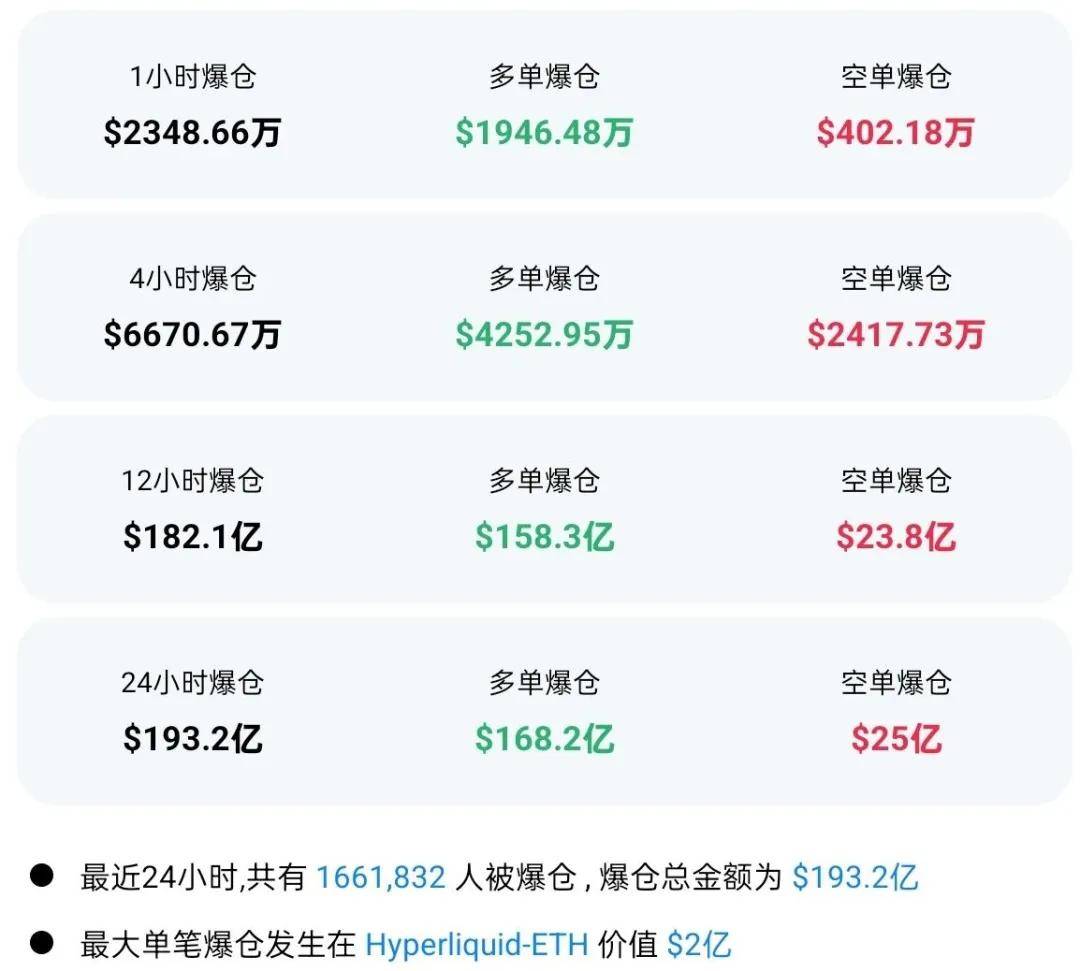
币圈史上最大清算:166万人爆仓193亿美元,交易所宕机,稳定币脱钩!“罪魁祸首”是谁?
Sou Hu Cai Jing· 2025-10-11 19:19
Core Insights - The event on October 11, 2025, marked a significant crash in the cryptocurrency market, with Bitcoin plummeting from $122,000 to around $102,000, and altcoins experiencing declines of 70-80% [1][3] - The total liquidation amount reached an unprecedented $19.3 billion within 24 hours, affecting over 1.66 million traders, surpassing previous market crashes [3][4] - The crisis was triggered by a tweet from former President Trump regarding new tariffs on Chinese imports, which escalated fears in global financial markets [4][21] Market Dynamics - The liquidation breakdown showed that long positions accounted for nearly 90% of the total liquidations, with Bitcoin and Ethereum being the hardest hit [7][21] - The market experienced a "death spiral" in liquidity for many altcoins, as market makers prioritized liquidity for major assets, leaving smaller tokens vulnerable [8][21] - The decentralized finance (DeFi) sector faced significant stress, particularly with the synthetic stablecoin USDe, which temporarily decoupled from the dollar [12][14] Internal Factors - The excessive leverage in the market was a critical internal factor, with nearly $18.21 billion in long positions liquidated, revealing the risks accumulated during bullish trends [7][21] - Market makers faced challenges in maintaining liquidity for smaller tokens during extreme market conditions, leading to rapid price declines [8][21] - The incident highlighted systemic issues within the DeFi protocols, as the collapse of collateral values triggered a chain reaction of liquidations [14][21] Human Behavior - The event illustrated the role of human psychology, with fear and greed driving both retail and institutional traders to make impulsive decisions [21] - Speculation arose regarding potential insider trading, as significant short positions were opened shortly before the market crash [16][21] - The aftermath of the crash created opportunities for some traders to profit from the volatility, indicating a wealth transfer amidst the chaos [12][20]
a16z 和红杉联合领投 Kalshi 3 亿美金,又一华人挑战 Scale AI 一年 900 万美金 ARR
投资实习所· 2025-10-11 05:22
Core Insights - Kalshi has completed a significant $300 million Series D funding round, led by a16z and Sequoia, with a valuation reaching $5 billion, marking a rapid increase from its previous $2 billion valuation just four months prior [1][2]. Group 1: Company Overview - Kalshi aims to create a unified liquidity pool for prediction markets, facilitating global expansion and connecting traders across over 140 countries [3][4]. - The company has experienced a remarkable growth trajectory, with trading volume increasing 200 times to $50 billion in the past year and a user base expanding 20 times [4]. Group 2: Market Potential - Prediction markets are evolving into a mature financial asset class, allowing direct trading based on real-world events, which could position them as one of the largest asset categories globally [4]. - Kalshi's platform is designed to provide event contracts that cover various sectors, including elections and economic changes, offering businesses and investors a means to hedge risks [9]. Group 3: Economic Theory - The investment in Kalshi is rooted in classical economic theories articulated by Friedrich Hayek, emphasizing the decentralized nature of knowledge and the market's role as an information system [6][7]. - Hayek's insights suggest that markets can aggregate dispersed knowledge, transforming it into actionable information through pricing mechanisms, which Kalshi embodies by applying this concept to future predictions [8][10].

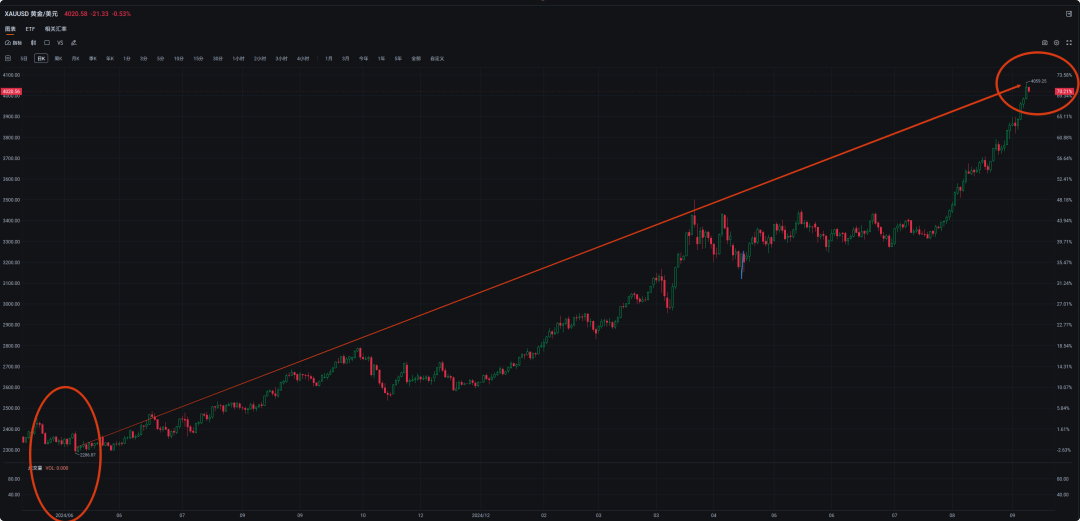
黄金突破4000美元,该关注一下数字黄金啦
Sou Hu Cai Jing· 2025-10-08 23:51
Core Insights - The report "A New Golden Age: Imagining the Future of Digital Gold" explores the potential and future of digital gold, emphasizing the transformative impact of technology on the gold industry [3][4] - The digital transformation is seen as crucial for maintaining gold's attributes of "eternity and trust," with initiatives like the Gold247 program aimed at enhancing transparency, credibility, and liquidity [3][4] - The report highlights the significant rise in gold prices, with a 26% increase in the first half of 2025, indicating a strong market opportunity for gold as a digital asset [3][4] Section Summaries Future Blueprint - The report identifies three core areas and twelve hypothetical future scenarios for digital gold, including the establishment of a global gold bar integrity database and a legal framework for wholesale digital gold [4][5] - The Standard Gold Unit (SGU) aims to separate the monetary value of gold from its physical form, facilitating its circulation in financial and retail markets [4][5] Industry Status and Challenges - The total value of gold held by investors and central banks is approximately $5.1 trillion, with an average daily trading volume of $329 billion in the first half of 2025 [5][6] - Despite its historical performance, gold faces challenges such as varying definitions of liquidity across regions and the need for digital solutions to enhance its modern asset status [5][6] Future Insights - New legal and regulatory frameworks are emerging to bridge traditional finance and the crypto world, facilitating the establishment of a legal basis for wholesale digital gold [6][7] - The report suggests that digital gold could address historical issues of "no yield," creating sustainable income-generating gold assets [6][7] The Next Gold Frontier - Future innovations may include untethered gold, digital gold indices, and the integration of physical and virtual gold NFTs, enhancing the cultural and investment appeal of gold [7][8] - The report emphasizes the importance of educating younger generations about gold investment, with a focus on small, fractional investments [7][8] Driving Forces of Transformation - Five external forces are driving the digitalization of gold, including technological advancements, demographic shifts, and the increasing demand for sustainable investments [9][10] - The integration of traditional finance with on-chain systems is projected to create a significant market for tokenized real-world assets by 2033 [9][10] Emerging Innovations - Current innovations focus on combining gold with NFTs, creating digital gold indices, and enhancing brand distribution channels to attract younger investors [10][11] - The report concludes that the digitalization of gold is at a historical turning point, with the potential to redefine its role as both a safe-haven asset and a yield-generating digital asset [10][11]
Bit Digital Becomes One of the Largest Public Ethereum Holders with 122,187 ETH
FinanceFeeds· 2025-10-08 07:47
Core Insights - Bit Digital has become one of the largest publicly traded holders of Ethereum, with 122,187 ETH valued at approximately $506.6 million as of September 30, 2025, indicating a strategic shift from Bitcoin to Ethereum [1][4][6] Group 1: Ethereum Holdings and Staking - Approximately 81.8% of Bit Digital's Ethereum holdings, or about 99,936 ETH, are actively staked, generating 291 ETH in staking rewards in September, which translates to an annualized yield of around 3.37% [2][5] - The average acquisition cost per ETH for the company is $2,643.27, suggesting significant unrealized profits at current market prices [2] Group 2: Strategic Financial Moves - In September, Bit Digital purchased an additional 653 ETH, further increasing its exposure to Ethereum [3] - The company completed a $150 million convertible notes offering, with proceeds aimed at funding further Ethereum acquisitions and potential infrastructure development [3] Group 3: Strategic Shift and Market Position - The transition to Ethereum is part of a strategic pivot initiated in 2025, where the company sold approximately 280 BTC and utilized proceeds from a $172 million equity raise to diversify into Ethereum [4][6] - Analysts view this pivot as a strong endorsement of Ethereum's economic model, particularly its proof-of-stake system, which allows for passive income generation [5][6] Group 4: Industry Implications - Bit Digital's strategy positions it as a significant player in the institutional adoption of Ethereum, reflecting a broader trend among corporate entities seeking yield and long-term appreciation [6][8] - The company's evolving treasury management strategy highlights a mature approach to digital asset allocation, enhancing its balance sheet resilience and alignment with the Ethereum ecosystem [7][8]

当“最大传统金融交易所”入股“最大链上预测市场”,“资产代币化”进入主流视野
Hua Er Jie Jian Wen· 2025-10-08 01:50
Group 1 - The core concept of asset tokenization is evolving from a theoretical idea to a fundamental component of the next generation of financial market infrastructure, as evidenced by ICE's $2 billion strategic investment in Polymarket, which values the company at approximately $8 billion [1] - ICE will not only acquire financial stakes in Polymarket but will also become the global distributor of its event-driven data, indicating a significant collaboration aimed at developing new tokenization projects [1][3] - The partnership between ICE and Polymarket aims to address a critical gap in the tokenization ecosystem: the need for reliable data, which is essential for the value of digital twins of assets [3] Group 2 - Nasdaq, a major competitor to the NYSE, is also accelerating its transformation by planning to integrate tokenization and around-the-clock trading directly into its core stock market operations [5] - Nasdaq's CEO has expressed a cautious approach to embracing digital assets, emphasizing the need for regulatory clarity before fully committing to tokenized securities and crypto asset services [6] - The trend towards regulatory convergence is seen as a way to create conditions for institutional participation in the market, which aligns with the broader movement towards asset tokenization [6] Group 3 - The collaboration between established market leaders like ICE and innovative platforms like Polymarket is viewed as essential for unlocking the potential of new technologies such as tokenization [4] - The simplicity and accessibility of prediction markets, as noted by Nasdaq's CEO, highlight their potential to engage a broader audience in market price discovery, reinforcing the market potential behind ICE's investment in Polymarket [7]

避险还是泡沫?普通人必须看懂的比特币“反周期”财富逻辑!
Sou Hu Cai Jing· 2025-10-05 06:52
Core Insights - Bitcoin and the entire digital asset space are becoming an irreversible part of the global mainstream financial landscape, moving beyond the concept of "electronic cash" to a new type of asset characterized by counter-cyclicality, high volatility, and scarcity [1][3] Group 1: Bitcoin's Value Proposition - The core value of Bitcoin lies in its ability to act as a "reverse hedge" against the traditional financial system's inflationary pressures caused by central banks' money printing [3][4] - Bitcoin's absolute scarcity, capped at 21 million coins, makes it an ideal tool against global central bank monetary expansion and inflation, earning it the title of "digital gold" [5] Group 2: Investment Strategies - Ordinary investors should view digital assets, particularly Bitcoin and Ethereum, as a high-elasticity "overweight gold" rather than a primary asset due to their significant volatility [4] - Recommended asset allocation for digital assets is between 1% to 5% of total assets, treated as "risk capital" that would not impact core life and wealth goals if lost [5] - A long-term holding and dollar-cost averaging (DCA) strategy is advised to mitigate high volatility risks, avoiding short-term speculative trading [5] - Investors should focus on established digital assets like Bitcoin and Ethereum, avoiding the majority of emerging "altcoins" that may ultimately fail [5] Group 3: Future of Blockchain Technology - Blockchain technology represents the foundational infrastructure for the future of finance and the internet, with opportunities in decentralized finance (DeFi) and Web3 [6][7] - DeFi is reshaping lending, trading, and asset management, enhancing efficiency and reducing costs [7] - Blockchain enables secure and transparent ownership and transactions of digital assets, leading to the emergence of new industries such as NFTs and the metaverse economy [7]