未成年人保护

Search documents
重庆公安构建立体化“护未”体系 涉未成年人犯罪四年连降
Xin Lang Cai Jing· 2026-01-04 14:56
Core Viewpoint - Chongqing police have established a comprehensive "protect minors" system, leading to a continuous decline in juvenile crime over the past four years, thereby purifying the growth environment for minors [1] Group 1: Systematic Mechanism - The "Dongqin Hu Miao" studio was established to focus on the protection and prevention of juvenile crime, emphasizing that "prevention is more important than remedy" [2] - Chongqing police have introduced a set of guidelines and measures to manage and prevent juvenile delinquency, providing strong support for grassroots practices [2][3] - The city has developed a points-based evaluation system for corrective education, which has been recognized as a model for nationwide implementation [3] Group 2: Multi-Dimensional Measures - An intelligent registration system has been implemented to ensure the safety of minors in hotels, serving as a robust defense against potential risks [4] - Various measures have been adopted to eliminate risks, including enhanced industry supervision and the establishment of a comprehensive patrol system to prevent drowning accidents [4] - The "Thousand Hands Protect Buds" application scenario has been created to proactively prevent risks to minors, marking a shift from passive response to active prevention [4] Group 3: Collaborative Efforts - The "Huxiao An Yuan" initiative has been launched to strengthen campus safety, incorporating mechanisms for conflict resolution and legal education to prevent bullying [5] - Over 1,800 school-related conflicts have been resolved, and more than 9,100 safety hazards have been rectified in schools across Chongqing [5] - Various community-driven initiatives, such as the "Mulan Protect Flower Team" and "Peng Bixue Studio," have been established to support at-risk youth and children in need [8]
最高法发布“家庭教育指导令”司法适用典型案例
Yang Shi Xin Wen Ke Hu Duan· 2026-01-04 02:09
记者今天从最高人民法院获悉,自2022年1月1日《中华人民共和国家庭教育促进法》生效实施以来,人 民法院通过签发"家庭教育指导令"等方式依法发挥职能作用,积极配合有关部门做好家庭教育指导工 作。 四、重申拒绝暴力是家庭教育的底线。 一、强调家庭教育从"家事"到"国事"的法律地位升级转变。 家庭是孩子最基本的生活和教育单位,家庭教育对未成年人的健康成长影响重大且深远。《中华人民共 和国家庭教育促进法》明确将家庭教育定义为父母或者其他监护人对未成年人的培育、引导和影响,规 定未成年人的父母或者其他监护人负责实施家庭教育;要求父母或者其他监护人树立家庭是第一个课 堂、家长是第一任老师的责任意识,承担实施家庭教育的主体责任。通过典型案例,重申家庭教育"国 事"属性的重要认知,展现人民法院在司法裁判过程中积极履职、整合社会资源、认真贯彻落实《中华 人民共和国家庭教育促进法》的相关做法。 二、强调婚姻状态和家庭结构变化不能侵害未成年人合法权益。 典型案例对于离婚纠纷、离异后探望权纠纷中发现的家庭教育问题进行系统梳理和总结,以方某某诉胡 某某离婚案为例,聚焦离婚纠纷中以"家庭教育指导令"破解"父母离婚、子女受伤"困境,以保 ...
福建:督促监护令机制纳入未成年人保护条例
Xin Lang Cai Jing· 2026-01-02 17:26
本报讯(全媒体记者张仁平)今年1月1日起,《福建省未成年人保护条例》(下称《条例》)正式实 施。《条例》共74条,从总则、"六大保护"(家庭、学校、社会、网络、政府、司法)、法律责任、附 则等9个方面,对加强未成年人保护作出明确规定。 为破解侵害未成年人案件"发现难",福建省检察机关力推侵害未成年人案件强制报告制度落地。检察机 关创新运用大数据模型等信息化手段,从海量信息中精准筛查案件线索,推动开展强制报告工作的方式 被《条例》采纳,《条例》还进一步压实了相关主体的报告责任与法律后果。 据了解,《条例》吸纳并固化了福建省检察机关在未成年人保护领域的多项创新实践与成熟经验,多处 明确检察机关职责,要求综合运用刑事、民事、行政、公益诉讼等检察职能,强化对涉未成年人案件的 法律监督,为检察机关履行未成年人综合司法保护职责提供了坚实的法律支撑。 福建省检察机关建立的督促监护令机制被《条例》采纳。近三年来,该省检察机关共发出上千份督促监 护令,完善家庭监护干预支持体系,成功拉回"悬崖边的孩子"。 针对电竞酒店、剧本杀等新业态潜藏的未成年人保护风险,福建省检察机关通过制发检察建议、开展公 益诉讼等方式,推动职能部门厘清监 ...
全球首个“断网”国家诞生!16岁前禁玩社媒,中国家长:我们也想要
洞见· 2025-12-31 12:35
洞见 ( DJ00123987 ) —— 不一样的观点,不一样的故事, 3000 万人订阅的微信大号。点击标题下 蓝字 " 洞见 " 关注,我们将为您提供有价值、有意思的延伸阅读。 作者: 今小观 来源: 今日教育传媒 (ID: education-today) 请各位家长守好自己的家门。 ♬ 点上方播放按钮可收听洞见主播晏娇朗读音频 这个12月,一则新闻引爆了全球教育界。 经过漫长的辩论与博弈,澳大利亚联邦议会正式通过了《在线安全修正案》: 严格禁止16岁以 下的未成年人使用社交媒体。 注意,这不是建议,也不是青少年模式,而是禁令。 不管你是谁家的孩子,不管家长是否同意,只要你没满16岁,所有社交平台的大门,将统统对 你关闭。 如果平台监管不力,将被处以最高5000万澳元(约2.3亿人民币)的天价罚款。 消息一出,世界哗然。 澳大利亚总理阿尔巴尼斯在发布会上说: "这个改变并不是来自政府,而是来自那些自己经历了悲剧的父母,他们不希望其他父母也经 历同样的心碎。 对社会来说,表达观点、对什么是合适的作出判断是正确的事情。 毫无疑问,当我们看到年轻人面临的心理健康问题越来越多,当我们看到社交媒体造成的社会 危害 ...


破立助企 温情护弱 司法护绿 多元解纷
Xin Lang Cai Jing· 2025-12-29 20:21
Core Viewpoint - The Jin Tang Court has focused on enhancing judicial services to support economic development, protect vulnerable groups, and promote ecological conservation during the "14th Five-Year Plan" period, aiming to ensure fairness and justice in every judicial case [6][12]. Judicial Support for Enterprises - The court has integrated bankruptcy trials into supply-side structural reforms to help struggling enterprises recover, establishing a bankruptcy dispute resolution team and a research base for bankruptcy law [7]. - Innovative approaches like "sale-type liquidation restructuring" have revived long-stalled projects, and the court has successfully utilized pre-restructuring procedures to address issues hindering enterprise operations [7]. Judicial Support for Vulnerable Groups - The court has developed the "Pea Pod·Golden Heart Nurturing Seed" brand for juvenile protection, ensuring comprehensive legal support for minors through a specialized case handling system [8]. - For elderly rights protection, the court has implemented measures such as on-site hearings and upgraded facilities to ease the legal process for seniors, demonstrating a commitment to safeguarding their rights [9]. Judicial Environmental Protection - The court has launched the "Golden Heart Nurturing Green" initiative to enhance ecological protection, hosting forums and establishing a judicial protection base for green manufacturing [10]. - Collaborative efforts with various entities have led to the establishment of a practical base for judicial protection of green manufacturing, directly supporting the development of low-carbon industries [10]. Multi-Party Dispute Resolution - The court has embraced the "Fengqiao Experience" to resolve conflicts at the grassroots level, collaborating with local governments and integrating community mediation into its operations [11]. - Initiatives like the "Baba Court" and partnerships with various departments have enhanced the court's role in social governance, improving the efficiency of dispute resolution [11].

法院判决首次认定销售烟卡“违反公序良俗”,电商平台何为?
Nan Fang Du Shi Bao· 2025-12-29 12:31
Core Viewpoint - The Beijing Internet Court ruled against the sale of "smoking cards" to minors, emphasizing the need for e-commerce platforms to take responsibility in protecting minors from tobacco-related products [1][7][9]. Group 1: Court Ruling and Analysis - The court determined that selling smoking cards as toys violates public order and morals, as it poses a risk to minors' health and promotes tobacco-related imagery [9][11]. - The ruling highlighted that the sale of smoking cards undermines the legal framework designed to protect minors from tobacco exposure, despite existing laws not explicitly banning such products [8][9]. - The court's decision reflects a broader societal goal of safeguarding minors' physical and mental well-being, aligning with the principles established in the Minor Protection Law [8][9]. Group 2: E-commerce Platform Responsibilities - The defendant e-commerce platform argued that it merely serves as a marketplace and does not control the products sold by third-party vendors, claiming no legal basis for banning smoking cards [5][12]. - Despite the platform's implementation of a "Green Network Plan" to filter out smoking card listings, the effectiveness of these measures has been questioned, as many listings remain accessible [11][12]. - The court indicated that the platform must enhance its oversight and regulatory measures to better protect minors, suggesting that current efforts are insufficient [12][15]. Group 3: Public and Regulatory Response - The case has drawn attention to the rising popularity of smoking cards among schoolchildren, prompting concerns from health experts about their potential to normalize smoking behavior [2][14]. - Regulatory bodies, including the State Tobacco Monopoly Administration, have initiated actions to address the sale of smoking cards, urging e-commerce platforms to self-regulate and remove such products [14][15]. - Despite these efforts, the ongoing availability of smoking cards on various platforms indicates that previous regulatory actions have not achieved lasting results [15].
媒体评:燕云十六声争议已超出审美分歧
Xin Lang Cai Jing· 2025-12-27 13:35
Core Viewpoint - The controversy surrounding the character design in the game "Yan Yun Shi Liu Sheng" has escalated beyond mere aesthetic differences, with significant backlash from players regarding the portrayal of female characters [1] Group 1: Player Reactions - The official preview of the anniversary costume "Fei Bai Cheng Shi" has led to widespread criticism due to its revealing design for female characters [1] - Players have expressed their dissatisfaction on social media and complaint platforms, with extreme ridicule appearing in the game's official Weibo comment section [1] - Many female players argue that the design contradicts the game's martial arts theme and exhibits a tendency of "male gaze," criticizing the objectification of women [1] Group 2: Cultural and Ethical Implications - The game, which has built its initial player base on "martial arts culture," is attempting to attract a broader paying audience through what is perceived as "vulgar" tactics, resulting in a public relations crisis [1] - Comments from players emphasize that true martial arts should resonate with values of chivalry and cultural depth rather than relying on revealing designs to capture attention [1] - The design of a 16-year-old character in a "lingerie" style is deemed unacceptable from both legal and moral perspectives, highlighting a disregard for legal boundaries and societal norms [1]

甘肃武山检察强化法律监督守护“一老一小”
Xin Lang Cai Jing· 2025-12-26 19:01
Group 1 - The article highlights the efforts of the Tianshui City Wushan County People's Procuratorate in Gansu Province to focus on the protection of minors and the rights of the elderly, acting as a legal "protective umbrella" for these groups [1] - The procuratorate issued legal suggestions to address issues such as the lack of "prohibition of alcohol sales to minors" signs in dining establishments and the illegal sale of alcohol to minors, prompting a special action called "Protecting Seedlings" [1] - A multi-governance model was explored, combining daily inspections, random checks, and public supervision to ensure quick transfer and joint handling of problem clues [1] Group 2 - The Wushan County Procuratorate collaborated with the County Civil Affairs Bureau to establish a mechanism for safety supervision of elderly care institutions, enhancing cooperation in protecting the rights of the elderly [1] - The implementation opinions signed by the procuratorate and civil affairs bureau include regular consultations, information sharing, clue transfer, risk assessment, and joint case handling [1] - These measures aim to ensure that elderly care institutions operate in accordance with laws and regulations [1]

陕西彬州公安“金盾护苗”再发力 筑牢网吧电竞酒店安全防线
Xin Lang Cai Jing· 2025-12-26 08:48
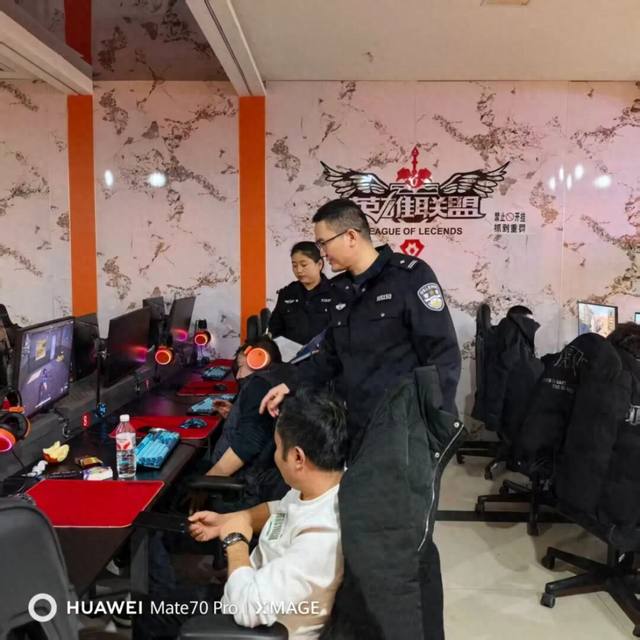
检查过程中,民警同步开展法治宣传,向经营者及从业人员普及网络安全法律法规,重点讲解公民个人 信息保护、打击网络谣言和网络暴力等相关规定,引导经营者强化责任意识和风险防范意识,自觉规范 经营行为,从源头防范网络安全事故及个人信息泄露问题。 下一步,彬州市公安局将持续完善互联网营业场所行业监管机制,创新监管方式,以常态化检查与精准 宣传相结合的举措,深化"金盾护苗"专项工作成效。对违法违规经营行为保持严打态势,及时排查整改 安全隐患,全力营造安全、健康、文明的网络环境,为未成年人健康成长和社会和谐稳定保驾护航。 此次检查采用"突击检查+日常巡查"相结合的方式,辅以台账资料细致核查,聚焦关键环节筑牢安全屏 障。在未成年人保护方面,民警重点核查经营场所是否依法张贴未成年人禁入标志,是否严格落实实名 制上网制度,通过随机比对上网者身份信息与登记系统数据,确保登记信息真实准确、无遗漏,坚决杜 绝违规接纳未成年人行为。同时,对视频监控系统运行状况、消防设施完好性及安全通道畅通情况进行 全面排查,及时消除各类安全隐患。 来源:环球网 为深入推进"金盾护苗"专项工作,压实网吧、电竞酒店经营主体责任,守护未成年人健康成长,12月 ...
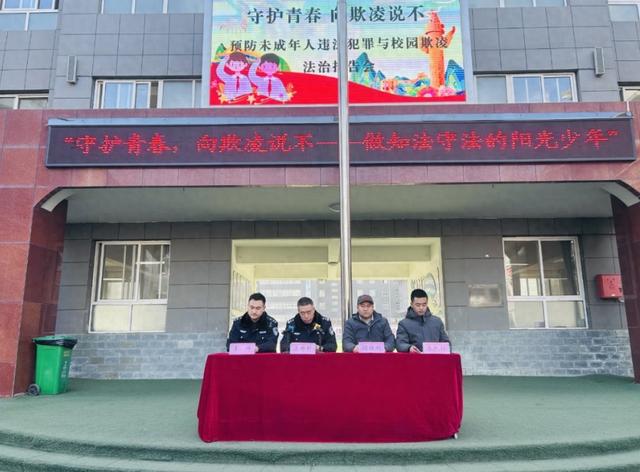
金盾护苗暖童心 多维守护筑防线——陕西彬州公安城关派出所全方位护航未成年人健康成长
Xin Lang Cai Jing· 2025-12-26 08:48
来源:环球网 娱乐场所、旅馆酒店、网吧等行业是未成年人保护的重点领域。为从源头防控涉未成年人风险隐患,城 关派出所组织辖区多家KTV负责人召开专题培训暨责任约谈会,集中学习《娱乐场所管理条例》《中 华人民共和国未成年人保护法》中关于禁止未成年人进入、严禁有偿陪侍等相关规定。要求各娱乐场所 必须在大厅、包厢等醒目位置规范张贴"未成年人禁止入内"标识,日常经营中严格执行身份查验登记制 度,杜绝未成年人进入消费;坚决抵制任何形式的未成年人有偿陪侍活动,清晰告知经营者此类违法行 为将面临的严重法律后果。同时,要求各场所负责人切实履行主体责任,加强员工培训管理,自觉规范 经营行为,共同为未成年人营造健康向上的社会环境。 夜间强清查,织密日常监管"网络" 为确保各项保护措施落地见效,堵塞管理漏洞,城关派出所将明察暗访与突击检查相结合,常态化开展 重点行业场所夜间清查行动,持续加大对旅馆、酒店、网吧、KTV 等场所的监管力度。严格核查酒店 未成年人入住"五必须"落实情况及相关台账,仔细抽查网吧、KTV 等场所"未成年人禁止入内"标识张 贴情况和消费者身份信息,全面排查违规接纳未成年人等违法行为。通过高频次、强力度的整治行动 ...