《广场协议》

Search documents
交易员周一紧盯屏幕:日元又突涨近1% 黄金突破5000美元 干预警报全市场拉响
智通财经网· 2026-01-25 23:53
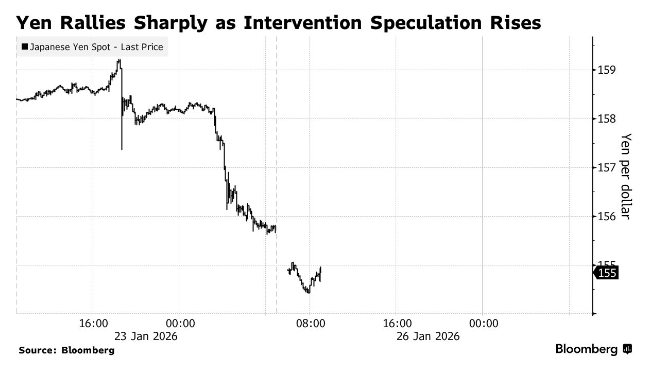
Core Viewpoint - The Japanese yen has experienced a significant rise, prompting traders to remain vigilant regarding potential government intervention in the currency market due to recent volatility and speculation about coordinated actions with the U.S. [1][2] Group 1: Yen Movement and Market Reactions - The yen appreciated nearly 1% against the dollar, reaching 154.23, the highest level in over a month, following warnings from Prime Minister Fumio Kishida and signals of possible U.S. support [1] - On the previous Friday, the yen saw its largest single-day increase since August 1, rising by 1.75% [2] - The New York Federal Reserve's currency checks and communications between Japanese Finance Minister Shunichi Suzuki and U.S. Treasury Secretary Janet Yellen have led traders to believe in the possibility of joint intervention [2] Group 2: Government Statements and Market Sentiment - Prime Minister Kishida stated that the government would take all necessary measures to address speculative and extreme market fluctuations, although he refrained from commenting directly on the yen [1] - The current administration under Kishida has a lower tolerance for speculative currency fluctuations compared to previous governments, as noted by analysts [3] - Traders are expected to exercise caution in their trading behavior due to the official verbal interventions, despite a prevailing willingness to short the yen [5] Group 3: Historical Context and Future Implications - Speculation about coordinated intervention between Japan and the U.S. has drawn parallels to the 1985 Plaza Accord, which successfully devalued the dollar [5] - The Japanese government has invested nearly $100 billion in currency support measures in 2024, with intervention occurring whenever the yen approaches the 160 mark against the dollar [5] - Analysts suggest that if Japan genuinely aims to stabilize the yen, actual intervention is necessary, especially in light of upcoming elections and rising bond yields [6][8]

G7博弈或再现1985年广场协议“魅影”?美元恐劫数难逃!
Jin Shi Shu Ju· 2025-05-20 12:19
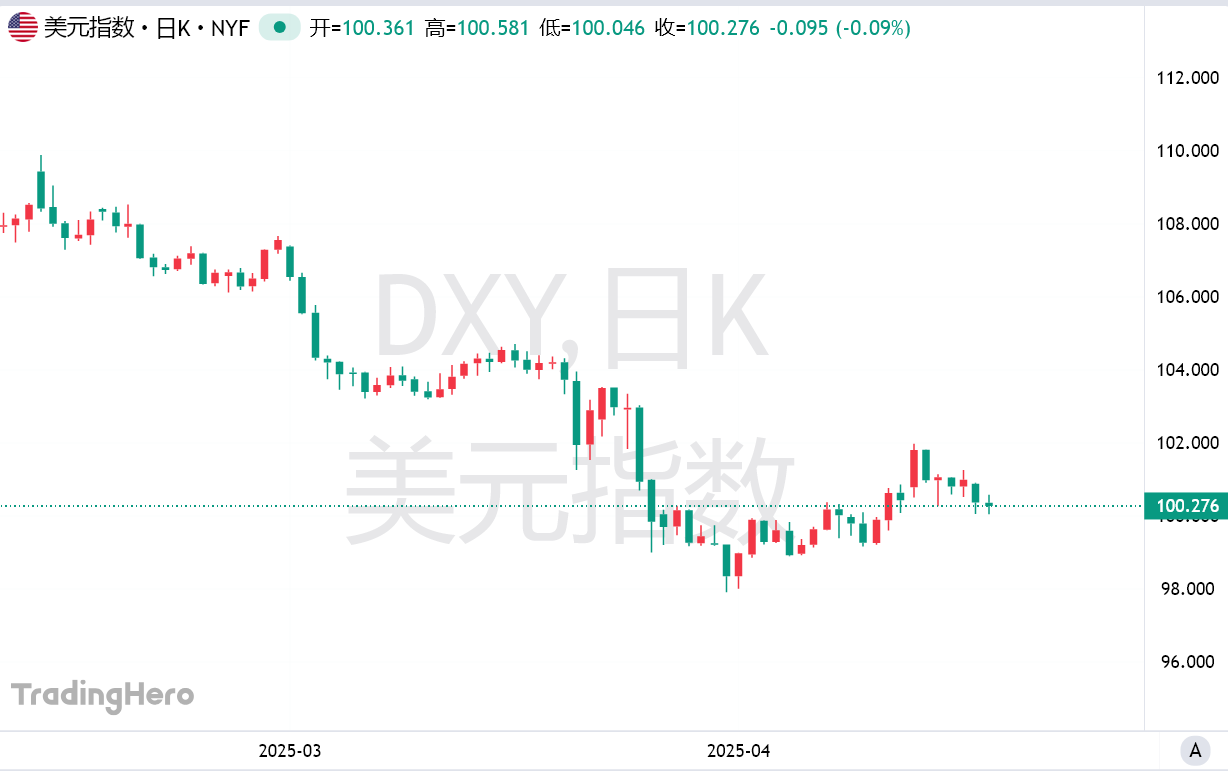
Core Viewpoint - Citi Group anticipates a potential further decline in the US dollar as global leaders discuss exchange rate policies during the G7 meeting, with expectations that the US may not actively seek a weaker dollar but could see it depreciate as trade agreements are reached [1] Group 1: G7 Meeting and Currency Policy - The G7 meeting has brought exchange rate policy to the forefront, with discussions expected to include currency valuation as part of trade negotiations [1] - South Korean officials have indicated ongoing discussions with the US regarding currency issues, while Japan's finance minister is set to meet with US Treasury Secretary Yellen to address similar topics [1] Group 2: Implications for the Dollar - Citi's strategists speculate that the US may request other countries to appreciate their currencies as part of tariff reduction negotiations, with Japan and other East Asian nations likely targets [1] - The report suggests that the US Treasury Secretary will not pursue a comprehensive agreement like the 1985 Plaza Accord to weaken the dollar but will emphasize the role of central banks in exchange rate matters [1] Group 3: Market Reactions and Dollar Index - The US dollar index has declined by 4% since early April, coinciding with the announcement of high tariff policies that caused global market turmoil [2] - Ongoing uncertainty surrounding Trump's tariffs has led to skepticism about US policies, negatively impacting confidence in the dollar and other US assets [2]