七天无理由退换货

Search documents
买家“蹭穿”背后的平台困局
Xin Lang Cai Jing· 2026-01-02 17:26
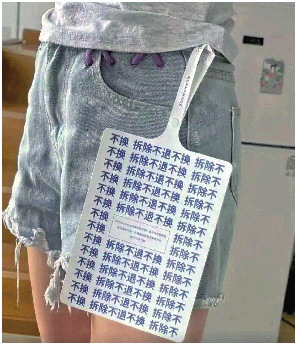
Core Viewpoint - The recent controversy surrounding "malicious returns" in online shopping highlights the ongoing conflict between consumer rights and merchant protections, indicating a need for improved e-commerce platform regulations [1][2][3] Group 1: High Return Rates - Merchants are facing high return rates, with some clothing items experiencing return rates as high as 80-90% due to policies like "seven-day no-reason returns" and "shipping insurance" [3][4] - A merchant reported receiving a returned down jacket that had been worn and damaged, sparking significant public outrage [2][3] - The introduction of "shipping insurance" has led to an increase in return rates, as it lowers the barriers for consumers to return items [3][4] Group 2: Merchant Responses - To combat high return rates, some merchants have implemented measures such as oversized tags and locks on clothing to deter "try-and-return" behavior [5][6] - Statistics show that the use of oversized tags has reduced the rate of malicious returns from 42% to 18% [6] - Merchants are advised to document the return process and communicate clearly with customers to mitigate disputes [7] Group 3: E-commerce Platform Regulations - E-commerce platforms are being urged to refine their return policies to balance the interests of consumers and merchants, as current rules may favor consumers excessively [8] - Alibaba's 1688 platform announced plans to eliminate "refund only" options, shifting the burden of proof for product quality disputes to the platform based on seller credibility [8] - The current environment has led to a perception that many merchants are unreliable, while some consumers exploit return policies for personal gain [8]


“七天无理由”满足不了年轻人了
虎嗅APP· 2025-06-09 09:37AI Processing
题图|AI生成 又是一年618,大家的购物欲望似乎没那么"疯狂"。在网购便利的日常,想买什么就随手买了。尤其 是,有了"七天无理由"后,消费者们都被"惯坏"了。 当下,"早买早享受"的即时满足文化,让年轻人们对售后保障愈发看重。 毕竟,冲动消费后的"兜 底"才是猛猛下单的底气。 不光是日用品、衣物这些到货即能看到"对不对版"的小件随手边逛边买,需要使用一段时间才能有感 知的小家电,也得拥有"长期可退"的掌控感。不过,多数家电产品都只支持"1年保修,2年质保",国 家"三包"也只有7-15年退换期。 当人们大谈消费升级时,却常常忽略了家电消费中的服务升级。 这种情况,或许是时候改变了。 "七天无理由"已满足不了当下年轻人,小家电的"赏味期限"也该拉 长一些了。 小家电,售后难 今年的618消费季,格外热闹。国补政策利好下,家电产品由8类扩容至12类,将电饭煲、微波炉、 净水器、洗碗机等4类产品纳入补贴范围,单件最高可享受销售价格20%的补贴,补贴政策持续加 码。 当价格不是问题的时候,消费者的"纠结"就从PK质量、性能这种纯"工具价值",到对比和索要购物 所带来的软性"情绪价值"。 当"七天无理由"成为习惯,当 ...