
三绿并举

Search documents
中国“调色盘”增新绿!森林覆盖率超25%
Xin Hua She· 2025-12-06 03:46
Group 1 - The core objective of building a beautiful China is highlighted as an important goal in the comprehensive modernization of the socialist nation, with specific plans outlined in the "14th Five-Year Plan" to accelerate the green transformation of economic and social development [1] - During the "14th Five-Year" period, a total of 5.49 million acres of land were afforested, resulting in a forest coverage rate exceeding 25%, contributing approximately one-fourth of the world's new greening area [1] - The "Three North" project has completed the construction of 164 million acres, reinforcing the ecological security barrier in northern China through various innovative methods of combating desertification [2] Group 2 - The forest and grassland industry is projected to exceed a total output value of 10 trillion yuan in 2024, creating job opportunities for over 60 million people, with a stable workforce of over 1.7 million ecological forest rangers [3] - The green coverage rate in urban built-up areas reached 43.32%, while village green coverage reached 32.01% during the "14th Five-Year" period, indicating significant progress in urban and rural greening efforts [4] - The construction of ecological corridors and pocket parks in cities like Beijing and the promotion of park city demonstration areas in Chengdu are enhancing the quality of urban green spaces, making nature more accessible to the public [3][4]
加快建设现代化国有林场,六部门意见传出什么信号?
第一财经· 2025-11-18 05:24
Core Viewpoint - The article discusses the Chinese government's initiative to accelerate the development of state-owned forest farms, aiming to enhance their role in ecological protection, green development, and benefiting the public, with a goal to establish a modernized system by 2030 and complete it by 2035 [2][3]. Summary by Sections Development Goals - By 2030, a modernized state-owned forest farm system with high-quality resources, stable ecological functions, and robust industrial development is to be established, with a complete system expected by 2035 [2]. Current State and Challenges - As of now, there are 4,297 state-owned forest farms covering 8% of the national territory, playing a crucial role in ecological projects like the Three-North Shelter Forest Program [3]. - Despite past reforms improving management and ecological functions, challenges remain, including insufficient supply of quality ecological products, outdated infrastructure, and a lack of professional talent [3][4]. Infrastructure and Living Conditions - Many forest farms face significant infrastructure deficits, with 543 sub-farms lacking water and 318 lacking electricity, leading to poor living conditions for workers [4]. Resource Management and Protection - The government plans to establish a clear resource asset ledger and improve property rights systems, while also exploring paid usage of forest resources and prohibiting free allocation to local financing platforms [4][5]. Economic Development and Industry Support - The initiative encourages the development of diverse economic activities within forest farms, including the cultivation of high-quality timber and the promotion of ecological tourism and carbon market participation [7][8]. Technological Advancements - There is a push for the integration of smart machinery and new technologies like IoT and AI in forest management, alongside improvements in basic infrastructure such as roads and utilities [8].

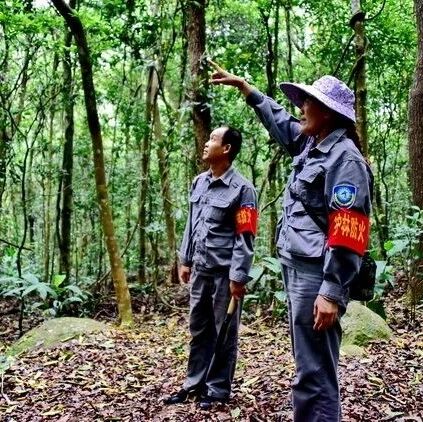
加快建设现代化国有林场,六部门意见传出什么信号?
Di Yi Cai Jing· 2025-11-18 02:25
Core Viewpoint - The Chinese government aims to accelerate the development of state-owned forest farms to enhance ecological protection, green development, and benefit the people, with a goal to establish a modernized state-owned forest farm system by 2030 and essentially complete it by 2035 [1][4]. Summary by Sections Development Goals - By 2030, a modernized state-owned forest farm system with high-quality resources, stable ecological functions, and robust industrial development is expected to be initially established, with full completion targeted by 2035 [1]. Current State and Challenges - Since the founding of New China, 4,855 state-owned forest farms have been established, with 4,297 currently operational, covering 8% of the national land area [2][4]. - Despite improvements since the 2015 reform, challenges remain, including insufficient supply of quality ecological products, inadequate resource protection mechanisms, outdated infrastructure, lack of development vitality, and a shortage of professional talent [4][5]. Infrastructure and Living Conditions - Significant infrastructure deficits exist, with 543 sub-farms lacking water supply and 318 without electricity, leading to poor living conditions for workers compared to surrounding villages [5][6]. Resource Management and Economic Development - The government plans to systematically inventory resources, establish clear property rights, and explore paid use of forest resources while prohibiting free allocation to local financing platforms [5][6]. - Support will be provided for the development of a modern industrial system, including the establishment of genetic resource banks and the promotion of various economic activities such as eco-tourism and forest products processing [8][9]. Technological and Infrastructure Improvements - The initiative encourages the adoption of smart machinery and new technologies like IoT and AI, alongside improving basic infrastructure such as roads, power, and communication systems [9]. - The integration of state-owned forest farms into local road networks and the enhancement of their accessibility are also prioritized [9].
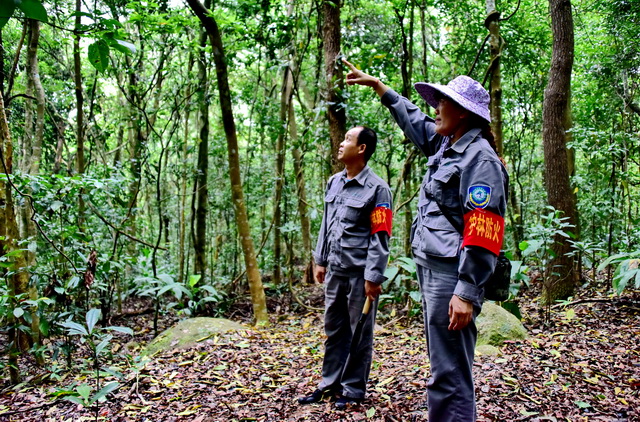
全区新建成86个“口袋公园”
Guang Xi Ri Bao· 2025-06-15 01:43
Group 1 - The core viewpoint of the news is that Guangxi has made significant progress in land greening efforts, achieving a total of 4.34 million acres of afforestation and over 80 million voluntary tree plantings in 2024 [1] - The region has established 86 "pocket parks" and improved urban and rural greening levels, with a green space rate of 37.48% in built-up areas and an average of 12.71 square meters of park green space per person [1] - Guangxi has implemented various measures to expand greening, including the establishment of 70 "Internet + National Voluntary Tree Planting" bases and conducting over 400 physical tree planting activities [1] Group 2 - The ecological resource protection efforts have been strengthened, with grassland vegetation coverage reaching 82.98% and the establishment of multiple important wetland areas [2] - The region has recorded a significant reduction in forest fire incidents and achieved important results in forest fire road construction, pest control, and the protection of ancient trees [2] - In 2024, over 70,000 "nostalgia trees" will be recorded, covering more than 120,000 towns and natural villages [2]