
上海大都市圈

Search documents
定了!上海大都市圈正式扩容,这些区域身价要涨!看看有你家吗?
Sou Hu Cai Jing· 2026-02-14 00:48
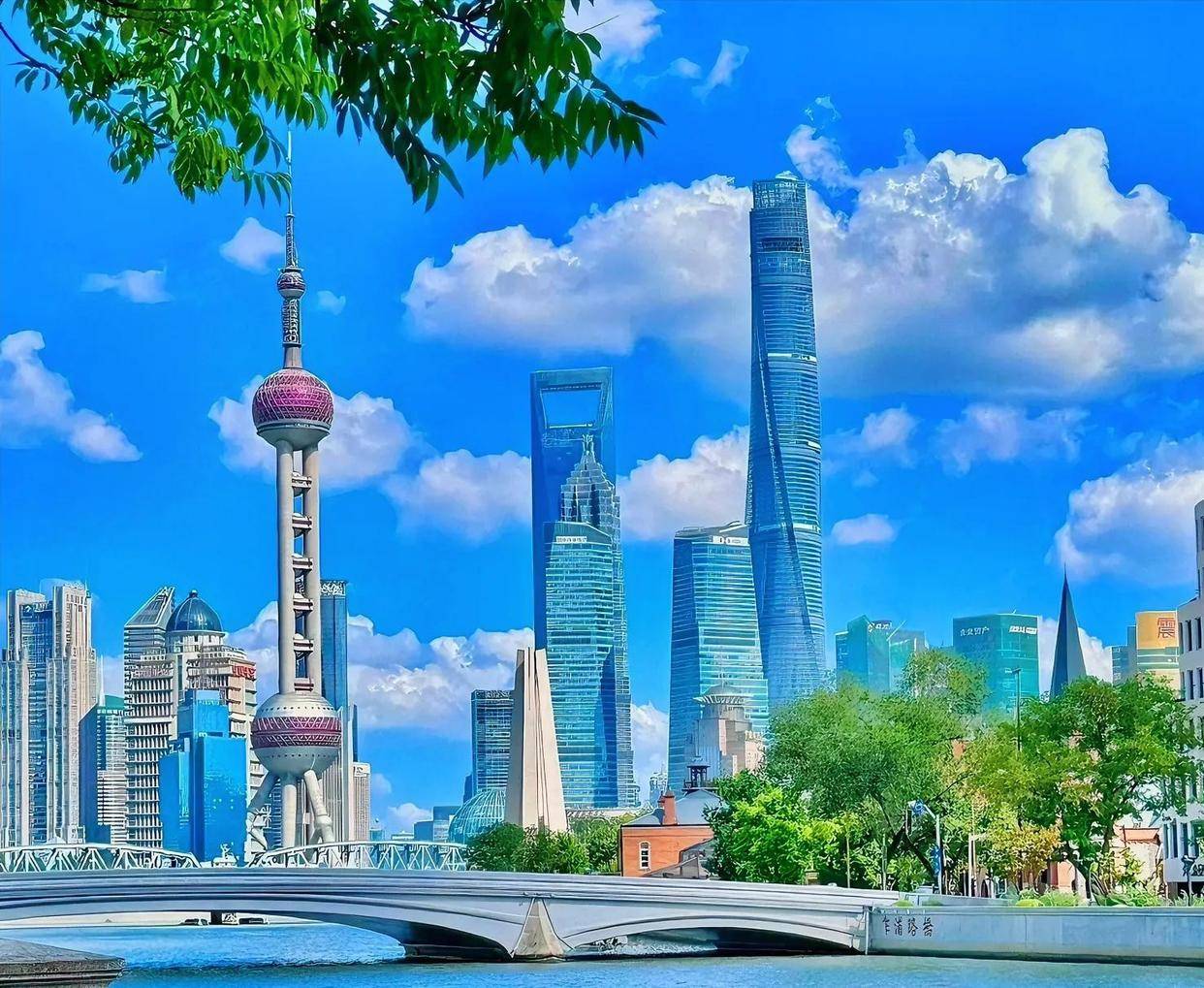
Core Viewpoint - A new urban planning draft aims to create a "super living circle" by integrating Shanghai with 13 cities in Jiangsu, Zhejiang, and Anhui, covering an area larger than Portugal and Hungary combined, impacting over 110 million people [3][5]. Group 1: Urban Planning and Expansion - The draft officially expands the Shanghai metropolitan area from the previous "1+8" model to include 14 cities, with new additions such as Hangzhou, Shaoxing, Taizhou, Yancheng, and Xuancheng [5]. - The planning is based on a "1.5-hour high-speed rail transportation circle," allowing for efficient commuting between Shanghai and surrounding cities [5][11]. Group 2: Economic and Functional Zones - The plan introduces three distinct zones: the commuting life circle, the same-city functional circle, and the industrial collaboration circle, each affecting different aspects of daily life and economic activity [7][9]. - The commuting life circle, approximately 100 kilometers in radius, includes areas like Suzhou and Jiaxing, facilitating daily cross-city commuting [7]. - The industrial collaboration circle, covering about 300 kilometers, focuses on specialized roles for each city, such as Shanghai as a financial hub and other cities supporting manufacturing and green energy [9][11]. Group 3: Transportation Infrastructure - Aiming for a "30-60-90 minute" transportation goal, the plan includes key projects like the Tongsu Jia Ningbo high-speed rail, which will significantly reduce travel times [11][13]. - The construction of infrastructure is already underway, with projects designed to redefine spatial distances and enhance resource allocation across cities [11][13]. Group 4: Cross-Border Collaboration - The plan addresses historical challenges at provincial borders by establishing five "cross-border collaborative units" to enhance cooperation and infrastructure integration [13]. - Notable projects include the Nantong New Airport, which is positioned as a key component of Shanghai's international aviation network [13].

霓虹灯外:一周城市生活
Xin Lang Cai Jing· 2026-02-13 05:01
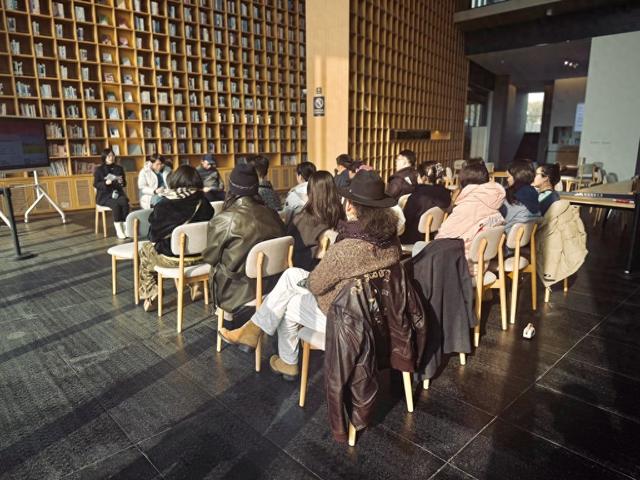
Core Insights - The concept of the Shanghai metropolitan area is emphasized in the latest "14th Five-Year Plan" outline, with a focus on the deepening cooperation in the Jiading-Kunshan-Taicang inter-provincial area as part of the urban integration development mechanism [1][3] - The narrative of "center and periphery" in Shanghai is evolving, with suburban areas like Jiading, Songjiang, and Qingpu gaining richer identities as they are integrated into the metropolitan area [1][3] - The event titled "From Neon Lights to Jia Yuan Hai: Perceiving Shanghai's History and Daily Life at the Urban Edge" aims to explore the relationship between history, art, and local culture [3][4] Historical Context - The book "Outside the Neon Lights: Daily Life in Early 20th Century Shanghai" serves as a key reference for the event, highlighting the lives of ordinary people in Shanghai and their experiences during the Republican era [4][12] - The book has been reprinted multiple times, indicating its lasting significance in the study of urban history in China [3][4] Urban Planning Insights - The detailed descriptions of ordinary life in Shanghai from the book provide insights into urban planning and the humanistic dimensions of city management, emphasizing the importance of community and historical context in urban development [5][6] - The narrative challenges the simplistic view of urban areas by showcasing the interconnectedness of urban and rural life, modernity and tradition [4][5] Cultural Significance - The event and the book highlight the importance of ordinary people's stories in understanding the social fabric of Shanghai, particularly in the context of the ongoing urban transformation [6][8] - The artistic representation of everyday life, as seen in the work "Red Fire Ant Nostalgia," aligns with the themes of the book and the event, emphasizing the labor and stories of common people [6][8]
再扩容,全国最“大”超级都市圈来了
Mei Ri Jing Ji Xin Wen· 2026-02-12 10:56
Core Insights - The Shanghai Metropolitan Area planning draft (2025-2035) has been unveiled, covering a vast area and including multiple cities in Jiangsu, Zhejiang, and Anhui provinces, establishing a "1+13" structure with a total area of 114,000 square kilometers and a population of approximately 110 million [1][3]. Group 1: Planning and Structure - The Shanghai Metropolitan Area is the only metropolitan area in China named with a "Great" designation, emphasizing its extensive coverage compared to other national-level metropolitan areas [1][3]. - The planning aims to create a multi-node, cluster-style metropolitan area, promoting coordinated development among neighboring cities and establishing commuting, industrial, and living circles [1][6]. - The area has undergone several expansions since the concept was first proposed in 2016, with the latest draft including additional cities such as Hangzhou, Yancheng, Taizhou, Shaoxing, and Xuancheng [5][4]. Group 2: Economic and Social Development - The planning draft outlines a vision for the Shanghai Metropolitan Area to become a world-class socialist modern international metropolitan area by 2035, enhancing innovation capabilities, industrial competitiveness, and overall development levels [6][10]. - The "one core, four wings" structure is proposed, with Shanghai as the core and surrounding areas focusing on various development aspects, including industrial innovation and green development [6][10]. - The integration of cities like Suzhou and Jiaxing into the core development strategy is expected to enhance regional collaboration and alleviate pressure on Shanghai [7][8]. Group 3: Innovation and Industry - The Shanghai Metropolitan Area is positioned as a hub for technological innovation and industrial collaboration, housing significant scientific and educational resources, including 20 "Double First-Class" universities and numerous advanced manufacturing clusters [10][11]. - Recent measures aim to upgrade the G60 Science and Technology Innovation Corridor to a world-class level, focusing on new-generation electronic information and aerospace industries [11][12]. - The planning emphasizes the need for effective integration of innovation resources across the region to foster collaborative development and enhance overall competitiveness [10][12].
城记 | 上海大都市圈,究竟“大”在哪里——访华东师范大学终身教授曾刚
Xin Hua Cai Jing· 2025-10-17 08:06
Core Viewpoint - The "Action Plan" for the integrated development of the Yangtze River Delta urban agglomeration aims to enhance the level of integration by 2035, focusing on the Shanghai metropolitan area as a core region for resource integration and world-class industrial cluster development [1][2]. Group 1: Shanghai Metropolitan Area Development - The Shanghai metropolitan area covers 14 cities and is positioned as a global competitive entity, moving from regional development to global engagement [2][3]. - The area contributes 14.5% of China's economic output while only occupying 1.2% of the land area and housing 7.7% of the national population [3]. Group 2: Urban Integration and Collaboration - The concept of "same city" integration in the Shanghai metropolitan area is defined by three levels: daily commuting (1-hour), business travel (1.5-hour), and industrial collaboration (up to 2.5-hour) [4][5]. - The integration aims to facilitate cross-regional resource flow and collaboration, with a focus on industrial synergy rather than competition among member cities [5][6]. Group 3: Cross-Provincial Collaboration - The Shanghai metropolitan area serves as a model for cross-provincial industrial collaboration, with a notable increase in joint applications for advanced manufacturing clusters [7]. - The Yangtze River Delta's efforts in creating a world-class aircraft manufacturing cluster exemplify successful cross-provincial collaboration, involving multiple cities and significant industrial output [7][8]. Group 4: Strategic Focus for Future Development - The metropolitan area is urged to prioritize the creation of world-class industrial clusters during the 14th Five-Year Plan, focusing on cultivating globally competitive companies and establishing influential international organizations [8].