
产业闭环

Search documents
掏50亿投游艇,刘强东打的什么算盘?|财经早察
2 1 Shi Ji Jing Ji Bao Dao· 2026-02-26 14:36
Core Viewpoint - Liu Qiangdong's investment of 5 billion yuan into the yacht industry is driven by the recognition of a significant market gap in China's high-end yacht manufacturing sector, which is currently dominated by established players from Italy, the Netherlands, and Germany [1][4]. Group 1: Market Opportunity - China's automobile ownership has surpassed that of the United States, yet the yacht ownership in China stands at only 12,000 compared to 13 million in the U.S., indicating a vast market potential [2][3]. - Liu Qiangdong perceives the yacht industry as the last high-end void in China's industrial landscape, with domestic yacht manufacturers largely being small and underfunded [1][4]. Group 2: Investment Strategy - The investment will not merely focus on acquiring shipyards but aims for a comprehensive industry chain layout, including manufacturing, research and development, and operational services [4]. - A modern and intelligent yacht manufacturing base will be established in Zhuhai, along with a headquarters in Shenzhen, which will also involve the development of supporting infrastructure such as marinas and service centers [4][5]. Group 3: Vision for the Future - Liu Qiangdong envisions producing electric yachts priced at 100,000 yuan, making them accessible to the average worker, although this goal is contingent on developing a domestic supply chain [4][6]. - The current yacht market is compared to the automotive industry 40 years ago, suggesting that with technological advancements and economies of scale, costs can be reduced significantly [4][6]. Group 4: Challenges and Infrastructure - The existing yacht infrastructure in China is inadequate, with high costs for mooring and maintenance, which could deter potential buyers even if affordable yachts are produced [5]. - Liu Qiangdong's investment is not only a bet on yacht manufacturing but also on the broader development of marine culture and infrastructure in China [5][6].

定了!上海大都市圈正式扩容,这些区域身价要涨!看看有你家吗?
Sou Hu Cai Jing· 2026-02-14 00:48
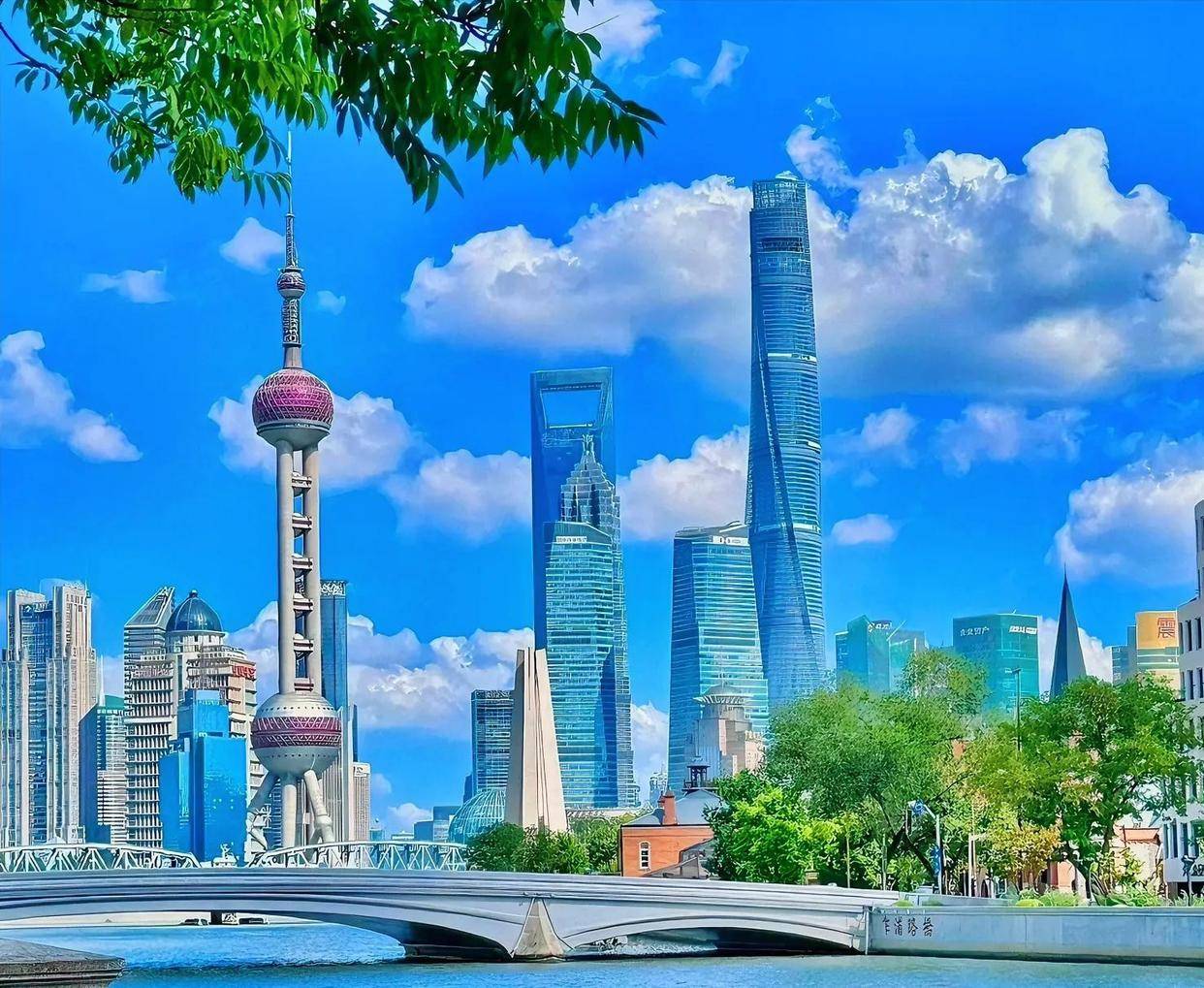
Core Viewpoint - A new urban planning draft aims to create a "super living circle" by integrating Shanghai with 13 cities in Jiangsu, Zhejiang, and Anhui, covering an area larger than Portugal and Hungary combined, impacting over 110 million people [3][5]. Group 1: Urban Planning and Expansion - The draft officially expands the Shanghai metropolitan area from the previous "1+8" model to include 14 cities, with new additions such as Hangzhou, Shaoxing, Taizhou, Yancheng, and Xuancheng [5]. - The planning is based on a "1.5-hour high-speed rail transportation circle," allowing for efficient commuting between Shanghai and surrounding cities [5][11]. Group 2: Economic and Functional Zones - The plan introduces three distinct zones: the commuting life circle, the same-city functional circle, and the industrial collaboration circle, each affecting different aspects of daily life and economic activity [7][9]. - The commuting life circle, approximately 100 kilometers in radius, includes areas like Suzhou and Jiaxing, facilitating daily cross-city commuting [7]. - The industrial collaboration circle, covering about 300 kilometers, focuses on specialized roles for each city, such as Shanghai as a financial hub and other cities supporting manufacturing and green energy [9][11]. Group 3: Transportation Infrastructure - Aiming for a "30-60-90 minute" transportation goal, the plan includes key projects like the Tongsu Jia Ningbo high-speed rail, which will significantly reduce travel times [11][13]. - The construction of infrastructure is already underway, with projects designed to redefine spatial distances and enhance resource allocation across cities [11][13]. Group 4: Cross-Border Collaboration - The plan addresses historical challenges at provincial borders by establishing five "cross-border collaborative units" to enhance cooperation and infrastructure integration [13]. - Notable projects include the Nantong New Airport, which is positioned as a key component of Shanghai's international aviation network [13].
“蛇吞”华人文化背后,真正的邵氏兄弟已逝
Sou Hu Cai Jing· 2026-02-04 07:52
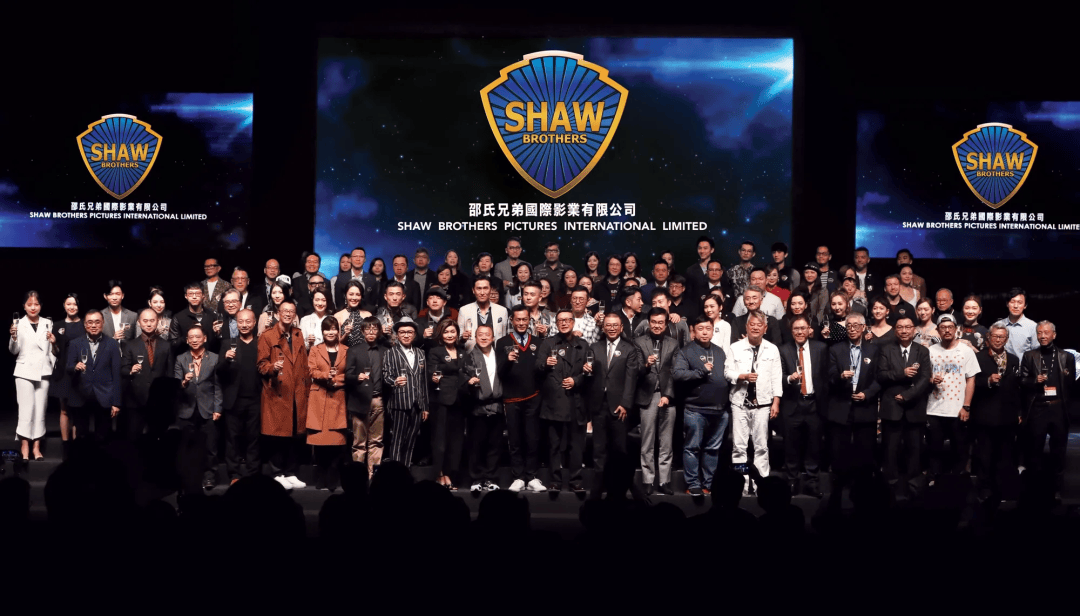
Core Viewpoint - Shaw Brothers Holdings is making a significant move by acquiring multiple film and television assets from its major shareholder, China Media Capital (CMC), which has sparked public interest and industry discussions [1][3]. Group 1: Transaction Overview - Shaw Brothers will acquire core film and television assets from CMC for RMB 4.5765 billion, including a 50% stake in Noon Sunshine, 100% of Shanghai Chinese Film Production, and other platforms [4]. - The transaction will be executed entirely through the issuance of new shares at HKD 0.32 per share, resulting in a 91.82% ownership stake for new shares and reducing existing shareholders' stake to below 10% [4][6]. - CMC, already the largest single shareholder with a 29.94% stake, will increase its ownership to 59.74% post-transaction, achieving absolute control [6]. Group 2: Strategic Implications - The deal is viewed as a capital restructuring rather than a conventional acquisition, allowing CMC to consolidate its non-listed film assets into a publicly traded entity [6]. - For CMC, this move enhances its overall asset valuation and provides liquidity for future financing or divestment opportunities [8]. - Shaw Brothers can mitigate project risks and leverage the mainland audience base to enhance brand recognition and attract quality projects and talent [8][10]. Group 3: Market Reaction and Financial Performance - Following the announcement, Shaw Brothers' stock price dropped by 15.79%, reflecting investor concerns over shareholder dilution and the profitability of the injected assets [10]. - The company has faced continuous net profit losses from 2022 to 2024, although it reported a revenue of RMB 106.38 million in the first half of 2025, with a net profit of RMB 0.07 million [22][23]. Group 4: Historical Context - Shaw Brothers, originally a prominent film studio, has undergone significant transformations, including a shift to real estate and passive investments after its decline in the late 20th century [16][17]. - The company was privatized in 2009 and later sold its core assets, marking the end of its traditional film production era [17][19]. - The recent acquisition marks a potential rebirth for Shaw Brothers, aiming to reconnect with its historical roots in the film industry while adapting to modern market dynamics [24][25].
镍价冲天,中资巨头激战印尼
经济观察报· 2026-01-17 07:25
Core Viewpoint - The article discusses the recent surge in nickel prices driven by production cut expectations in Indonesia, highlighting the influx of capital and talent into the nickel industry, particularly from Chinese companies [1][4]. Group 1: Nickel Price Surge and Market Dynamics - Nickel futures on the London Metal Exchange (LME) reached a high of $18,800 per ton on January 7, 2026, and peaked at $18,905 per ton on January 15, 2026, indicating a significant price increase [2]. - Indonesia, the world's largest nickel producer, announced a 34% reduction in nickel ore production targets for 2026, which has intensified market speculation and price volatility [3][6]. - Chinese investments in Indonesia's nickel industry have been substantial, with $13.9 billion invested primarily in the downstream processing sector, accounting for 44% of total investments in the last five years [3][4]. Group 2: Competitive Landscape and Strategic Shifts - The competition in Indonesia's nickel market is evolving from a "factory building race" to a comprehensive competition focused on cost control, technology selection, and market positioning [4]. - Companies like Qingshan Holding, which controls about 30% of Indonesia's nickel mining capacity, are adapting their strategies to manage risks associated with fluctuating nickel prices and potential policy changes [6][9]. - The Indonesian government aims to boost nickel prices and fiscal revenue while promoting industrial upgrades, with companies like Qingshan actively participating in this process [8]. Group 3: Technological Innovations and Future Outlook - DeLong Group is facing pressure from the rise of hydrometallurgical (HPAL) processes, prompting a shift towards technological transformation to remain competitive [10][11]. - The focus is on enhancing production capabilities and product quality, with companies racing against time to implement new technologies and optimize operations [10][14]. - The competition is expected to intensify as major hydrometallurgical projects come online by the end of 2026, shifting the focus from mere production capacity to product quality and sustainability [15]. Group 4: Long-term Strategic Considerations - Companies are exploring the establishment of a complete industrial chain from nickel mining to battery recycling, which is seen as a strategic move to secure long-term advantages [16]. - The uncertainty surrounding policy changes remains a significant concern for companies, as they seek clarity to make substantial investments [16][18]. - The winners in this evolving landscape will be those who can effectively manage volatility, understand trends, and build sustainable competitive advantages [18].

中资企业印尼逐镍
Jing Ji Guan Cha Wang· 2026-01-16 23:52
Core Insights - The surge in nickel prices on the London Metal Exchange (LME) is driven by Indonesia's significant production cut plans, which aim to reduce nickel output by 34% in 2026 [1][5] - Chinese companies are heavily investing in Indonesia's nickel industry, with investments primarily focused on nickel downstream processing, accounting for 44% of total investments in the last five years [1][2] - The competition landscape is evolving from a "factory building race" to a comprehensive competition focusing on cost control, technology choices, and market positioning [2] Group 1: Market Dynamics - Nickel prices reached a high of $18,905 per ton on January 15, 2026, marking a significant increase and reflecting market reactions to Indonesia's production cuts [1] - The Indonesian government aims to boost nickel prices and fiscal revenue while promoting industrial upgrades through production cuts [5] - The competition among companies is intensifying, with established players like Qingshan Holding and newcomers vying for market share [2][6] Group 2: Company Strategies - Qingshan Holding, controlling about 30% of Indonesia's nickel production, is adapting its internal strategies to manage potential supply constraints and optimize resource allocation [3][4] - DeLong Group is facing pressure to transition from traditional nickel production to more advanced methods, such as HPAL technology, to remain competitive [6][7] - Huayou Cobalt is focusing on vertical integration and strategic partnerships to enhance its position in the nickel market, with significant projects underway [8][9] Group 3: Future Outlook - The nickel market is expected to see a shift in focus from quantity to quality and sustainability as new projects come online [10][11] - Companies are exploring the establishment of a complete industrial chain from nickel mining to battery recycling, which is seen as a strategic advantage [11] - The uncertainty surrounding policy changes remains a significant concern for companies, impacting long-term investment decisions [11][12]
破局铝业“三难”,大宗供应链龙头厦门象屿锻造铝产业链韧性闭环
Sou Hu Wang· 2026-01-05 09:19
Core Insights - Aluminum is a key raw material and strategic resource, with China being the largest producer and consumer globally. The country is expected to maintain its leading position in the production of alumina, electrolytic aluminum, aluminum processing materials, and recycled aluminum by 2024, with respective outputs of approximately 85 million tons, 44 million tons, 49.5 million tons, and 10.5 million tons [1] - The Chinese aluminum industry faces challenges such as high dependence on imported bauxite, insufficient resource supply, high carbon emissions, and reliance on imported high-end products. These issues necessitate a transformation and upgrade of the industry [1] - The Ministry of Industry and Information Technology and ten other departments have released the "Implementation Plan for High-Quality Development of the Aluminum Industry (2025-2027)", which sets quantitative goals for resource security, industrial layout, and technological innovation [1] Resource Security - China's bauxite reserves account for only 3% of global reserves, with a high import dependency of 65%, making resource security a critical issue for the industry [3] - Xiamen Xiangyu is strategically focusing on resource security by penetrating domestic mining areas and investing in overseas bauxite resources, particularly in Indonesia, to secure production capacity and enhance international pricing power [3] Manufacturing Transition - The aluminum processing industry's high-end transformation is a core focus of the "Implementation Plan". Currently, 68% of domestic aluminum capacity is concentrated in low-end sectors, with over 60% of high-performance aluminum alloys for aerospace and electric vehicles being imported [4] - Xiamen Xiangyu's parent company, Xiangyu Group, has invested 3.6 billion yuan in restructuring Zhongwang Group, aiming to upgrade the industry and enhance production capabilities across various segments, including electric aluminum and deep processing [4][5] Supply Chain Integration - Xiamen Xiangyu aims to leverage its supply chain service advantages alongside Zhongwang's manufacturing capabilities, adopting a model that integrates industrial operations with supply chain services to activate existing capacities and penetrate high-end markets [5] - The transition from a traditional supply chain to an integrated manufacturing model allows for rapid construction of vertical integration capabilities, addressing resource anxiety and technological bottlenecks while aligning with national strategies for resource security and low-carbon transformation [6]

长期大订单驱动,龙蟠科技扩产
高工锂电· 2025-12-25 10:49
Core Viewpoint - Longpan Technology plans to increase the production capacity of its "New Energy Vehicle Power and Energy Storage Battery Cathode Material Scale Production Project" from the originally planned 62,500 tons/year to 100,000 tons/year, reflecting a strong response to growing market demand and supporting its expansion strategy [2][4]. Group 1: Production Capacity and Expansion Plans - The project originally aimed for a total capacity of 150,000 tons/year of lithium iron phosphate cathode materials, with the first two phases (25,000 tons/year and 62,500 tons/year) already completed, bringing the current total capacity to 87,500 tons/year [2]. - The total capacity of the project will be raised to 187,500 tons/year after the adjustment, with an expected completion date in May 2026 and a total investment of approximately 910 million yuan [4]. - Longpan Technology has secured multiple long-term supply agreements, including a partnership with Ford Group's Blue Oval for 2026-2030 and a supply agreement worth over 5 billion yuan with EVE Energy [2][3]. Group 2: Market Trends and Demand - The lithium battery industry is entering a fourth upward cycle, with the cathode materials market experiencing a supply-demand imbalance [5]. - The global energy storage battery shipment is expected to exceed 650 GWh this year, with a year-on-year growth rate of over 80% [3]. - Chinese companies have received over 260 GWh of overseas energy storage orders in the first eleven months of this year, indicating a strong demand across multiple regions [3]. Group 3: Strategic Positioning and Technological Development - Longpan Technology is building a "vertical integration + horizontal globalization" strategy, focusing on lithium refining, cathode materials, and battery recycling to create a complete industrial loop [5]. - The company plans to significantly expand production capacity by the end of next year, focusing on high-voltage lithium iron phosphate, which is a mainstream product in market demand [5]. - Longpan Technology aims to collaborate with downstream customers to advance the research and development of cathode materials, addressing key technological directions such as high energy density and long cycle life [5].


一个县城的"秸秆经济学":南乐如何用20年构建生物基产业闭环
合成生物学与绿色生物制造· 2025-12-08 09:12
Core Viewpoint - The article highlights the transformation of agricultural waste into a thriving bio-based materials industry in Nanle County, Henan Province, showcasing a complete industrial ecosystem that effectively addresses the challenges of technology, supply chain, and cost control [1][4][56]. Group 1: Industry Development - Nanle County has developed the first closed-loop bio-based materials industry chain in China, turning agricultural waste like straw and corn cobs into valuable products over 20 years [1][6]. - The county's wood sugar production capacity reaches 40,000 tons per year, making it the largest wood sugar production base globally [9]. - The county has established a global first non-grain crystalline glucose production line, certified by ISCC, enabling stable and large-scale conversion of non-grain raw materials into high-purity glucose [10]. Group 2: Technological Breakthroughs - Key technological advancements support each stage of the production process, with 34 proprietary intellectual property rights held by local bio-based material companies [19]. - The production of L-lactic acid has positioned Nanle County as the largest high-purity polymer-grade L-lactic acid production base globally [12]. - The county has developed a high-end polylactic acid (PLA) production technology with an annual capacity of 120,000 tons [14]. Group 3: Cost Control Measures - Nanle County has implemented five major guarantees to systematically reduce operational costs for enterprises, including raw material, land, steam, water, and electricity guarantees [21][38]. - The establishment of a steam public network provides three types of steam supply, keeping prices below 200 yuan per ton [30]. - Industrial water costs have been reduced by 60% through a circular system for industrial water, reclaimed water, and wastewater treatment [33]. Group 4: Investment Opportunities - Three key investment areas are recommended: fine chemicals and derivatives, polylactic acid and PEF fibers, and biomass energy, based on the county's industrial foundation and market demand [46]. - The fine chemicals sector has a strong market demand, particularly for bio-based fine chemicals, which are rapidly expanding under carbon reduction goals [47]. - The county's established partnerships with 128 textile and apparel enterprises create a favorable environment for businesses involved in polylactic acid fibers [48]. Group 5: Lessons from Nanle County - The success of Nanle County illustrates the importance of building a competitive industrial cluster through a comprehensive ecosystem rather than relying solely on investment attraction and policy subsidies [54]. - Key factors for success include technological breakthroughs, a closed industrial loop, cost control through public infrastructure, and strong support from technology and finance [56]. - The county's agricultural waste management, resource advantages, and supportive policies position it as a model for other regions aiming to develop similar bio-based industries [55].

大盘深V!明天会反弹吗?
Mei Ri Jing Ji Xin Wen· 2025-09-24 05:15
Group 1 - A strategic collaboration worth $100 billion is emerging among Nvidia, OpenAI, and Oracle, indicating a shift in AI competition towards an ecosystem-level confrontation based on computing power and capital barriers [1][2] - Nvidia plans to make an unprecedented strategic investment of $100 billion in OpenAI, which includes the construction of a 10GW AI data center to support the development of next-generation Artificial General Intelligence (AGI) [1][2] - OpenAI, as a leader in AI applications, requires vast computing resources, leading it to purchase cloud services from Oracle, which in turn must procure Nvidia's top AI GPUs to meet this demand [1][2] Group 2 - Nvidia's investment in OpenAI ensures a continuous funding stream for technological and computational investments, reinforcing the long-term demand for Nvidia's AI chips [2] - This collaboration forms a robust strategic alliance, allowing Nvidia to secure its position as a key supplier while mitigating competition risks from other cloud service providers developing their own chips [2] - The partnership signifies a solidification of power structures within the AI industry, with Nvidia transitioning from a chip supplier to a key player in building future AI infrastructure [2] Group 3 - The A-share market experienced wide fluctuations, with the Shanghai Composite Index and Shenzhen Component Index down by 0.18% and 0.29% respectively, while the ChiNext Index rose by 0.21% [3] - The total trading volume in the Shanghai and Shenzhen markets reached 24.944 billion yuan, an increase of 3.729 billion yuan compared to the previous day [3] - The market showed a mixed performance with 1,108 stocks rising and 4,266 stocks falling, indicating a median decline of 1.61% in stock prices [3] Group 4 - Defensive sectors such as banking, coal, water utilities, transportation infrastructure, and electricity saw gains today, reflecting a trend of recovery in previously adjusting sectors [6] - AI-related sectors, particularly communication equipment, initially surged due to Nvidia's investment news but experienced typical profit-taking behavior [6] - The AI hardware sector has been a major driver of the current market rally, with significant price increases observed since July, suggesting a need for continued monitoring of this sector's performance [6] Group 5 - East Wu Securities suggests that entering the upstream computing hardware market may not offer favorable risk-reward ratios, advocating for investment in relatively undervalued segments of the AI industry that could benefit from unexpected positive developments [7] - The humanoid robot sector is showing signs of stabilization after recent fluctuations, indicating potential support at previous price levels [8]


财务承压、估值波动,金晟新能负重闯关IPO
Jing Ji Guan Cha Bao· 2025-09-12 14:07
Core Viewpoint - The company, Guangdong Jingsheng New Energy Co., Ltd., is attempting to list on the Hong Kong Stock Exchange for the second time after its initial application lapsed in December 2024, amid significant financial losses and market volatility in the lithium battery recycling sector [1]. Financial Performance - The company has experienced a "roller coaster" financial performance, with revenues declining from 29.05 billion yuan in 2022 to 9.37 billion yuan in the first half of 2025, indicating a continuous downward trend [2]. - The company reported a profit of 1.51 billion yuan in 2022 but has since incurred losses of 4.71 billion yuan in 2023, 3.44 billion yuan in 2024, and 1.44 billion yuan in the first half of 2025, totaling over 10 billion yuan in losses over the past three and a half years [2]. Market Conditions - The core reason for the company's losses is attributed to the drastic decline in prices of lithium carbonate, nickel, and cobalt, leading to a situation where product prices are lower than production costs [2]. - The average price of lithium carbonate plummeted from 426,900 yuan per ton in 2022 to 62,300 yuan per ton in the first half of 2025, representing a cumulative decline of over 80% [4]. Customer Concentration - The company's sales are heavily reliant on a few major clients, with revenue from the top five customers accounting for 52.7% to 67.3% of total revenue during the reporting period, indicating increasing customer concentration [2]. - The largest single customer contributed 13.9% to 45.2% of total revenue over the same period, raising concerns about the company's dependency on a limited customer base [2]. Accounts Receivable - The turnover days for trade receivables increased from 38 days in 2022 to 56 days in the first half of 2025, a nearly 50% rise, which is significantly higher than the industry average [3]. - The high customer concentration and low collection efficiency create a negative feedback loop, where major clients demand extended payment terms, increasing the risk of bad debts for the company [3]. Valuation and Ownership - The company was founded by the Li brothers in 2010 and has undergone multiple rounds of financing, with its valuation fluctuating significantly, peaking at 12 billion yuan in March 2023 and dropping to 6.2 billion yuan in July 2024 before recovering to 7.6 billion yuan in November 2024 [5]. - The current valuation has decreased by over 30% from its peak, reflecting the volatility in the industry [5]. Strategic Direction - In response to industry fluctuations, the company aims to establish a closed-loop industry model from "recycling to regeneration" to mitigate reliance on market conditions for profitability [5].