
专业化住房租赁

Search documents
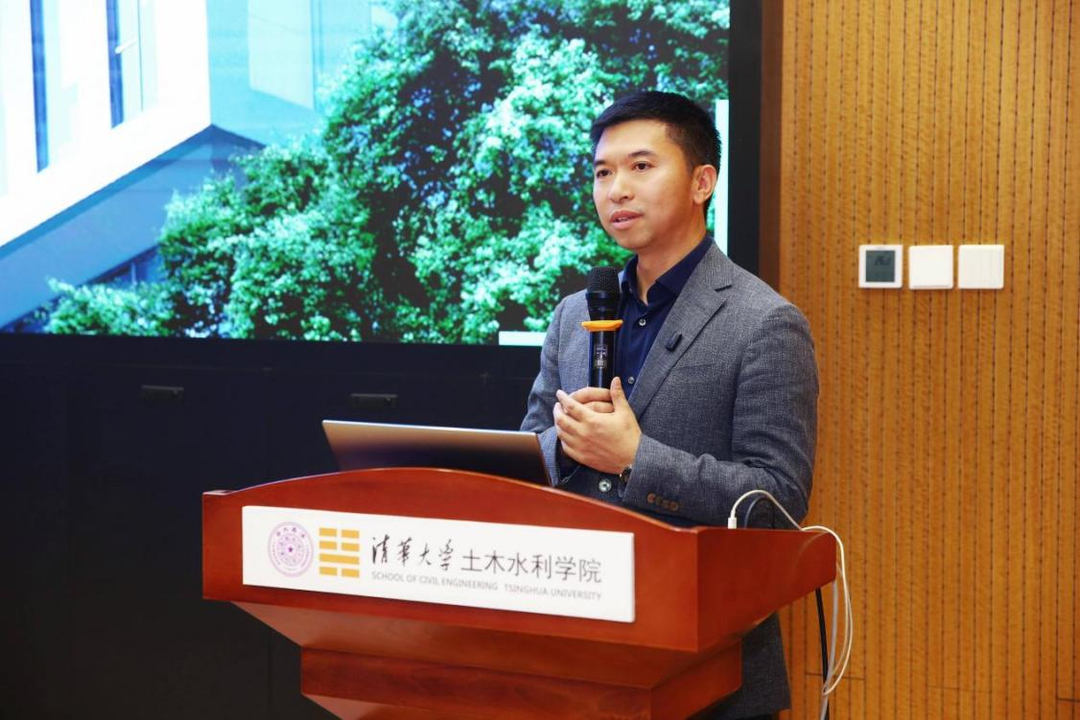
自如董事长应邀赴清华课堂分享自如成功转型实践,探讨中国租住行业健康发展新范式
Yang Zi Wan Bao Wang· 2025-11-06 07:45
Core Insights - The core theme of the news is the exploration of professional housing rental models and the successful practices of the company in the context of China's long-term rental industry development trends and future directions [1][2]. Group 1: Industry Development - The period from 2011 to 2021 marked significant growth in China's long-term rental industry, driven by institutional forces that enhanced product quality, service upgrades, and technology integration, leading to world-leading rental quality in first-tier cities [2]. - The company pioneered the C2B2C long-term rental model in 2011, addressing the long-standing issues of product, service, and quality mismatches in the traditional rental market [2]. - By October 2021, the company managed over one million rental units nationwide, positioning itself among the world's leaders in rental experience [2]. Group 2: Strategic Transformation - In response to the structural shift in the housing market, the company transitioned from a "worry-free rental" model to a "gain rental" strategy in 2021, offering professional asset management services akin to those of Marriott, with a goal of achieving a 70% scale share by 2025 [2][6]. - The "gain rental" model has established a new paradigm for stable and healthy industry development, balancing scale, density, and quality as core components for sustainable growth [3]. Group 3: Comprehensive Capabilities - The company has solidified its core competencies in product, service, technology, and team collaboration, creating a comprehensive quality housing product system and a full-cycle rental service capability [6]. - The company operates globally across more than five countries, over 30 cities, and 13,000+ business districts, serving nearly one million homeowners and over five million tenants [6]. Group 4: Market Position and Future Outlook - The professional housing rental sector has received strong support from both policy and market, with over 60% of city homeowners and tenants preferring professional rental platforms like the company [6]. - The "gain rental" model is seen as an effective path for the industry to navigate the stock cycle, achieving a win-win situation for homeowners, tenants, and practitioners, thereby defining the future direction of institutional, stable, and healthy development in China's rental market [6].

自如生长14年,两次改变租住行业的底层逻辑
36氪· 2025-10-31 09:17
Core Viewpoint - The article discusses the evolution of the Chinese rental housing market, focusing on the transformation initiated by the company Ziroom, which shifted from a traditional rental model to an asset management approach, significantly changing the industry's underlying logic [1][6][24]. Group 1: Market Background and Initial Challenges - In 2011, a group of Chinese entrepreneurs, including Ziroom's founder, sought to learn from mature rental markets in Japan and the U.S. to innovate in China's rental sector [1][2]. - The rental market was primarily in a C2C phase, with high operational costs and inefficiencies due to the fragmented nature of individual landlords and tenants [2][3]. - Ziroom aimed to transform this market by productizing rental properties and enhancing transparency, which was initially met with skepticism from industry peers [2][3]. Group 2: Key Innovations and Business Model - Ziroom focused on three core areas: product standardization, service enhancement, and technology integration, which collectively improved rental efficiency and tenant experience [4][5]. - The company introduced a new rental model that allowed for the leasing of individual rooms rather than entire units, catering to diverse tenant needs and significantly increasing property utilization [4][5]. - By leveraging technology, Ziroom optimized the matching process between tenants and available properties, moving the rental experience closer to that of booking a hotel [5][22]. Group 3: Transition to Asset Management - In 2021, Ziroom transitioned to an "incremental rental" model, positioning itself as an asset management company rather than just a rental service provider [7][24]. - This shift was driven by the need for a more sustainable business model in response to market changes and increased competition, allowing for shared risk and reward with property owners [10][35]. - The new model has seen over 70% of Ziroom's properties switch to this asset management approach, demonstrating resilience in a challenging market environment [10][38]. Group 4: Long-term Vision and Industry Impact - Ziroom's evolution reflects a broader trend in the real estate sector, emphasizing the importance of understanding both tenant and landlord needs to create value [21][22]. - The company aims to redefine the rental market by providing high-quality living experiences through professional management and continuous property maintenance [26][39]. - Ziroom's journey illustrates the potential for innovation in the rental market, setting a new standard for professionalized housing rental services in China [8][39].
