
世界和平

Search documents
视频丨国际人士:日本首相错误言论威胁二战后国际秩序
Yang Shi Xin Wen Ke Hu Duan· 2026-02-03 07:49
Group 1 - The statements made by Japanese Prime Minister Sanae Takaichi are viewed as a threat to the post-World War II international order, with concerns that such actions challenge global peace [1] - The international community has established peace treaties post-World War II to prevent the recurrence of historical conflicts, emphasizing the importance of adherence to these agreements [1] - There is a growing concern that certain forces interfering in the internal affairs of other nations exacerbate regional security issues, leading to heightened tensions within the international system [3] Group 2 - The remarks by Takaichi are alarming as they suggest a willingness to create unnecessary conflicts and tensions, particularly regarding Taiwan, which is seen as a sensitive issue [4] - The global community adheres to United Nations General Assembly Resolution 2758, which recognizes only one China, indicating a rejection of colonialism and interference in sovereign matters [4] - The historical context of Japan as a former colonizer raises concerns about its current stance and rhetoric, which some perceive as a regression to pre-1945 imperial attitudes [3][4]

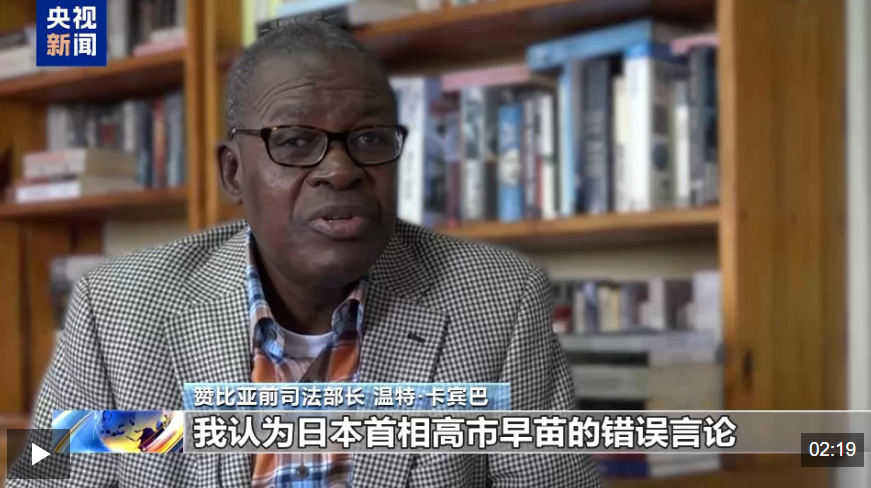
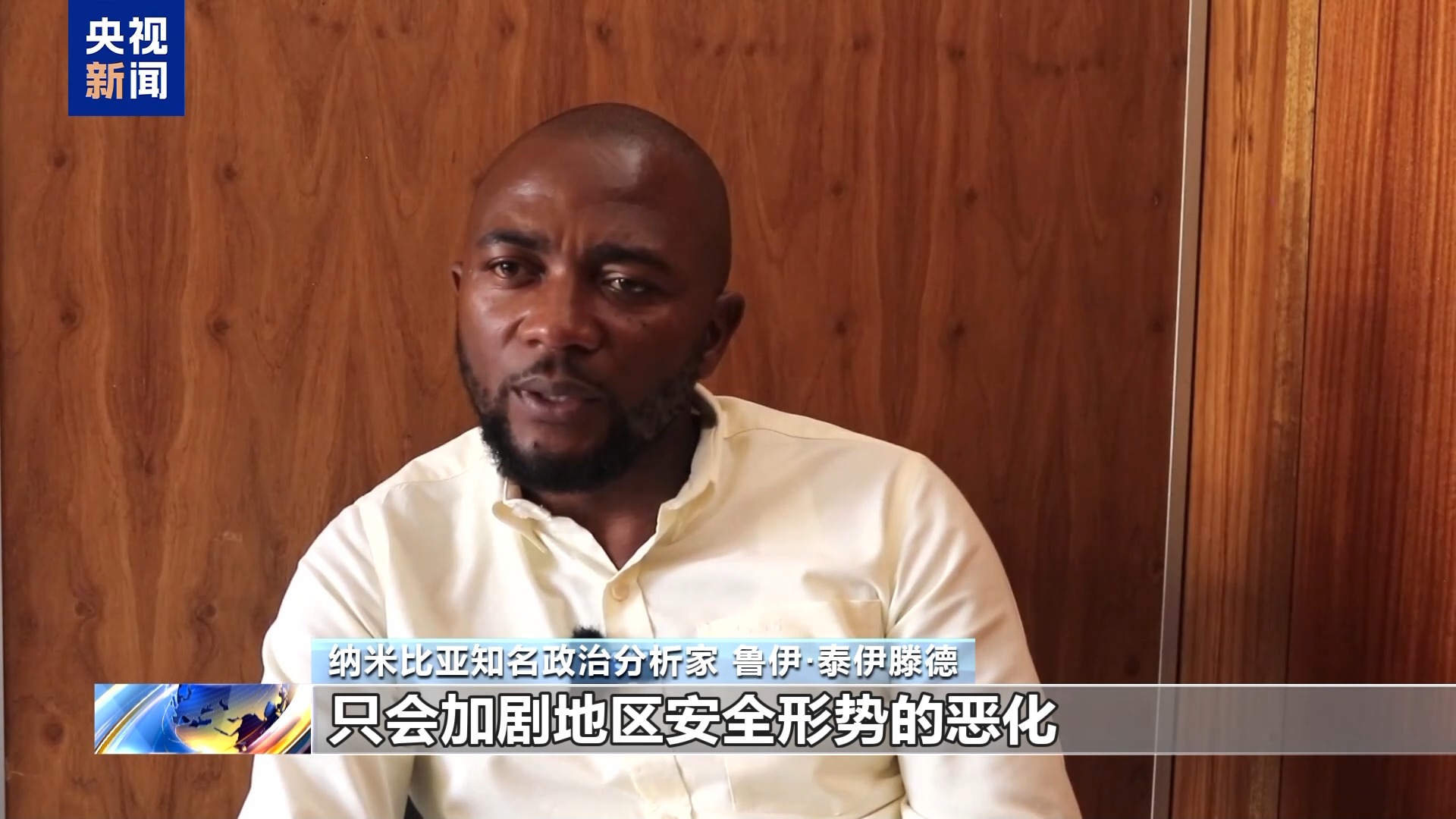
国际人士:日本首相错误言论威胁二战后国际秩序
Yang Shi Xin Wen· 2026-02-03 01:55
Group 1 - The statements made by Japanese Prime Minister Sanae Takaichi are viewed as a threat to the post-World War II international order, with concerns that such actions challenge global peace [1] - The international community has established peace treaties post-World War II to prevent the recurrence of historical conflicts, emphasizing the importance of adherence to these agreements [1] - There is a growing concern that certain forces interfering in other countries' internal affairs could exacerbate regional security issues and lead to heightened tensions within the international system [3] Group 2 - The remarks by Takaichi are alarming as they suggest a willingness to create unnecessary conflicts and tensions, particularly regarding Taiwan, which is seen as a sensitive issue [4] - The global community adheres to United Nations General Assembly Resolution 2758, which recognizes the principle of "One China," and there is a strong opposition to any resurgence of colonialism [4]
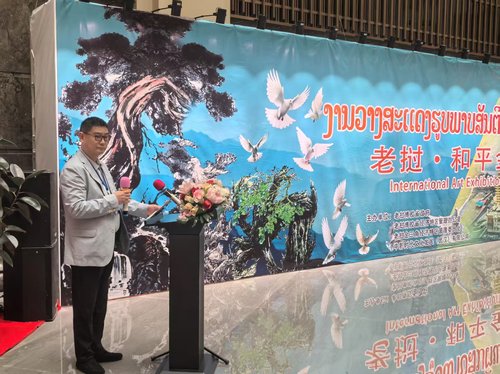
第三届“和平金三角”国际画展在老挝开幕
Xin Lang Cai Jing· 2026-01-31 13:19
Core Viewpoint - The third "Peace Triangle" International Art Exhibition opened in the Laos Golden Triangle Economic Zone, aiming to deepen cultural ties and cooperation between China and Laos through art [1][3]. Group 1: Exhibition Overview - The exhibition is themed "Peace Triangle, Harmonious Triangle, Most Beautiful Triangle" and features over a hundred artworks from artists across multiple countries [3]. - The artworks include oil paintings, ink paintings, and photography, showcasing the natural scenery and cultural landscape of the Golden Triangle Economic Zone [3]. Group 2: Cultural Significance - The event serves as a platform for cultural exchange and a practical embodiment of the friendship between China and Laos, promoting the idea of peace and cooperation [7]. - The exhibition is a continuation of a ten-year commitment made by the president of the World Peace Cultural and Art Alliance and the leaders of the Laos Golden Triangle Economic Zone [1][7]. Group 3: Artistic Representation - Notable works such as "Five Steeds" and "Shining Golden Triangle" symbolize the shared future and aspirations of China and Laos, reflecting the humanistic ideals of "World Peace" [5]. - The artworks act as a powerful voice for peace amidst global conflicts, calling for the protection of the Earth and coexistence [5].
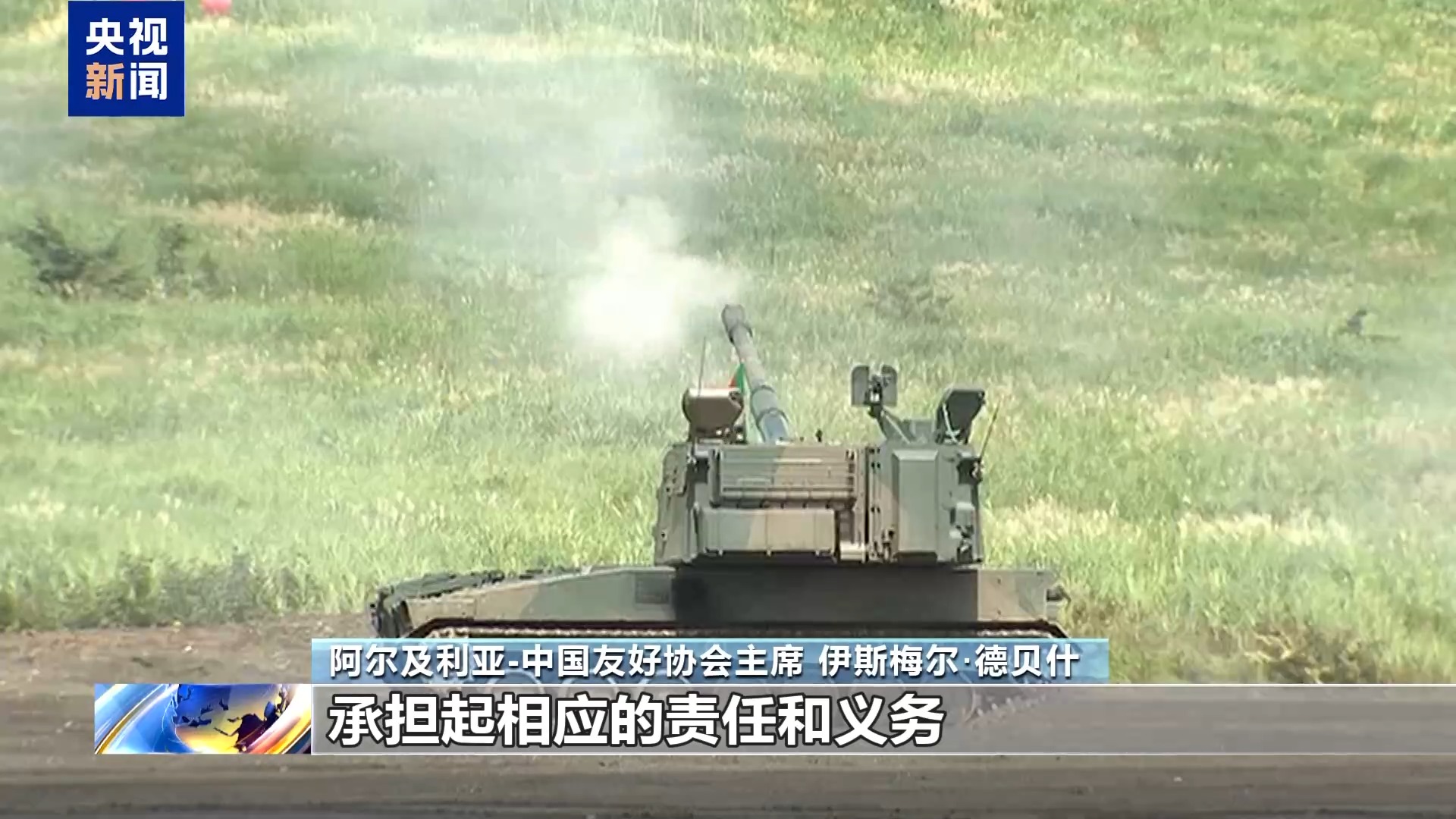
阿尔及利亚友好人士:日本无权干涉中国内政
Yang Shi Xin Wen Ke Hu Duan· 2026-01-08 12:41
Core Viewpoint - Japan's Prime Minister's erroneous remarks have sparked criticism both domestically and internationally, with calls for Japan to cease its military expansion and reflect on its historical responsibilities [1][3]. Group 1: Criticism of Japan's Remarks - Ismail Debesh, Chairman of the Algeria-China Friendship Association, stated that Japan's comments are a gross interference in China's internal affairs and do not align with Japan's own interests [1]. - The international community, including Japan's allies and countries friendly to China, has condemned Japan's statements as irrational and illogical, especially given Japan's trade volume with China exceeding $300 billion [1]. Group 2: Japan's Military Expansion - Japan has been significantly adjusting its security policies, increasing defense budgets annually, and relaxing weapon export restrictions, with intentions to amend its "three non-nuclear principles" [1]. - Debesh emphasized that Japan should learn from its painful history and halt its military expansion, as it poses risks to regional security and global peace [1][3]. - He criticized Japan for not fully reflecting on its actions during World War II and for attempting to expand its military presence in the region, which he believes is detrimental to Japan and the world [3].
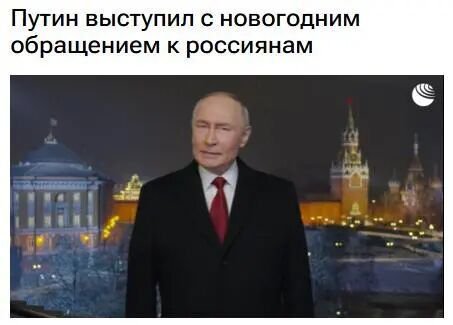
重复三遍“世界和平”!特朗普许下新年愿望,普京坚信“终将胜利”,泽连斯基:不要乌克兰的终结
Xin Lang Cai Jing· 2026-01-02 00:56
Group 1 - Russian President Putin expresses support for military actions in Ukraine, stating "I believe we will ultimately win" [2][21] - Putin emphasizes the importance of unity among Russians, stating that the country's sovereignty and future depend on their solidarity [5][24] - French President Macron commits to working until the end of his term, amidst political turmoil and calls for his resignation [7][25] Group 2 - UK Prime Minister Starmer asserts that the choices made in 2026 will lead to positive changes, claiming "we are putting the country back on track" [8][26] - German Chancellor Merz highlights the need for Europe to rely on itself to safeguard its interests amid global challenges [11][27] - Ukrainian President Zelensky declares that Ukraine is striving for peace but will not accept a weak peace agreement, emphasizing the desire for an end to the war [29][31] Group 3 - UN Secretary-General Guterres calls for leaders to prioritize people and the planet, urging a focus on poverty reduction rather than war [15][34] - Former President Trump expresses his New Year wish for "world peace," reflecting on his past achievements in conflict resolution [16][36]
视频丨被问新年有什么愿望?特朗普:世界和平
Xin Lang Cai Jing· 2026-01-01 12:01
Group 1 - The article reports on an event held at Mar-a-Lago on December 31, 2025, where attendees were asked about their New Year wishes [1] - The event is highlighted as a significant gathering, indicating its importance in the social calendar [1] - The mention of the New Year wishes suggests a focus on personal aspirations and reflections for the upcoming year [1]
重建霸权,绝非延续“长和平”的答案
Xin Lang Cai Jing· 2025-12-30 06:40
Core Viewpoint - The article expresses concern that the "long peace" lasting 80 years since World War II may be coming to an end, highlighting the fragility of global peace and the need for strategic imagination and national determination from the United States to maintain it [1][2]. Group 1: Factors Threatening Long Peace - Five key factors are identified as threats to the long peace, including severe political division within the U.S. regarding global order maintenance and military overreach exemplified by wars in Afghanistan and Iraq [2]. - The changing balance of power among major nations challenges U.S. dominance, while economic globalization has weakened America's relative economic advantage and ability to control other nations [2]. - A historical amnesia regarding the complexities of preventing war is noted, as those who experienced major conflicts are fading, leading to a lack of sensitivity towards the risks of war [2]. Group 2: Mechanisms Supporting Long Peace - Nuclear weapons and their deterrent effect are highlighted as a primary mechanism preventing major power wars, with the concept of "nuclear peace" emerging since their introduction [4]. - The end of the imperial era post-World War II led to an increase in sovereign states, complicating international relations and reducing the dominance of hegemonic powers [5]. - Economic globalization has created interdependent market systems, fostering cooperation among nations and reducing the likelihood of conflict [6]. - Technological advancements have enhanced interaction and cooperation among states, shifting the dynamics of international relations [6]. - Social media has created an immediate information environment that emphasizes ethical considerations, softening the approach to conflict resolution [6]. Group 3: Implications of U.S. Strategic Shifts - The U.S. is showing signs of isolationism and strategic retrenchment, which could impact its ability to provide international public goods and maintain global order [7]. - The tension between a changing world and rigid worldviews poses a significant threat to peace, necessitating a reevaluation of U.S. foreign policy and alliances [7]. - Economic development and equitable distribution are essential for sustaining world peace, as globalization has created wealth disparities that need to be addressed [8].

特朗普:泰柬冲突将停火 美国才是“真正的联合国”
Xin Lang Cai Jing· 2025-12-28 15:19
Core Viewpoint - The announcement of a resolution to the conflict between Thailand and Cambodia, facilitated by the United States, highlights the effectiveness of diplomatic intervention in resolving international disputes [1] Group 1: Conflict Resolution - The conflict between Thailand and Cambodia has been resolved swiftly, with both parties returning to peaceful coexistence based on a recently established treaty [1] - The resolution process was described as quick and decisive, setting a precedent for how similar disputes should be handled [1] Group 2: U.S. Diplomatic Role - The U.S. has played a significant role in mediating conflicts, with President Trump claiming to have resolved eight wars and conflicts in the past eleven months [1] - The statement emphasizes the U.S. commitment to international peace and positions it as a key player in global conflict resolution, contrasting its efforts with the perceived inaction of the United Nations [1]
共同守护世界和平 推动中马文化交流
人民网-国际频道 原创稿· 2025-11-07 08:19
Core Points - The memorial in George Town, Penang, Malaysia, commemorates the contributions of the South Overseas Chinese workers who supported China's resistance against Japanese aggression during World War II [1][2] - The memorial serves as a reminder of the importance of peace and stability for national prosperity, especially in the context of Malaysia's development achievements [2] - Cultural exchanges between Malaysia and China are increasing, facilitated by policies such as visa exemptions, enhancing mutual understanding [2][3] Group 1 - The memorial was funded by the local Chinese community and completed in 1950, with ongoing efforts for its preservation and enhancement [1] - The South Overseas Chinese workers, over 3,000 in number, played a crucial role in supporting the construction of the Burma Road during the war [1] - The memorial is a site for annual commemorations, reflecting the enduring spirit of the South Overseas Chinese workers [1] Group 2 - The significance of peace is emphasized, particularly in light of the 80th anniversary of the victory in the World Anti-Fascist War, highlighting the need to cherish stability [2] - The increasing popularity of the Chinese language in Malaysia is noted, with families from various ethnic backgrounds encouraging their children to learn it [3] - Penang Polytechnic has a significant number of Chinese students, indicating the influence of Chinese culture and education in Malaysia [3]
X @杀破狼 WolfyXBT
杀破狼 WolfyXBT· 2025-10-23 15:52
刚统计了一下:21 个人支持 #世界和平16 个人支持 $BNBHolder16 个人支持 #Flōki7 个人支持 $JobIess杀破狼 WolfyXBT (@Wolfy_XBT):下一个上币安 Alpha 的是什么? ...