业绩增长瓶颈

Search documents
“80后”夏强伟任涪陵榨菜总经理,其政界出身,无消费行业从业经验
Mei Ri Jing Ji Xin Wen· 2026-02-14 05:15
Core Viewpoint - The company Fuling Zhacai has undergone a change in general manager for the second time in less than five months, with Xia Qiangwei replacing Gao Xiang as part of a transition arrangement [1][2][5][6]. Group 1: Management Changes - The new general manager Xia Qiangwei has a background primarily in government, lacking experience in the consumer industry [3][10]. - This is the second managerial change since September 2025, when the previous general manager Zhao Ping resigned [6]. - The company has experienced frequent changes in its executive team, with several high-level resignations in recent years, including the chairman and other vice presidents [7]. Group 2: Company Performance - Fuling Zhacai, a leading company in the side dish food sector, is currently facing a performance growth bottleneck, with revenue and net profit declining for two consecutive years since reaching a record revenue of 2.548 billion yuan in 2022 [8][10]. - In the first three quarters of 2025, the company reported a revenue of 1.999 billion yuan, a year-on-year increase of 1.84%, and a net profit of 0.673 billion yuan, with a minimal growth of 0.33% [10]. Group 3: Strategic Direction - The company maintains that its strategic focus remains unchanged, emphasizing its core business in pickled vegetables while pursuing multi-category development [7][11]. - The new general manager's work plans and strategies will be disclosed in the company's annual report, as they are currently not available [11].



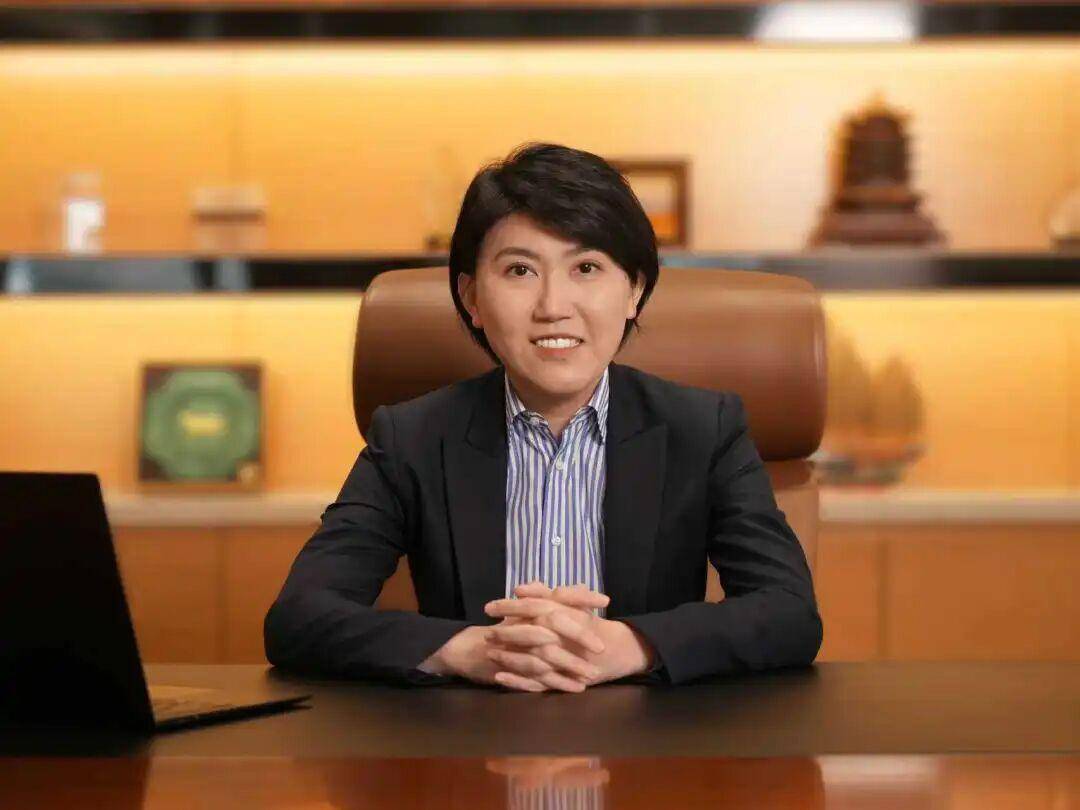
达利食品创始人之女许阳阳接任总裁:“80后”毕业于厦大,从基层做起曾主导公司上市
Sou Hu Cai Jing· 2025-11-14 09:18
Core Viewpoint - Dali Food Group has successfully completed a generational transition with Xu Yangyang officially taking over as president, following the legacy of her father Xu Shihui, amidst challenges in performance and market dynamics [1][5]. Group 1: Company Overview - Dali Food Group, founded in 1989, has evolved into a major player in the food industry with nearly 20 billion yuan in annual revenue, focusing on both food and beverage sectors [1]. - The company’s brand portfolio includes well-known names such as "Dali Garden" pastries, "Haochidian" biscuits, "Kebike" chips, and "Heqizheng" herbal tea [1]. - Dali Food was listed on the Hong Kong Stock Exchange in 2015, and the Xu family was recognized as the richest in Fujian province from 2016 to 2019 [1]. Group 2: Leadership Transition - Xu Yangyang, born in 1983, has been with Dali Food for 17 years, gaining extensive experience across various roles, including management, production, and brand operations [1][3]. - She has been instrumental in significant company milestones, including leading the successful IPO in 2015, which was the largest consumer goods IPO that year [3]. Group 3: Strategic Challenges and Opportunities - Dali Food has faced declining revenue from 2020 to 2022, with figures of 20.96 billion yuan, 22.29 billion yuan, and 19.96 billion yuan respectively, alongside a drop in net profits [5]. - The company is now focusing on revitalizing its brand image and exploring new growth avenues to overcome stagnation, particularly in light of a recent decline in revenue to 18.07 billion yuan in 2024 [5]. - Xu Yangyang is tasked with executing the company's overseas expansion strategy, which has established production bases in Indonesia, Thailand, Vietnam, and Saudi Arabia [3].
八马茶业港股上市AB面:资本热捧股价狂涨86%,但业绩却增不动了,加盟商也在减少
Sou Hu Cai Jing· 2025-10-28 14:53
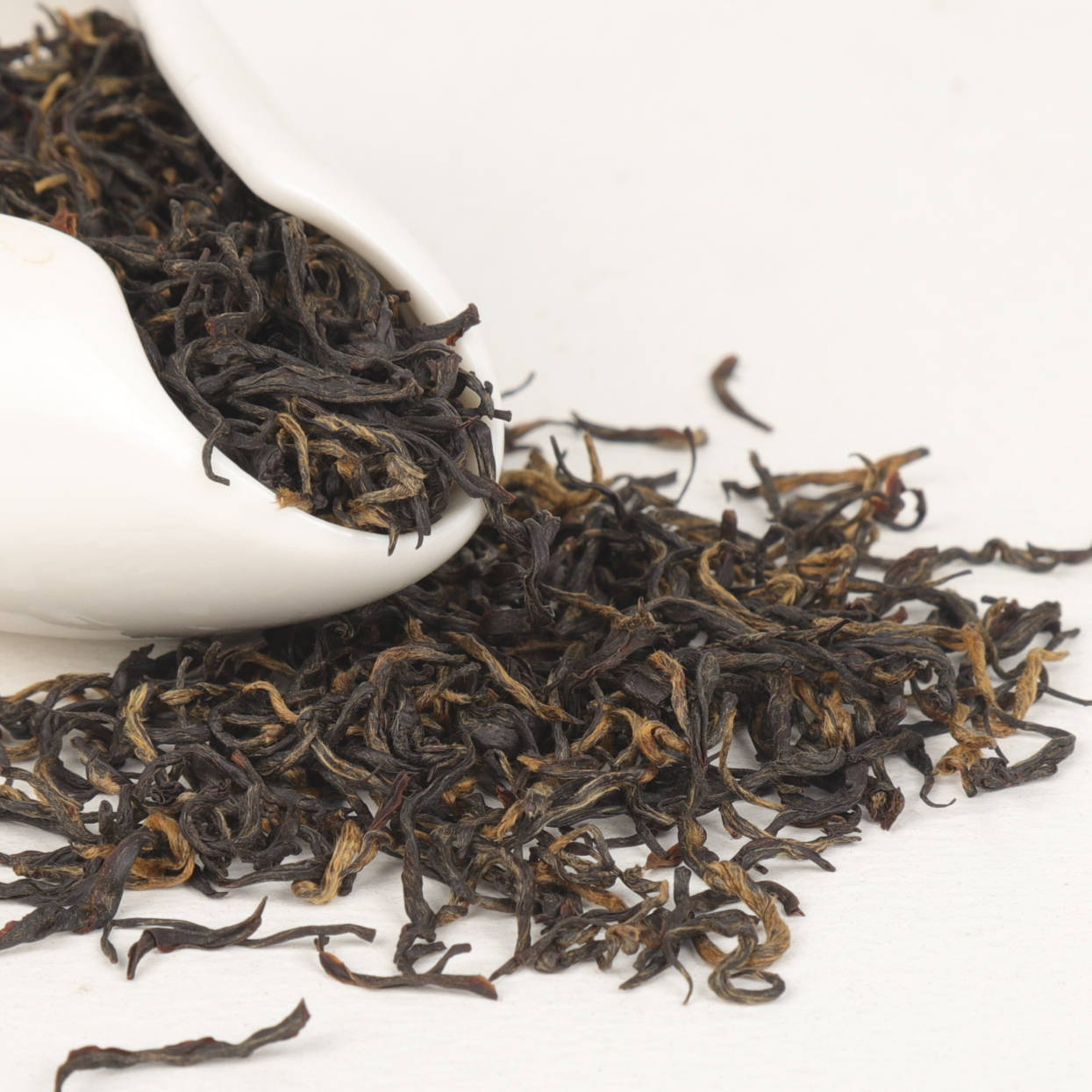
Core Points - Eight Horses Tea has successfully completed its IPO after 13 years of efforts, with shares starting trading on October 28, 2023, and experiencing a significant price increase of 86.70% by the end of the trading day [2][4] - The company raised approximately HKD 390 million through the global offering, with a total of 9 million shares issued, of which 90,000 shares were available for public offering in Hong Kong, resulting in a subscription rate of 2,680.04 times [2][5] Company Overview - Founded in 1997 by the Wang brothers, Eight Horses Tea has developed a comprehensive product matrix covering various types of tea and related products, with tea sales accounting for 86.5% to 90.2% of total revenue from 2022 to the first half of 2025 [5][6] - According to a report by Frost & Sullivan, Eight Horses Tea ranks first in the Chinese tea market by the number of tea chain stores and also leads in the high-end tea market by sales revenue [5] Market Position and Challenges - The IPO's positive reception is attributed to the overall increased interest in domestic tea brands following the listing of other companies like Mixue Ice Cream [4] - Despite being a leading player, Eight Horses Tea faces challenges in expanding its market share, as it holds only 1.7% of the high-end tea market, with the top five players collectively holding just 5.6% [8][11] Financial Performance - The company has invested heavily in marketing, spending approximately HKD 875 million on advertising over three and a half years, yet its revenue growth has been modest, with 2023 revenue growth slowing to single digits [9][12] - In the first half of 2025, the company reported a revenue decline of about 4.2% year-on-year, with net profit decreasing by approximately 17.8% [12][13] Franchise and Distribution Challenges - Eight Horses Tea's sales heavily rely on franchise stores, which accounted for about 50% of total revenue from 2022 to the first half of 2025 [13][14] - The growth of franchise numbers has slowed significantly, with a net increase of only 50 franchisees in 2024 and a decrease of 24 in the first half of 2025 [14][16] - Legal challenges from former franchisees may further complicate the company's operational landscape [16]
斯凯奇“卖身”退市背后:关税风暴与业绩增长瓶颈的双重压力
Nan Fang Du Shi Bao· 2025-05-07 10:29
Core Viewpoint - Skechers has accepted a premium acquisition offer from 3G Capital amid increasing global trade tensions, with the deal valued at over $9 billion, representing a 30% premium over the stock's recent trading price [1][3]. Group 1: Acquisition Details - 3G Capital will acquire all outstanding shares of Skechers at $63 per share in cash, with an option for existing shareholders to receive $57 per share plus non-transferable equity in a newly formed parent company [3]. - Following the acquisition, Skechers will delist from the NYSE and operate as a private company, maintaining its headquarters, management, and core strategies, with founder Robert Greenberg continuing as Chairman and CEO [3]. - The transaction is expected to close in the third quarter of 2025 [3]. Group 2: Business Context and Risks - The acquisition timing is closely linked to changes in trade policies, as Skechers withdrew its full-year guidance for 2025 due to economic uncertainties stemming from global trade policies [4]. - Skechers has indicated that over 60% of its imported products come from Asia, making it vulnerable to rising procurement costs due to tariffs, which have pressured profit margins [4][5]. - The company reported a 16% year-over-year decline in sales in key markets like China, attributed to the rise of local brands and tariff pressures [5][6]. Group 3: Financial Performance - In Q1 2025, Skechers reported revenue of $2.41 billion, a 7.1% increase year-over-year, but net profit decreased by 2.0% to $202.4 million [6][8]. - The gross margin for Q1 2025 was 52%, down 0.5 percentage points from the previous year, reflecting challenges in maintaining pricing power amid rising costs [6][7]. - Sales growth varied by region, with Europe, the Middle East, and Africa seeing a 14% increase, while the Americas grew by 8%, and the Asia-Pacific region experienced a 3% decline, primarily due to the significant drop in China [8][9].