
个人信用救济

Search documents
推出“个人信用救济”政策将产生诸多积极金融影响
Guo Ji Jin Rong Bao· 2025-11-06 15:49
Core Viewpoint - The People's Bank of China is planning to implement a one-time personal credit relief policy aimed at improving the credit system by shifting from strict credit punishment to a balance of punishment and repair, which reflects progress in credit system construction and social governance [1] Group 1: Policy Benefits - The policy embodies a "flexible and rigid" principle in personal credit management, making it more humane and allowing for differentiation in types of defaults, which previously lacked clarity [2] - It provides opportunities for credit repair for individuals who defaulted due to non-subjective reasons, helping to break the cycle of "once in default, always restricted" [2][3] - The policy encourages individuals to repay overdue debts, signaling that credit can be restored if obligations are met, thus reducing conflicts between banks and customers [3] Group 2: Economic Impact - The policy is expected to stimulate the repayment willingness of individuals, improve bank asset quality, and resolve conflicts between banks and customers, optimizing financial resource allocation [5] - It will enhance consumer confidence in credit services, potentially increasing credit demand and contributing to economic recovery by boosting consumption and internal demand [5]
个人征信修复新政将落地,符合条件的逾期记录不予展示
Di Yi Cai Jing· 2025-10-30 12:42
Core Viewpoint - The People's Bank of China is set to implement a one-time personal credit relief policy in early 2026, aimed at addressing the credit repair needs of individuals affected by the pandemic, specifically those who have fully repaid loans but have negative credit records due to defaults during the pandemic [1][2]. Group 1: Policy Details - The new policy will not display default information in the credit system for individuals who meet specific criteria, including having default amounts below a certain threshold and having fully repaid their debts [1][2]. - The policy is designed to provide a "reset" opportunity for individuals with "non-malicious" defaults, allowing them to regain eligibility for housing loans, auto loans, and business loans, which is expected to positively impact domestic demand and employment stability [1][2][3]. Group 2: Implementation and Impact - The credit relief policy will be implemented through a technical process where qualifying default information will not be deleted but will be marked as "not displayed" in the credit system [4]. - This initiative is anticipated to improve the financing environment for individuals, encouraging them to clear outstanding debts and thus stimulating economic activity by restoring consumer credit [3][5]. - Financial institutions are expected to benefit from this policy as it may help recover overdue loans and improve asset quality by re-engaging previously defaulting clients [6]. Group 3: Regulatory Context - The credit relief policy reflects a shift towards a more humane financial system, balancing the rigid constraints of the credit system with the financial difficulties faced by individuals in the post-pandemic era [3][6]. - It is emphasized that this policy is not a "credit wash" but a structured and conditional relief mechanism, distinguishing it from misleading practices in the market that claim to offer credit repair services [6].
个人信用救济为信用重生打开关键之门
第一财经· 2025-10-28 15:13
Core Viewpoint - The People's Bank of China (PBOC) is set to implement a one-time personal credit relief policy in early next year, aimed at helping individuals who have defaulted on loans due to uncontrollable factors, particularly during the pandemic [2][3]. Group 1: Personal Credit System - The personal credit system in China is still under development compared to the corporate credit system, which is more established and systematic [2][3]. - The current personal credit system primarily focuses on credit record establishment, while the management and relief processes are still in the early stages of development [3]. Group 2: Impact of Credit Relief Policy - The upcoming credit relief policy will not display default information for individuals who have repaid loans below a certain amount, facilitating credit record restoration and potentially stimulating economic recovery [3][4]. - This policy is expected to unlock significant potential in consumer finance and retail finance, allowing for market-based pricing of individual credit and improving access to financial services [4]. Group 3: Broader Economic Context - The government, enterprises, and residents are all facing balance sheet issues, with government debt resolution efforts showing initial success [4][5]. - The most challenging aspect of debt resolution currently lies within the resident sector, where the financial service system for individuals is still developing and lacks depth and breadth [5]. Group 4: Future Considerations - Beyond the personal credit relief policy, further institutional and market development is needed for individual debt resolution, including multi-tiered personal financial market systems and compensation mechanisms for innocent victims [5]. - The personal credit relief initiative symbolizes a hope for credit rebirth, emphasizing the importance of allowing individuals to pursue their dreams despite past mistakes [5].


一财社论:个人信用救济为信用重生打开关键之门
Di Yi Cai Jing· 2025-10-28 13:25
Core Viewpoint - The People's Bank of China (PBOC) is set to implement a one-time personal credit relief policy in early 2025, aimed at helping individuals restore their credit records affected by the pandemic and other factors, thereby stimulating economic vitality and consumer confidence [2][3][4]. Group 1: Personal Credit System - The personal credit system in China is still under development compared to the corporate credit system, focusing primarily on credit record establishment rather than management and relief [2][3]. - The slow update of the personal credit system has led to individuals facing long-term consequences from past credit issues, hindering their access to financial services and opportunities for recovery [3][4]. Group 2: Economic Implications - The implementation of the personal credit relief policy is expected to unlock significant potential in consumer finance and retail finance, allowing for market-based pricing of individual credit and facilitating easier access to financial support [4][5]. - The relief policy is seen as a step towards economic rebirth, promoting a culture of risk-taking and entrepreneurship, which is crucial for the overall economic landscape [3][4][6]. Group 3: Debt Resolution Challenges - The most challenging aspect of debt resolution currently lies within the household sector, where the financial service system is still developing and lacks depth and breadth [5]. - The personal credit relief initiative is just the beginning of a larger effort to address individual debt issues, necessitating further institutional and market developments to support personal financial recovery [5][6].
个人征信修复将迎新政!快速删除不良记录有两大前提
2 1 Shi Ji Jing Ji Bao Dao· 2025-10-28 10:01
Core Viewpoint - The People's Bank of China is implementing a one-time personal credit relief policy to help individuals who defaulted on loans during the pandemic, allowing for the removal of certain negative credit records if the loans have been repaid [1][3][4]. Group 1: Policy Details - The new policy will not display personal default information in the credit system for individuals who have defaulted on loans below a certain amount and have repaid them [1][4]. - This initiative is seen as a remedy to the traditional credit system, addressing the pain points of personal credit and stimulating consumer credit potential [3][4]. - The policy is expected to be executed in early next year after necessary technical preparations by the People's Bank of China and financial institutions [1]. Group 2: Conditions for Credit Repair - To qualify for credit repair, individuals must meet two conditions: the default amount must be within a specified range, and the related loans must be fully repaid [4]. - The policy is described as a "credit amnesty" for those who faced genuine difficulties due to the pandemic [4]. Group 3: Current Credit Reporting Issues - The current regulation states that negative credit information is retained for five years, which can severely limit individuals' access to financial services [6][7]. - There are concerns that the five-year retention period is no longer suitable given the current economic environment, as it hinders consumer credit repair and reintegration into the financial system [7][8]. Group 4: Recommendations for Credit Management - Experts suggest that the management mechanism for retaining negative credit information should be adjusted to reflect changes in the credit market and consumer behavior [10]. - There is a call for differentiated treatment of negative information based on loan types to avoid a one-size-fits-all approach [10]. Group 5: Broader Implications for Social Credit System - The focus on personal credit repair reflects broader efforts to enhance the social credit system, which is crucial for effective resource allocation and a favorable business environment [11]. - Recent regulatory efforts have aimed at improving the classification and management of negative credit information, indicating a shift towards a more nuanced approach [11][12].
事关债市、稳定币、个人征信等 潘功胜称多项政策举措即将实施
Bei Ke Cai Jing· 2025-10-27 14:29
Core Viewpoint - The People's Bank of China (PBOC) will maintain a supportive monetary policy stance, implementing moderately loose monetary policies and utilizing various tools to ensure liquidity arrangements across short, medium, and long terms [1] Group 1: Monetary Policy and Market Operations - The PBOC plans to resume open market operations for government bonds, which were previously suspended due to imbalances in supply and demand and accumulated market risks [2] - The resumption of government bond trading is seen as a significant measure to enhance the financial function of government bonds and improve the pricing capabilities of financial institutions [2][3] Group 2: Digital Currency and Virtual Currency Regulation - The PBOC aims to optimize the management system for digital currency and will continue to combat domestic virtual currency speculation [4] - The central bank has established international and operational centers for digital currency in Shanghai and Beijing, respectively, to promote its development [4] - The PBOC will work with law enforcement to address the risks associated with virtual currency trading and maintain financial order [4] Group 3: Credit Repair Policies - The PBOC is researching policies to support individuals in repairing their credit, particularly for those who have defaulted due to uncontrollable circumstances like the COVID-19 pandemic [6] - A one-time credit relief policy is being considered for individuals who have repaid loans but still have negative credit records [6] Group 4: Macro-Prudential Management - The PBOC will enhance its macro-prudential management framework to prevent systemic financial risks, focusing on monitoring and assessing financial risks [7][8] - The central bank plans to strengthen regulations on systemically important banks and improve the management of cross-border capital flows [8][9] - There will be an emphasis on improving the legal framework for macro-prudential management to ensure effective governance [9]
央行行长潘功胜:将恢复公开市场国债买卖操作
Zhong Guo Jing Ying Bao· 2025-10-27 14:23
Group 1 - The People's Bank of China (PBOC) has suspended government bond trading due to significant supply-demand imbalance and accumulated market risks, but plans to resume operations as the bond market is currently stable [1] - The PBOC's implementation of government bond trading in the secondary market last year was aimed at enriching monetary policy tools, enhancing the financial function of government bonds, and improving the pricing capabilities of financial institutions [1] - The PBOC will conduct flexible two-way operations in government bond trading to ensure smooth monetary policy transmission and stable financial market operations [1] Group 2 - The PBOC's credit reporting system has played a crucial role in building the social credit system and preventing financial risks over the past 20 years [2] - Due to the impact of the COVID-19 pandemic, some individuals have overdue debts that, despite being repaid, continue to affect their credit records [2] - The PBOC is researching a one-time personal credit relief policy to help individuals repair their credit records, which will exclude certain overdue information from the credit reporting system if the loans have been repaid [2]
潘功胜:研究实施支持个人修复信用的政策措施,计划明年初执行
第一财经· 2025-10-27 10:20
Core Viewpoint - The People's Bank of China is researching and implementing policies to support individuals in repairing their credit records, particularly in light of the financial impacts caused by the COVID-19 pandemic [1]. Group 1: Credit System and Its Importance - The credit reporting system operated by the People's Bank of China is a crucial financial infrastructure that records financial default behaviors of both enterprises and individuals, aiding financial institutions in risk assessment and business operations [1]. - Over the past 20 years, this system has played a significant role in building China's social credit system and preventing financial risks [1]. Group 2: Policy Measures for Credit Repair - The current regulation states that default records in the credit system remain for five years [1]. - Due to the pandemic and other uncontrollable factors, some individuals have experienced debt defaults, which continue to affect their economic lives even after full repayment [1]. - To assist individuals in expediting the repair of their credit records, the People's Bank of China is considering a one-time personal credit relief policy. This policy would exclude certain default information from the credit system for individuals who have defaulted on loans below a specified amount and have since repaid them [1]. - The implementation of this measure is planned for early next year, following necessary procedures and technical preparations in collaboration with financial institutions [1].
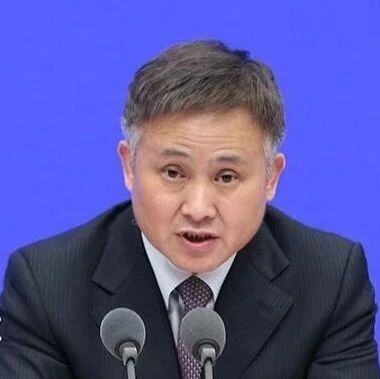
潘功胜:目前债市整体运行良好,央行将恢复公开市场国债买卖操作
Feng Huang Wang· 2025-10-27 09:25
Group 1: Monetary Policy and Bond Market - The People's Bank of China (PBOC) has initiated bond trading operations in the secondary market to enhance monetary policy tools and improve the pricing benchmark role of government bonds [1] - The PBOC has flexibly conducted both buying and selling operations of government bonds to ensure smooth monetary policy transmission and stable financial market operations [1] - Due to significant pressure from imbalances in bond market supply and demand, the PBOC suspended bond trading earlier this year but plans to resume operations as the market stabilizes [1] Group 2: Virtual Currency Regulation - The PBOC will continue to combat the operation and speculation of virtual currencies, particularly stablecoins, which are seen as posing financial risks [2] - International financial organizations and central banks have expressed cautious views on the development of stablecoins, highlighting issues such as inadequate customer identification and anti-money laundering measures [2] - The PBOC has issued multiple policy documents since 2017 to mitigate risks associated with virtual currency trading, which remain effective [2] Group 3: Personal Credit Repair Policies - The PBOC is researching policies to support individuals in repairing their credit, particularly those affected by the COVID-19 pandemic [3] - The credit reporting system operated by the PBOC has played a crucial role in building the social credit system and preventing financial risks over the past 20 years [3] - A proposed one-time personal credit relief policy aims to exclude certain overdue records from credit reports for individuals who have repaid loans, set to be implemented early next year [3] Group 4: Digital Currency Management - The PBOC plans to optimize the management system for digital currency and support more commercial banks in becoming operational entities for digital currency [4] - A digital currency international operation center has been established in Shanghai to facilitate cross-border cooperation and usage [4] - A digital currency operation management center has been set up in Beijing to oversee the construction, operation, and maintenance of the digital currency system [4]