中国传统色

Search documents
“打捞”传统色里的中国故事(新语)
Ren Min Ri Bao· 2025-06-16 22:13
与此同时,我们着重寻找影响世界的中国传统色印记。比如,西汉时期由西域传入的红花,不仅缔造 了"红花颜色掩千花"之色,更是随中国服饰文化传到了东亚其他国家。 近一个世纪以来,一些传统色彩日渐式微。在创作上,我们也追踪并记录下即将消失的色彩标本,让观 众了解色彩背后的历史。团队多方寻觅,辗转多个地区,最后在云南边境找到两位掌握原始染色工艺的 耄耋老人。除了她们,当地已无人知晓用于医学和工业用途的紫胶虫,原来从魏晋时期起一直用作染 色。 在拍摄过程中,我们每每被传统色打动。摄影团队以敬仰的心,把色彩呈现到极致:大量采用肩扛的方 式拍摄,让画面呈现出身临其境的沉浸感和仪式感。在镜头凝视中,用蒙太奇的影像设计,辅以沉稳不 失灵动的音乐,重现了色彩带来的丰富感受:简单的一抹红色,在光影和运动中,会让人联想到锣鼓喧 天的喜庆;多巴胺色彩的呈现,让观众感到同频的愉悦心情。 北京东五环辅路,一排黄栌绽放着一丛丛云雾般的花朵。记得去年也是这个时节,人文纪录片《寻色中 国》刚开始拍摄试片,在专家指导下,我们方才明白,一直熟视无睹身边的这些小灌木,居然曾经是用 于染色的植物。 是的,世界就是这般奇妙。镜头前,永远有未知的领域,等着我 ...
千年经典向新行丨绿植成绿、苏木提红 一草一木染出惊艳“中国色”
Yang Shi Xin Wen Ke Hu Duan· 2025-05-05 13:04
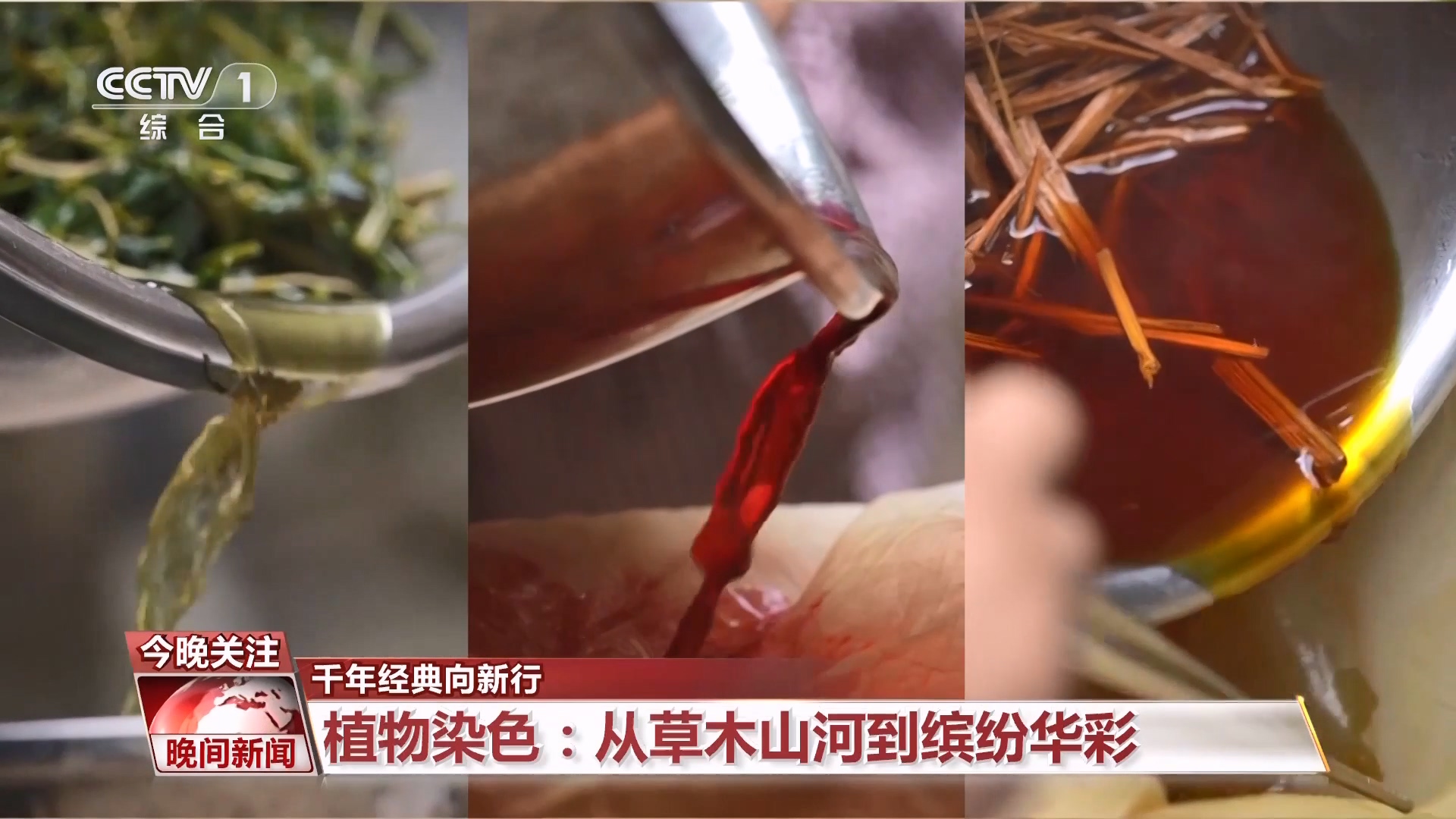
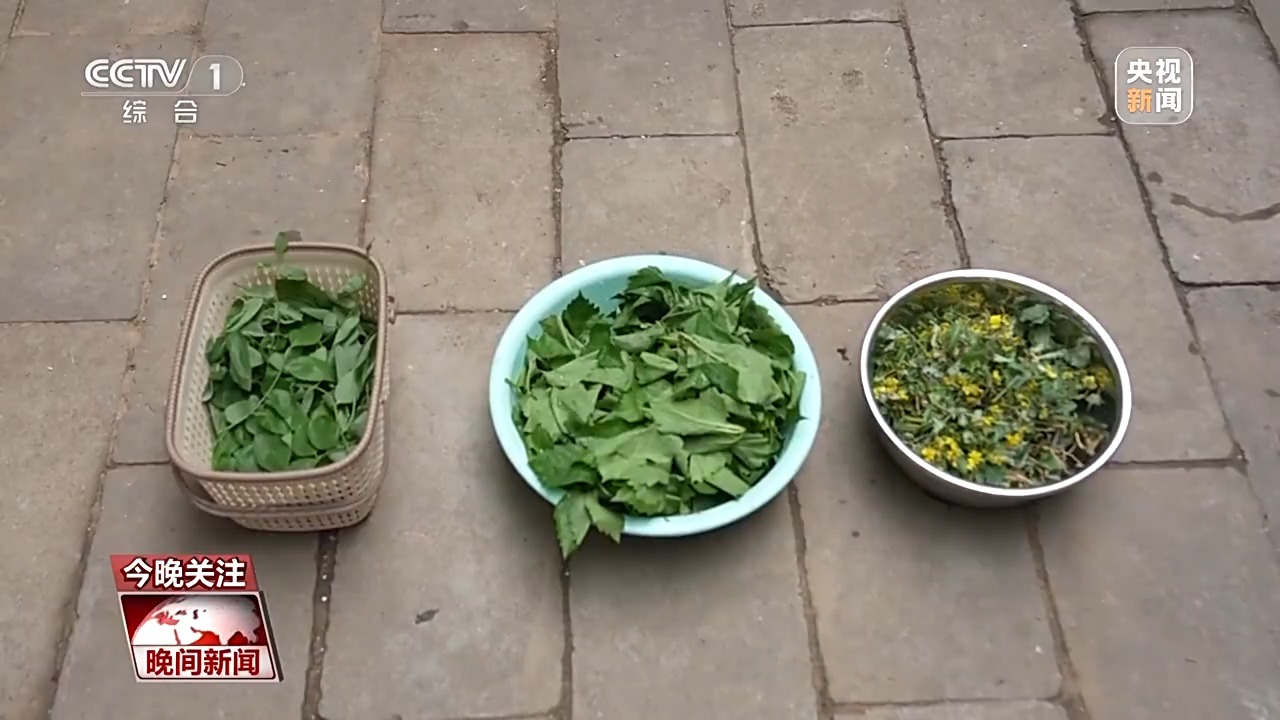
色彩,是人类最直观、最通用的视觉信号。千百年来,中国人在天地万物间寻觅色彩、从山河草木中提取色彩,漫长岁月浸染中,逐步形成了具有鲜明文化 特征的色彩美学。一起走近非遗技艺植物染,看身边的一草一木,如何晕染出五彩缤纷。 绿植成绿,苏木提红,黄栌取黄。非遗项目"传统植物染料染色"代表性传承人黄荣华,正在教学徒们怎么用植物染色。 第一步,先从采花摘草开始。 千百年来,中国古代先民在生产生活中形成了具有鲜明文化特征的色彩美学。这些色彩,取材于植物和天然矿物,被记录在古代文献中,保存于文物古迹 上。 "雨过天青云破处,这般颜色做将来","晕如雨后霁霞红,西方宝石难致同"。取自苔藓的色彩"苔绿",在织物上焕发生机;鲜嫩的"鹅黄",源自初生的小 鹅,成为生活的一抹亮色。 为了让这些色彩从写意走向精确,在纺织品领域,今年3月,中国纺织信息中心发布《中国传统色应用色卡》,经植物染工艺验证,结合专家团队考证比照 历史文献和文物,用计算机系统量化RGB(红绿蓝)值和色相、明度、饱和度等指标,首批收录了216个常用传统色彩。 第二步,剪切洗净,再煮水过滤。不同植物,煮的时间长短,火候大小,都会影响染色效果。 到了浸染环节,时间要精确 ...

千年经典向新行|从草木山河到缤纷华彩 植物染色中的中国色彩美学
Yang Shi Wang· 2025-05-04 16:40
Core Viewpoint - The article highlights the significance of traditional plant dyeing techniques in China, emphasizing their cultural heritage and the meticulous process involved in creating vibrant colors from natural materials [1][7][11]. Group 1: Traditional Plant Dyeing Techniques - The process of traditional plant dyeing involves several steps, including harvesting plants, cleaning, and boiling them to extract colors, with specific attention to timing and temperature [3][5]. - Huang Ronghua, a representative inheritor of this non-material cultural heritage, teaches apprentices how to use various plants to achieve different colors, such as green from climbing plants and yellow from the yellow-leafed tree [3][5]. Group 2: Historical Context - The art of dyeing has been practiced in China for thousands of years, with historical records indicating its origins dating back to the Yellow Emperor, who used plant juices for dyeing [7]. - Throughout history, specialized dyeing roles and institutions have been established, such as the "Dyeing Department" during the Qin Dynasty and "Dyeing Offices" in the Tang and Song Dynasties [7]. Group 3: Cultural Significance and Modern Applications - Traditional colors derived from plants and minerals reflect the ancient Chinese people's observations of the universe, creating a natural aesthetic that is distinct from synthetic dyes [11]. - Recent initiatives, such as the release of the "Chinese Traditional Color Application Color Card," aim to quantify and preserve these colors for modern applications in textiles, fashion, and industrial products [12]. - The integration of traditional colors into contemporary design, including electric vehicles and media productions, showcases the ongoing relevance and appeal of Chinese color aesthetics [14].