
中国力量

Search documents
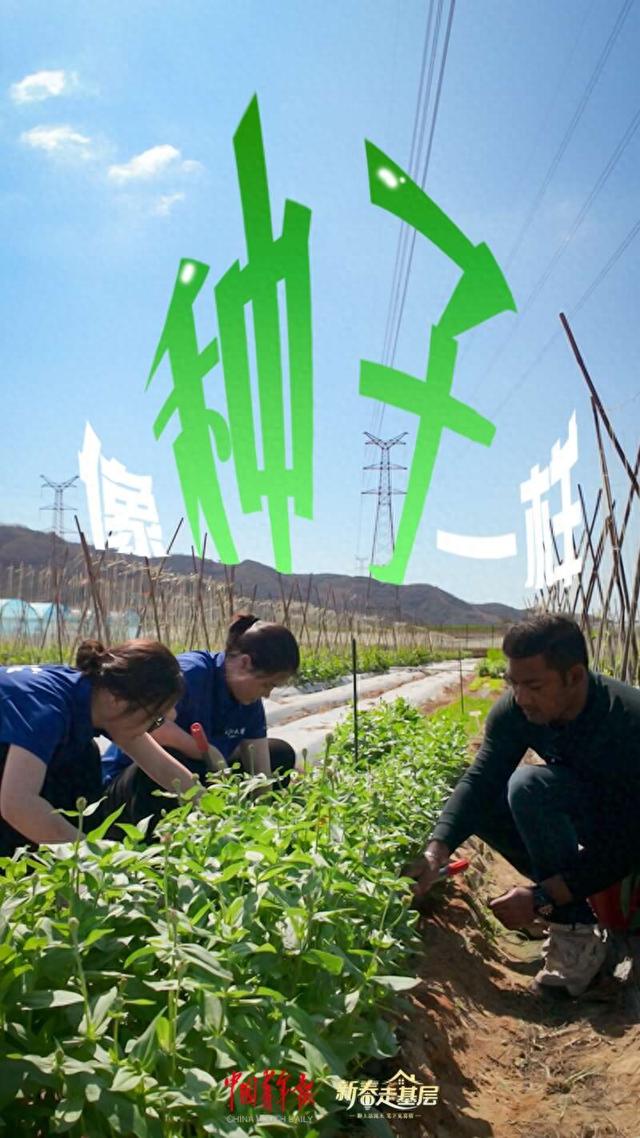
新春走基层|一场社区春晚后,外国青年为何追着种子下田?
Xin Lang Cai Jing· 2026-02-19 06:36
Group 1 - The core message highlights the significance of agricultural research and development in Hainan, particularly in the context of the South Breeding Technology City, which plays a crucial role in ensuring food security in China [1][2] - The narrative emphasizes the dedication of researchers, including young scientists and seasoned academicians, who work tirelessly under challenging conditions to develop resilient crop varieties, such as pest-resistant cowpeas [1][2] - The experience of international students, like Zaman from Bangladesh, illustrates the global recognition of China's agricultural advancements and the human effort behind food production [1][2] Group 2 - The phrase "scientific research is never glamorous" reflects the humble and rigorous nature of agricultural research, where even esteemed scientists engage in hands-on work in the fields [2] - The collective efforts of ordinary individuals in the agricultural sector contribute to the broader goal of stabilizing China's food supply, showcasing a grassroots movement towards agricultural innovation [2]

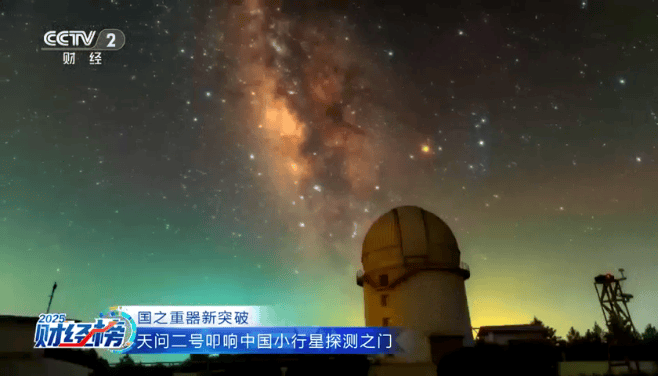
上天入地、钻山探海,2025年我国多个“大国重器”迎高光时刻!
Sou Hu Cai Jing· 2025-12-31 16:12
Group 1: Agricultural Innovation - In 2025, Yunnan Academy of Agricultural Sciences will launch over a thousand new "Chinese-style" rose cut flower varieties, aiming to embed "Chinese core" into fresh flowers [1] Group 2: Aerospace Advancements - China's aerospace sector is experiencing "technological breakthroughs" and "scale explosion," highlighted by the successful launch of the Tianwen-2 probe and the "one rocket, nine satellites" mission, marking a significant step in international business [3] Group 3: Deep-Sea Technology - In 2025, China's manned submersible application level will continue to improve, with the "Jiaolong" submersible completing its first dive in the Arctic and two large dredging vessels launched, setting records in dredging depth and capacity [5] Group 4: Energy Technology - A 26 MW offshore wind turbine developed in China successfully connected to the grid, capable of generating 100 million kWh annually, and the "Hualong One" nuclear power unit in Fujian has also successfully connected to the grid, with an expected annual output of 20 billion kWh [7] Group 5: Manufacturing Strength - China's self-developed large-diameter shield tunneling machine and the AG600 amphibious aircraft have entered mass production, while the CR450 high-speed train prototype has set a new speed record of 453 km/h, showcasing advancements in manufacturing capabilities [9] Group 6: Scientific Research - The Jiangmen neutrino experiment has successfully completed the infusion of 20,000 tons of liquid scintillator, becoming the first large-scale neutrino facility, and the AIMS telescope has been accepted for operation, enhancing solar magnetic field observation [11]
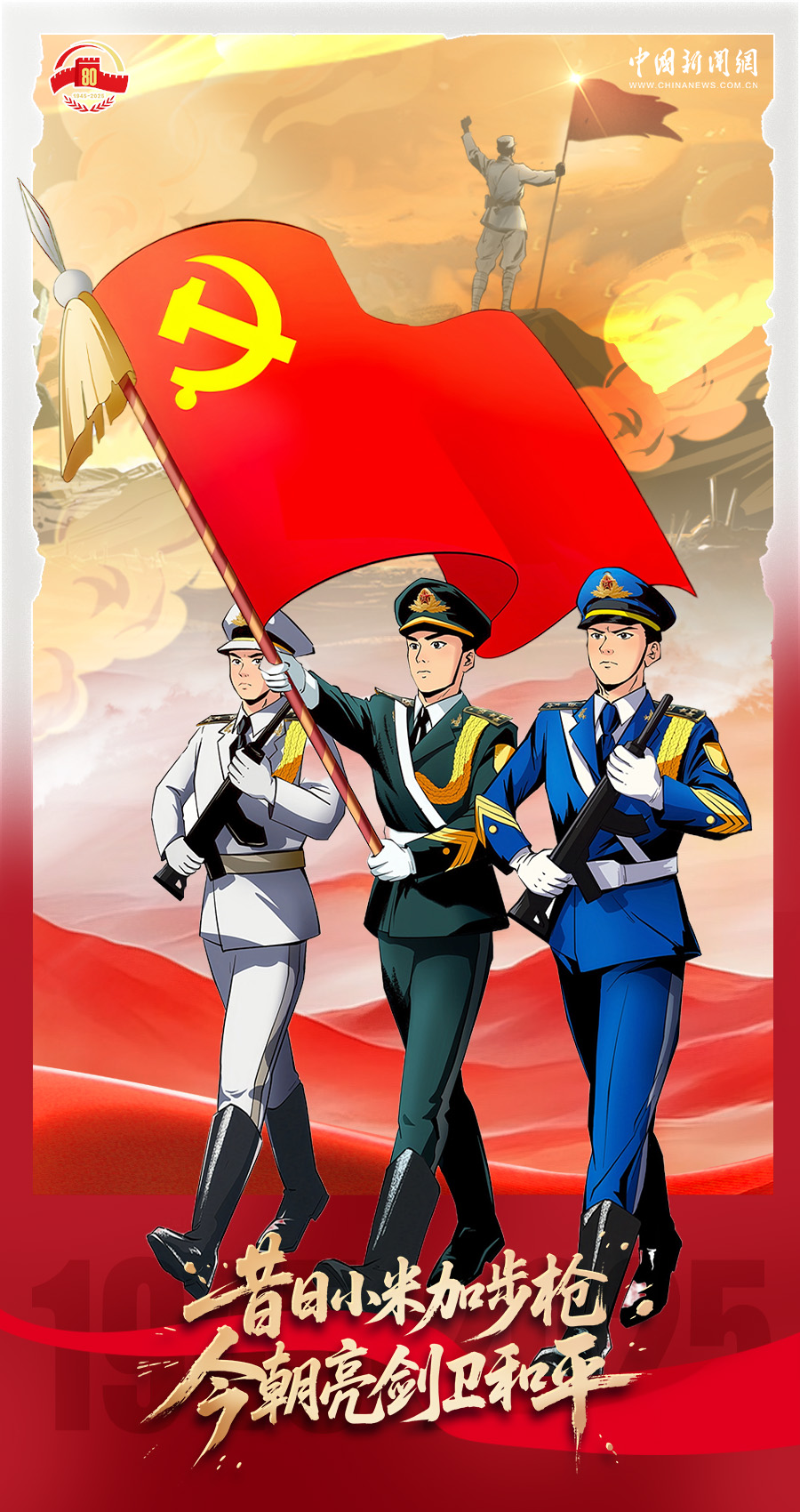
忆峥嵘看今朝,致敬不屈的中国力量
Zhong Guo Xin Wen Wang· 2025-09-03 13:42
Core Points - The article commemorates the 80th anniversary of the victory in the Chinese People's Anti-Japanese War and the World Anti-Fascist War, highlighting China's strength and determination to uphold world peace and lead human civilization progress [1]. Group 1 - The grand military parade held on September 3 at Tiananmen Square and Chang'an Avenue marks the significant historical event [1]. - The article reflects on the transformation of China over the past 80 years, emphasizing its resilience and capability to face challenges [1]. - A cartoon series is mentioned that pays tribute to the historical struggles and the indomitable spirit of the Chinese people [1].
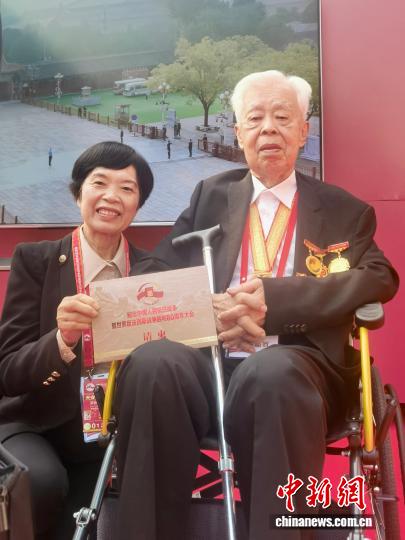
(抗战胜利80周年)香港观礼老战士:“再也不用担心被别人欺负”
Zhong Guo Xin Wen Wang· 2025-09-03 13:35
Core Points - The 80th anniversary of the victory in the Chinese People's War of Resistance Against Japanese Aggression and the World Anti-Fascist War was celebrated in Beijing, showcasing national strength and pride among attendees [1][3][5]. Group 1: Event Overview - The commemorative event took place on September 3, featuring a grand ceremony and military parade in Tiananmen Square [1][5]. - Attendees expressed feelings of pride and emotional responses, particularly during the national anthem and flag-raising ceremony [5][7]. Group 2: Personal Reflections - Veteran Luo Jinghui, aged 94, reflected on the strength of the nation, stating, "We no longer have to worry about being bullied" [3]. - Luo's daughter noted his happiness and pride in witnessing the advancements in military capabilities [3]. - Hong Kong representatives, including Li Shengpo and Ling Youshi, shared their emotional experiences and emphasized the importance of remembering history and honoring sacrifices made for national defense [5][7]. Group 3: National Strength and Peace - Officials highlighted that China has never initiated a war or occupied foreign land since its founding, emphasizing the military parade as a tribute to heroes and a commitment to peace [7]. - The event was described as a demonstration of China's strength and contributions to global peace, with attendees expressing pride in the country's technological advancements and military capabilities [7].
新华全媒+丨倾听澎湃的时代战歌——重温80年前抗日沙场的激越旋律
Xin Hua She· 2025-07-08 16:37
Core Viewpoint - The article commemorates the 80th anniversary of the victory in the Anti-Japanese War, highlighting the significance of wartime songs that united the Chinese people and inspired their resistance against foreign aggression [1][9]. Group 1: Historical Context - The Anti-Japanese War (1931-1945) was a critical period for China, during which numerous patriotic songs emerged, serving as a source of national strength and unity [1][9]. - The song "The Song of the Eight Hundred Heroes" was inspired by the heroic actions of the "Eight Hundred Heroes" who defended the Sihang Warehouse for four days and nights, symbolizing the awakening of Chinese confidence against the Japanese army [3][5]. Group 2: Key Figures and Contributions - Composer Xian Xinghai created "The Yellow River Cantata" after being inspired by the experiences of the poet Guang Weiran, who wrote a long poem based on his experiences during the war [4][11]. - The song "The Eight Route Army March" was composed by Zheng Lucheng and Gu Mu, later renamed "The People's Liberation Army March," and became the official song of the Chinese People's Liberation Army [13]. Group 3: Impact of Wartime Songs - Wartime songs played a crucial role in boosting morale among soldiers and the general populace, with Mao Zedong stating that "one anti-Japanese song is worth two divisions of troops" [9][11]. - The enduring legacy of these songs continues to inspire and awaken patriotic sentiments among generations of Chinese people [11][12].