
中国威胁

Search documents
外交部:反对拿中国作为谋取私利的借口
中国能源报· 2026-01-22 08:05
Group 1 - The Chinese Ministry of Foreign Affairs spokesperson emphasized that China consistently advocates for handling international relations in accordance with the purposes and principles of the United Nations Charter [1] - The spokesperson rejected the notion of a "China threat" as unfounded and opposed using China as a pretext for pursuing personal interests [1]


外交部:反对拿中国作为谋取私利的借口
Xin Hua She· 2026-01-22 07:30
Group 1 - The core viewpoint of the article emphasizes China's stance on international relations, advocating for adherence to the principles of the United Nations Charter [1] - The Chinese government firmly opposes the notion of a "China threat," labeling it as unfounded and a pretext for pursuing private interests [1]
英国首相紧锣密鼓筹备访华
Xin Lang Cai Jing· 2026-01-14 04:08
Group 1 - UK Prime Minister Starmer is planning a visit to China, which would be his first since taking office, and is seeking to bring business leaders along, contingent on the approval of a new Chinese embassy project in London [1][2] - The UK government is expected to approve the embassy project before Starmer's visit, as there have been no formal objections from UK intelligence agencies, which is seen as a security advantage [2] - The UK economy is currently facing growth challenges, with a significant portion of businesses reducing investment plans and a general lack of confidence in economic recovery [3] Group 2 - Starmer's government aims to improve relations with China while balancing concerns about national security, indicating a more business-friendly approach without compromising safety [3] - The Chinese embassy has faced scrutiny from some UK media regarding alleged security risks associated with its construction, although these claims are disputed by experts [2][3] - The Chinese government has reiterated its stance against unfounded accusations and emphasized the importance of mutual respect and non-interference in internal affairs for the development of UK-China relations [3]
哥媒:美驻哥大使上任就炒“中国威胁”
Xin Lang Cai Jing· 2026-01-07 04:54
Core Viewpoint - The new U.S. Ambassador to Costa Rica, Melinda Hilderbrand, has emphasized the so-called "China threat" upon her arrival, aligning with U.S. government policies aimed at disrupting normal cooperation between Latin American countries and China [1][2] Group 1: U.S. Positioning in Latin America - Hilderbrand's statements reflect the U.S. government's strategy to maintain its dominance in the Western Hemisphere, as outlined in the National Security Strategy Report released in December [2] - The U.S. aims to suppress leftist governments in Latin America and curb the influence of other major powers, particularly China, through various means including political, economic, military, and media strategies [2] Group 2: Costa Rica's Diplomatic Relations - Costa Rica has historically balanced its relations between Washington and Beijing since establishing diplomatic ties with China in 2007, engaging in numerous economic cooperation projects [1] - Recent U.S. administrations have urged Costa Rica to exercise caution in its relationship with China, indicating a shift in diplomatic dynamics [1]
哥斯达黎加媒体:美驻哥大使上任就炒作所谓“中国威胁”
Huan Qiu Shi Bao· 2026-01-06 22:56
Core Viewpoint - The new U.S. Ambassador to Costa Rica, Melinda Hilderbrand, has emphasized the so-called "China threat" upon her arrival, aligning with U.S. government policies aimed at disrupting normal cooperation between Latin American countries and China [1][2] Group 1: U.S. Policy in Latin America - Hilderbrand's statements reflect the current U.S. administration's focus on Latin America, as highlighted in the National Security Strategy report released in December, which prioritizes the region and seeks to maintain U.S. dominance [2] - The U.S. aims to suppress leftist governments in Latin America and curb the influence of other major powers, particularly China, through various means including political, economic, military, and media strategies [2] Group 2: Costa Rica's Relationship with China - Costa Rica has historically maintained a balanced relationship between Washington and Beijing since establishing diplomatic ties with China in 2007, engaging in numerous economic cooperation projects [1] - Recent U.S. administrations have urged Costa Rica to be cautious in its dealings with China, indicating a shift in the dynamics of international relations in the region [1]
特朗普需要格陵兰因为“到处是中国船”?外交部回应
Xin Lang Cai Jing· 2026-01-05 16:39
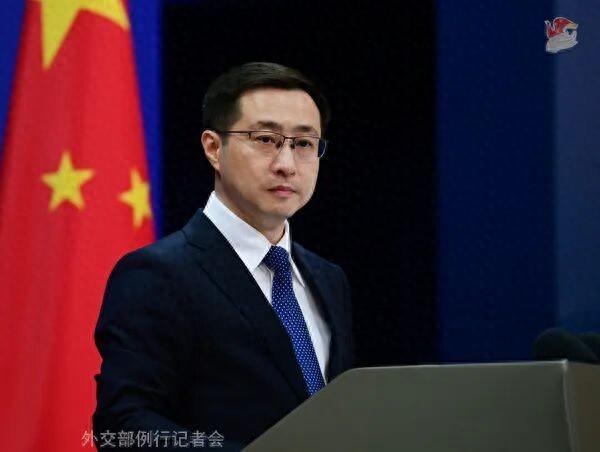
Group 1 - The core viewpoint is that the Chinese government urges the U.S. to stop using the so-called "Chinese threat" as an excuse for its own interests [3]. Group 2 - The context involves a statement made by former President Trump regarding the U.S. interest in Greenland, citing concerns about Chinese ships surrounding the island [1].
“格陵兰岛到处都是中国船只”?中方回应
中国基金报· 2026-01-05 08:55
Core Viewpoint - The article discusses the response of the Chinese Foreign Ministry to U.S. President Trump's comments about Greenland, emphasizing the need for the U.S. to stop using the so-called "Chinese threat" as a pretext for its own interests [1]. Group 1 - The Chinese Foreign Ministry urges the U.S. to cease leveraging the narrative of a "Chinese threat" for its own benefits [1].
国际观察|“日本被首相拖入国家危机”——起底高市早苗之“祸”
Xin Hua She· 2025-11-16 15:46
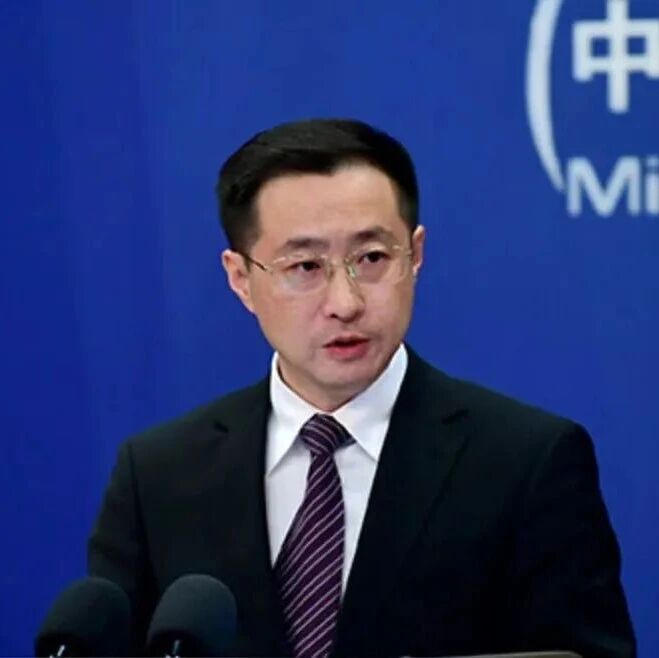
Core Viewpoint - The article discusses the backlash against Japanese Prime Minister Kishi Sanae due to her controversial remarks regarding Taiwan, which have led to public protests and criticism from various political figures, suggesting that her actions have plunged Japan into a national crisis [1][9]. Group 1: Political Reactions - Public protests occurred in front of the Prime Minister's residence, with demands for Kishi's resignation and apologies for her statements regarding Taiwan [1]. - Criticism from political figures, including former Prime Minister Noda Yoshihiko, who labeled Kishi's remarks as reckless and damaging to Japan-China relations [2][9]. - The opposition party, led by Okada Katsuya, questioned Kishi on the implications of her statements, indicating a serious political backlash [2]. Group 2: Historical Context and Ideological Background - Kishi's political rise is attributed to former Prime Minister Abe Shinzo, who is known for his right-wing views and military expansionist policies [3]. - Kishi's stance on historical issues and military policy aligns closely with Abe's, including calls for constitutional amendments and increased defense spending [3][5]. - The article highlights Kishi's past actions, such as visiting Taiwan and promoting Japan-Taiwan security cooperation, which reflect her aggressive stance on regional security [3][4]. Group 3: Legal and International Implications - Experts argue that Kishi's remarks lack legal grounding, as Japan's security laws do not support military intervention in Taiwan, which is not recognized as a sovereign state [6][7]. - The article emphasizes that Japan's post-war commitments and international law recognize Taiwan as part of China, warning that military involvement would be seen as aggression [7][8]. - Kishi's statements are viewed as a potential threat to Japan's peace constitution, raising concerns about the future of Japan's military policies [12]. Group 4: Economic Consequences - The article outlines potential negative impacts on Japan-China relations, which could harm trade and economic ties, as China is Japan's largest trading partner [11]. - Concerns are raised about the economic repercussions for Japan, including reduced trade and tourism from China, should relations deteriorate further due to Kishi's remarks [11][12]. - The article suggests that Kishi's aggressive rhetoric could lead to significant economic fallout for Japan, affecting its citizens directly [11].
特朗普抵韩前夕,中国接到通知,美国不当老二,接盘国或出现?
Sou Hu Cai Jing· 2025-11-13 07:23
Group 1 - The remarks by U.S. Ambassador Nicholas Burns emphasize that the U.S. must not fall behind China as the world's second superpower, indicating rising tensions in U.S.-China relations [1] - The discussions between the U.S. and China on October 25-26 covered various topics including tariff reductions and export controls, leading to some consensus, which Burns expressed dissatisfaction with [3] - Burns, representing the Democratic Party, aims to push for a more competitive stance against China, despite advocating against tariff wars [6] Group 2 - The competitive pressure on the U.S. from China has increased in various sectors, including rare earth supplies affecting U.S. manufacturing and agricultural exports facing challenges due to reduced orders from China [7] - During Trump's visit to Japan from October 27-29, agreements were made for Japan to import $8 billion worth of U.S. agricultural products, although actual compliance may be limited due to Japan's domestic political and economic constraints [9] - Japan's agricultural cooperative, which holds significant influence over agricultural policy, may resist large imports of U.S. products, potentially leading to domestic price surges and political backlash [10]
中方:如果英方任由反华势力“逢中必反”,最终只会得不偿失
Zhong Guo Xin Wen Wang· 2025-10-28 08:56
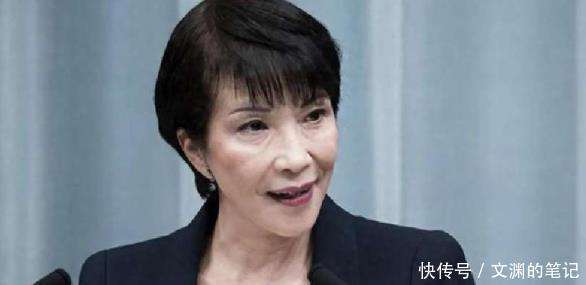
Core Viewpoint - The Chinese government firmly opposes the sensationalism surrounding alleged "Chinese espionage activities" and emphasizes the importance of mutual respect and cooperation in Sino-British relations [1] Summary by Relevant Categories Sino-British Relations - The Chinese stance on developing Sino-British relations is consistent, based on mutual respect and the essence of cooperation being mutually beneficial [1] - The Chinese government urges the UK to view the situation correctly and not to allow anti-China forces to provoke and create tensions [1] Response to Allegations - The Chinese Foreign Ministry has repeatedly clarified its serious position regarding the so-called "Chinese espionage case," rejecting any attempts to smear China [1] - The Chinese government warns that if the UK continues to entertain anti-China sentiments, it will ultimately lead to losses for the UK [1]