
中外文化交流

Search documents
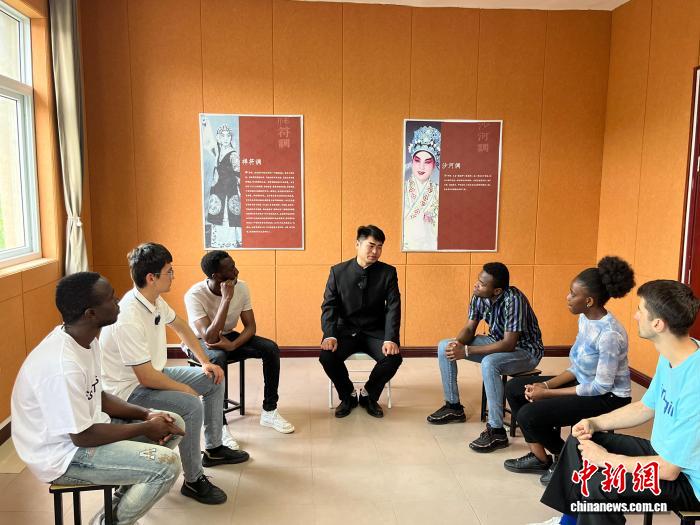
(新春走基层)青年豫剧演员9年教出近千“洋学生”
Zhong Guo Xin Wen Wang· 2026-02-25 11:48
Core Viewpoint - The article highlights the efforts of Liu Zijie, a young Henan Yu Opera actor, who has taught nearly a thousand foreign students the art of Yu Opera over the past nine years, showcasing the global appeal of Chinese traditional culture [1]. Group 1: Teaching Methodology - Liu Zijie developed a unique teaching method that includes immersive experiences, such as visiting local markets to understand the rhythm of the Henan dialect [3]. - He created a "Yu Opera version of Chinese Pinyin decomposition method" to simplify the learning process for foreign students, breaking down the Henan dialect into understandable phonetic syllables [3]. Group 2: Student Experiences - Students from over 60 countries have learned Yu Opera, with many continuing their studies under renowned Yu Opera masters [4]. - Foreign students express their appreciation for the cultural insights gained through Liu's classes, with some performing Yu Opera for their families back home [4]. Group 3: Cultural Exchange and Impact - Liu Zijie's efforts are seen as a vital contribution to the preservation of traditional Chinese opera and the promotion of cultural exchange between China and the world [4]. - His commitment to teaching Yu Opera is driven by the joy of seeing foreign students embrace and perform this traditional art form [4].

少年听四川(18)大慈寺:诗画相融的成都千年古刹丨海豚电台AI语音播客
Xin Lang Cai Jing· 2026-02-22 10:42
Core Perspective - The article highlights the cultural and historical significance of the Daci Temple in Chengdu, emphasizing its role as a bridge for cultural exchange between China and the world, while also appealing to younger audiences through storytelling [1] Group 1: Cultural Significance - Daci Temple has a history of 1600 years and features exquisite murals by Wu Daozi and poetry by Du Fu, showcasing its rich cultural heritage [1] - The temple has endured numerous challenges yet continues to thrive, symbolizing resilience and continuity in cultural practices [1] Group 2: Educational Approach - The initiative aims to present Sichuan stories in a way that is accessible and engaging for children, fostering a connection to local history and culture [1] - The podcast "少年听四川" (Youth Listening to Sichuan) serves as a platform to decode ancient wisdom for younger generations, making historical narratives relatable [1]

新春走基层丨新时代新年景——2026年文化过大年掠影
Xin Hua She· 2026-02-21 01:06
Core Viewpoint - The article highlights the vibrant cultural celebrations during the Spring Festival in 2026, showcasing a blend of traditional customs and modern innovations that reflect China's rich heritage and cultural confidence [1]. Group 1: Cultural Events and Innovations - The Sichuan Zigong Lantern Festival features high-tech elements, such as interactive lanterns that can respond to visitor commands, enhancing the festive experience [2]. - The tradition of the Zigong Lantern Festival, which dates back to the Tang Dynasty, is recognized as a national intangible cultural heritage, emphasizing the importance of preserving traditional crafts while embracing new techniques [3]. - Local cultural events, such as community performances and folk experiences, are integral to the Spring Festival celebrations, reflecting the pride and aspirations of local communities [4]. Group 2: Public Cultural Institutions - Museums play a crucial role in cultural transmission and enriching holiday experiences, with exhibitions like the "Horse Dance New Year" attracting families and enhancing cultural engagement [5][6]. Group 3: Tourism and Economic Impact - The city of Harbin sees a surge in tourism during the Spring Festival, with various cultural and tourism activities, including the distribution of 40 million yuan in cultural tourism vouchers to stimulate local spending [8]. - Nationwide, approximately 30,000 cultural and tourism events are held, showcasing diverse activities that cater to various interests, from traditional customs to modern entertainment [10]. Group 4: International Engagement - The "Guangdong Celebrates the New Year" event attracts over 100 foreign guests from 30 countries, highlighting the global appeal of Chinese New Year celebrations and the cultural exchange it fosters [11]. - The Spring Festival transcends geographical boundaries, becoming a significant celebration for approximately one-fifth of the world's population, promoting cultural understanding and appreciation [12].
新春走基层|新时代新年景——2026年文化过大年掠影
Xin Lang Cai Jing· 2026-02-20 14:31
Group 1 - The article highlights the vibrant cultural celebrations during the Spring Festival, showcasing a blend of traditional customs and modern innovations that reflect China's rich heritage and cultural confidence [1][2][3] - The Sichuan Zigong Lantern Festival, recognized as a national intangible cultural heritage, incorporates new technologies while preserving traditional craftsmanship, emphasizing the importance of innovation in cultural practices [3] - Community-driven events like the "Village Evening" in Wuxi illustrate how local narratives and performances foster a sense of belonging and cultural pride among residents [4] Group 2 - Museums play a crucial role in cultural transmission and enriching holiday experiences, with exhibitions like the "Horse Dance New Spring" attracting families and enhancing cultural engagement during the festival [5][6] - The tourism and cultural sectors are experiencing a surge in activity, with cities like Harbin implementing promotional campaigns and events to meet the heightened demand for cultural and travel experiences during the Spring Festival [8][10] - The article notes that various regions are hosting unique cultural activities, from traditional performances to immersive experiences, contributing to a lively and diverse celebration across the country [9][10] Group 3 - The Spring Festival is becoming a global celebration, with international participation in events that showcase Chinese culture, such as performances in Sofia and Havana, highlighting the festival's universal appeal [13][14] - Activities promoting Chinese traditions and cultural exchanges are being organized worldwide, fostering a deeper understanding and appreciation of Chinese heritage among diverse audiences [12][14]
天涯若比邻——中国游客在海外感受“年味儿”
Xin Hua Wang· 2026-02-20 10:11
Core Viewpoint - The celebration of the Chinese New Year has transcended its traditional holiday concept, becoming a cultural link connecting the world, with various global events showcasing Chinese traditions and fostering cultural exchange [1][7]. Group 1: Global Celebrations - Numerous international celebrations of the Chinese New Year took place, including events in Thailand, Colombia, the UAE, and Zimbabwe, highlighting the global reach of Chinese culture [2]. - In Turkey, the first Chinese New Year-themed event in Cappadocia featured hot air balloons and drone displays, attracting tourists and showcasing Chinese cultural elements [2]. - In France, a high-tech parade on the Champs-Élysées featured traditional performances, allowing attendees to experience the charm of Chinese culture [3]. Group 2: Travel Trends - The Chinese National Immigration Administration reported a predicted increase in outbound and inbound travel during the Spring Festival, with daily passenger numbers exceeding 2.05 million, a 14.1% increase from the previous year [4]. - In Moscow, the "Happy Spring Festival" event attracted many visitors despite cold weather, demonstrating the appeal of Chinese New Year celebrations abroad [4]. - In Brazil, the city of São Paulo hosted a vibrant Spring Festival event, drawing thousands of locals and tourists to experience Chinese cultural activities [5][6]. Group 3: Cultural Exchange - The Chinese New Year celebrations in various countries fostered cultural understanding, with local participants engaging in traditional Chinese activities such as lion dances and calligraphy [8]. - In Tanzania, a couple experienced a unique summer celebration of the Chinese New Year, highlighting the blending of cultures in a global context [7]. - Events organized by institutions like the Confucius Institute in Indonesia aimed to educate locals about Chinese customs, enhancing cultural appreciation and interaction [8].
特稿丨天涯若比邻——中国游客在海外感受“年味儿”
Xin Hua She· 2026-02-20 06:34
Core Viewpoint - The celebration of the Chinese New Year has transcended its traditional boundaries, becoming a cultural link that connects the world, as Chinese tourists experience the festive atmosphere abroad, reinforcing the global reach of Chinese culture [1][8]. Group 1: Global Celebrations - Various international locations, including Bangkok, Bogotá, Abu Dhabi, and Harare, hosted vibrant Chinese New Year celebrations, showcasing the cultural significance of the holiday and providing a sense of familiarity for Chinese tourists [2]. - In Turkey's Cappadocia, the first Chinese New Year-themed event featured hot air balloons and drone displays, attracting tourists and highlighting the cultural exchange [2]. - In Paris, a high-tech Chinese New Year parade featured traditional performances, allowing tourists to experience the charm of Chinese culture firsthand [3]. Group 2: Travel Trends - The National Immigration Administration of China reported a predicted increase in outbound and inbound travel during the Spring Festival, with an average of over 2.05 million travelers per day, marking a 14.1% increase from the previous year [4]. - The expansion of visa-free travel and consumer policies has facilitated easier travel for Chinese tourists, allowing them to explore international destinations during the holiday [4]. Group 3: Cultural Exchange - In Brazil, the city of São Paulo hosted its 21st annual Chinese New Year festival, attracting thousands of locals and tourists, showcasing Chinese cultural elements such as calligraphy and traditional dance [5]. - The blending of Chinese New Year celebrations with local festivities, such as Brazil's Carnival, created a unique cultural experience for attendees [6]. - In Tanzania, Chinese tourists engaged with local culture during the New Year, sharing Chinese customs and fostering cross-cultural understanding [7]. Group 4: Cultural Appreciation - Chinese traditional arts, such as Sichuan opera, received appreciation from international audiences, reflecting the growing interest in Chinese culture abroad [8]. - The Chinese New Year has become a significant cultural symbol, promoting mutual understanding and respect among different civilizations [8].
骏马贺新春 京彩中国年|跨国夫妻的新春时光
Bei Jing Ri Bao Ke Hu Duan· 2026-02-19 13:33
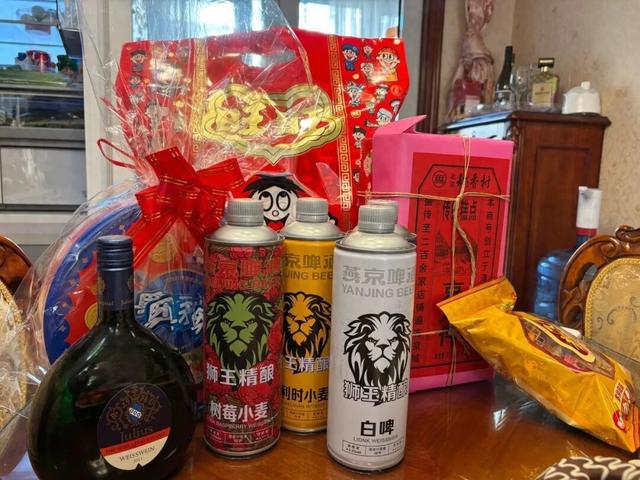
Core Viewpoint - The article highlights the cultural fusion and warmth of the Chinese New Year celebrations experienced by a cross-national couple, Zhang Dingran and his German wife, Jenny, in Shunyi, Beijing, showcasing how traditional Chinese customs blend with Western elements [1][10]. Group 1: Cultural Practices - The couple incorporates various traditional Chinese New Year elements, such as festive snacks, decorations, and the preparation of dumplings, which symbolize family unity and cultural heritage [1][9]. - Jenny has become familiar with Chinese New Year customs over the years, demonstrating her integration into local traditions by actively participating in activities like making dumplings and explaining customs to their children [9]. Group 2: Local Products and Brands - The couple's celebration features local Shunyi products, including Yanjing beer and Shunxin Pengcheng meat products, which represent the quality and cultural significance of local brands [5][9]. - The presence of local brands in their New Year celebration serves as a bridge connecting foreign friends and local culture, enhancing the festive atmosphere in Shunyi [9][10]. Group 3: Community and Cultural Exchange - The article emphasizes the growing appreciation among foreign residents for traditional Chinese customs, indicating a broader cultural exchange that enriches the local community [10]. - The celebration of Chinese New Year is portrayed as a shared experience that transcends cultural boundaries, making it a warm and inclusive occasion for both locals and expatriates [10].


(新春见闻)爱沙尼亚教师的杭州春节:在志愿服务中感受中国传统节日
Xin Lang Cai Jing· 2026-02-18 05:55
Group 1 - The article highlights the experience of Vic, an Estonian who has lived in China for 15 years, particularly in Hangzhou for the past two years, emphasizing his adaptation to the culture and language [1][2] - Vic's role as a volunteer during the Spring Festival in Hangzhou showcases the integration of foreign residents into local communities, as he assists foreign tourists with directions and information [2] - The article illustrates Vic's appreciation for Hangzhou's natural environment, comparing it to his homeland, and his happiness in working at a kindergarten surrounded by beautiful scenery [1] Group 2 - Vic's involvement in the "West Lake Volunteer Police" program reflects a growing trend of foreign residents engaging in community service, enhancing their connection to the city [2] - The significance of the Spring Festival in Chinese culture is highlighted, with Vic noting the importance of family gatherings during this time, which resonates with his own family living in Beijing [2]
(新春见闻)“中国通”阿马尔的难忘新春:本命年登马年春晚
Xin Lang Cai Jing· 2026-02-17 09:07
Core Viewpoint - The article highlights the unique experience of Dr. Amal, a foreign doctor in Yiwu, China, who performed at the Spring Festival Gala, symbolizing cultural integration and the contributions of foreign professionals in local communities [1][4]. Group 1: Dr. Amal's Background and Achievements - Dr. Amal, originally from Yemen, has been in China for nearly thirty years, having completed his education and medical training in the country [3][4]. - He became the first foreign doctor in Yiwu after graduating with a PhD from Zhejiang University in 2017, choosing to work in a smaller city over major urban centers [4]. - In 2022, his hospital, Zhejiang University Affiliated Fourth Hospital, treated over 26,500 foreign patients from 188 countries, showcasing his role as a bridge between foreign nationals and the local healthcare system [4]. Group 2: Cultural Integration and Community Impact - Dr. Amal is well-versed in Arabic, English, and Chinese, which has helped him connect with a diverse patient base and foster community ties [4]. - He has gained recognition in Yiwu, where he is affectionately referred to as "a local Chinese" due to his deep appreciation for Chinese culture, including poetry and traditional performances [4]. - Dr. Amal's family has embraced local customs, with his children enjoying traditional Chinese foods, indicating a strong cultural integration [4]. Group 3: Recognition and Future Aspirations - Dr. Amal received the "West Lake Friendship Award" for 2024, being the only doctor among the 50 awardees, highlighting his contributions to the community [4]. - He was also awarded the "Five-Star Card," a permanent residency permit in China, which enhances his sense of belonging and stability in the country [4]. - Dr. Amal expresses hope for continued success in his personal and professional life in China, particularly in the Year of the Horse, which is significant to him [4].

无锡国乐盛宴惊艳欧洲
Xin Lang Cai Jing· 2026-02-15 21:13
Core Viewpoint - The "Spring of Chinese Music" international tour, organized by the China Cultural and Tourism Exchange Center and the Wuxi National Orchestra, aims to promote Chinese traditional music and culture in Europe, running from February 14 to February 27, 2024, with performances in Belgium, Germany, Austria, and Hungary [1][2]. Group 1 - The Wuxi National Orchestra is sending over 80 performers, marking its largest overseas performance group, to hold 7 concerts across four countries, celebrating the Chinese New Year with rich cultural experiences [1][2]. - The opening concert in Brussels was attended by over 2,000 audience members, showcasing a vibrant atmosphere decorated with red lanterns and traditional Chinese elements, featuring classic pieces such as "Spring Festival Overture" and "Dream of Taihu Lake" [1][2]. - Audience reactions were overwhelmingly positive, with local attendees expressing deep appreciation for the emotional depth and cultural richness of Chinese folk music, highlighting the event as a significant cultural exchange [2][3]. Group 2 - The tour is part of the 2025 National Arts Fund project and a key initiative under the Ministry of Culture and Tourism's "Happy Spring Festival" program for 2026, indicating strong institutional support for cultural diplomacy [2]. - In addition to concerts, the Wuxi National Orchestra is engaging in various music exchange activities, including street performances and collaborations with local musicians, enhancing cultural interactions between Jiangnan music and European traditions [3]. - The orchestra's activities aim to broaden the international music exchange pathway for Wuxi, allowing Jiangnan culture to shine through global cultural exchanges [3].