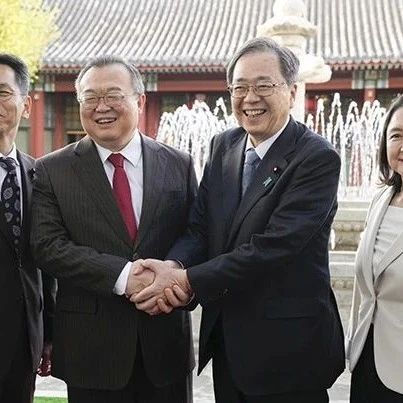
中日友好

Search documents
21专访|日本知名艺人美依礼芽:中国是我的“第二故乡”
2 1 Shi Ji Jing Ji Bao Dao· 2025-11-20 15:52
Core Viewpoint - Recent comments by Japanese Prime Minister Sanae Takaichi regarding Taiwan have sparked significant controversy within Japan, highlighting the sensitive nature of Japan-China relations [1] Group 1: Cultural Exchange - Japanese artist Miri Reiya expressed her deep connection to China, referring to it as her "second hometown" and emphasizing her support for the "One China" principle, which resonated positively with Chinese netizens [1] - Miri Reiya's popularity surged in China after her song "Gokuraku Jodo" went viral on platforms like Bilibili, particularly among ACG enthusiasts [1] - In 2023, Miri Reiya's performance on the variety show "Sisters Who Make Waves 4" showcased her enduring influence, as she received the highest votes for her rendition of "Gokuraku Jodo" [2] Group 2: Music as a Bridge - Miri Reiya actively promotes cultural exchange by performing Japanese songs in China and attempting to sing in Chinese, fostering bilateral cultural interactions [2] - She highlighted the universal nature of music as a means of communication, stating that it allows for emotional connections despite language barriers [2]
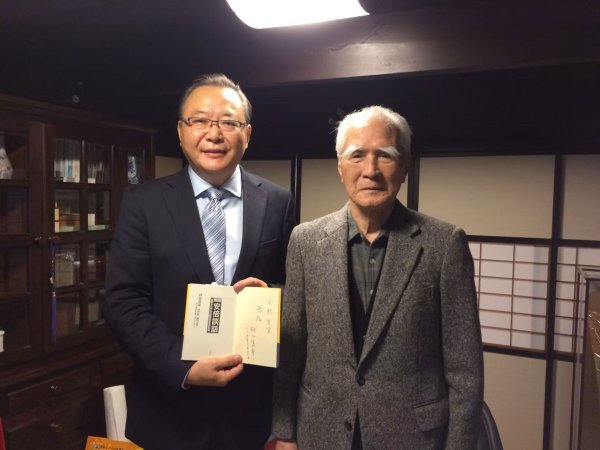
日本前首相村山富市给武汉记者的赠书赠言,写的都是汉字
Chang Jiang Ri Bao· 2025-10-18 00:58
Core Points - Former Japanese Prime Minister Tomiichi Murayama passed away at the age of 101, known for his dedication to Sino-Japanese friendship [2] - Murayama's interactions with Chinese individuals, including his thoughtful inscriptions in books, reflect his deep appreciation for Chinese culture [2][5] - His legacy includes promoting cultural exchange and understanding between China and Japan, emphasizing the historical connections between the two nations [9] Group 1 - Tomiichi Murayama was a significant figure in fostering Sino-Japanese relations, remembered fondly by those he interacted with [2] - His writings and inscriptions, such as "惠存" (to keep), demonstrate his respect for Chinese culture and the importance of equality in cultural exchanges [2][5] - Murayama's belief in the intertwined history of China and Japan is highlighted by his remarks on shared cultural elements like kanji and chopsticks [9] Group 2 - The friendship between Oita City in Japan and Wuhan, China, established in 2004, marks a significant milestone in international relations, with Murayama playing a role in this connection [6] - His handwritten message "武汉加油" (Wuhan, stay strong) during the COVID-19 pandemic showcases his continued support for China [9] - Experts note that Murayama's ability to write kanji reflects the educational background of his generation, emphasizing the cultural ties between the two countries [9]

“中国人民的老朋友”村山富市去世,他曾如何看待中日经济合作?
Di Yi Cai Jing· 2025-10-17 09:31
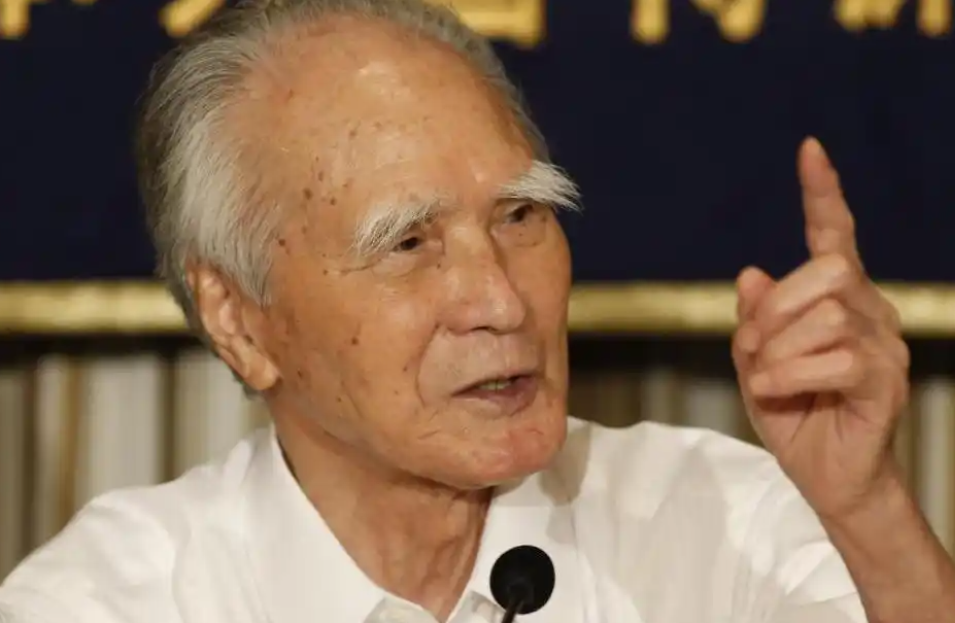
Group 1 - Former Japanese Prime Minister Tomiichi Murayama passed away at the age of 101, having been a significant figure in promoting Japan-China relations [2] - Murayama served as Prime Minister from 1994 to 1996 and was a key member of the Social Democratic Party, which played a role in Japan's post-war political landscape [2] - He is remembered for his "Murayama Statement" in 1995, where he expressed deep remorse for Japan's wartime actions and emphasized the importance of acknowledging history [4][5] Group 2 - Murayama believed in the necessity of Japan recognizing China's rise as an unstoppable trend and advocated for a cooperative relationship between the two nations [6] - He encouraged Japanese companies to explore opportunities in China, viewing it as a strategic move in light of Japan's aging population and declining birthrate [7] - Murayama emphasized that the relationship between Japan and China is a community of shared destiny, highlighting the mutual benefits of cooperation for both countries [6][7]
日本前首相村山富市去世,外交部:沉痛哀悼
Huan Qiu Wang· 2025-10-17 07:31
Core Points - Former Japanese Prime Minister Tomiichi Murayama passed away at the age of 101, recognized for his significant contributions to Japan's acknowledgment of its wartime actions [1] - Murayama's 1995 statement, known as the "Murayama Statement," expressed deep remorse for Japan's colonial rule and aggression, particularly towards Asian nations, and was widely accepted by the international community [1] - The Chinese Foreign Ministry expressed deep condolences and recognized Murayama as a long-time friend of the Chinese people, highlighting his efforts in promoting Sino-Japanese friendship [1][2] Group 1 - Murayama was born on March 3, 1924, in Oita City, Japan, and served as Prime Minister starting in 1994 [1] - His notable "Murayama Statement" was issued on August 15, 1995, marking the 50th anniversary of Japan's unconditional surrender, where he acknowledged the suffering caused by Japan's past actions [1] - The statement emphasized Japan's need for reflection and sincere apologies to the nations affected by its wartime policies [1] Group 2 - The year 2020 marks the 80th anniversary of the victory of the Chinese people in the War of Resistance against Japan and the global anti-fascist war, underscoring the importance of Murayama's acknowledgment of historical injustices [2] - The Chinese Foreign Ministry urged Japan to uphold the commitments made in the "Murayama Statement" and to pursue a path of peaceful development, fostering trust with neighboring countries and the international community [2]
“中国的强盛是世界和平的保证”
Ren Min Ri Bao· 2025-10-09 22:22
Core Viewpoint - The article highlights the contributions of Japanese individuals who joined the Eighth Route Army during the Second Sino-Japanese War, emphasizing their role in opposing Japanese militarism and promoting peace and friendship between China and Japan [1][2][3]. Group 1: Historical Contributions - Japanese individuals, such as Kobayashi Kiyoshi and Maeda Mitsuharu, joined the Eighth Route Army, recognizing the unjust nature of the Japanese invasion of China and actively participating in anti-war efforts [2][3]. - The descendants of these Japanese soldiers, like Kobayashi Yoko and Maeda Tetsuo, continue to honor their legacy by promoting historical truth and peace [2][3][6]. Group 2: Commemoration and Reflection - The descendants participated in the 80th anniversary of the victory in the Anti-Japanese War, reflecting on the importance of remembering history and cherishing peace [3][4][5]. - Events such as the commemorative ceremony and cultural performances serve to connect the historical struggles with contemporary developments in China, highlighting the progress made since the war [4][5]. Group 3: Ongoing Efforts for Peace - The "Coconut Association," founded by the descendants of Japanese soldiers, aims to expose the crimes of Japanese militarism and promote Sino-Japanese friendship through various activities, including publishing memoirs and organizing events [6][7]. - The association plans to expand its membership and produce educational materials to foster understanding and peace between the youth of both countries [7].
中日青年友好交流大会在京举行 以心相交 共筑和平
Ren Min Ri Bao· 2025-05-31 21:57
Core Points - The event "Building Peace through Heartfelt Connections" was held in Beijing, gathering nearly 600 youth from China and Japan to enhance friendship and cultural exchange [1][2] - Japanese youth expressed their impressions of China, highlighting experiences such as traditional porcelain craftsmanship in Jingdezhen and the vibrant culture [1][2] - The importance of mutual understanding between the two nations was emphasized, with calls for youth to act as bridges for peace and cooperation [2] Group 1 - The event showcased traditional Chinese performances and Japanese calligraphy, reflecting the cultural richness of both nations [1] - Participants engaged in interactive exchanges, with Japanese students sharing their experiences and newfound appreciation for Chinese culture [1][2] - The event featured a collaborative singing of the song "Auld Lang Syne," symbolizing enduring friendship [2] Group 2 - Chinese and Japanese youth were encouraged to foster deeper connections and contribute to the development of Sino-Japanese relations [1][2] - Leaders from both countries expressed hope that the youth would become pioneers of peace and innovation, strengthening ties between the two nations [2] - The Japanese ambassador to China highlighted the event's role in enhancing friendship among the younger generations [2]
日本公明党新旧代表将接连访华
日经中文网· 2025-04-25 04:27
Group 1 - The core viewpoint of the article highlights the recent visit of Japanese Komeito Party representative Saito Tetsuo to China, indicating a strengthening relationship between Japan and China amidst US-China trade tensions [1] - Saito's visit is part of a broader strategy by the Komeito Party to solidify support for pro-China policies ahead of Japan's upcoming summer House of Councillors elections [1] - The article notes that this visit marks the first time in about a year and a half that a Komeito Party representative has visited China, reflecting the limitations of the party's independent diplomatic channels with China since 2017 [1] Group 2 - Following Saito's visit, a cross-party group of Japanese lawmakers, known as the "Japan-China Friendship Parliamentary Alliance," is scheduled to visit China, which is a rare occurrence for key figures from Japan's ruling party to visit China in quick succession [2]