
村山谈话

Search documents
前事不忘,后事之师:村山历史省思的价值越发凸显
Xin Lang Cai Jing· 2025-12-20 22:07
Core Viewpoint - The article discusses the increasing rightward shift in Japan's politics and the significance of former Prime Minister Tomiichi Murayama's legacy in addressing historical issues related to Japan's wartime actions [1][2]. Group 1: Historical Context - The rise of right-wing political forces in Japan is attempting to downplay war responsibilities and revise historical narratives, with current Prime Minister Sanae Takaichi making controversial statements regarding historical issues [1]. - Murayama's 1995 statement, which acknowledged Japan's wartime aggression and colonial rule, is highlighted as a critical moment in Japan's historical reckoning [1][2]. Group 2: Murayama's Contributions - Murayama's 1995 speech marked a paradigm shift in Japan's official historical narrative, moving from a victim-centric view to acknowledging the suffering caused to other nations [2]. - His commitment to Japan's pacifist constitution and the institutionalization of historical reflection through cabinet resolutions established a bipartisan baseline for Japan's historical stance [2][3]. Group 3: Legacy and Impact - Murayama's lifelong dedication to peace and reconciliation is emphasized, showcasing his efforts to foster Sino-Japanese friendship and historical understanding [3][4]. - His actions, including visiting memorials and advocating for historical awareness among younger generations, reflect his belief that understanding history is essential for peace [4]. Group 4: Current Political Climate - The article critiques the current political climate under Takaichi, who embodies a revisionist approach to history, contrasting sharply with Murayama's legacy [2][5]. - It argues that a nation unwilling to confront its historical truths cannot earn respect and trust on the global stage, urging current leaders to reflect on their historical narratives [5].
高市涉台言论被指历史倒退 是时候重温“村山谈话”了!
Xin Hua She· 2025-11-22 03:22
Core Viewpoint - Japanese Prime Minister Sanae Takaichi's recent remarks about potential military intervention in the Taiwan issue have sparked significant controversy both domestically and internationally, contradicting the spirit of the four political documents between China and Japan [1][3]. Group 1: Domestic Reactions - Takaichi's comments have been labeled as "extremely erroneous and irresponsible" by prominent figures in Japan, with warnings about the dangers of military involvement in Taiwan [3]. - The chairman of the "Inherit and Develop the Murayama Statement" group, Takakage Fujita, emphasized that Japan's military intervention under the pretext of "Taiwan's situation" would be a blatant interference in China's internal affairs [3]. - Fujita called for Takaichi to retract her statements and apologize, warning that many in Japan do not recognize the extreme dangers and provocative nature of her remarks [3]. Group 2: Historical Context - The "Murayama Statement," delivered by former Prime Minister Tomiichi Murayama in 1995, acknowledged Japan's wartime aggression and emphasized the importance of historical reflection for maintaining national reputation [6]. - On the day Takaichi was elected, a seminar was held to commemorate Murayama's peace ideals, reiterating the need for humility in reflecting on Japan's past to truly safeguard national interests [6]. - Murayama's final message highlighted the importance of building lasting friendly relations with China as a foundation for peace in Asia [6].

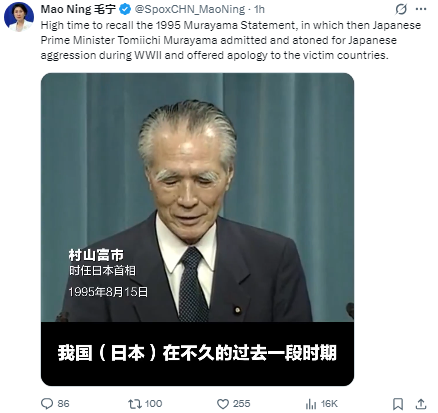
毛宁发布1995年“村山谈话”视频
Huan Qiu Wang· 2025-11-17 03:12
Core Viewpoint - Recent comments by Japanese Prime Minister Sanae Takaichi regarding Taiwan have sparked widespread attention and strong criticism from China and the international community [3]. Group 1: Historical Context - The video shared by Chinese Foreign Ministry spokesperson Mao Ning features former Japanese Prime Minister Tomiichi Murayama's 1995 "Murayama Statement," which acknowledged Japan's wartime aggression and expressed remorse [3][5]. - Murayama, who passed away at the age of 101, served as Prime Minister from 1994 and made the statement on August 15, 1995, recognizing the suffering caused by Japan's colonial rule and aggression, particularly towards Asian nations [5]. Group 2: Diplomatic Reactions - The Chinese Foreign Ministry and its embassies in Japan have been actively voicing China's position on social media platforms, including X, and have released posters in Japanese and English, leading to a strong reaction from Japanese public opinion [5].
视频丨日本人士:高市涉台言论违背国际法 破坏日中关系
Yang Shi Xin Wen Ke Hu Duan· 2025-11-15 06:33
Group 1 - Japanese Prime Minister Sanae Takaichi made provocative remarks regarding Taiwan in a recent parliamentary session, which have been criticized for their severe impact on Japan-China relations [1][3] - Fujita Takakage, chairman of the "Inheritance and Development of the Murayama Statement," stated that Takaichi's comments violate international law and undermine the historical context established by the 1972 Japan-China Joint Communiqué, which recognizes Taiwan as part of China [3][5] - Takaichi's statements are seen as a denial of the spirit of the Murayama Statement, which reflects on Japan's colonial past and expresses remorse for the harm caused to the Chinese people during the Second Sino-Japanese War [5][7] Group 2 - Fujita emphasized that Japan's economic relationship with China is extremely close, with Japan relying on China for essential goods; any deterioration in relations would adversely affect the Japanese populace [7] - The gravity of Takaichi's remarks is highlighted, as any rhetoric that could lead the nation towards war or suggests war intentions is deemed unacceptable [7]
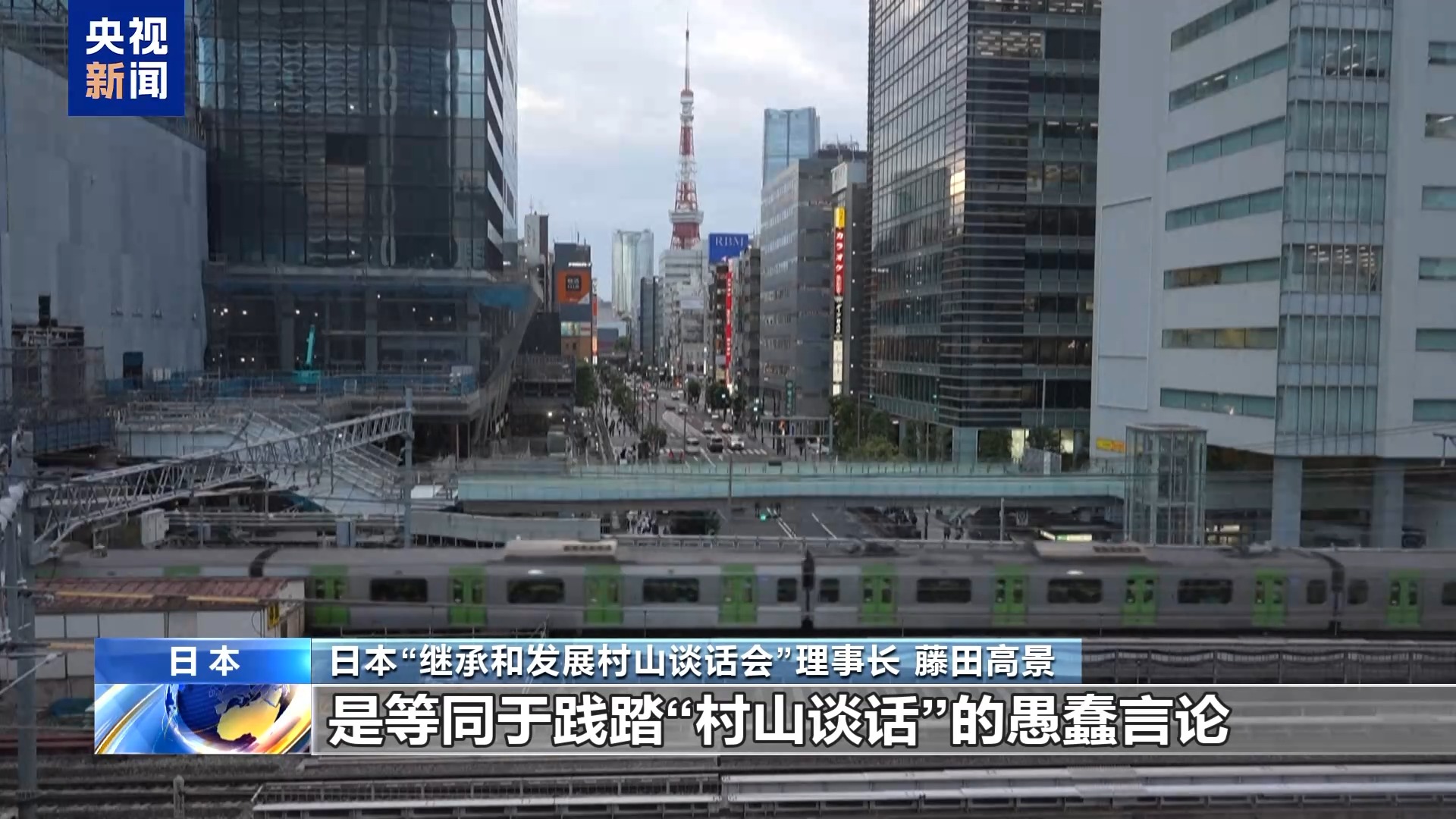
日本人士:高市涉台言论违背国际法 破坏日中关系
Yang Shi Xin Wen Ke Hu Duan· 2025-11-15 02:38
Core Viewpoint - Japanese Prime Minister Sanae Takaichi's provocative remarks regarding Taiwan have been criticized for severely damaging Japan-China relations and violating international law [1][3]. Group 1: Impact on Japan-China Relations - Takaichi's statements are seen as a blatant disregard for the historical context established by the 1972 Japan-China Joint Communiqué, which recognizes Taiwan as part of China [1]. - The remarks are viewed as a denial of the spirit of the "Murayama Statement," which reflects Japan's remorse for its colonial past and aggression towards China [3]. Group 2: Economic Implications - The close economic ties between Japan and China mean that any deterioration in relations could adversely affect the Japanese populace, particularly as Japan imports a significant amount of essential goods from China [5]. - Takaichi's rhetoric is considered dangerous, as it could lead Japan towards conflict, which would ultimately harm the interests of the Japanese people [5].
日本必须要与亚洲各国构建可以信赖的牢固基础
Ren Min Ri Bao· 2025-11-06 22:11
Core Points - The article discusses the legacy of former Japanese Prime Minister Tomiichi Murayama, highlighting his significant contributions to Japan-China relations and his commitment to peace [5][6][10] - Murayama's "Murayama Statement" is presented as a benchmark for evaluating the historical recognition of successive Japanese governments regarding wartime actions [5][6][10] Group 1: Historical Context - Tomiichi Murayama was born in 1924 and became involved in politics after graduating from Meiji University in 1946, eventually serving as Prime Minister in 1994 [5][6] - The "Murayama Statement," delivered on August 15, 1995, acknowledged Japan's wartime aggression and expressed deep remorse for the suffering caused to Asian nations [5][6][10] Group 2: Political Influence - Murayama emphasized the importance of acknowledging Japan's colonial past and the need for political leaders to learn from history to prevent future conflicts [6][10][12] - After retiring from politics in 2000, Murayama continued to advocate for peace and historical reflection, especially in response to the rise of right-wing sentiments in Japan [6][10][12] Group 3: Legacy and Impact - Murayama's efforts to promote peace and historical accountability have earned him respect both domestically and internationally, making his statements a touchstone for evaluating Japan's historical consciousness [6][10][12] - His writings and public speeches have influenced discussions on Japan's wartime history, particularly during significant anniversaries related to World War II [10][12][13]
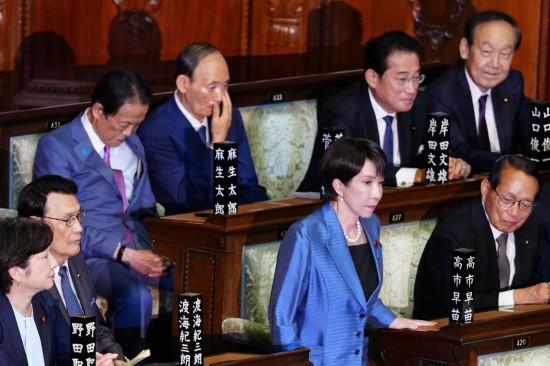
日本首位女首相有何来历?
Xin Hua She· 2025-10-21 06:55
Group 1: Core Insights - High Sannae has been elected as Japan's 104th Prime Minister, becoming the first female Prime Minister in Japan's history [1] - She is a close ally of former Prime Minister Shinzo Abe and is seen as a staunch successor to his policies [1] - High has a history of holding various significant positions in the government, including Minister of Internal Affairs and Communications and Minister for Economic Security [1] Group 2: Policy Positions - High advocates for a strong conservative stance, emphasizing the restoration of traditional Japanese values, constitutional reform, and enhanced national security [2] - In economic policy, she promotes "active fiscal" measures, including tax cuts and increased local government support to address rising prices [2] - Her foreign policy aims to continue Abe's "Free and Open Indo-Pacific" strategy, focusing on strengthening cooperation with ASEAN and global southern countries [2] Group 3: Security and Immigration Policies - High proposes to strengthen the Self-Defense Forces and improve the treatment of self-defense personnel, while not ruling out increased defense spending at the request of the United States [2] - On immigration, she supports stricter controls on illegal immigrants and intends to scrutinize foreign capital inflows [3] - High's historical perspective is notably right-leaning, with a history of visiting the Yasukuni Shrine, which may create diplomatic tensions in East Asia [3]
村山富市逝世,中方沉痛哀悼
Huan Qiu Shi Bao· 2025-10-17 22:58
Core Points - Former Japanese Prime Minister Tomiichi Murayama passed away at the age of 101, known for his significant contributions to Japan's post-war history and his efforts in promoting peace and reconciliation with neighboring countries [1][2][3] Group 1: Historical Significance - Murayama's 1995 statement, known as the "Murayama Statement," marked a pivotal moment in Japan's acknowledgment of its wartime actions, expressing deep remorse for colonial rule and aggression, which was widely recognized internationally [3] - The statement was the first formal apology from a Japanese Prime Minister on the anniversary of Japan's surrender, emphasizing the need for historical reflection and accountability [3] Group 2: Political Legacy - Murayama was a proponent of "people-oriented politics" and demonstrated leadership during crises such as the Hanshin earthquake and the Tokyo subway sarin attack [2] - His political career included significant roles within the Social Democratic Party and as Japan's 81st Prime Minister, where he focused on addressing social issues like Minamata disease [2][3] Group 3: Continued Influence - The "Murayama Statement" remains a crucial part of Japan's political discourse, with current leaders acknowledging its importance and the need to uphold its principles in the face of rising nationalism [4][7] - The "Inheritance and Development of the Murayama Statement" group has committed to preserving and promoting the spirit of Murayama's message, especially in light of Japan's shifting political landscape [4][7] Group 4: Personal Reflections - Murayama's commitment to peace and friendship with China was evident throughout his life, including his visits to historical sites and his advocacy for Sino-Japanese relations [6] - His centenary reflections highlighted his desire for Japan to remain a peaceful nation, emphasizing the importance of historical awareness and reconciliation [7]
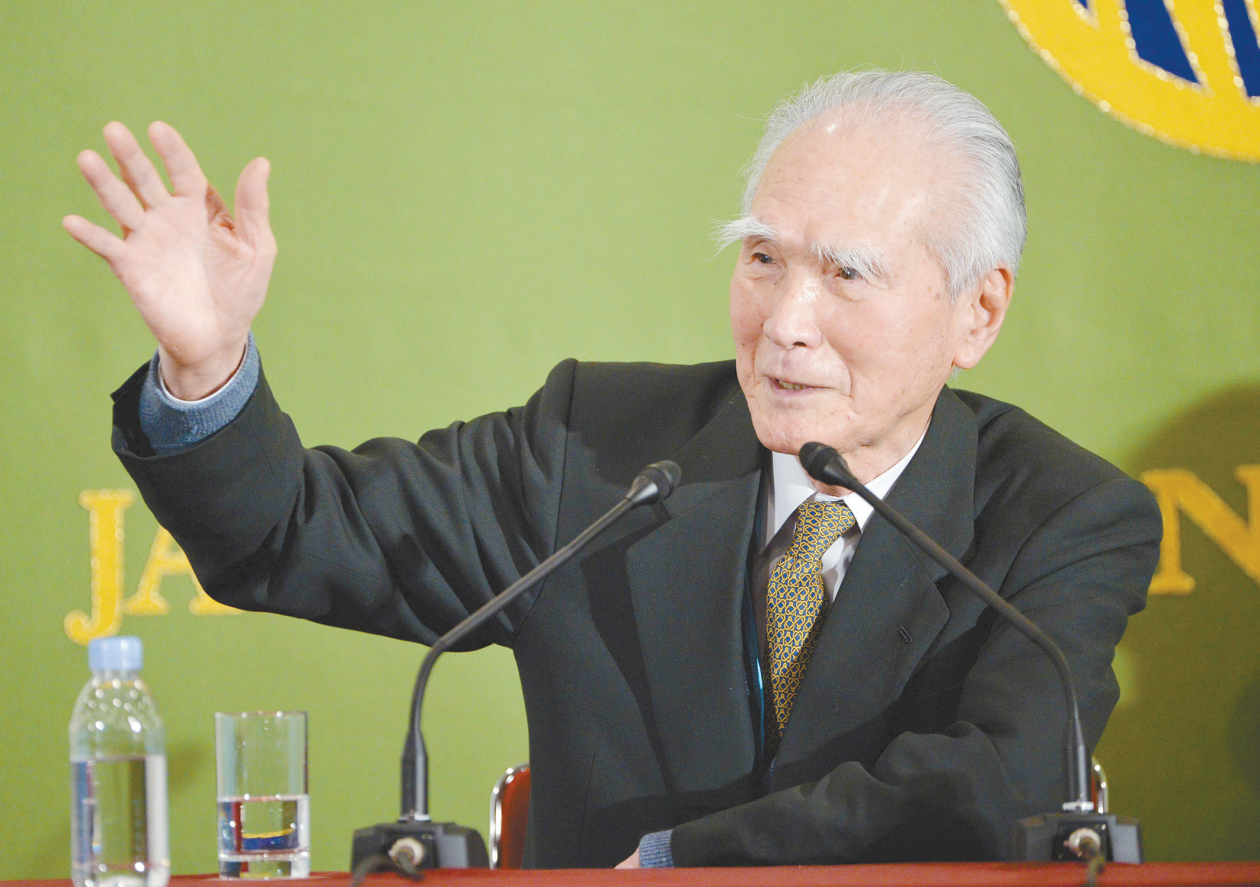
“中国人民的老朋友”村山富市去世,他曾如何看待中日经济合作?
Di Yi Cai Jing· 2025-10-17 09:31
Group 1 - Former Japanese Prime Minister Tomiichi Murayama passed away at the age of 101, having been a significant figure in promoting Japan-China relations [2] - Murayama served as Prime Minister from 1994 to 1996 and was a key member of the Social Democratic Party, which played a role in Japan's post-war political landscape [2] - He is remembered for his "Murayama Statement" in 1995, where he expressed deep remorse for Japan's wartime actions and emphasized the importance of acknowledging history [4][5] Group 2 - Murayama believed in the necessity of Japan recognizing China's rise as an unstoppable trend and advocated for a cooperative relationship between the two nations [6] - He encouraged Japanese companies to explore opportunities in China, viewing it as a strategic move in light of Japan's aging population and declining birthrate [7] - Murayama emphasized that the relationship between Japan and China is a community of shared destiny, highlighting the mutual benefits of cooperation for both countries [6][7]
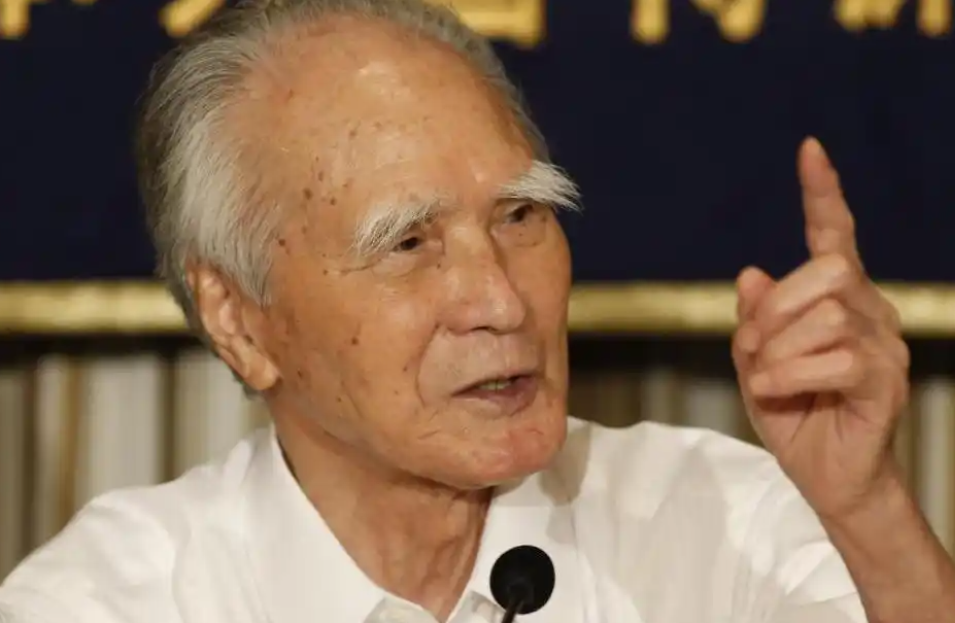
日本前首相村山富市去世,外交部:沉痛哀悼
Huan Qiu Wang· 2025-10-17 07:31
Core Points - Former Japanese Prime Minister Tomiichi Murayama passed away at the age of 101, recognized for his significant contributions to Japan's acknowledgment of its wartime actions [1] - Murayama's 1995 statement, known as the "Murayama Statement," expressed deep remorse for Japan's colonial rule and aggression, particularly towards Asian nations, and was widely accepted by the international community [1] - The Chinese Foreign Ministry expressed deep condolences and recognized Murayama as a long-time friend of the Chinese people, highlighting his efforts in promoting Sino-Japanese friendship [1][2] Group 1 - Murayama was born on March 3, 1924, in Oita City, Japan, and served as Prime Minister starting in 1994 [1] - His notable "Murayama Statement" was issued on August 15, 1995, marking the 50th anniversary of Japan's unconditional surrender, where he acknowledged the suffering caused by Japan's past actions [1] - The statement emphasized Japan's need for reflection and sincere apologies to the nations affected by its wartime policies [1] Group 2 - The year 2020 marks the 80th anniversary of the victory of the Chinese people in the War of Resistance against Japan and the global anti-fascist war, underscoring the importance of Murayama's acknowledgment of historical injustices [2] - The Chinese Foreign Ministry urged Japan to uphold the commitments made in the "Murayama Statement" and to pursue a path of peaceful development, fostering trust with neighboring countries and the international community [2]