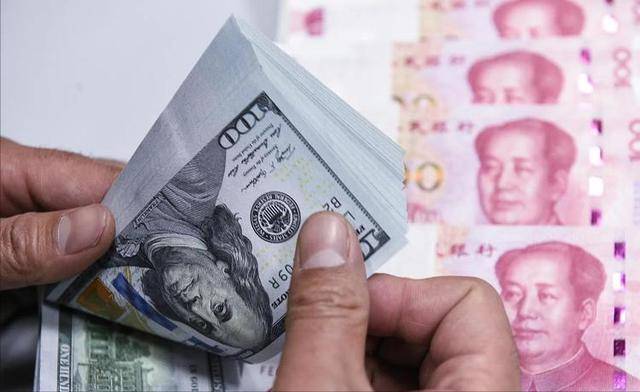
中美货币博弈

Search documents
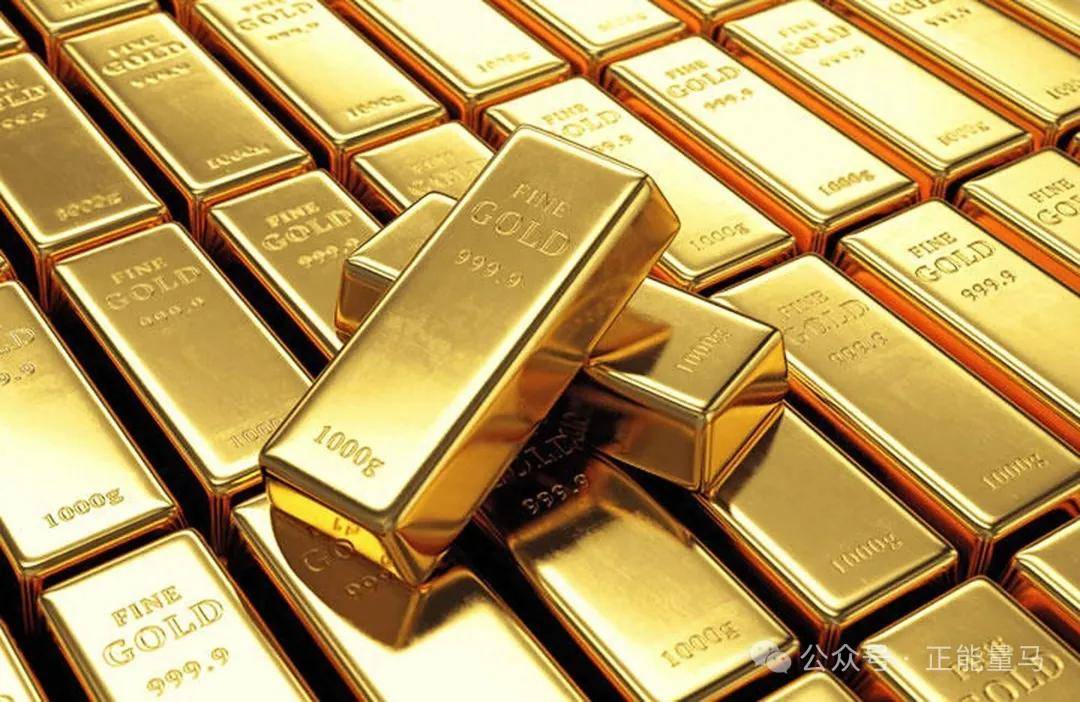
黄金新政出台,炒金红利终结?看懂3点不踩坑
Sou Hu Cai Jing· 2025-11-11 01:01
Group 1 - The core of the new tax policy is to differentiate between investment and consumption in the gold market, with a significant change being the introduction of a special invoice blocking mechanism for investment-grade gold, which will now incur a 7% VAT cost that was previously deductible, leading to a price surge in Shenzhen's gold market from 930 yuan to nearly 1000 yuan per gram [3][5] - The new policy aims to address the chaotic attributes of the gold market in China, where 70% of gold purchases are for jewelry and 20% for investment, but speculative activities have turned many consumers into amateur traders, leading to significant financial losses for merchants [5][7] - The rapid growth in personal gold investment demand, which surged by 42% in 2024, and the average annual growth rate of over 35% in bank gold investment users over the past three years, indicates a potential market volatility if there is a rush to redeem gold [5][7] Group 2 - The new policy is also a response to the ongoing monetary competition between China and the US, as the country aims to establish a closed-loop system for the renminbi and gold, with measures to ensure that non-physical transactions remain tax-exempt while tracking the flow of physical gold [7][9] - Recommendations for consumers include purchasing jewelry as needed, avoiding high-stakes speculation in physical gold bars, and prioritizing investments in compliant channels such as gold ETFs and futures, emphasizing that gold should be viewed as a stabilizing asset rather than a get-rich-quick tool [9]

美财长开始急了,人民币兑美元汇率升至新高,破7进入倒计时?
Sou Hu Cai Jing· 2025-09-02 05:26
Group 1 - The US dollar index has dropped below 98, reaching a new low for the year, indicating a weakening of the dollar [1] - The offshore yuan has surged past the 7.12 mark, hitting a nearly ten-month high, with the central parity rate reported at 7.103 on August 28, reflecting a rapid appreciation [3][10] - The backdrop of this currency movement includes expectations of US Federal Reserve monetary policy, a global trend of "de-dollarization," and China's robust economic recovery [5] Group 2 - The People's Bank of China (PBOC) has been actively adjusting the central parity rate, leading to a cumulative appreciation of over 1100 basis points since April, when the yuan hit a low of 7.2133 [8][10] - The proportion of US dollars in foreign exchange reserves has fallen to 58%, the lowest in 30 years, while the digital yuan is gaining traction globally, covering 107 countries with a daily cross-border settlement volume of 800 billion yuan [12] - China's economic fundamentals are strong, with a GDP growth of 5.4% in Q1 and a 24% increase in high-tech product exports, contributing to the yuan's appreciation [14] Group 3 - International institutions are reassessing the yuan's trajectory, with Goldman Sachs predicting it may break 7 by year-end, while Deutsche Bank forecasts it could reach 6.7 by the end of 2026 [16] - The appreciation of the yuan is creating a "self-reinforcing" cycle, where A-share market gains attract foreign capital, further enhancing the appeal of yuan-denominated assets [20] - The PBOC's strategy includes releasing signals for appreciation through the central parity rate and adjusting the CFETS basket weights to stabilize the yuan against other currencies [22] Group 4 - The appreciation of the yuan poses challenges for export-oriented companies, particularly in labor-intensive sectors, where a 1% increase in the yuan could reduce profit margins by 0.5-0.7 percentage points [24] - The real estate market remains a concern, as domestic demand has not fully recovered, which could challenge the sustainability of the yuan's strength [26] - The US Treasury Secretary has expressed concerns over the yuan's exchange rate, highlighting the complexities of US-China currency dynamics [27][30] Group 5 - The current trend of capital inflow into A-shares and yuan-denominated bonds is indicative of a shift in global asset allocation towards yuan assets, driven by the depreciation of the dollar and the reassessment of the yuan's value [33] - The ability of the yuan to enter a "6 era" depends on the interaction of US and Chinese policy rhythms in the coming months, with potential for a new international monetary landscape [36] - The rise of the yuan signifies not just a price increase but also an enhancement of China's influence in the global financial system, challenging the dominance of the dollar [38]