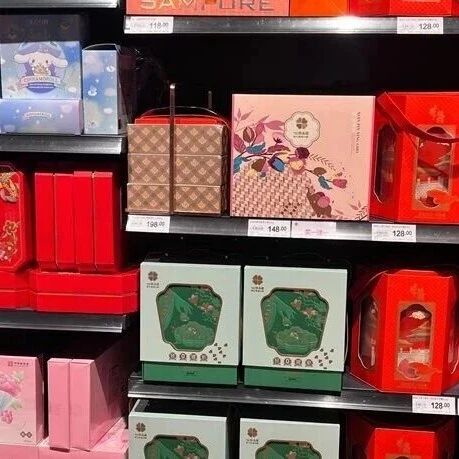
临期食品

Search documents
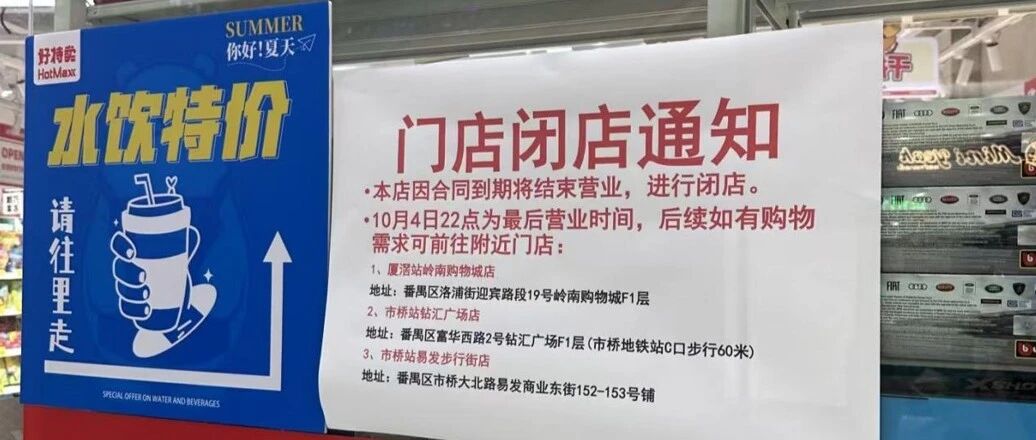
好特卖全国多地关店,部分城市新加盟叫停
新浪财经· 2025-12-16 10:30
Core Viewpoint - The article highlights the recent trend of store closures by the discount retail brand "好特卖" (Hao Te Mai) in major cities, attributing this to issues such as high rental costs, lease expirations, and poor performance of certain stores [2][5][9]. Expansion and Franchise Model - In April 2023, 好特卖 transitioned to a franchise model, aiming to open around 600 new stores within the year, but the actual number of new openings has significantly decreased to just a few dozen [3][10]. - The company had over 500 stores across 32 cities at the time of the franchise launch, with plans to double its store count and achieve a gross merchandise volume (GMV) exceeding 4 billion yuan [8][10]. - The franchise investment for opening a store is approximately 800,000 to 900,000 yuan, including various fees and costs [10][12]. Store Closures and Reasons - The closures are primarily due to three reasons: high rental costs, lease expirations, and underperforming stores [9][10]. - Many of the closed stores were early direct-operated outlets that could not meet current operational needs, leading to a systematic optimization and closure process [9][10]. Market Position and Consumer Base - 好特卖 has positioned itself as a low-cost retail option, attracting young consumers with competitive pricing on various products [14]. - Data indicates that 65.5% of the consumers of discount food products are aged 19-35, highlighting the brand's appeal to younger demographics [14]. Quality Control Issues - The brand faces significant quality control challenges, with numerous complaints regarding expired or substandard products, leading to administrative penalties for mislabeling and selling expired goods [15][19]. - The proportion of near-expiry products has decreased from nearly 100% at the start to between 5% and 30% currently, as the company seeks to diversify its product offerings [19].

卖不完的月饼,都去哪儿了?
凤凰网财经· 2025-10-07 02:28
Core Viewpoint - The article discusses the challenges and strategies related to unsold mooncakes after the Mid-Autumn Festival, highlighting the seasonal nature of mooncake sales and the various methods companies use to manage excess inventory [4][11]. Group 1: Sales and Inventory Management - Mooncake sales are concentrated in the two weeks leading up to the Mid-Autumn Festival, leading to a high risk of unsold inventory [4][6]. - Supermarkets often implement promotions such as "buy one get one free" to clear unsold mooncakes, with significant discounts on the day of the festival [5][6]. - Companies like Five Star and Guangzhou Restaurant emphasize the importance of market forecasting and inventory management to avoid overproduction and waste [7][8]. Group 2: Handling Unsold Mooncakes - Unsold mooncakes can be repurposed as employee benefits or sold at discounted prices to nearby supermarkets [6][11]. - Consumers often find creative ways to use leftover mooncakes, including donating them to charity organizations that distribute them to low-income individuals [11]. - There are also markets for near-expiry mooncakes, which can be sold as "near-expiry" products, with prices around 1500 yuan per ton [13]. Group 3: Regulatory and Safety Measures - Regulatory measures are in place to ensure that expired mooncakes are properly disposed of and do not re-enter the market [16]. - The "Festival Food Daily Reporting System" requires companies to report production and sales data to local food safety authorities [16]. - The production of mooncakes in China has been increasing, with a projected production of 548,000 tons in 2024, reflecting a growth of 11.4% year-on-year [16].