
品控管理

Search documents
鲜猪肉竟是数个月前屠宰?山姆紧急回应!品控频遭质疑,网友称“不如菜市场”
新浪财经· 2026-03-21 08:47
Core Viewpoint - The recent controversy surrounding Sam's Club regarding the sale of "fresh pork" allegedly slaughtered four months ago has raised significant consumer concerns about food safety and quality [2][5][7] Group 1: Food Safety Issues - Sam's Club has faced multiple food safety controversies, including misleading labeling of salmon for raw consumption and the sale of freeze-dried strawberries with excessive cadmium levels [4][9] - Consumers have reported issues with perishable items, such as blueberries and kiwis, spoiling within their shelf life, raising questions about the quality control measures in place [9][10] - A significant number of complaints, totaling 14,719, have been lodged against Sam's Club, primarily concerning product quality, delivery issues, and poor customer service [10] Group 2: Business Expansion and Quality Control - Despite the ongoing food safety issues, Sam's Club is rapidly expanding in the Chinese market, planning to open 13 new stores in 2026, which reflects a strong growth trajectory [12][13] - The rapid expansion has led to challenges in maintaining quality control, as the management of supply chains and product standards becomes increasingly complex [13][15] - The decline in the sales proportion of Sam's private label products, which has dropped from 38% to below 30%, has contributed to the quality control issues, as reliance on external suppliers increases [14][15] Group 3: Consumer Trust and Brand Perception - The core competitive advantage of membership-based supermarkets like Sam's Club lies in consumer trust, which is jeopardized when product standards are perceived to be lowered [15] - As Sam's Club attempts to balance growth and profitability by reducing product standards and streamlining quality control processes, consumer willingness to pay for membership may be affected [15]


网红“刘文祥”,被查!
中国能源报· 2026-03-15 03:54
Core Viewpoint - The article highlights the rapid rise and subsequent scrutiny of the "Liu Wenxiang" spicy hot pot brand, which has faced allegations of misleading food labeling and quality control issues, leading to regulatory actions and public backlash [1][10][24]. Group 1: Food Quality and Labeling Issues - Multiple Liu Wenxiang outlets have been found to mislabel ingredients, with items advertised as beef or pork actually containing duck meat [3][6][8]. - Staff at some locations have been reported to mislead customers about the nature of the food, despite acknowledging the issues when confronted [6][10]. - The brand's food labeling practices are inconsistent, with the same product being labeled differently across various delivery platforms [9][10]. Group 2: Regulatory Actions and Public Response - Following reports of food safety violations, market regulatory authorities conducted surprise inspections at Liu Wenxiang locations, leading to immediate corrective actions for some outlets [12][24]. - The brand has received numerous complaints on social media platforms, with 859 complaints recorded under the keyword "Liu Wenxiang" on the Black Cat Complaints platform [21]. - The rapid expansion of Liu Wenxiang, which operates over 2,800 franchise stores, has been criticized for neglecting quality control and effective oversight of its franchisees [10][21].

好特卖全国多地关店,部分城市新加盟叫停
新浪财经· 2025-12-16 10:30
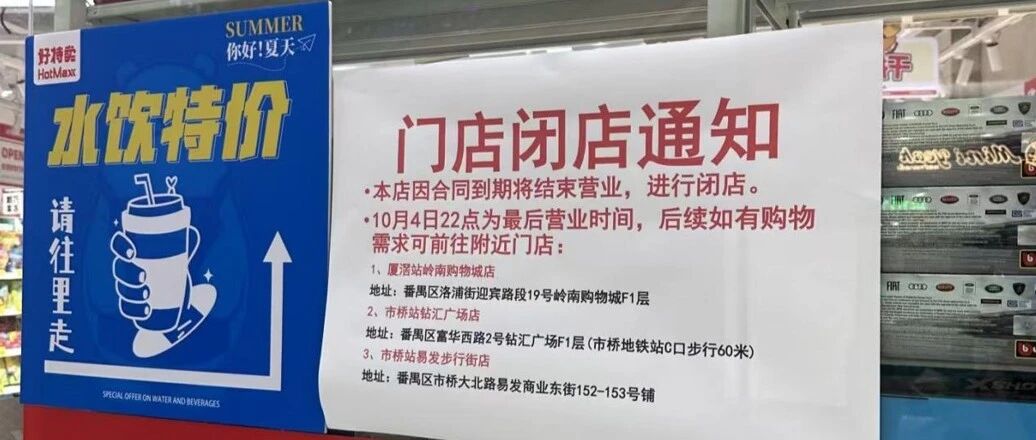
Core Viewpoint - The article highlights the recent trend of store closures by the discount retail brand "好特卖" (Hao Te Mai) in major cities, attributing this to issues such as high rental costs, lease expirations, and poor performance of certain stores [2][5][9]. Expansion and Franchise Model - In April 2023, 好特卖 transitioned to a franchise model, aiming to open around 600 new stores within the year, but the actual number of new openings has significantly decreased to just a few dozen [3][10]. - The company had over 500 stores across 32 cities at the time of the franchise launch, with plans to double its store count and achieve a gross merchandise volume (GMV) exceeding 4 billion yuan [8][10]. - The franchise investment for opening a store is approximately 800,000 to 900,000 yuan, including various fees and costs [10][12]. Store Closures and Reasons - The closures are primarily due to three reasons: high rental costs, lease expirations, and underperforming stores [9][10]. - Many of the closed stores were early direct-operated outlets that could not meet current operational needs, leading to a systematic optimization and closure process [9][10]. Market Position and Consumer Base - 好特卖 has positioned itself as a low-cost retail option, attracting young consumers with competitive pricing on various products [14]. - Data indicates that 65.5% of the consumers of discount food products are aged 19-35, highlighting the brand's appeal to younger demographics [14]. Quality Control Issues - The brand faces significant quality control challenges, with numerous complaints regarding expired or substandard products, leading to administrative penalties for mislabeling and selling expired goods [15][19]. - The proportion of near-expiry products has decreased from nearly 100% at the start to between 5% and 30% currently, as the company seeks to diversify its product offerings [19].
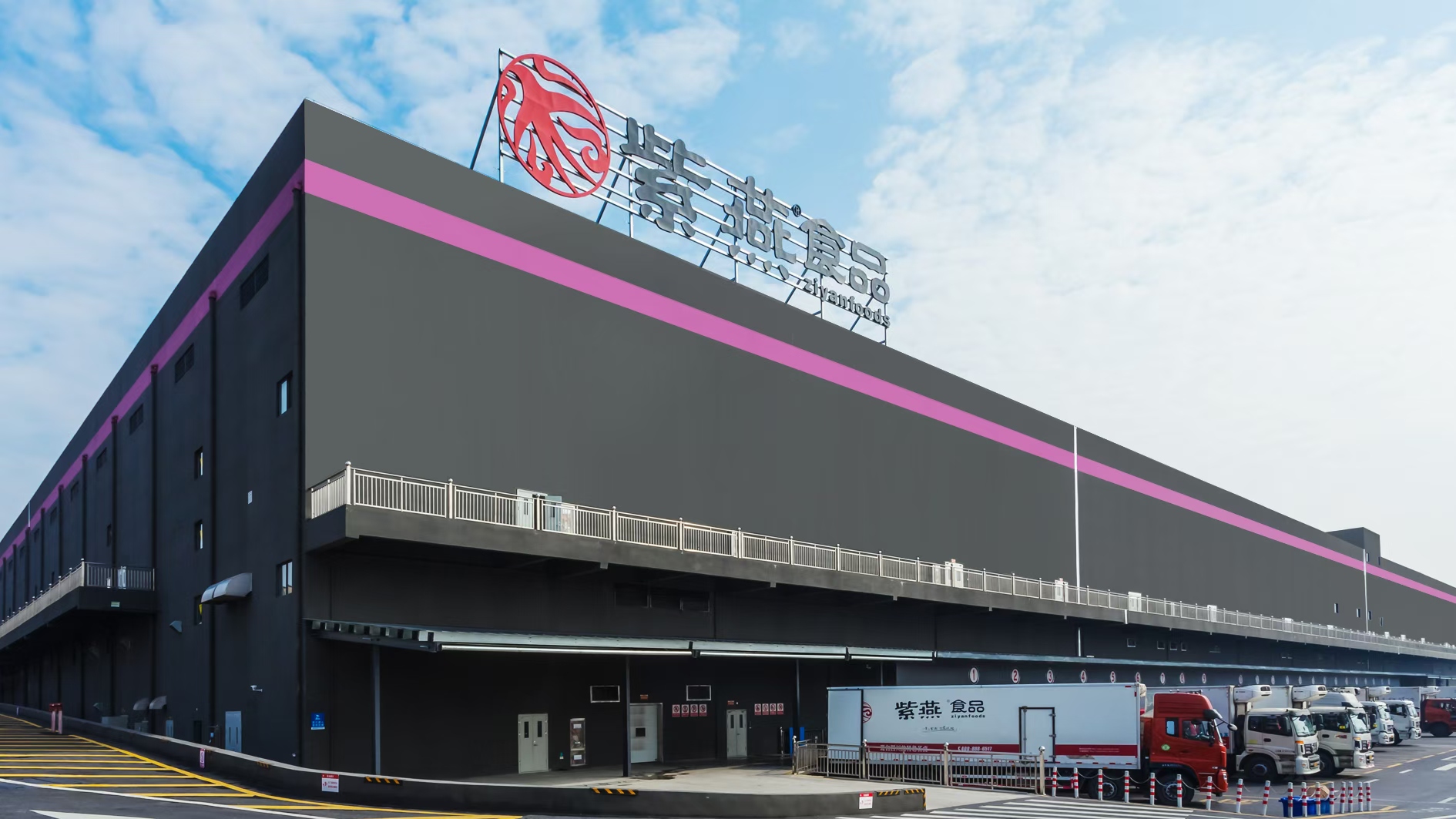
9亿元大单品背后,紫燕食品全链路严把品控守护卤味安全
Bei Ke Cai Jing· 2025-06-30 08:24
Core Insights - The article highlights the comprehensive quality control measures implemented by Ziyan Food, which ensure food safety and product quality from raw material selection to consumer feedback [1][9][14] - Ziyan Food's successful product offerings, particularly the popular "Husband and Wife Lung Slices," contribute significantly to its revenue, showcasing the effectiveness of its quality management practices [7][14] Group 1: Quality Control Measures - Ziyan Food has established a closed-loop quality control system that encompasses raw material selection, production processes, cold chain logistics, and store management [1][9] - The company collaborates with major suppliers like Wens Foodstuffs Group and COFCO to secure high-quality raw materials through long-term agreements [7][9] - A rigorous three-party acceptance system is in place for raw materials, ensuring only those that meet strict quality standards enter the production phase [7][9] Group 2: Production and Innovation - Ziyan Food combines traditional techniques with modern technology to optimize its production processes, ensuring consistent taste and quality [8][10] - The company is expanding its product range beyond traditional flavors to cater to diverse regional preferences across China [8][14] - The establishment of high-standard production bases enhances operational efficiency and product consistency [10][11] Group 3: Logistics and Distribution - Ziyan Food employs a self-built cold chain logistics fleet to ensure efficient and safe delivery of products from factories to stores [10][11] - Advanced technologies such as IoT and GPS tracking are utilized to monitor product conditions during transportation, maintaining freshness and safety [10][12] - The company has developed a supply chain system that allows for rapid order fulfillment, enhancing customer satisfaction [11][12] Group 4: Consumer Engagement and Feedback - Ziyan Food has implemented a digital management ecosystem that integrates various systems for real-time data analysis and operational efficiency [12][14] - The company actively collects consumer feedback through in-store evaluation machines, allowing for quick responses to customer needs [14] - A comprehensive food safety training program has been initiated to reinforce safety standards across all operational levels [14]

每经热评︱粽子里吃出带血创可贴?来伊份转型需过品控“生死关”
Mei Ri Jing Ji Xin Wen· 2025-05-13 12:50
Core Viewpoint - Recent food safety incident involving a consumer finding a suspected blood-stained band-aid in a product from Laiyifen has raised significant public concern about food safety and quality control within the company [1][2] Group 1: Incident and Response - Laiyifen has initiated a full investigation and has removed the affected batch of products from the market following the incident [1] - The company has stated that the involved products have been sealed and that they reached a settlement with the consumer, with no non-compliant products found by market supervision authorities [1] Group 2: Business Model and Challenges - Laiyifen's business model heavily relies on OEM (Original Equipment Manufacturer) production, with over 1,500 OEM products across 13 core categories, which can lead to challenges in food safety and quality control [1] - The company has faced over 400 consumer complaints related to food safety issues, indicating a significant erosion of consumer trust [2] - The rise of new retail formats and brands has intensified competition, leading to a 15.25% decline in revenue to 3.37 billion yuan and a net loss of 75.27 million yuan, a 231.94% increase in losses year-on-year [2] Group 3: Recommendations for Improvement - The company must prioritize strengthening food safety and quality control risk management to ensure product safety and quality [3] - There is a need for Laiyifen to reassess its quality control processes under the OEM model, enhancing the selection, supervision, and assessment of OEM factories [3] - The company should accelerate innovation and explore new business paths, focusing on diversification, product service innovation, and channel development [3]
