主体间性

Search documents
大模型之后:人类与机器的分工重写|万字圆桌实录
腾讯研究院· 2026-03-06 09:34
Core Viewpoint - The discussion emphasizes the transformative impact of AI on human collaboration and creativity, highlighting a shift from skill-based scarcity to idea-based scarcity in the context of human-AI interaction [6][16][20]. Group 1: Human-AI Collaboration - AI is seen as a revolutionary force that eliminates the barrier of time, allowing individuals to access and utilize knowledge without the lengthy learning processes previously required [7][8]. - The relationship between humans and AI is evolving into a symbiotic one, where AI acts as an extension of human capabilities rather than merely a tool [12][19]. - The emergence of AI has led to a fundamental shift in the nature of work, with humans focusing on generating ideas while AI handles technical execution [16][20]. Group 2: The Nature of Ideas and Skills - The scarcity of skills has shifted to a scarcity of quality ideas, necessitating individuals to cultivate their creativity and critical thinking [16][19]. - The importance of taste and judgment in idea generation has become paramount, as AI can handle technical aspects but lacks the nuanced understanding of human experience [20][21]. - The educational system faces challenges in fostering critical thinking and creativity, which are essential for thriving in an AI-enhanced environment [25][26]. Group 3: Future Aspirations and Developments - There is a desire for advancements in AI memory capabilities, enabling AI to maintain context and continuity in interactions, akin to human memory [33]. - The development of embodied intelligence in robots is crucial for achieving natural interactions between humans and AI in physical spaces [34]. - The exploration of diverse perspectives and the cultivation of AI's aesthetic sensitivity are seen as vital for enhancing collaborative creativity [31].


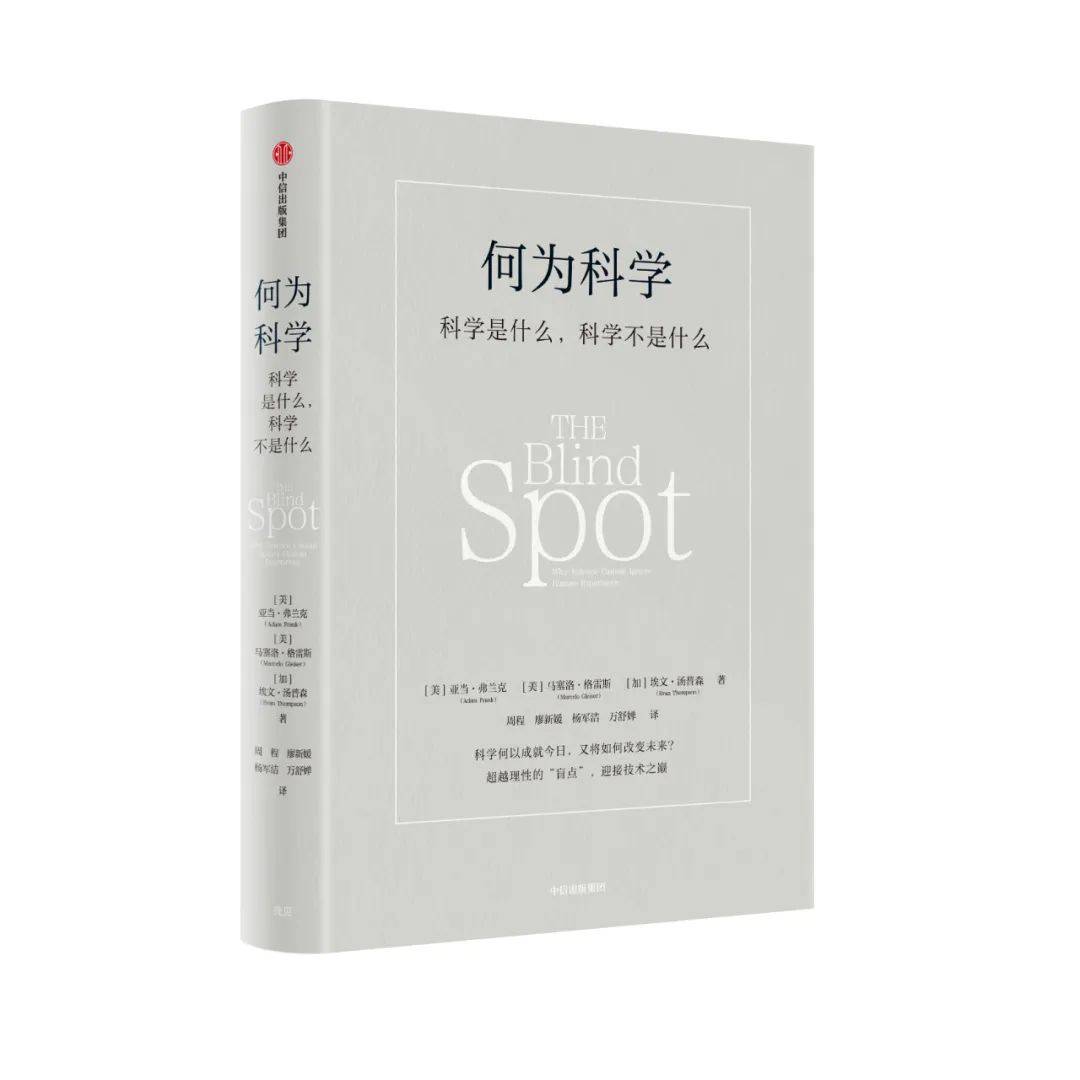
科学理性正在制造一场“意义”危机
Hu Xiu· 2025-05-15 05:56
Group 1 - The article discusses the evolution of science and its relationship with human existence, highlighting a crisis in scientific understanding and its implications for society [3][4][18] - It emphasizes the need for a new scientific worldview that reconnects science with direct human experience, moving away from the traditional dichotomy of subjectivity and objectivity [21][27][28] - The authors argue that the current scientific crisis stems from a "blind spot" in scientific philosophy, which prioritizes abstract mathematical concepts over direct human experience [9][10][15] Group 2 - The article outlines the significance of social sciences in understanding reality as constructed through shared human experiences, emphasizing the concept of intersubjectivity [22][24] - It critiques the tendency in both natural and social sciences to abstract and separate research from direct human experience, which can lead to a misunderstanding of social realities [24][29] - The authors propose that integrating direct experience into scientific inquiry can lead to a more nuanced understanding of social constructs and the mechanisms behind them [27][28][30]