
主动退市

Search documents
603056,下周二主动退市!
证券时报· 2026-03-25 11:51
Core Viewpoint - Debon Holdings (603056) has announced its voluntary delisting from the Shanghai Stock Exchange, with the stock set to be delisted on March 31, 2023, in order to better align with the logistics industry's development trends and to integrate resources within the JD Logistics system [1][3]. Group 1: Delisting Announcement - On March 25, Debon Holdings received approval from the Shanghai Stock Exchange to withdraw its stock from trading, leading to its termination of listing [1]. - The company plans to provide cash options to A-share shareholders at a price of 19.00 CNY per share, representing a 35.33% premium over the last closing price of 14.04 CNY per share before suspension [3]. Group 2: Business Strategy and Future Plans - The voluntary delisting is aimed at enhancing the coordination and integration of logistics resources within the JD Logistics framework, fulfilling commitments made by the indirect controlling shareholder regarding competition [3]. - After delisting, Debon Holdings asserts that its assets, personnel, and operations will remain unaffected, maintaining its brand and operational independence while enhancing service offerings [4]. Group 3: Company Background and Market Impact - Debon Holdings is the first company in the A-share market to propose a voluntary delisting, and following the announcement, the stock experienced three consecutive trading limit increases [5]. - The company has evolved from a regional logistics provider to a comprehensive logistics service provider listed on A-shares, and now to a delisted entity integrated with JD Logistics, marking nearly 30 years of development [5].


立体追责震慑“害群之马” 多元化退市路径清晰
Zheng Quan Ri Bao· 2026-02-25 15:57
Group 1 - The capital market has accelerated the pace of delisting, with a number of "shell companies" and "bad actors" being cleared out [1] - As of February 25, four companies have been forcibly delisted due to major violations, and one company has triggered trading-related delisting indicators [1] - Regulatory authorities are expected to strengthen delisting supervision and enforce delisting rules more rigorously as annual reports are disclosed [1][2] Group 2 - The implementation of new delisting regulations has led to a significant increase in the number of forced delistings due to major violations, focusing on fraud and financial misconduct [2] - Companies such as Shenzhen Guangdao Digital Technology Co., Ltd. and Beijing Dongfang Tong Technology Co., Ltd. have been delisted for major violations [2] - Regulatory actions have been swift and decisive, sending a clear signal of "delist as necessary" to the market [2] Group 3 - To enhance the deterrent effect of forced delistings, three measures are proposed: increasing the cost of violations, exposing typical cases, and establishing a delisting "blacklist" system [3] - A comprehensive accountability system involving administrative, criminal, and civil penalties is essential to strengthen the "zero tolerance" approach [3] - The responsibility of intermediary institutions must be reinforced to ensure accountability for audit failures and other misconduct [3][4] Group 4 - Regulatory penalties for intermediary institutions have intensified, moving from financial penalties to more restrictive measures such as qualification penalties [4] - Over 40 listed companies have terminated their contracts with auditing firms that have faced administrative penalties [4] - The severe punishment of intermediaries reflects a shift in regulatory practices, emphasizing the importance of maintaining professional standards [4] Group 5 - The A-share market is increasingly normalizing the delisting process, with both forced and voluntary delistings becoming more common [5] - Companies like ST Aowei have triggered delisting indicators, while others like Debang Co. are opting for voluntary delisting [5] - The rise in voluntary delistings indicates a maturation of the market-driven delisting mechanism, promoting a healthier capital market ecosystem [5] Group 6 - As the annual report disclosure season approaches, several ST companies have warned of potential financial delisting indicators due to expected poor performance [6] - Companies such as ST Jinglun and ST Yanshi anticipate revenues below 300 million yuan and negative net profits, which may lead to delisting [6] - Investors are advised to closely monitor regulatory inquiries regarding company performance and financial indicators during this period [6]
股票退市后能再上市吗?退市与再上市条件全解析
Sou Hu Cai Jing· 2026-02-05 23:16
Core Viewpoint - The possibility of relisting after delisting is not absolute, as some companies may still have the chance to relist, but the criteria for relisting are stringent and depend entirely on the reasons for delisting [1][29]. Group 1: Types of Delisting - Delisting is categorized into voluntary delisting and involuntary delisting, with the core premise for relisting being the distinction of the delisting nature [3]. - Companies that voluntarily delist for strategic adjustments, such as privatization or mergers, typically do not have significant legal violations and their operational fundamentals remain stable [4][5]. - Involuntary delisting, often due to regulatory non-compliance, is the most common scenario, with relisting conditions varying based on the reason for delisting [7]. Group 2: Relisting Conditions - Regardless of whether the delisting is voluntary or involuntary (excluding major legal violations), there are unified basic conditions for relisting, although there are slight differences across market segments [8]. - After delisting, companies must transition to the National Equities Exchange and Quotations (NEEQ) for trading [9]. - For trading-related delisting, companies can apply for relisting after 3 months; for financial-related delisting, they must wait for one full accounting year; and for major legal violations (excluding fraudulent issuance), a waiting period of 5 complete accounting years is required [10]. Group 3: Financial and Governance Requirements - For the main board, companies must have a positive net profit in the most recent year and revenue of at least 300 million yuan, or positive net profits in the last two years totaling over 30 million yuan, with positive net assets and no unremedied losses [11]. - For the Sci-Tech Innovation Board and Growth Enterprise Market, companies must have revenue of at least 100 million yuan, positive net profits in the last two years totaling over 40 million yuan, or a market capitalization of at least 10 billion yuan with revenue of at least 1 billion yuan [11]. - Companies must also have a sound governance structure, no significant internal control deficiencies, and no major legal violations by directors, supervisors, or senior management in the last three years [13]. Group 4: Restrictions on Relisting - Major legal violations leading to delisting impose strict restrictions or outright bans on relisting, with fraudulent issuance resulting in a lifetime ban [16]. - Companies delisted for major information disclosure violations must wait 5 accounting years to apply for relisting and must fully rectify the violations and handle civil compensation appropriately [17]. - Companies that have not completed rectification before delisting or have unresolved major litigation will not have their applications accepted [19]. Group 5: Relisting Process - The relisting process involves several stages: completing rectification post-delisting, hiring a sponsor for verification, and preparing application materials [21]. - Applications must be submitted to the target listing exchange along with audit reports and internal control reports [22]. - The exchange will conduct a thorough review focusing on financial authenticity and ongoing operational capability, ensuring transparency throughout the process [23]. Group 6: Common Misconceptions - A common misconception is that all delisted stocks can relist; however, stocks delisted for fraudulent issuance are permanently barred from relisting [26]. - Another misconception is that meeting the conditions guarantees approval; the exchange will evaluate ongoing operational capability comprehensively, with financial compliance being just a baseline requirement [27]. - Additionally, the belief that trading delisted stocks on the NEEQ will always yield profits is misleading, as the probability of relisting is low and most delisted stocks have poor liquidity, posing greater risks than opportunities [28].
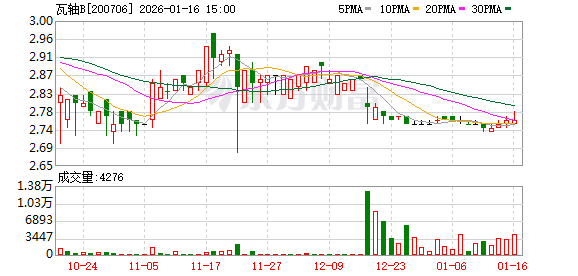
瓦轴集团发起全面要约收购 拟终止瓦轴B上市地位
Zheng Quan Ri Bao· 2026-01-18 14:05
Core Viewpoint - Wafangdian Bearing Co., Ltd. (referred to as "Wafangdian B") is actively progressing towards voluntary delisting, with its controlling shareholder, Wafangdian Bearing Group Co., Ltd. (referred to as "Wafangdian Group"), initiating a comprehensive tender offer to acquire all circulating shares at a price of 2.86 HKD per share [2][4]. Group 1 - Wafangdian B has reported continuous financial struggles, with net profits declining for six consecutive years and non-recurring net profits showing losses for twelve years since 2013 [2][3]. - The company’s financial performance has been adversely affected by global economic downturns and structural adjustments, leading to increased financial risks and operational challenges [3][5]. - As of the third quarter of 2025, Wafangdian B reported a net loss of 29.51 million CNY and a non-recurring net loss of 45.68 million CNY, with a high asset-liability ratio of 91.90% [3]. Group 2 - The tender offer period is set from January 20, 2026, to February 27, 2026, lasting 39 days, with a minimum acceptance threshold of 3.905 million shares for the offer to be valid [4]. - Wafangdian Group currently holds 244 million shares, representing 60.61% of Wafangdian B's total share capital, and the maximum funding required for the tender offer is estimated at 454 million HKD [4]. - Legal experts suggest that voluntary delisting may be a pragmatic choice for the company, allowing it to relieve short-term performance pressures and potentially pursue long-term transformation with the support of its major shareholder [5].

年内首只主动退市股,21日起停牌!股价三连阳
2 1 Shi Ji Jing Ji Bao Dao· 2026-01-16 10:19
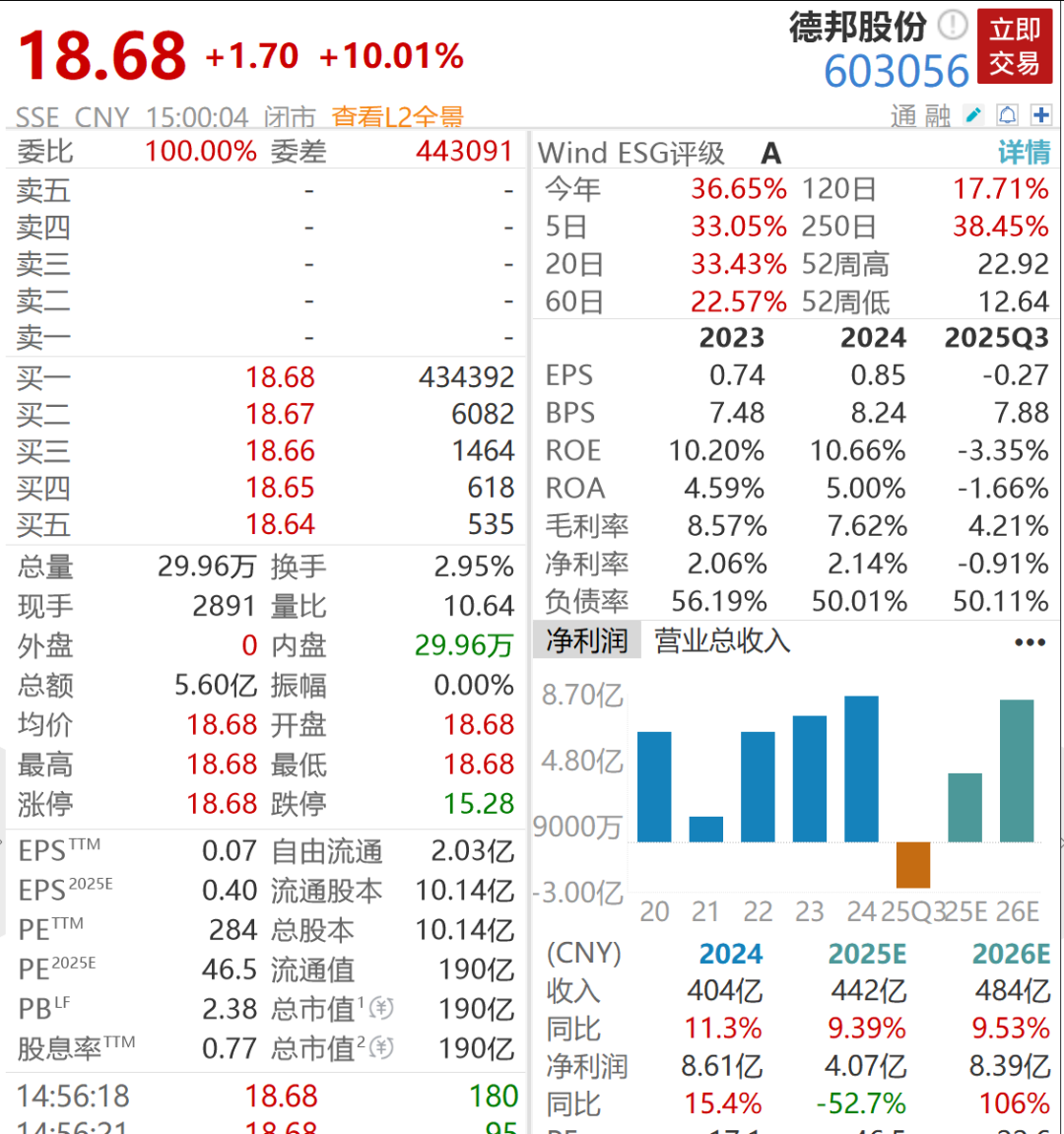
Group 1 - Debon Holdings (603056) announced that its stock will be suspended from trading on January 21, 2026, until the Shanghai Stock Exchange announces the delisting decision, marking the company's termination of listing [1] - The company has provided a cash option for investors with an exercise price set at 19.00 CNY per share, covering no more than 19.99% of shares, with the record date for the stock being February 6, 2026 [2][3] - As of January 16, 2026, Debon Holdings' stock price closed at 18.68 CNY per share, with a market capitalization of 19 billion CNY, following three consecutive trading limits [1][2] Group 2 - The case of Debon Holdings reflects a growing trend of "voluntary delisting" in the A-share market, with several companies opting for this route for strategic reasons such as mergers and reorganizations [3] - The regulatory environment is tightening around forced delistings, with over 30 companies expected to be delisted in 2025, particularly due to significant violations like financial fraud [3] - Both voluntary and forced exits indicate a strengthening of investor protection mechanisms within the regulatory framework [3][4] Group 3 - The overall trend points towards the formation of a healthier and more effective capital market in the A-share ecosystem, characterized by a balance of entries and exits [4]
年内9家公司宣布主动退市
Shen Zhen Shang Bao· 2025-12-18 17:23
Core Viewpoint - A total of 9 companies have voluntarily delisted this year, with 5 due to absorption mergers and 4 through privatization methods such as tender offers, indicating a trend towards more companies opting for voluntary delisting as regulatory channels for delisting diversify [1][2] Group 1: Company Delisting Trends - 9 companies have voluntarily delisted this year, with 5 involved in absorption mergers and 4 through privatization [1] - Companies that have announced or completed voluntary delisting include Yulong Co., Ltd., AVIC Capital, Tianmao Co., Ltd., Hangzhou Steam Turbine B, Dongxing Securities, and others [1] - The delisting of companies like Hangzhou Steam Turbine B and Dongxing Securities is attributed to absorption mergers, while Yulong Co., Ltd. and others have chosen voluntary delisting due to poor performance or financial difficulties [1] Group 2: Reasons for Delisting - Yulong Co., Ltd. faced severe operational stagnation and cash flow issues, leading to a lack of self-sustaining capability [2] - AVIC Capital, the first financial holding company listed in A-shares, cited significant operational uncertainties that could have major impacts [2] - Industry insiders suggest that voluntary delisting is a strategic choice for controlling shareholders to mitigate greater risks, allowing for better planning and reduced compliance costs [2]


资本市场出清加速 主动退市实质性起步
Zheng Quan Ri Bao· 2025-12-17 16:07
Core Viewpoint - Wafangdian Bearing Co., Ltd. (Wazhou B) is undergoing a voluntary delisting process initiated by its controlling shareholder, Wafangdian Bearing Group Co., Ltd., due to continuous financial losses and operational challenges, marking a significant trend in the capital market towards voluntary delisting as a strategic choice for companies [1][2][4]. Summary by Sections Company Announcement - Wazhou B announced a comprehensive tender offer to acquire all shares from its shareholders, with a total of 158.6 million shares, representing 39.39% of the company's total equity, at a price of HKD 2.86 per share, requiring a maximum funding of HKD 453 million [2]. Financial Performance - Wazhou B has reported continuous losses for six consecutive years, with net profits from 2019 to 2024 recorded as -123 million, -380 million, -206 million, -140 million, -99 million, and -110 million respectively [2]. Market Trends - The number of companies voluntarily delisting has increased, with nine companies announcing such actions in 2023 alone, reflecting a shift in market dynamics and regulatory environment [2][3]. Regulatory Environment - The new regulatory framework emphasizes stricter delisting standards and encourages companies to consider voluntary delisting as a viable option, enhancing market efficiency and promoting a healthier capital market [4][8]. Investor Protection - Regulatory bodies are enhancing protections for investors in voluntary delisting scenarios, including cash options for shareholders, ensuring that minority investors' rights are safeguarded during the process [5][6][7]. Future Outlook - The trend of voluntary delisting is expected to become normalized and diversified, aligning with the broader economic transformation and high-quality development of the capital market, indicating a shift from a focus on maintaining listing status to prioritizing sustainable business growth [8].
刚刚,这家公司官宣主动退市,明起复牌!
Zheng Quan Ri Bao Wang· 2025-12-17 14:09
Core Viewpoint - Wafangdian Bearing Co., Ltd. (Wafangdian B) is undergoing a voluntary delisting process initiated by its controlling shareholder, Wafangdian Bearing Group Co., Ltd., aiming to protect shareholder interests amid ongoing financial losses and operational challenges [1][3]. Summary by Sections Company Announcement - Wafangdian B announced a comprehensive offer to acquire all shares from its shareholders, with a total of 158.6 million shares (39.39% of total shares) at a price of 2.86 HKD per share, requiring a maximum funding of 453 million HKD [2][3]. Financial Performance - The company has reported continuous losses for six consecutive years, with net profits from 2019 to 2024 showing negative figures: -123 million, -380 million, -206 million, -140 million, -99 million, and -110 million CNY respectively [3][4]. Market Trends - There has been an increase in voluntary delistings in the capital market, with nine companies announcing such actions in 2023 alone, reflecting a shift towards a more efficient market and the need for companies to adapt strategically [5][6]. Regulatory Environment - The new regulatory framework emphasizes stricter delisting standards and encourages companies to pursue voluntary delisting as a viable option, aligning with the "survival of the fittest" principle in the capital market [6][7]. Investor Protection - Regulatory bodies are enhancing investor protection measures for companies opting for voluntary delisting, including cash options for shareholders, ensuring fair treatment during the delisting process [8][9]. Future Outlook - The trend of voluntary delisting is expected to become normalized, indicating a shift in corporate strategy from merely maintaining a listing to focusing on sustainable development and operational efficiency [9][10].
终止上市是好事还是坏事
Sou Hu Cai Jing· 2025-09-13 13:24
Group 1 - The core viewpoint is that the impact of delisting depends on whether it is voluntary or forced, with significant differences between the two scenarios [1] Group 2 - Voluntary delisting typically occurs when major shareholders or management believe the stock is undervalued and decide to repurchase shares from the market [3] - The impact of voluntary delisting includes premium buybacks, short-term profits for shareholders, reduced disclosure costs for the company, and greater strategic flexibility [3] Group 3 - Forced delisting is triggered by financial non-compliance or significant legal violations [3] - The consequences of forced delisting may include continuous price declines before delisting, inability to trade publicly post-delisting, and difficulties for retail investors to exit [3][7] Group 4 - Transfer delisting occurs when a company's stock moves from A-shares to Hong Kong stocks, allowing for broader financing channels but requiring adaptation to new market rules, which may lead to short-term price volatility [3] Group 5 - Absorption mergers leading to delisting typically involve acquisition by larger companies, providing shareholders with compensation and potentially enhancing long-term corporate value through resource integration [5] Group 6 - For companies, voluntary privatization requires active share repurchases in the short term, but offers greater long-term flexibility and the possibility of relisting [6] - Forced delisting negatively impacts the company's reputation, increases financing difficulties, and raises bankruptcy risks [7] Group 7 - For retail investors, forced delisting allows a 30-day selling period during the delisting adjustment phase, but liquidity is extremely poor, and stocks may become worthless upon transfer to the third board market [7] - In contrast, voluntary delisting often results in buyback prices that exceed market prices, providing an opportunity for retail investors to cash out [8] Group 8 - The overall conclusion is that the implications of delisting are contingent on whether it is voluntary or forced, with voluntary delisting potentially offering benefits and forced delisting representing a negative scenario that necessitates timely loss mitigation [9]

手持2.8亿元鸡缸杯,刘益谦“保不住”*ST天茂,终遭退市
Di Yi Cai Jing· 2025-09-05 04:23
Group 1 - The core reason for Tianmao Group's voluntary delisting is the difficulty in publishing its annual report, which has led to significant uncertainty regarding its business structure [1] - On September 4, Tianmao Group announced its intention to withdraw its A-share listing on the Shenzhen Stock Exchange and transfer to the National Equities Exchange and Quotations for management in the delisting segment [1] - The company faces a deadline to disclose its 2024 annual report within two months from the date of being placed under delisting risk warning (July 7), failing which its stock will be terminated from listing [1] Group 2 - The company plans to provide cash options to dissenting shareholders and other shareholders, with an exercise price set at 1.60 yuan per share, expecting to spend no more than 2.606 billion yuan [1]