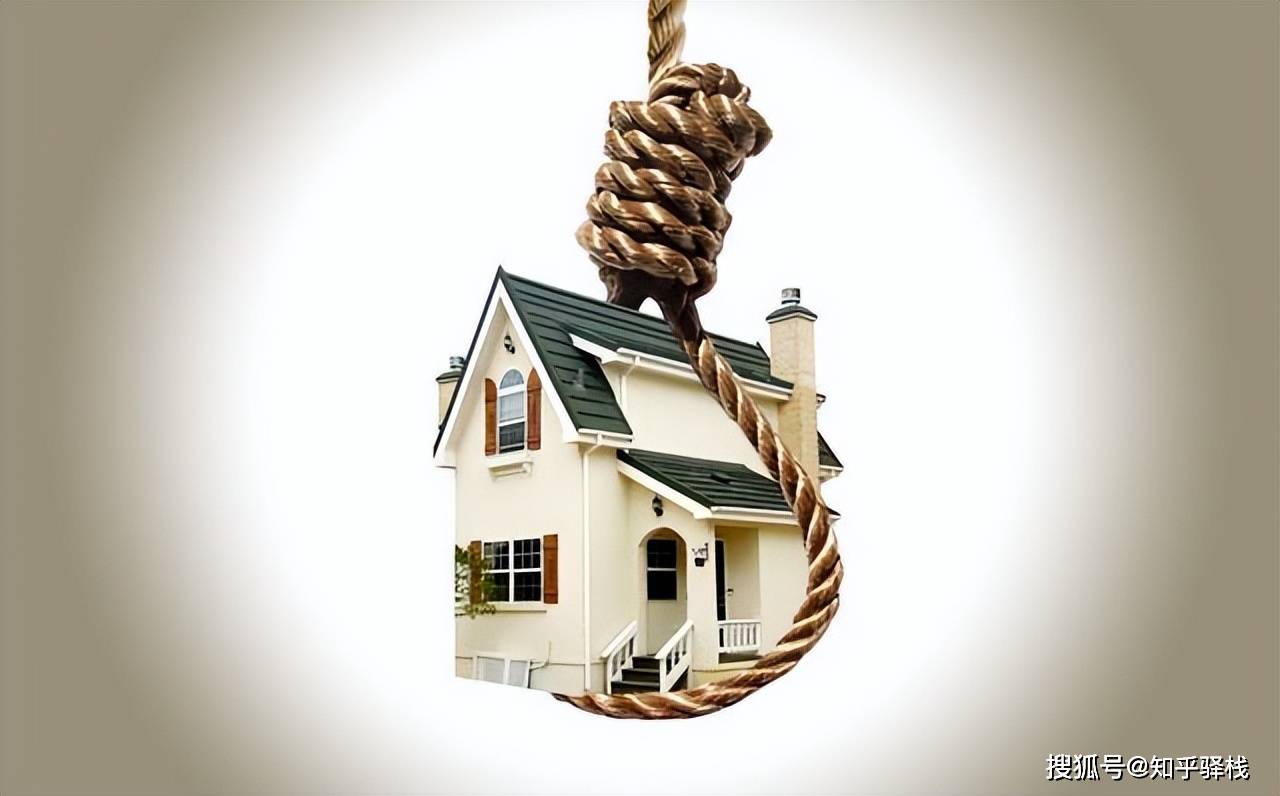
二手房抛售潮

Search documents
二手房抛售愈演愈烈,业内人士:我们在创造一个人类奇迹?
Sou Hu Cai Jing· 2026-01-05 15:56
Core Insights - The Chinese real estate market is undergoing an unprecedented transformation, characterized by a simultaneous decline in both transaction volume and prices, indicating a "quantity and price drop" phenomenon [1] - The surge in second-hand housing listings is intensifying the downward pressure on future housing prices, with a significant increase in the number of cities experiencing price declines [1][2] Market Trends - In May, the number of cities with new residential prices declining increased to 54, up by 10 from April, while 83 cities saw second-hand housing prices drop, an increase of 7 from the previous month [1] - Sales of new homes and second-hand homes are both shrinking, with Beijing and Shanghai reporting significant declines in second-hand home transactions [1] Listing Surge - Major cities like Nanjing, Chengdu, and Hangzhou have seen historical highs in second-hand home listings, exceeding 170,000, 190,000, and 210,000 respectively, indicating a looming risk of price drops [1] - Other cities such as Beijing, Chongqing, and Wuhan are also facing substantial listing pressures, with numbers reaching over 110,000 and 200,000 [1] Investor Sentiment - The rapid increase in second-hand listings reflects a lack of confidence among investors regarding the future of the housing market, with experts expressing concerns about the ongoing trends [2] - The anticipated introduction of property taxes is causing anxiety among property owners, prompting many to sell their properties to avoid increased holding costs [4] Financial Pressures - The number of individuals opting to repay their mortgages early is rising, driven by financial strain from the pandemic or a desire to escape long-term debt [7] - Many homeowners are now more rational in their purchasing decisions, influenced by reduced incomes and a more cautious approach to borrowing [9][10]

二手房抛售狂潮席卷全国:我们制造史诗级变革?将会有什么结果
Sou Hu Cai Jing· 2025-07-21 01:26
Core Viewpoint - The real estate market in China is experiencing a significant downturn, with a surge in second-hand home sales and declining prices across various cities, indicating a trend of market de-leveraging and revealing underlying issues in the housing sector [1][3]. Group 1: Market Trends - In the first quarter of 2025, second-hand home prices in 70 cities fell by an average of 7.3%, with a month-on-month decline of 2.1%, marking 15 consecutive months of price drops [1]. - First-tier cities saw a price drop of approximately 4.8%, while second-tier cities experienced a decline of 6.7%, and third and fourth-tier cities faced a more severe drop of 9.2% [1]. Group 2: Causes of Selling Surge - The demographic shift is leading to a decrease in home-buying motivation, with China's population projected to decline for the first time in 2024, resulting in a reduction of 540,000 people and a shrinking pool of potential homebuyers [3]. - Economic pressures are mounting, with rising mortgage delinquency rates reaching 1.7% as many families struggle to meet their mortgage obligations due to job losses and salary cuts [3]. - There is a growing disparity in the real estate market, where high-quality properties are performing better while lower-tier properties in third and fourth-tier cities face high vacancy rates and declining interest from buyers and investors [3]. Group 3: Consequences of the Selling Wave - The decline in home prices is leading to a reduction in household wealth, with reports indicating that a 10% drop in home prices can result in a loss of 600,000 yuan in family wealth [5]. - Local governments are facing fiscal crises due to decreased land transfer revenues, leading to budget constraints and reduced public services, which in turn drives young people away from these cities [5]. - Banks are experiencing increased risks in mortgage lending, with higher delinquency rates posing challenges to the financial system [5]. Group 4: Government Response - Over 80 cities have implemented policies such as lowering down payments, offering loan incentives, and providing home purchase subsidies to stimulate the market [7]. - Despite these measures, younger generations are increasingly opting to rent rather than buy, indicating a disconnect between policy initiatives and market realities [7]. Group 5: Future Outlook - The real estate market is transitioning from an investment-driven model to one focused on residential needs, with a recommendation for buyers to prioritize properties with good locations and comprehensive amenities [7]. - Diversification in asset allocation is advised, with an emphasis on financial instruments and human capital development as key components of future wealth generation [7]. - The Chinese real estate market is entering a "silver upgrade period," characterized by structural adjustments that are necessary for sustainable growth [7].