
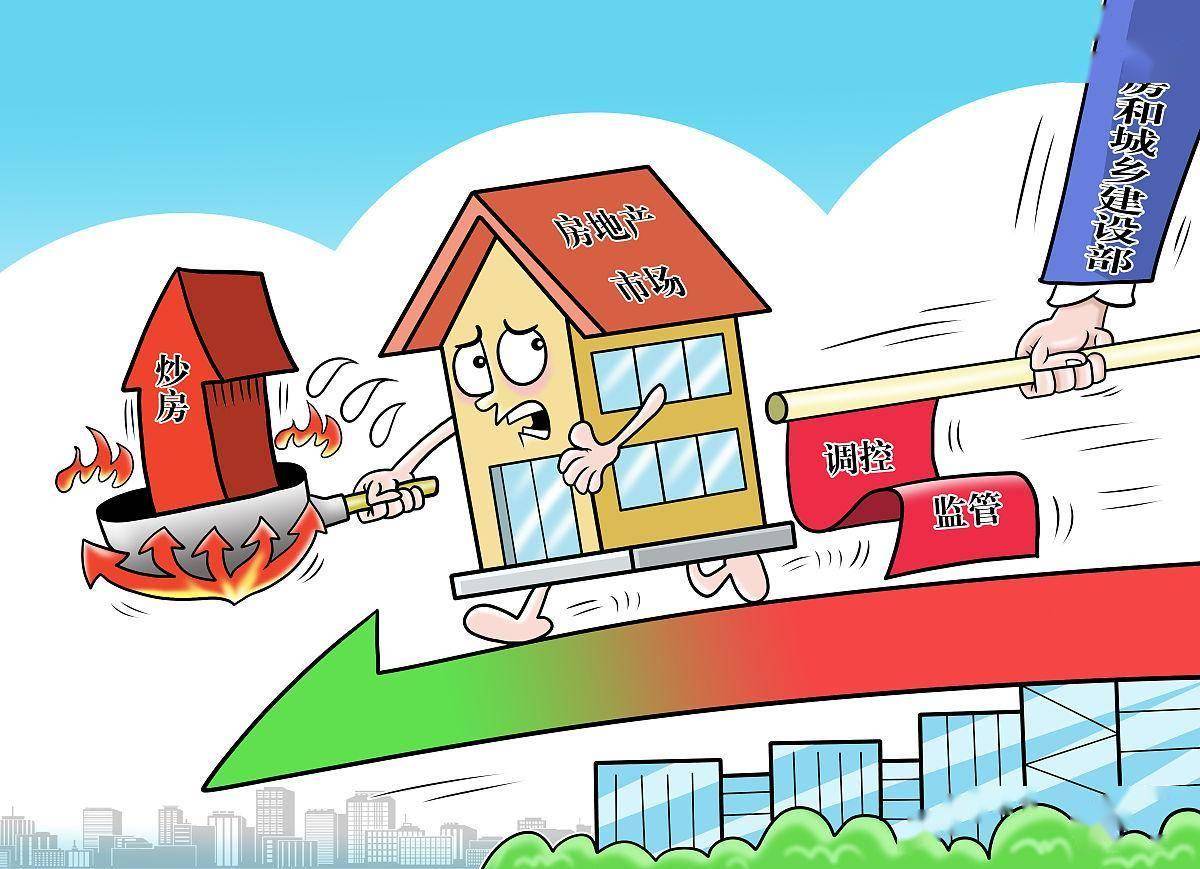
房住不炒

Search documents
2026年楼市会不会企稳?逻辑给你,答案自己找
吴晓波频道· 2026-03-09 00:29
Group 1 - The core viewpoint of the article discusses the stabilization of the housing market in China and the factors influencing it, including supply and demand, urban differentiation, industry factors, and population trends [2][3][4] Group 2 - Supply and demand: The average living space per urban resident in China has increased to 41 square meters from 3.8 square meters in 1978, indicating a shift from a housing demand era to an improvement phase, where many households already own homes [2] - Urban factors: There has been a divergence in housing prices across different cities and even within the same city, with some areas experiencing price increases while others see declines [2] - Industry factors: The "housing is for living, not for speculation" policy and the collapse of private enterprises have significantly impacted the housing market, exemplified by Vanke's struggles after aggressive land acquisitions [3] - Population factors: The birth rate in China has reached a record low, with only 7 million newborns last year, while the number of university graduates has been increasing, leading to concerns about future housing demand [3][4]


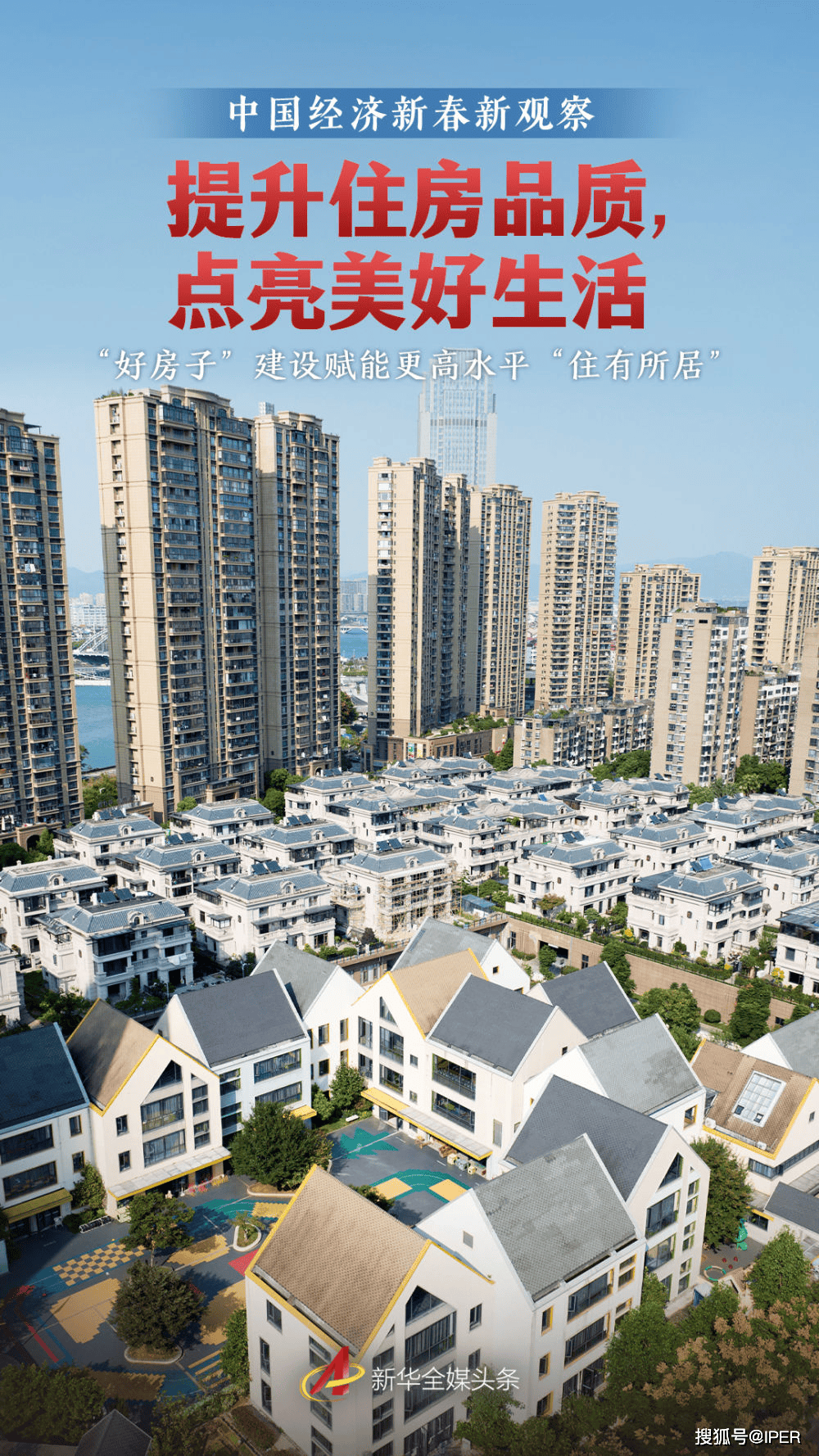
房地产全面转向“消费时代” 一二三线城市开始不同分化
Sou Hu Cai Jing· 2026-02-28 04:22
Core Transformation - The Chinese real estate market is transitioning from an "investment product" to a "consumer product," with a focus on living quality rather than investment appreciation [1][2][3] - The shift in buyer sentiment is evident, with over 80% of buyers now prioritizing self-use over investment, contrasting sharply with previous years [1][4] Market Dynamics - The supply-demand relationship in the real estate market has fundamentally changed, with the financial attributes of housing diminishing and consumer attributes becoming dominant [2][3] - In 2025, the national sales area of commercial residential properties decreased by 2.3%, while the sales area of improved housing increased by 8.7% [2] Rise of Second-Hand Housing - The rise of second-hand housing is reshaping industry logic, transitioning the real estate sector from a manufacturing model to a service-oriented model [3][20] - The market is increasingly valuing housing based on quality, experience, and practicality rather than future price appreciation [3][20] Investment Trends - Investment properties have significantly decreased, with the proportion of investment listings dropping from 38% in 2020 to 11.3% in 2025 [2][4] - Developers are now focusing on quality improvements, with a 12.6% increase in investment for residential quality enhancement in 2025 [4][21] Policy Influence - Policy adjustments are promoting the transition towards consumer attributes in the Beijing real estate market, with measures aimed at supporting genuine housing needs rather than investment [7][8] - The Beijing government has implemented policies to lower barriers for first-time buyers and improve housing accessibility for families [7][8] Urban Differentiation - The real estate market in first-tier cities like Beijing is experiencing a structural recovery, with a clear distinction between quality housing and basic needs housing [5][6] - In second and third-tier cities, the market is polarized, with quality housing in demand in cities with population inflows, while weaker markets face high inventory and low demand [10][11] Consumer Behavior - The consumer mindset has shifted, with 82.7% of respondents prioritizing living needs in their home purchases, and 67.3% stating they will not buy for investment purposes [4][8] - The focus on quality living conditions is reshaping buyer preferences, emphasizing the importance of community amenities and property management [8][19] Industry Response - Real estate companies are shifting their strategies to focus on quality and sustainability, moving away from high-leverage, high-turnover models [20][21] - Many leading firms are investing in green buildings and smart community features, reflecting a broader industry trend towards quality enhancement [20][21] Future Outlook - The ongoing transformation in the real estate market is expected to lead to a healthier, more rational, and sustainable development phase, aligning with consumer needs [23][24] - The industry's future will hinge on the ability to provide quality housing that meets the evolving demands of consumers, ensuring a stable market environment [23][24]
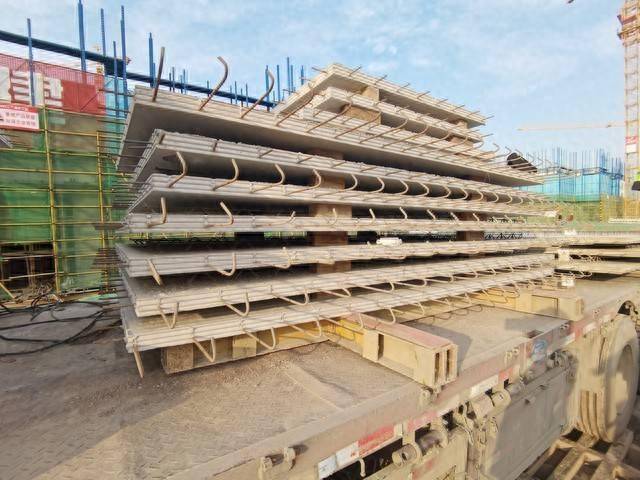
高人预测:5年后,手持两套房以上的家庭,将面临3个麻烦,太真实
Sou Hu Cai Jing· 2026-02-27 15:51
Group 1 - The core viewpoint of the article highlights the changing dynamics of the real estate market, where owning multiple properties is becoming increasingly burdensome for families due to rising costs and market conditions [5][15]. - In the past, buying real estate was seen as a guaranteed way to make money, with rising prices leading many to leverage their finances heavily [3][5]. - The article identifies three main challenges that families with multiple properties may face in the next five years: increased barriers to entry for property investment, a cooling second-hand housing market, and rising holding costs [5][15]. Group 2 - Challenge one discusses the increasing difficulty and costs associated with property investment, as policies emphasize "housing for living, not speculation," leading to stricter lending practices and higher down payment requirements for second homes [9][11]. - Challenge two addresses the cooling of the second-hand housing market, where properties that were once in high demand are now taking significantly longer to sell, with many listings remaining unsold for extended periods [19][24]. - Challenge three focuses on the rising costs of holding properties, including maintenance fees and potential property taxes, which can turn real estate from an asset into a financial burden for families with multiple homes [30][35].
“沪七条”进一步释放购买力,数据改善和政策博弈情绪共振:房地产行业快评
Guoxin Securities· 2026-02-27 09:59
Investment Rating - The investment rating for the real estate industry is "Outperform the Market" (maintained) [1] Core Viewpoints - The "Shanghai Seven Measures" further releases purchasing power by reducing housing purchase restrictions and optimizing housing provident fund loan policies, which is expected to alleviate payment pressure and stimulate demand [2][3] - The Shanghai real estate market has adjusted for three years, with a widening price gap between new and second-hand homes, and the new policies are beneficial for breaking the replacement chain [2][18] - There are signs of mild recovery in the market before the Spring Festival, with an increased probability of price stabilization [2][41] - Short-term outlook for real estate stocks is positive due to improved data performance and market conditions, while mid-term focus should be on whether housing prices can stabilize, with March being a critical observation point [2][50] Summary by Sections Policy Changes - The "Shanghai Seven Measures" lowers the threshold for home purchases, allowing eligible non-residents to buy an additional property and easing restrictions for residents [3][4] - The maximum loan amount for first-time homebuyers using the housing provident fund has been increased from 1.6 million yuan to 2.4 million yuan, with additional support for families with multiple children [4] Market Dynamics - The average transaction price for new homes has risen to 10 million yuan, while the second-hand home market shows a steady recovery with average prices around 4 million yuan [18] - The disparity in average prices between new and second-hand homes has made it difficult for homeowners to upgrade, but the new policies aim to facilitate this process [18][19] Market Recovery Indicators - The rate of decline in second-hand home prices has slowed significantly, with Shanghai's prices turning positive at +0.5% [41] - The transaction volume of second-hand homes in January increased by 16% year-on-year, indicating a recovery trend [41][42] - New home market conditions have also shown marginal improvement, with major developers reporting better sales performance [42]



房地产行业快评:“沪七条”进一步释放购买力,数据改善和政策博弈情绪共振
Guoxin Securities· 2026-02-27 07:23
Investment Rating - The investment rating for the real estate industry is "Outperform the Market" (maintained) [1] Core Insights - The "Shanghai Seven Measures" further releases purchasing power by reducing housing purchase restrictions and optimizing housing provident fund loan policies, which is expected to alleviate payment pressure and stimulate demand [2][3] - The Shanghai real estate market has adjusted for three years, with a widening price gap between new and second-hand homes, and the new policies are beneficial for breaking the replacement chain [2][18] - There are signs of mild recovery in the market before the Spring Festival, with an increased probability of price stabilization [2][41] - Short-term outlook for real estate stocks is positive due to improved data performance and market conditions, while mid-term focus should be on whether housing prices can stabilize, with March being a critical observation point [2][50] Summary by Sections Policy Changes - The "Shanghai Seven Measures" lowers the threshold for home purchases, allowing eligible non-residents to buy an additional property and easing restrictions for residents [3][4] - The maximum loan amount for first-time homebuyers using the housing provident fund has increased from 1.6 million to 2.4 million yuan, with additional support for families with multiple children [4] Market Dynamics - The average transaction price for new homes has risen to 10 million yuan, while the second-hand home market shows a steady recovery with average prices around 4 million yuan [18][19] - The policy changes are expected to enhance the matching of buyers and properties, particularly benefiting younger demographics among new residents [4][19] Market Recovery Indicators - The rate of decline in second-hand home prices has slowed significantly, with Shanghai's price turning positive at +0.5% in January 2026 [41] - The transaction volume of second-hand homes has improved, with a year-on-year increase of 16% in January 2026 [41] - New home market conditions have also shown marginal improvement, with major developers reporting a relative sales increase of 26% in January [42]
沪七条新政下,上海楼市将迎来哪些重大变化?
Sou Hu Cai Jing· 2026-02-26 16:59
Core Viewpoint - The recent policy adjustments in Shanghai's real estate market, referred to as "沪七条," represent significant changes aimed at optimizing housing policies and expanding the pool of potential homebuyers, particularly benefiting non-local residents and families with multiple children [1][9]. Group 1: Policy Adjustments - The new policy significantly lowers the purchasing threshold for non-local residents, reducing the required social security or tax payment period from 5 years to just 1 year for buying homes within the outer ring [3]. - Non-local families who have paid social security or taxes for 3 years or more can purchase an additional home within the outer ring, while those holding a Shanghai residence permit for over 5 years can buy one home citywide without needing to provide social security or tax proof [5]. Group 2: Financial Support Measures - The maximum public housing fund loan for first-time homebuyers has been raised from 1.6 million yuan to 2.4 million yuan, with potential increases for families purchasing green buildings or those with multiple children, allowing loans to reach up to 3.24 million yuan [6][8]. - The new policy allows families who have paid off their first public housing fund loan to apply for a second loan, enhancing support for families looking to upgrade their housing [8]. Group 3: Market Impact and Strategy - The adjustments reflect a targeted approach to policy-making, focusing on new residents and families with improvement needs, while also aligning with national strategies to support housing demand [8]. - Areas along the outer ring are expected to benefit the most from these changes due to lower property prices and improved amenities, making them attractive to new residents and first-time buyers [8][9]. - Overall, the "沪七条" aims to stimulate reasonable housing demand while maintaining necessary market controls to prevent overheating, creating a favorable window for genuine homebuyers [9].
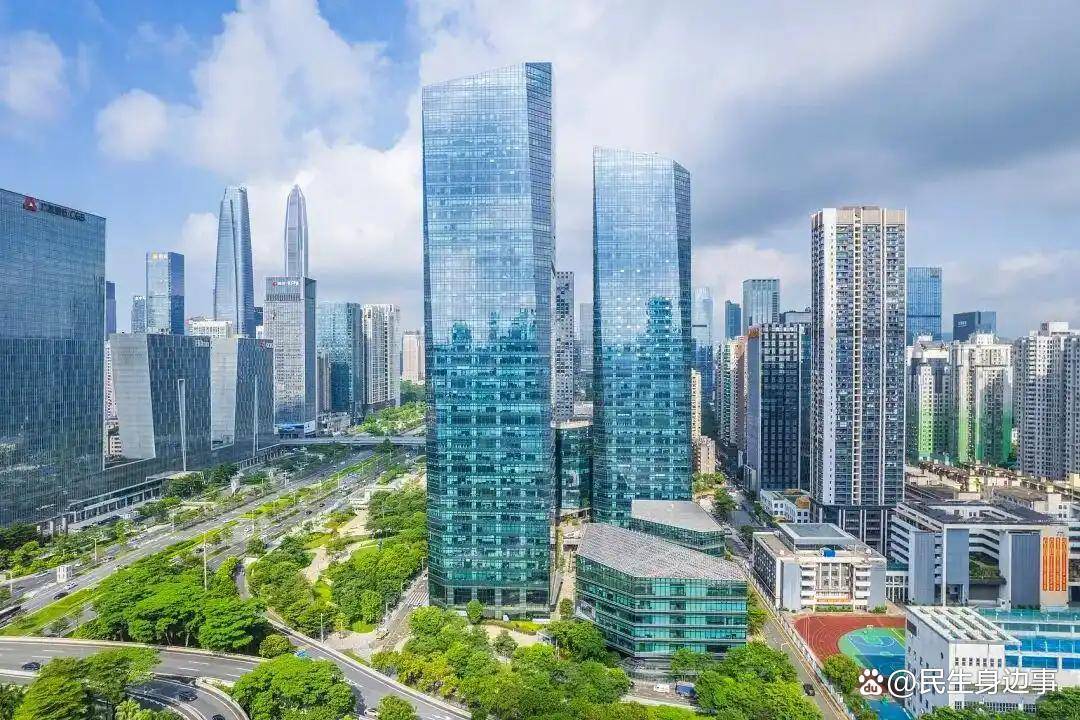
福州市房地产产业高质量发展座谈会召开 吴贤德出席并讲话
Xin Lang Cai Jing· 2026-02-26 16:39
Core Viewpoint - The meeting focused on promoting the high-quality development of the real estate industry in Fuzhou, emphasizing the importance of collaboration between the government and real estate enterprises to stabilize and enhance the market [1][2]. Group 1: Industry Development - The real estate industry is a crucial sector for the national economy and a significant source of wealth for residents, with its healthy development impacting overall economic stability and the well-being of the populace [2]. - Recent policy measures have begun to reverse the downward trend in the national real estate market, leading to a stabilization in Fuzhou's real estate sector [2]. Group 2: Government and Enterprise Collaboration - The government encourages real estate companies to act as "city partners" by understanding market trends and community needs, and to invest in high-quality projects that enhance living conditions [3]. - There is a call for the establishment of a clear and friendly relationship between the government and businesses, with ongoing efforts to optimize the business environment and support policies to alleviate burdens on enterprises [3].
今明两年不买房,到底是明智还是糊涂?过来人3句话说得相当明白
Sou Hu Cai Jing· 2026-02-26 11:37
Core Viewpoint - The article emphasizes that the decision to buy a house should be based on personal financial readiness rather than market timing or external opinions, highlighting the importance of individual circumstances in real estate investment decisions [1][3][8] Group 1: Personal Financial Readiness - Buying a house is not about timing the market but about being financially prepared; if one is ready, they should buy, and if not, it is wise to wait [3] - Key factors include having a stable income, sufficient savings for a down payment without borrowing, and the ability to comfortably cover monthly payments without affecting daily living expenses [3][6] - If these conditions are met, the current market offers low interest rates and ample choices, making it a good time to buy [3][8] Group 2: Market Dynamics and Location - The real estate market has shifted from a universally profitable environment to one characterized by significant differentiation; buying in the wrong location can lead to financial loss [5] - Properties in core urban areas with stable demand and good infrastructure are more likely to retain value, while those in declining areas or lacking amenities pose higher risks [5][6] - Avoiding properties that lack demand support is crucial to prevent financial burdens and potential losses [5][8] Group 3: Purpose of Purchase - It is essential to distinguish between buying a home for personal use versus investment; those purchasing for personal needs should focus on their requirements rather than market speculation [6] - For genuine homebuyers, the focus should be on comfort and stability for their families, while speculative investors should be cautious as the market lacks the foundation for significant appreciation [6][8] - The article stresses that homes are for living, not for gambling, and making informed decisions based on personal circumstances is vital [8]
楼市有望迎“小阳春”
Xin Lang Cai Jing· 2026-02-26 07:20
Core Viewpoint - The new real estate policy in Shanghai, effective today, aims to lower the purchasing threshold for new residents and stimulate both rigid and improved housing demand while maintaining the principle of "housing is for living, not for speculation" [2] Group 1: Policy Adjustments - The new policy significantly relaxes housing purchase restrictions for non-local residents, reducing the social security payment requirement from three years to just one year for purchasing homes within the outer ring [3] - Non-local residents with three years of social security contributions can now purchase an additional property within the outer ring, allowing for two purchases in that area, while there are no limits outside the outer ring [3] - Holders of a Shanghai residence permit for five years or more can buy one property citywide without needing to provide social security proof, targeting long-term residents [3] Group 2: Financial Support Enhancements - The maximum public housing fund loan for first-time homebuyers has increased from 1.6 million to 2.4 million yuan, with potential increases up to 3.24 million yuan for families with multiple children and green building certifications [5] - The policy now allows families who have previously used public housing loans to apply for new loans if they have settled their previous loans and own one or no properties [5] - The support for families with multiple children has been expanded to include second homes, aligning the loan benefits for second homes with those for first homes [5] Group 3: Tax Policy Adjustments - The new policy allows for tax exemptions on property purchases for families whose children have reached adulthood, provided the new home is the only one owned by the adult child [6] - Buyers who have already paid taxes but meet the new exemption criteria can apply for tax refunds [6] Group 4: Market Outlook - Industry experts believe that the new policy will effectively repair market expectations and promote a healthy cycle between new and second-hand housing markets [7] - The measures are expected to create a "small spring" in the Shanghai real estate market, with increased transaction volumes and stabilized prices [8] - The policy is seen as a positive signal for the national market, shifting the focus from policy-driven to demand-driven market dynamics [8]
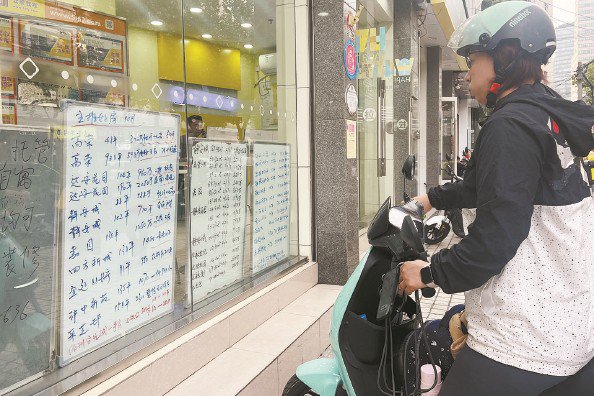
今日起施行“沪七条” 楼市有望迎“小阳春”
Xin Lang Cai Jing· 2026-02-26 07:19
Core Viewpoint - The new policy focuses on "gradual relaxation and differentiated measures," significantly lowering the threshold for new citizens to purchase homes, accurately stimulating both rigid and improvement demands, while maintaining the bottom line of "housing is for living, not for speculation," injecting new momentum into the stable and healthy development of the Shanghai real estate market [1] Group 1 - Industry insiders believe that with multiple policy benefits overlapping, the Shanghai real estate market has already locked in a "small spring" market trend, expecting an increase in volume, stable prices, and a window for structural optimization recovery [1]