交通压力

Search documents
北京交警:春节假期后半段部分区域车流集中,将实施临时管制
Xin Lang Cai Jing· 2026-02-21 08:59
Core Viewpoint - The Beijing traffic management department has issued a forecast for the second half of the Spring Festival holiday, indicating significant traffic pressure around traditional activities, ski resorts, and commercial areas, with a gradual increase in traffic flow expected post-holiday [1][2]. Group 1: Traffic Pressure Predictions - Traffic pressure in urban areas and highways during the holiday is expected to be higher than in previous years, with peak driving times identified between 10:00 to 14:00 and 15:00 to 20:00 [2]. - Major highways such as Jingzang, Jingcheng, Daguan, Jingping, and Jingha will experience peak traffic out of Beijing in the morning and returning traffic in the afternoon and evening [2]. Group 2: Cultural and Recreational Events - Areas hosting traditional Spring Festival activities, such as Longtan Park, Ditan Park, and other cultural sites, will see high levels of pedestrian and vehicle traffic, particularly around the fifth day of the lunar new year [3]. - Traffic management will be enhanced around these areas, with temporary traffic control measures implemented to manage the flow [3]. Group 3: Ski Resorts and Vacation Areas - Increased traffic is anticipated towards ski resorts in Chongli and other nearby areas, as well as hot spring hotels in regions like Changping and Fengtai, due to the holiday and free highway access [4]. Group 4: Commercial Areas - Major commercial centers such as Blue Harbor, Joy City, and Wanda Plaza will attract significant traffic due to promotional activities, leading to temporary congestion in surrounding roads [5]. Group 5: Return Travel Peaks - Major transportation hubs including Beijing West Station, Beijing South Station, and airports will experience a surge in return travelers, increasing traffic pressure in the vicinity [6]. Group 6: Travel and Safety Tips - Post-holiday traffic pressure during peak hours is expected to return, with specific highways and routes identified as high-traffic areas [7]. - Recommendations include using public transport, avoiding congested routes, and adhering to traffic regulations to ensure safety and efficiency during travel [8].
专家说出实话:上海、深圳等一线城市,出现4大怪象,提前准备!
Sou Hu Cai Jing· 2026-01-20 04:53
Core Viewpoint - The article discusses the significant changes in social behavior and economic conditions in major cities like Shanghai and Shenzhen, highlighting the increasing trends of young people choosing not to marry or have children, the challenging job market, rising traffic congestion, and exorbitant housing prices. Group 1: Marriage and Birth Rates - The marriage rate in China has declined from approximately 9‰ in 2015 to around 4.3‰ in 2024, while the birth rate has dropped from 11.99‰ in 2015 to 6.77‰ in 2024, indicating a rising trend of "non-marriage and non-childbearing" among the post-90s and post-00s generations [5][8]. - The high cost of housing and raising children in first-tier cities is a significant deterrent for young people considering marriage and parenthood [11][13]. - Parents from the 70s and 80s are becoming less insistent on their children marrying and having children, recognizing the pressures faced by the younger generation [15][17]. Group 2: Employment Challenges - The youth unemployment rate for ages 16-24 once exceeded 20%, marking a historical high, reflecting the increasing difficulty for young people to find jobs [20][22]. - The number of college graduates has consistently surpassed 10 million annually, leading to an oversupply in the job market, while traditional industries are contracting and new technologies like AI are replacing certain jobs [22][24]. - Young job seekers often face challenges such as unresponsive job applications and low salary offers, contributing to a sense of instability in employment [24]. Group 3: Traffic Congestion - Major cities like Shanghai and Shenzhen are experiencing severe traffic congestion, with the number of registered vehicles in Shanghai nearing 5.9 million, while road infrastructure has not expanded correspondingly [33][35]. - Average commuting times in Shenzhen are around 36 minutes, but many residents experience over an hour of travel each way, highlighting the daily struggles with traffic [37]. - Cities are implementing technological solutions to alleviate congestion, such as AI traffic management systems, but individuals are advised to consider their commuting choices to improve their quality of life [39][41]. Group 4: Housing Prices - Housing prices in first-tier cities remain extremely high, with average prices in cities like Shenzhen, Beijing, and Shanghai reaching 30,000 yuan per square meter or more [43][45]. - The housing price-to-income ratio in many first-tier cities exceeds reasonable levels, with Shenzhen's ratio approaching 30, indicating that ordinary families would need to save for decades to afford a home [47]. - The rental yield for residential properties in these cities is generally below 2%, suggesting that property values are primarily driven by appreciation expectations rather than actual rental income [48].

直击节后早高峰,北京明日限行尾号3和8
Xin Jing Bao· 2026-01-04 02:50
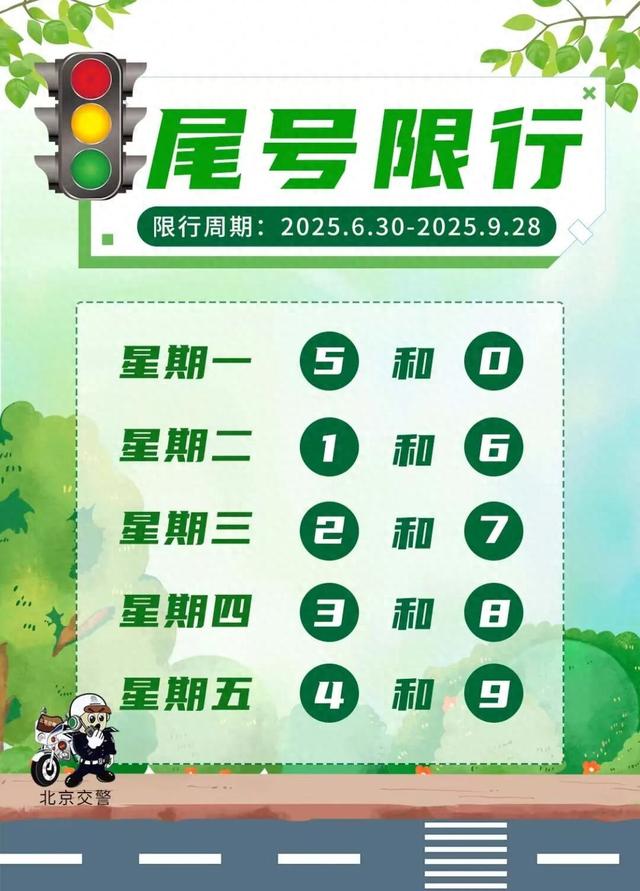
Core Viewpoint - The first working day after the New Year holiday sees unrestricted vehicle license plate numbers, leading to significant traffic pressure during the morning rush hour due to commuting and school traffic [1] Group 1 - The morning rush hour traffic is heavily impacted by the combination of commuting, school traffic, and the unrestricted vehicle license plate policy [1] - Traffic flow is reported to be slow on major routes, such as the southbound direction of the East Third Ring Road at the Guomao Bridge [1]
今年中秋国庆假期或创客流新高,公路自驾仍是进出京客流主力
Xin Jing Bao· 2025-09-26 03:03
Core Insights - The upcoming Mid-Autumn Festival and National Day holiday in Beijing will span 8 days, with a significant increase in travel volume, distance, and intensity, potentially reaching a new high in passenger flow [1] - Daily average inbound and outbound passenger flow is expected to be approximately 4.29 million, representing a year-on-year increase of 4.5% [1] - The peak travel day is projected to be October 1, with an expected 4.79 million passengers, which could set a record for single-day passenger flow during the National Day holiday [1] Group 1: Travel Patterns - There is a notable increase in cross-province and long-distance travel, with an expected daily traffic volume of 2.79 million on highways [2] - Road travel remains the primary mode of transportation for inbound and outbound passenger flow, accounting for nearly 60% of the total [2] - The Beijing-Tianjin-Hebei region shows significant collaborative travel patterns, with Tianjin and Hebei being major destinations, alongside increased self-driving trips to Shanxi, Shandong, Liaoning, and Henan [2] Group 2: Traffic Pressure Points - The "Seven Stations and Two Airports" will experience high operational pressure, with nearly 60% of railway passenger flow concentrated at Beijing South and Beijing West stations [2] - Major tourist attractions and commercial areas will see concentrated visitor traffic, leading to short-term traffic pressure in areas like the Forbidden City, Universal Studios, and Olympic Park [2] - Expected peak visitor times are between 10 AM to 12 PM and 3 PM to 5 PM, with significant traffic congestion anticipated around popular shopping districts such as Wangfujing and Xidan [3] Group 3: Highway Traffic Dynamics - Highway traffic is expected to exhibit a "front out, back in" tidal flow pattern during the holiday, with peak outbound traffic occurring from the afternoon of September 30 to the morning of October 1 [3] - The return peak to Beijing is anticipated from October 7 to 8, with October 1 expected to see the highest traffic volume of the holiday [3] - Specific time frames, particularly from 8 AM to 12 PM on October 1, will experience concentrated outbound traffic pressure, peaking between 9 AM and 11 AM [3]
出行提示丨下周北京演出展会多,场地及商圈周边道路车流集中
Bei Jing Ri Bao Ke Hu Duan· 2025-09-07 01:57
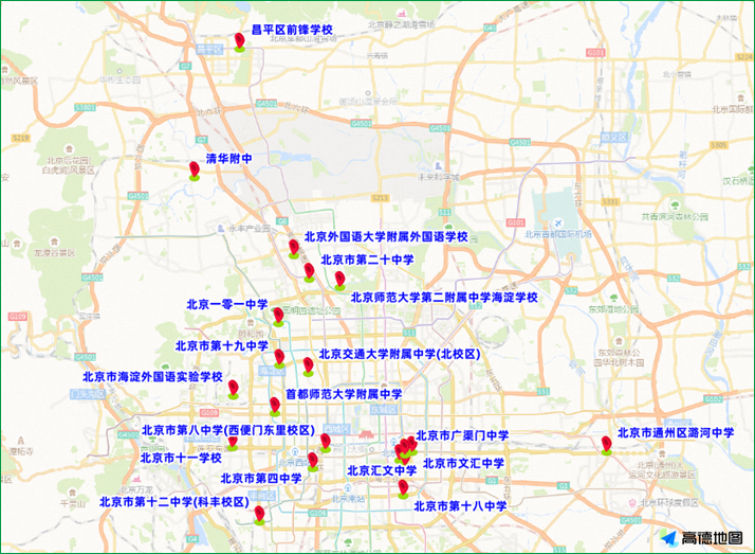
Core Viewpoint - The traffic congestion around schools and major event venues in Beijing is expected to increase significantly due to the start of the school year and upcoming large-scale events, necessitating adjustments in travel plans for commuters and attendees. Group 1: School Traffic Impact - The early peak traffic time for workdays has shifted from 7:30 AM to 6:45 AM, with an expected extension of about one hour compared to August [3] - Areas with a high concentration of schools, such as Haidian, Xicheng, Dongcheng, and Chaoyang, will experience increased vehicle flow, leading to longer travel times [3][5] Group 2: Peak Traffic Conditions - During the morning peak (7:00 AM - 9:00 AM), certain urban ring roads and highways will face slow traffic, particularly on routes like Caihuying South Road and parts of the Jingcheng Expressway [5] - The evening peak (5:00 PM - 8:00 PM) will see heavy traffic on urban roads leading out of the city, especially on Fridays when specific license plate numbers are restricted [5] Group 3: Major Events and Traffic Management - The 2025 China International Service Trade Fair will take place at the Shougang Park from September 10 to 14, leading to temporary traffic congestion around the venue [6] - Other events, including performances and sports, will also contribute to increased traffic around venues like the National Speed Skating Hall and the National Stadium [6] Group 4: Weekend Traffic Patterns - On weekends, popular shopping areas such as Blue Harbor and Wanda Plaza are expected to see high traffic volumes, with potential short-term vehicle queues at parking entrances [6] Group 5: Travel and Safety Recommendations - Commuters are advised to monitor real-time traffic updates and avoid congested routes, especially during school drop-off times and around event venues [8] - Drivers should exercise caution, particularly near schools, and adhere to traffic regulations to ensure safety [9]
北京:开学后工作日早高峰提前至6:45 校园周边交通压力增加
Xin Jing Bao· 2025-09-05 11:33
Group 1 - The early peak traffic hours for schools have been moved from 7:30 AM to 6:45 AM, with an expected extension of about one hour compared to August [1] - Increased traffic congestion is anticipated around schools in Haidian, Xicheng, Dongcheng, and Chaoyang districts, particularly in areas with a high concentration of primary and secondary schools [1] - The traffic pressure during weekday morning and evening peak hours will be significant on urban ring roads and certain bridge areas, especially on Monday mornings [3][6] Group 2 - The 2025 China International Service Trade Fair will take place at the Shougang Park in Beijing from September 10 to 14, leading to temporary traffic congestion around the venue [7] - Various large-scale events, including performances and exhibitions, will occur in multiple venues across Beijing, necessitating increased traffic management and public transport usage [7] - Weekend traffic is expected to be heavy around popular shopping areas such as Blue Harbor, Joy City, and Wanda Plaza, with potential short-term vehicle queues at parking entrances [8]