
产品品牌化

Search documents
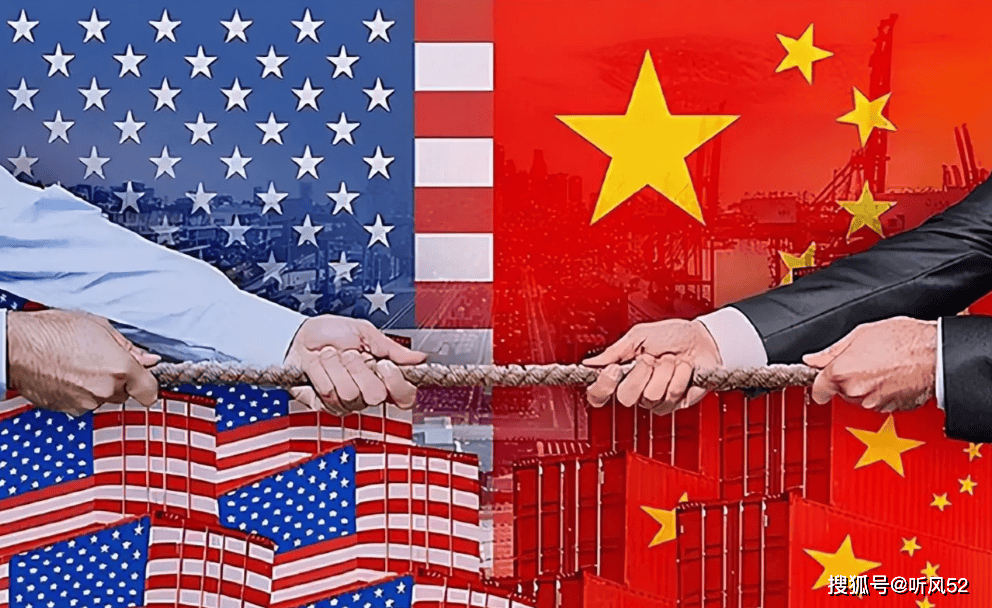
美国就算关税归零,我们也回不去了
Sou Hu Cai Jing· 2025-10-21 20:08
Core Insights - The current sentiment among Chinese foreign trade enterprises reflects a deep-seated distrust in U.S. trade policies, regardless of potential changes in tariffs or incentives [1][3] - The unpredictability of tariff policies since the Trump era has created significant operational challenges for businesses, leading to a state of paralysis where companies are unsure whether to fulfill orders or risk losses [4][5] Group 1: Policy Uncertainty - The rapid changes in tariff policies have left many businesses in a state of confusion, with examples such as the automotive parts industry experiencing sudden tax increases followed by unexpected exemptions [5] - Business owners express that the uncertainty surrounding policies is more daunting than a lack of orders, as it complicates decision-making and financial planning [6][7] Group 2: Trust Erosion and Market Diversification - The freezing of Russian foreign reserves has highlighted the fragility of private property rights in the face of national interests, leading to a crisis of trust among foreign trade enterprises [7] - Companies are increasingly adopting a diversified market strategy, moving from a reliance on the U.S. market to a more global approach, with significant growth in trade with countries along the Belt and Road Initiative [9][10] Group 3: Financial Innovation - To mitigate risks associated with dollar dependency, businesses are exploring alternative settlement methods, including the use of digital yuan for cross-border transactions, which significantly reduces transaction times and costs [11] - The proportion of trade settled in yuan with ASEAN countries has surged to 24%, indicating a shift towards local currency transactions [11] Group 4: Product Differentiation - Companies are focusing on enhancing product uniqueness and brand strength, moving away from low-margin OEM models to innovative products that command market attention, as exemplified by Ecovacs' smart lawn mowers [12] Group 5: Strategic Adaptation - The mindset among foreign trade enterprises has shifted from "securing orders" to "ensuring stable orders," with a more cautious approach to risk management and a focus on emerging markets [15][17] - The new survival philosophy emphasizes market diversification, innovative financial practices, and product differentiation as essential strategies for resilience in a changing global landscape [17]

核心经营数据逐步改善、战略转型成效落地 百果园 (02411)迎来困境反转拐点
智通财经网· 2025-08-18 01:30
Core Viewpoint - Baiguoyuan (02411) is experiencing a strategic transformation, leading to a forecasted net loss of 330-380 million yuan for the first half of 2025, with revenue expected to decrease by no more than 25% [1] Group 1: Financial Performance - The company anticipates a net loss of 330-380 million yuan for the first half of 2025, with revenue decreasing by up to 25% [1] - As of June 30, 2025, the total number of stores is expected to be 4,386, a reduction of over 700 stores compared to the end of the previous year [1] - The decline in revenue and profit is attributed to three main factors: a shift towards high-quality and cost-effective strategies, ongoing store network optimization, and increased one-time expenses related to asset impairment and stock incentive costs [1] Group 2: Strategic Transformation - Starting in the second half of 2024, Baiguoyuan is shifting from a "high-end" strategy to a dual approach of "high quality + high cost-effectiveness," launching promotional activities for sensitive fruits and enhancing store service standards [2] - The company has reported a stabilization and recovery in single-store sales, with expected double-digit growth in customer traffic and improvements in gross profit per store [2] - A new round of store expansion is set to begin, focusing on different store types to match various consumer preferences and enhancing overall profitability through product diversification and store scale expansion [2] Group 3: Market Potential and Competitive Advantage - The Chinese fruit industry has a market size exceeding 1.2 trillion yuan, with a projected annual compound growth rate of 7.6% over the next five years, indicating significant integration potential due to a fragmented market [3] - Baiguoyuan, as a leading player in the domestic fruit retail sector, has a strong foundation in supply chain, brand effect, and operational capabilities, with over 300 global procurement team members and partnerships with more than 800 direct sourcing bases across 26 countries [3] - By the end of 2024, Baiguoyuan has launched 46 proprietary fruit brands, achieving a sales share of 14.7%, which has created a differentiated advantage and strong brand recognition [3]
核心经营数据逐步改善、战略转型成效落地 百果园 迎来困境反转拐点
Zhi Tong Cai Jing· 2025-08-18 01:28
Core Viewpoint - The company is undergoing a strategic transformation aimed at improving its operational efficiency and profitability, despite facing short-term losses and a reduction in store count [1][2]. Group 1: Financial Performance - For the first half of 2025, the company expects a net loss attributable to shareholders between 330 million to 380 million yuan, with revenue decreasing by no more than 25% [1]. - As of June 30, 2025, the total number of stores is projected to be 4,386, a decrease of over 700 stores compared to the end of the previous year [1]. Group 2: Strategic Adjustments - The decline in revenue and profit is attributed to three main factors: a shift towards a high-quality and cost-effective strategy, optimization of the store network, and increased one-time expenses related to asset impairment and stock incentive costs [1]. - The company is actively adjusting its product structure to lower gross margins and benefit consumers, while also focusing on closing underperforming stores and concentrating resources on advantageous locations [1][2]. Group 3: Operational Improvements - Starting in the second half of 2024, the company will implement a dual strategy of "high quality + high cost performance," launching promotional activities for sensitive fruit products and enhancing store service standards [2]. - The company has reported a stabilization and recovery in single-store sales, with expected double-digit growth in customer traffic and improvements in gross profit per store [2]. Group 4: Market Potential and Competitive Position - The Chinese fruit industry has a market size exceeding 1.2 trillion yuan, with a projected compound annual growth rate of 7.6% over the next five years, indicating significant growth potential [3]. - As a leading player in the domestic fruit retail market, the company has a strong foundation in supply chain management, brand effect, and operational capabilities, with over 300 global procurement team members and partnerships with more than 800 direct sourcing bases [3]. - The company has launched 46 proprietary fruit product brands, achieving a sales share of 14.7%, which enhances its competitive advantage and market share in a fragmented industry [3].